





















How to Propagate Houseplants: 5 Easy Methods for Beginners
Posted on April 16 2026
In this article

Alt text: Propagation station on an HDB corridor ledge featuring water cuttings in glass jars, soil pots, and tropical houseplants in bright indirect light
Source suggestion: Original photography at a Singapore home; alternatively search Unsplash for "plant propagation station shelf"
Want more plants without spending more money? Propagation is your answer. Whether you're growing your collection in an HDB flat or a condo balcony, learning to propagate your houseplants is one of the most rewarding skills a plant parent can develop — and here in Singapore, our tropical climate gives you a natural advantage.
Singapore advantage: Unlike temperate countries where propagation is a spring-only activity, Singapore's year-round warmth (26–32 °C) and high humidity (60–90%) mean you can propagate any houseplant at any time of year. No cold snaps, no dormancy delays — just consistent rooting conditions 365 days a year.
In this guide we cover five proven propagation methods:
- Water cuttings
- Soil cuttings
- Leaf propagation
- Division
- Air layering
Plus: a success-rate comparison table, common mistakes to avoid, and a dedicated Singapore tips section.
---
Method 1 — Water Cuttings
Best for: Pothos, Philodendrons, Tradescantia, Monstera, Begonias
Difficulty: Beginner
Time to roots: 1–3 weeks
How to do it
- Select a healthy stem with at least one node (the small bump or joint where leaves and roots emerge).
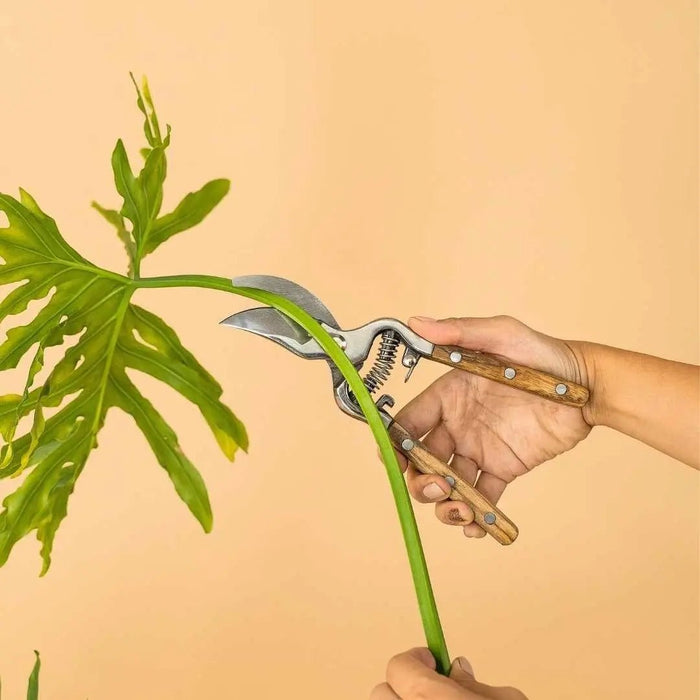
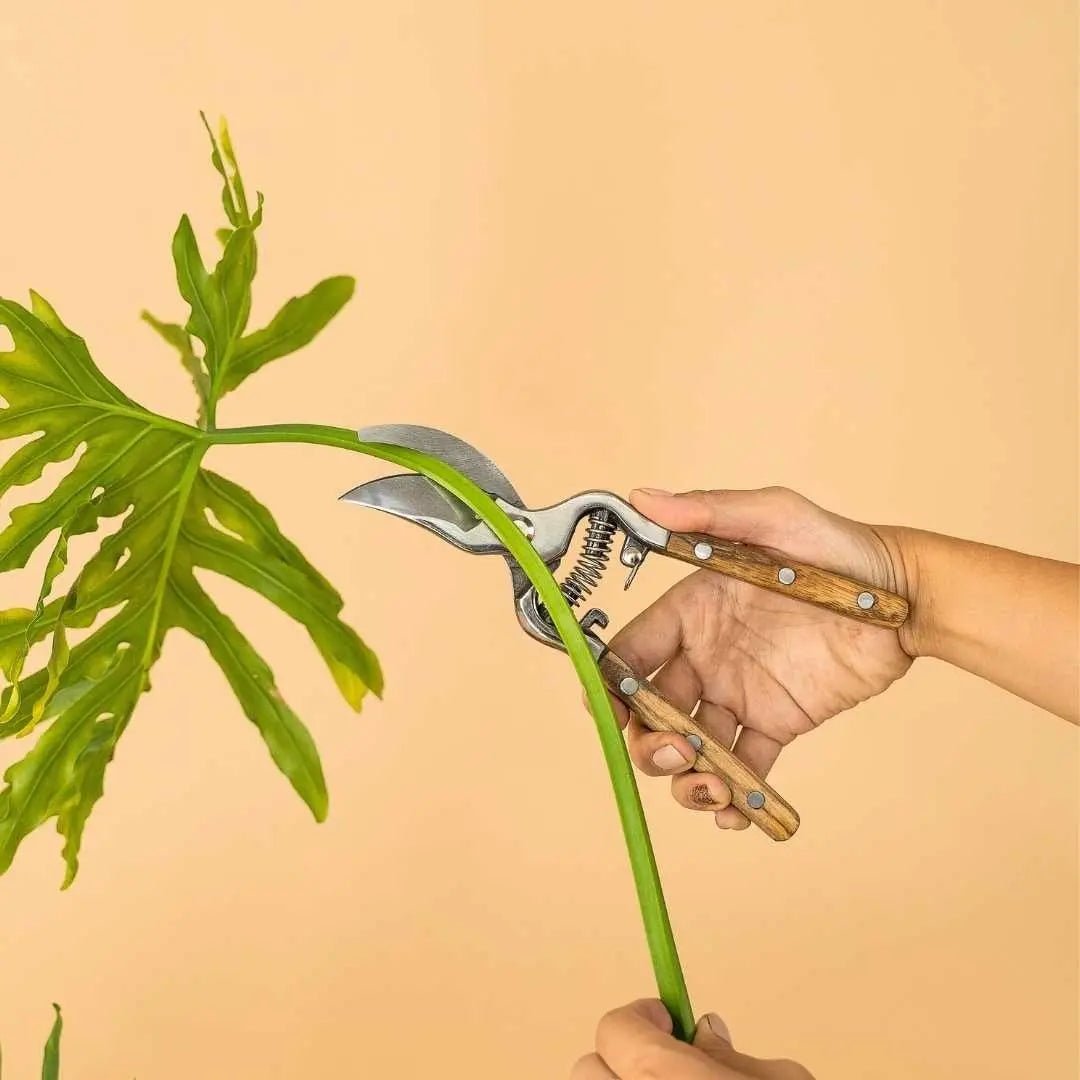
- Cut just below the node with clean scissors or pruning shears.
- Remove any leaves that would sit below the waterline — submerged leaves rot and cloud the water.
- Place the cutting in a clean glass or jar filled with room-temperature water, with the node submerged.
- Position in bright indirect light — an HDB window ledge or north-facing corridor works perfectly.
- Change the water every 3–5 days to prevent bacterial build-up.
- Once roots are 3–5 cm long, pot into well-draining soil.
Alt text: Four-panel step-by-step illustration of the water cutting process from selecting a stem to placing it in a jar of water
Source suggestion: Create a flat-lay photo series using a pothos plant, glass jars, and scissors against a white tile background
Singapore-specific tips
- Jar placement: A north-facing HDB corridor or a spot that receives bright indirect light through frosted glass is ideal. Avoid direct afternoon sun, which can overheat the water and stress the cutting.
- Water temperature: Singapore tap water sits around 25–28 °C — perfect for tropical cuttings. No need to let water "come to room temperature" as in colder climates.
- Humidity bonus: Our ambient humidity (70–90% on most days) means cuttings lose less moisture through their leaves, reducing wilt and improving success rates compared to air-conditioned temperate greenhouses.
- Watch for algae: Because Singapore is warm year-round, algae can develop faster in clear jars. Use opaque or dark-coloured containers, or wrap clear jars in tape, to slow algae growth.
---
Method 2 — Soil Cuttings

Best for: Monsteras, Rubber Plants, Hoyas, Syngoniums, most aroids
Difficulty: Beginner–Intermediate
Time to roots: 2–6 weeks
How to do it
- Take a stem cutting 10–15 cm long with at least two nodes.
- Allow the cut end to callous for 30–60 minutes (helps prevent rot).
- Optionally dip the cut end in rooting hormone powder or gel.
- Insert the cutting into a moist, well-draining propagation mix (perlite + coco coir works well in Singapore's climate).
- Water lightly and place in bright indirect light.
- Keep the soil consistently moist but never waterlogged.
- Tug gently after 3–4 weeks — resistance means roots have formed.
Alt text: Left panel shows a stem cutting dipped in rooting hormone; right panel shows the cutting planted in a white perlite and coco coir propagation mix
Source suggestion: Flat-lay photography with labelled jars of propagation medium and a healthy stem cutting
Singapore-specific tips
- Skip the humidity dome: In Singapore's naturally humid air, you rarely need a plastic bag or humidity dome over soil cuttings — the ambient relative humidity does the job for you. This is a major advantage over growers in drier climates.
- Ventilation matters more: With high humidity comes the risk of fungal issues. Ensure good airflow around your propagation station — an HDB corridor with a gentle breeze is nearly ideal.
- Soil mix: Avoid heavy potting soils that stay wet for days in our heat. A mix of 50% perlite + 50% coco coir dries out at a healthy rate and resists fungal gnats.
- Propagation timing: While Singapore has no true seasons, cuttings taken during the drier inter-monsoon months (February–April, July–September) can root slightly faster due to lower ambient humidity and more consistent sunlight.
---
Method 3 — Leaf Propagation
Best for: Succulents, Sansevieria (Snake Plants), Begonias, African Violets, Sedums
Difficulty: Intermediate
Time to new plants: 4–12 weeks
How to do it
For succulents and Sansevieria:
- Twist or cut a healthy leaf cleanly from the stem, ensuring you get the entire base (no torn edge).
- Let the leaf callous on a dry surface for 24–48 hours.
- Lay flat on top of (not buried in) a dry succulent or cactus mix.
- Mist lightly every few days — do not water heavily.
- Tiny plantlets will emerge from the base in 4–8 weeks.
For Begonias and African Violets:
- Cut a healthy leaf with its petiole (stalk) intact.
- Insert the petiole into moist soil or water.
- New plantlets grow from the base of the petiole.
Alt text: Comparison of two leaf propagation methods — succulent leaves on sandy soil showing baby plantlets vs. a Begonia leaf petiole in soil
Source suggestion: Original macro photography; Unsplash search "succulent leaf propagation babies"
Singapore-specific tips
- Succulents need more sun here: Singapore's diffuse tropical light can be insufficient for succulents. Place leaf cuttings in the brightest spot available — ideally a south- or west-facing balcony with several hours of direct sun.
- Avoid over-misting: The temptation to mist frequently is strong in the heat, but succulent leaves rot easily in Singapore's humidity. Less is more — the ambient humidity is often enough.
- Sansevieria speed: Snake plant leaf cuttings root particularly fast here due to the warmth — expect roots in 3–4 weeks rather than the 6–8 weeks typical in temperate climates.
---
Method 4 — Division

Best for: Peace Lilies, Calatheas, Aglaonemas, Ferns, Marantas, clumping Philodendrons
Difficulty: Beginner
Time to establishment: 1–3 weeks
How to do it
- Water the parent plant thoroughly 24 hours before dividing (reduces transplant shock).
- Remove the plant from its pot and shake loose excess soil.
- Identify natural separation points — look for distinct clumps with their own root systems.
- Gently pull the clumps apart by hand, or use a clean knife for tightly bound roots.
- Pot each division into fresh, well-draining mix.
- Water lightly and keep in a shaded spot for 1–2 weeks while the plant recovers.
Alt text: Overhead view of a Peace Lily being divided into two sections, each with healthy white roots visible
Source suggestion: In-progress repotting photography; Unsplash backup: "plant division roots repotting"
Singapore-specific tips
- Repot season = anytime: In Singapore you don't need to wait for spring to divide. However, avoid dividing during a plant's active growth flush if it's visibly pushing new leaves — let it settle first.
- Recovery shade: After division, place new pots in bright shade (not dark), such as under a covered HDB corridor or beneath a shade cloth on a balcony. Recovery in Singapore's warmth is quick — typically 5–10 days.
- Water carefully post-division: Damaged roots are more susceptible to rot. With Singapore's humidity and warmth, the soil stays moist longer — water only when the top 2 cm of soil feels dry.
---
Method 5 — Air Layering
Best for: Rubber Plants (Ficus elastica), Monsteras, Dracaenas, Crotons
Difficulty: Advanced
Time to roots: 4–8 weeks
How to do it
- Choose a healthy stem section, ideally just below a leaf node.
- Make a shallow upward-angled cut (or ring-bark) through the outer layer of bark — do not cut all the way through.
- Pack the wound with moist sphagnum moss (a golf-ball-sized amount).
- Wrap the moss tightly in clear plastic wrap and secure with twist ties or rubber bands above and below the moss ball.
- Wait 4–8 weeks, checking for roots growing into the moss through the plastic.
- Once roots are 3–5 cm long, cut below the moss ball and pot up the rooted section.
Alt text: Close-up of air layering on a Rubber Plant stem showing white roots growing through moist sphagnum moss wrapped in clear plastic
Source suggestion: In-progress plant care photography; Unsplash backup: "air layering sphagnum moss plant"
Singapore-specific tips
- Moss moisture retention: Singapore's humidity naturally keeps sphagnum moss moist for longer — you may only need to unwrap and re-moisten every 2–3 weeks instead of weekly as recommended in drier climates.
- Speed advantage: Roots develop faster in Singapore's warmth. What takes 8 weeks in a Northern European home may take only 4–5 weeks here.
- Ficus elastica: Rubber Plants are hugely popular in Singapore and respond exceptionally well to air layering. It's the preferred method in the local plant community for propagating large specimens.
---
Propagation Success Rate Comparison

| Method | Success Rate | Time to Roots | Difficulty | Best Plants |
|---|---|---|---|---|
| Water cuttings | 85–95% | 1–3 weeks | Beginner | Pothos, Philodendron, Tradescantia |
| Soil cuttings | 70–85% | 2–6 weeks | Beginner–Int. | Monstera, Hoya, Rubber Plant |
| Leaf propagation | 50–75% | 4–12 weeks | Intermediate | Succulents, Sansevieria, Begonia |
| Division | 90–98% | 1–3 weeks | Beginner | Peace Lily, Calathea, Fern |
| Air layering | 80–90% | 4–8 weeks | Advanced | Ficus, Monstera, Dracaena |
Success rates reflect Singapore growing conditions (year-round warmth and high ambient humidity).
---
Common Propagation Mistakes to Avoid
- Using dirty tools — Always sterilise scissors or blades with rubbing alcohol before cutting. Dirty tools transfer bacteria and fungi that kill cuttings before they can root.
- No node on the cutting — A cutting without a node cannot produce roots. Always include at least one node.
- Overwatering soil cuttings — The most common killer. Soil should be moist, not wet. In Singapore's warmth, err on the side of less water.
- Too much direct sun — Bright indirect light is ideal for most propagating cuttings. Direct afternoon sun in Singapore (especially west-facing balconies) can scorch unrooted cuttings quickly.
- Impatience — Resist the urge to tug constantly. Give cuttings at least 3–4 weeks before checking for root development.
- Overusing rooting hormone — More is not better. A light dip is sufficient; excess powder can inhibit rather than promote rooting.
- Dirty water — For water propagation, change the water every 3–5 days. Stagnant water harbours bacteria, especially in Singapore's heat.
---
Propagation in Singapore
Singapore's plant community is thriving — from HDB shelfies on Reddit's r/SGplants to vibrant Carousell listings for propagation swaps, local plant parents are passionate propagators.
Why Singapore is a propagation paradise
- Year-round growing season: There is no winter dormancy, no waiting for spring. You can take a cutting in January or August and expect the same results.
- Natural humidity: At 70–90% relative humidity, Singapore air is closer to a greenhouse than any temperate home. Cuttings lose less moisture, roots form faster, and you rarely need humidity aids.
- Fast growth cycles: Tropical aroids like Monsteras and Philodendrons grow fast year-round here, producing regular stem material ready for propagation.
- Community culture: Singapore's plant community is generous — plant swaps, propagation trades, and Carousell listings for rooted cuttings are common. Propagation skills let you participate actively.
Setting up your Singapore propagation station
- HDB corridor: Bright indirect light, good ventilation, and ambient humidity make HDB corridors nearly perfect propagation spaces. A simple wire rack with glass jars is all you need.
- Condo balcony: Add a shade cloth (30–50% shade) to filter intense afternoon sun. Group your propagation pots together — the plant cluster retains humidity naturally.
- Indoor near a window: A north- or east-facing window provides gentle morning light. Avoid south- or west-facing windows without a sheer curtain to filter the intense afternoon sun.
Alt text: HDB corridor propagation station with tiered shelves, glass jars of water cuttings, and labelled soil pots in warm morning light
Source suggestion: Original lifestyle photography in a Singapore home setting; coordinate with a local plant influencer for authentic HDB/condo imagery
---
Ready to Start Propagating? Shop Our Propagation-Friendly Plants
The best propagation projects start with healthy parent plants. We stock a wide range of propagation-friendly tropical houseplants — all quality-checked and ready for your Singapore home.
- Pothos & Philodendrons (ideal for water cuttings): Shop Pothos | Shop Philodendrons
- Monsteras (water, soil, or air layering): Shop Monsteras
- Succulents (leaf propagation): Shop Succulents
- Peace Lilies & Calatheas (division): Shop Peace Lilies | Shop Calatheas
- Sansevieria / Snake Plants (leaf propagation): Shop Snake Plants
- Browse all plants: Full Plant Collection
Need your parent plant fast? We offer same-day delivery across Singapore — order before noon and receive your plants the same evening, ready to propagate.
---
Quick summary
Key Takeaways
- Method 1 — Water Cuttings
- Method 2 — Soil Cuttings
- Method 3 — Leaf Propagation
- Method 4 — Division
- Method 5 — Air Layering
- Propagation Success Rate Comparison
Ready to bring some green into your home?
Browse 250+ hand-picked plants, curated for Singapore homes — delivered to your door.
Browse All Plants →