





















How to Propagate Houseplants in Water: The Beginner's Complete Guide
Posted on April 16 2026
In this article

- Why Propagate in Water?
- What You'll Need
- Step 1: Take the Right Cutting
- Step 2: Prepare the Cutting
- Step 3: Set Up Your Propagation Container
- Step 4: Place in Indirect Light
- Step 5: Change the Water Regularly
- When to Expect Roots
- Step 6: Potting the Rooted Cutting
- Best Plants for Water Propagation
- Troubleshooting
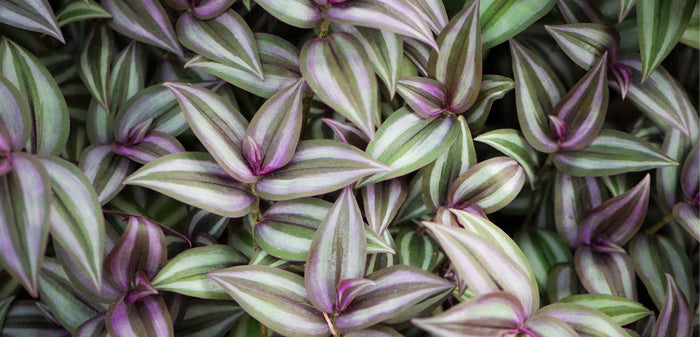
Thumbnail image: 1200×628px — flat-lay of glass jars with rooted pothos and tradescantia cuttings on a bright wooden surface, with visible white roots in water. Natural daylight, Singapore-aesthetic styling.
---
Water propagation is one of the most satisfying things you can do as a plant owner. You take a cutting, put it in a jar of water, and watch roots appear over the following weeks — visible, traceable, tangible. It works without special equipment, special soil, or special expertise. And once you understand why it works and which plants respond best, you'll find yourself propagating everything.
In Singapore's warm, humid climate, water propagation is even more beginner-friendly than in temperate countries. Our year-round warmth — averaging 25–32°C — means roots develop faster and more reliably than in cooler climates where propagation is a seasonal activity. Whether you're in an HDB flat or a condo with a sunny corridor, you can propagate plants any month of the year.
---
Why Propagate in Water?
Compared to soil propagation, water propagation has several advantages:
Visibility: You can watch roots develop in real time. This gives immediate feedback that the cutting is healthy and progressing.
Simplicity: No potting mix, no humidity domes, no special supplies. Just a clean container and water.
High success rate for compatible plants: Vining tropical plants that root readily in water include pothos, philodendrons, tradescantia, impatiens, coleus, and many others.
Free plants: A single mature pothos can produce dozens of cuttings per year — each one capable of becoming a new plant, filling a pot, or being gifted.
Singapore advantage: In our tropical climate, cuttings root faster and more reliably due to the constant warmth. What takes 3–4 weeks in a northern-hemisphere winter can happen in 1–2 weeks here. Year-round warmth also means there's no "off-season" for propagation — you can start a new batch any day of the year.
---
What You'll Need

- A clean glass or jar (clear is best so you can observe roots)
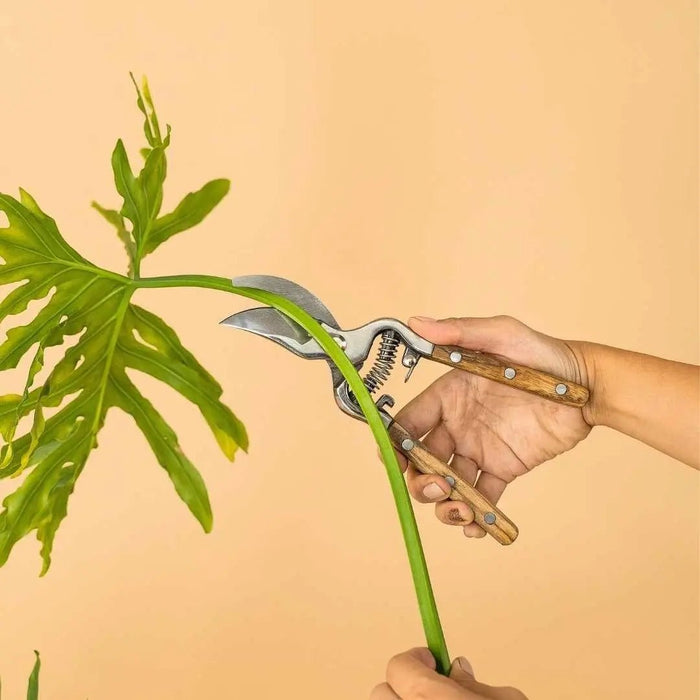
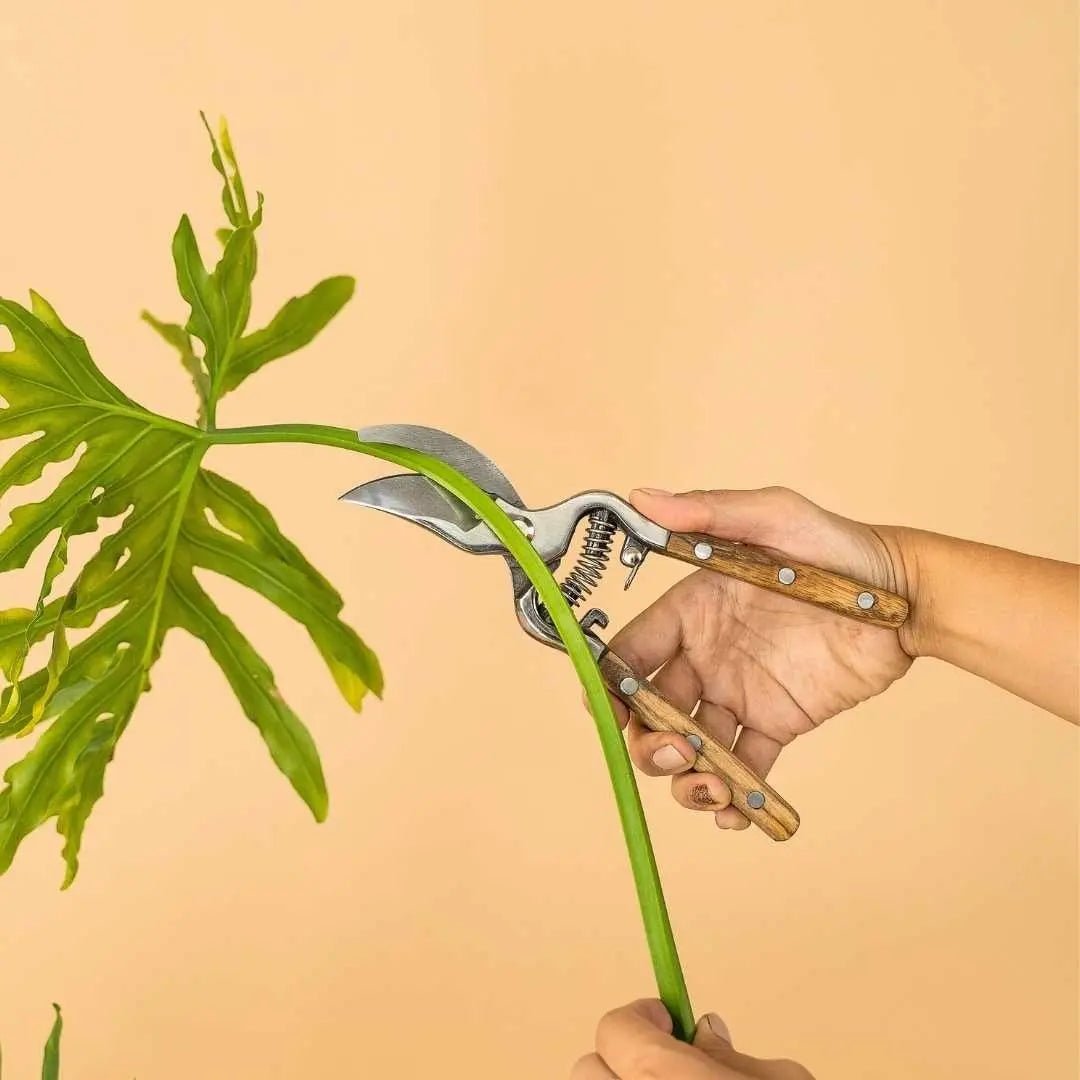
- Clean, sharp scissors or pruning shears
- Water (filtered or tap left to sit overnight — Singapore tap water is safe and suitable)
- Indirect light (not direct tropical sun — our midday sun is intense enough to heat water and stress cuttings)
That's genuinely it.
---
Step 1: Take the Right Cutting
The most critical factor in water propagation success is taking a cutting that includes at least one node.
What is a node? A node is the point on a plant stem where a leaf attaches, or where a bump or aerial root emerges. Nodes contain the meristematic tissue — the cells capable of generating new roots and growth.
Stem with a leaf but no node = will not root. The leaf may stay green for weeks in water but will eventually rot without ever producing roots.
How to identify a node:
- On pothos and philodendrons: the small bump or ridge on the stem where a leaf grows, or where an aerial root emerges
- On tradescantia: where leaves attach to the stem
- On begonias: where leaves or branches meet the main stem
Ideal cutting characteristics:
- 3–6 inches long
- Contains 2–4 nodes
- Has 1–2 healthy leaves at the top
- Has no flowers or buds (energy should go to roots, not blooms — remove flowers)
- Cut just below a node
Sterilize your cutting tool before and after cutting with rubbing alcohol or a flame. This prevents spreading plant pathogens.
---
Step 2: Prepare the Cutting

Remove any leaves that would be submerged in water. Submerged leaves rot, and rotting leaves contaminate the water, encouraging bacterial growth that can harm the cutting.
The cutting should have:
- Bare stem below the waterline (with at least 1–2 nodes below)
- 1–3 leaves above the waterline
Let the cutting callous (optional but helpful for succulents): For most tropical plants, you can place the cutting directly in water. For succulents and cacti, let the cut end dry and callous for 2–4 hours before placing in water to reduce rot risk.
Singapore note: In our humidity, most tropical cuttings can go directly in water without callousing — the ambient warmth and moisture accelerates the process. Monitor every few days during the first week for any signs of rot at the cut end.
---
Step 3: Set Up Your Propagation Container
Fill a clean glass or jar with water. Filtered water or tap water left overnight is preferable to fresh tap water — chlorine can inhibit root development.
The water level should cover at least 1–2 nodes but keep all leaves above the surface.
Container tips:
- Narrower openings are better — they support the cutting and prevent it from falling in
- Colored or opaque jars slow algae growth (a practical benefit over clear glass)
- Small jars (4–8 oz) work well for most cuttings
Singapore tip: In our warmer temperatures, water in propagation jars can go cloudy or grow algae more quickly than in cooler climates. Change water every 4–5 days rather than every 7, and keep containers out of direct sunlight to slow algae growth.
---
Step 4: Place in Indirect Light

Put your propagation container in a warm spot with bright indirect light. Avoid direct tropical sun — Singapore's midday sun is significantly more intense than in most countries and will heat the water, stress the cutting, and accelerate algae growth.
A windowsill that gets morning light (east-facing) or a spot with bright reflected light from the corridor or balcony — but not the direct afternoon sun — is ideal. Many Singapore HDB and condo units have corridors or balconies with bright but indirect light that work perfectly for propagation.
Temperature: In Singapore, room temperature is already ideal for propagation — typically 25–30°C. You don't need to do anything special to create warm conditions. Even air-conditioned rooms here rarely drop below 22°C, which is still effective for rooting.
---
Step 5: Change the Water Regularly
Change the water every 4–7 days. In Singapore's warmth, err toward the more frequent end — every 4–5 days is ideal. This prevents bacterial and fungal buildup that can cause the stem to rot before roots form.
When you change the water:
- Rinse the container
- Refill with fresh room-temperature water
- Check the stem end — it should be firm and white/cream. If it's soft or discolored, trim back to healthy tissue with clean scissors
---
When to Expect Roots
Timeline varies by plant and conditions. In Singapore's warmth, expect roots at the faster end of these ranges or beyond:
| Plant | Root Timeline (Temperate) | Root Timeline (Singapore) |
|-------|--------------------------|--------------------------|
| Pothos | 1–3 weeks | 1–2 weeks |
| Heartleaf Philodendron | 1–3 weeks | 1–2 weeks |
| Tradescantia / Spiderwort | 1–2 weeks | 5–10 days |
| Coleus | 1–2 weeks | 5–10 days |
| Begonia | 2–4 weeks | 1–3 weeks |
| Monstera (node cutting) | 3–6 weeks | 2–4 weeks |
| Rubber plant / Ficus | 3–6 weeks | 2–4 weeks |
| String of Hearts | 4–8 weeks | 3–5 weeks |
| Succulents | Variable, often faster in soil | Variable |
Roots typically appear as small white nubs at the nodes, then extend into the water over the following weeks.
---
Step 6: Potting the Rooted Cutting
Once roots are 1–2 inches long, the cutting is ready to pot into soil. Don't wait too long — very long water roots (4+ inches) are adapted to aquatic conditions and experience more transplant shock when moved to soil.
Transitioning from water to soil:
- Prepare a small pot (4") with moist, well-draining potting mix
- Gently insert the rooted cutting into the soil, burying the roots
- Water lightly — just enough to settle soil around the roots
- Place in bright indirect light (slightly shadier than normal for the first 1–2 weeks)
- Keep soil consistently moist for the first 2–3 weeks as the roots adapt to soil
Some wilting in the first few days is normal as water roots convert to soil roots. In Singapore's ambient humidity, this transition is often easier than in drier climates — you typically don't need a humidity dome.
---
Best Plants for Water Propagation
Highly reliable (beginners start here):
- Golden pothos, marble queen pothos, neon pothos
- Heartleaf philodendron, Brasil philodendron
- Tradescantia zebrina, Tradescantia fluminensis
- Coleus (any variety)
- Sweet potato vine
Reliable with patience:
- Monstera deliciosa (node with aerial root)
- Rubber plant (Ficus elastica)
- Begonias
- String of hearts (Ceropegia woodii)
Propagate better in soil than water:
- Succulents and cacti (water works but soil is faster)
- African violets (leaf propagation in soil)
- Orchids (division only)
All of the "highly reliable" plants above are available year-round at Tumbleweed Plants — we stock rooted and established versions for those who want a head start, plus healthy parent plants ideal for taking cuttings.
---
Troubleshooting
Stem turning brown or mushy at the cut end: Bacterial rot. Trim back to healthy white tissue, clean the container, change water, and replace. In Singapore's heat, this can happen faster — change water every 4–5 days preventively.
Green algae coating the jar: Normal if in bright light. Scrub the jar when you change water. Switch to an opaque container to slow algae growth. The algae doesn't harm the cutting but makes it harder to monitor roots.
No roots after 3+ weeks (Singapore): In our climate, 3 weeks without roots is a signal to investigate. Check that the cutting has nodes below the waterline. Ensure the cutting tool was clean. Replace the water and try a slightly warmer, brighter spot.
Roots appear but cutting looks weak: The cutting may not have enough stored energy. Ensure at least one healthy leaf remains (but not too many — leaves competing for resources slow rooting).
---
Ready to start propagating? Our trailing and vining varieties — pothos, heartleaf philodendron, tradescantia — are among the easiest to propagate and among the most rewarding. Browse our full plant collection and start with a healthy parent plant — the cuttings will take care of themselves. Need a plant fast? Check our same-day delivery plants for propagation-ready picks delivered to your door in Singapore today.
---
Quick summary
Key Takeaways
- Why Propagate in Water?
- What You'll Need
- Step 1: Take the Right Cutting
- Step 2: Prepare the Cutting
- Step 3: Set Up Your Propagation Container
- Step 4: Place in Indirect Light
Ready to bring some green into your home?
Browse 250+ hand-picked plants, curated for Singapore homes — delivered to your door.
Browse All Plants →