


















How to Propagate Houseplants at Home: A Singapore Beginner's Guide
Posted on April 09 2026
In this article
# How to Propagate Houseplants at Home: A Singapore Beginner's Guide | Tumbleweed Plants Singapore

Plant propagation is one of the most satisfying aspects of being a plant parent. Instead of buying new plants, you can multiply your existing collection for free — creating new plants from cuttings, divisions, or even single leaves. In Singapore's warm, humid climate, propagation success rates are naturally higher than in cooler, drier environments, making it an ideal place to learn this skill.
Whether you want to fill your home with greenery without breaking the bank, share plants with friends, or simply enjoy the magic of watching roots develop from a cutting, this guide covers every propagation method you need to know.
Why Singapore Is Great for Propagation
Singapore offers natural advantages for plant propagation:
- Warm temperatures (25-32°C): Root development is faster in warm conditions
- High humidity (70-90%): Reduces water loss from cuttings before roots develop
- Year-round growing season: No need to wait for spring — you can propagate any time
- Bright ambient light: Even indirect light is strong enough to support new growth
Method 1: Water Propagation

The most visual and beginner-friendly method. You get to watch roots develop in real time.
Best Plants for Water Propagation
- Pothos (all varieties)
- Philodendron (climbing types)
- Monstera
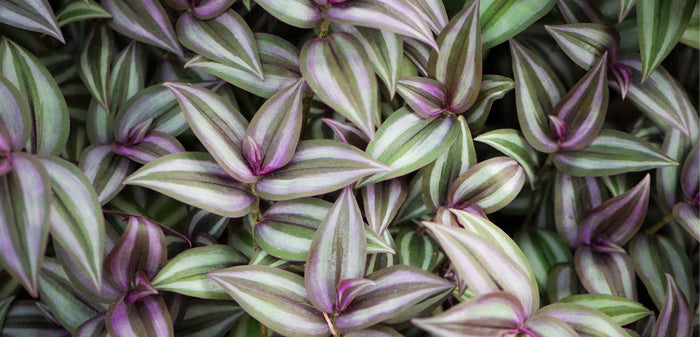
- Tradescantia
- Lucky bamboo
- Coleus
Step-by-Step
- Select a healthy stem: Choose a stem with at least 2-3 leaves and at least one node (the small bump where a leaf meets the stem — this is where roots will emerge)
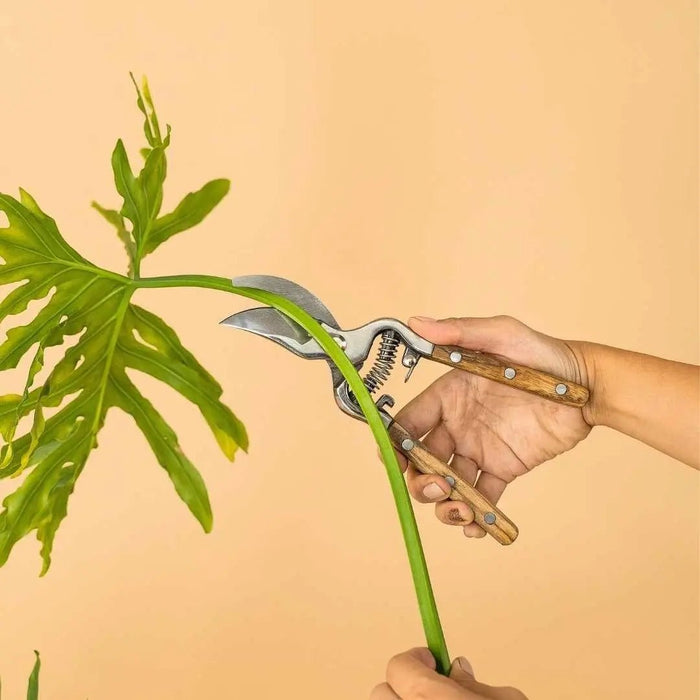
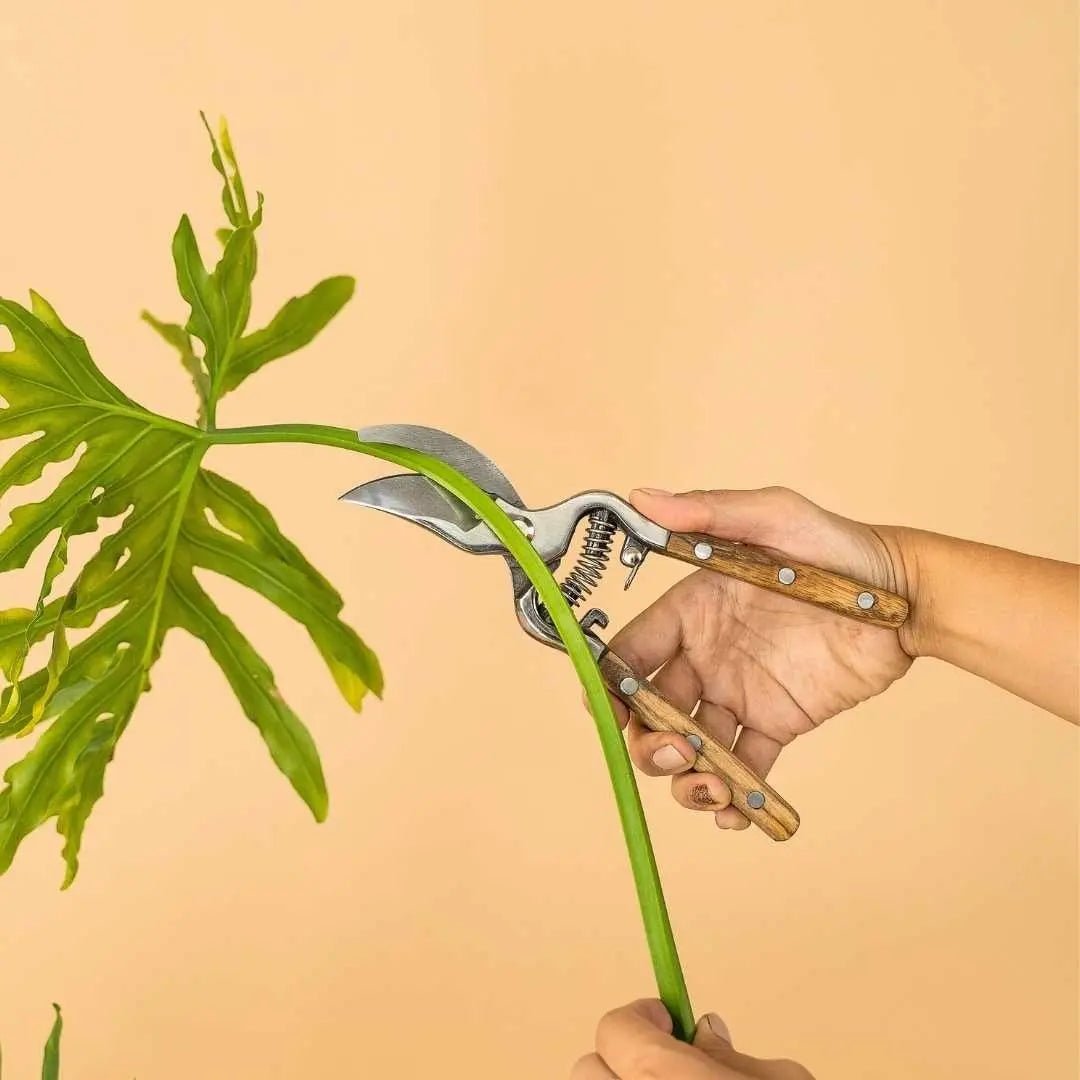
- Make a clean cut: Use sharp, sterilised scissors or pruning shears. Cut 1-2cm below a node.
- Remove lower leaves: Strip leaves from the bottom node that will be submerged. Leaves underwater will rot.
- Place in water: Use a clean glass jar or vase. Submerge the node(s) but keep leaves above water.
- Position: Bright indirect light, away from direct sun (which heats the water and promotes algae)
- Change water: Every 3-5 days in Singapore's heat to prevent bacterial growth
- Wait: Roots typically appear in 1-3 weeks. Wait until roots are 5-8cm long before potting.
- Transfer to soil: Plant in well-draining potting mix, keep soil moist for the first 2 weeks as the cutting adjusts from water to soil.
Tips for Success
- Use a clear container so you can monitor root development
- Add a small piece of charcoal to the water to keep it fresh longer
- Room temperature water works best — avoid cold water from the fridge
- Some cuttings can live in water indefinitely (pothos, lucky bamboo)
Method 2: Stem Cuttings in Soil
Faster establishment than water propagation since roots develop directly in soil.
Best Plants for Soil Cuttings
- Aglaonema
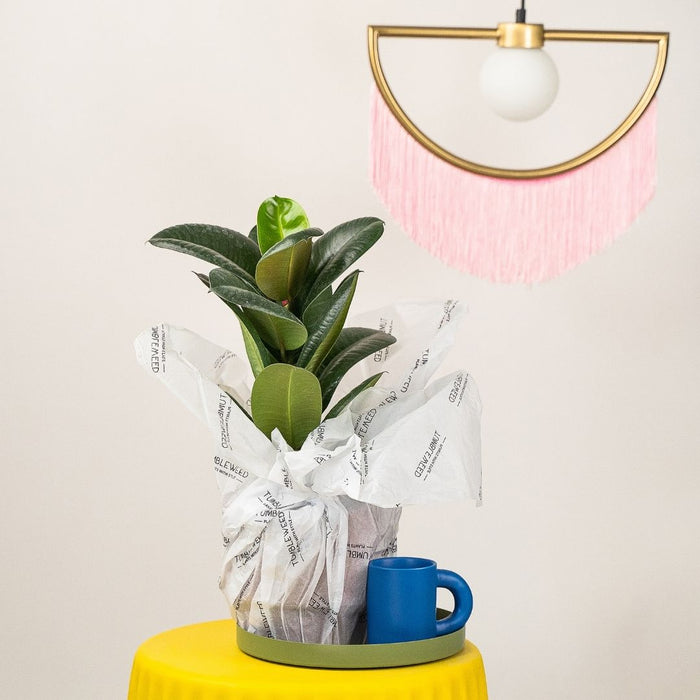
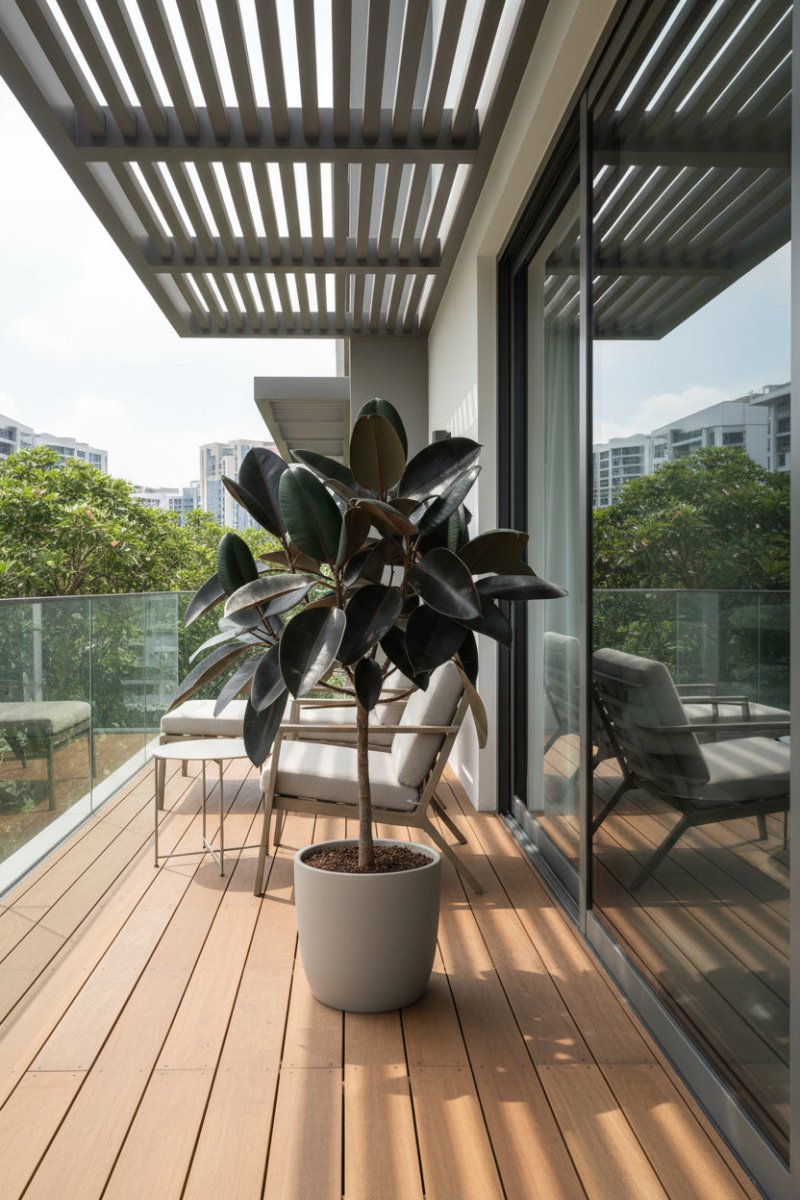
- Rubber plant (Ficus elastica)
- Dracaena
- Croton
- Jade plant
Step-by-Step
- Take your cutting: A stem section with 2-3 nodes and a few leaves
- Let it callus: Allow the cut end to dry for 1-4 hours (prevents rot when planted)
- Dip in rooting hormone: Optional but improves success rates, especially for woody stems
- Plant in moist mix: Use a light propagation mix (50% perlite, 50% peat or coco coir). Insert the cutting with at least one node below the soil line.
- Create humidity: Cover with a clear plastic bag or place in a propagation box to maintain high humidity. In Singapore's naturally humid environment, this may not be necessary for all species.
- Position: Bright indirect light, warm location
- Keep moist: Mist or lightly water when the top of the propagation mix dries
- Check for roots: Gently tug the cutting after 3-4 weeks. Resistance means roots have formed.
- Pot up: Once rooted, transplant to a standard potting mix in a small pot.
Method 3: Division
The simplest method — splitting an existing plant into two or more separate plants.
Best Plants for Division
- Peace lily
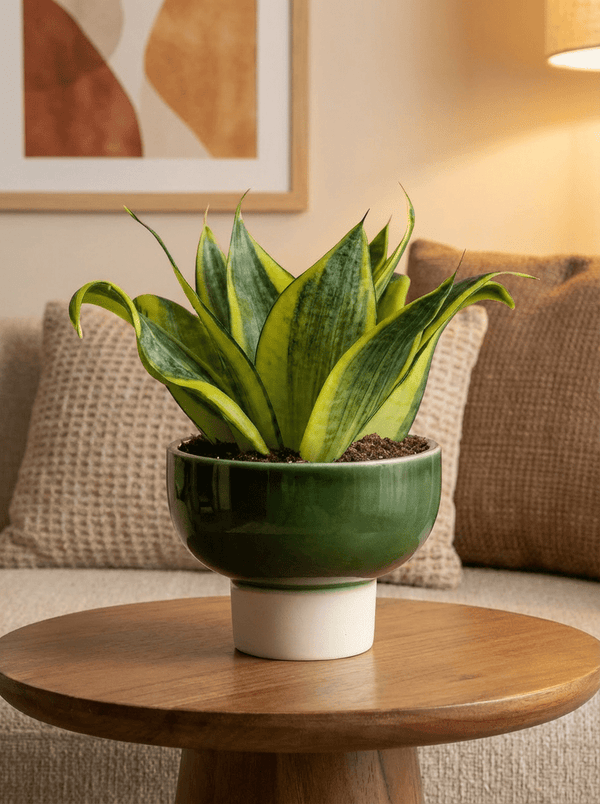
- Snake plant (Sansevieria)
- Aglaonema varieties
- Spider plant
- Ferns
- ZZ plant
Step-by-Step
- Water the plant the day before to make removal easier
- Remove from pot: Gently tip the plant out and shake off excess soil
- Identify divisions: Look for natural clusters of stems with their own root systems
- Separate: Gently pull apart or use a clean knife to cut through the root ball
- Pot individually: Plant each division in its own pot with fresh soil
- Water well: Soak the soil after planting
- Recovery care: Keep in bright indirect light, slightly more humid conditions for 1-2 weeks
Division is the fastest propagation method — each new plant is already a mature, rooted specimen.
Method 4: Leaf Cuttings
Some plants can grow entirely new plants from a single leaf.
Best Plants for Leaf Cuttings
- African violet
- Begonia (rex types)
- Jade plant (succulent leaves)
- Sansevieria (leaf sections)
- Peperomia
African Violet Method
- Select a healthy, mature leaf with its stem
- Cut the stem to about 3cm
- Insert the stem into moist propagation mix at a 45-degree angle
- Cover for humidity
- In 4-8 weeks, tiny plantlets emerge at the base of the leaf
- When plantlets have 3-4 leaves, separate and pot individually
Succulent Leaf Method
- Gently twist a leaf from the stem (ensure a clean break at the base)
- Let the leaf dry for 1-2 days until the end calluses
- Place on top of slightly moist succulent mix
- Mist lightly every few days
- Tiny roots and a baby plant will emerge from the leaf base in 2-6 weeks
- Once the baby plant has its own roots, pot up and begin normal care
Method 5: Offsets and Pups
Many plants produce miniature copies of themselves.
Best Plants
- Spider plant (produces hanging plantlets)
- Aloe vera (produces pups at the base)
- Tiger Aloe (same as aloe vera)
- Bromeliads (produce pups after flowering)
Step-by-Step
- Wait until the offset is about one-third the size of the mother plant
- Check for independent roots
- Gently separate from the mother plant (cut if necessary)
- Pot in appropriate soil for the species
- Water well and provide bright indirect light
Propagation Station Setup
A dedicated propagation area makes the process easier:
Equipment
- Clean glass jars or vases for water propagation
- Small nursery pots (7-10cm)
- Propagation mix (perlite + peat or coco coir)
- Sharp scissors or pruning shears
- Rooting hormone powder (optional)
- Spray bottle for misting
- Clear plastic bags or a propagation box for humidity
Location
Choose a spot with:
- Bright indirect light (near but not in a sunny window)
- Consistent warmth (avoid aircon vents)
- Easy access for daily monitoring
- A surface you do not mind getting slightly damp
Timing
In Singapore, you can propagate year-round thanks to our consistent tropical conditions. However, plants tend to root faster during warmer months with more light (March-September). The slightly cooler, rainier months (November-January) may slow root development marginally, but success rates remain good.
Common Propagation Mistakes
- Cutting without a node: Roots grow from nodes. A stem section without a node will not root (in most species).
- Submerging leaves in water: Leaves rot underwater. Only submerge the node and stem.
- Not changing water: In Singapore's heat, water becomes a bacterial soup quickly. Change every 3-5 days.
- Too much direct sun: Cuttings without roots cannot handle intense light. Bright indirect is best.
- Potting too early: Wait for substantial root development (5-8cm) before transferring water cuttings to soil.
- Overwatering soil cuttings: Keep moist, not soggy. Rotting is the most common cause of propagation failure.
Sharing and Swapping
Singapore has a vibrant plant community. Once you start propagating:
- Trade cuttings with friends and colleagues
- Join plant swap groups on social media
- Gift rooted cuttings — they make thoughtful, personal presents
Browse plants to grow and propagate at Tumbleweed Plants with delivery across Singapore.
Quick summary
Key Takeaways
- Why Singapore Is Great for Propagation
- Method 1: Water Propagation
- Method 2: Stem Cuttings in Soil
- Method 3: Division
- Method 4: Leaf Cuttings
- Method 5: Offsets and Pups
Ready to bring some green into your home?
Browse 250+ hand-picked plants, curated for Singapore homes — delivered to your door.
Browse All Plants →