























How to Propagate Houseplants in Water | Tumbleweed Plants Singapore
Posted on April 10 2026
In this article

Water propagation is the simplest, most rewarding way to multiply your plant collection for free. You take a cutting from a healthy plant, place it in water, and watch roots develop over days and weeks. It is visible, satisfying, and almost magical — seeing white roots emerge from a bare stem never gets old, even for experienced growers.
In Singapore's warm climate, water propagation works exceptionally well. Warm water temperatures accelerate root development, and the consistently tropical environment means cuttings root faster than in cooler climates. What takes four weeks in a London apartment may take two in a Singapore flat.
How Water Propagation Works
When you cut a stem below a node (the bump where a leaf meets the stem), the cut end is exposed to water. The node contains cells capable of producing roots — these cells are activated by the contact with water and the stress hormones from the cut. Over days, small white root bumps appear at the node, then elongate into functional roots.
The water provides hydration and a stable environment. The node provides the cellular machinery. Warmth and light accelerate the process.
What You Need

- A clean glass jar, vase, or container (clear glass lets you monitor root growth)
- Room-temperature water (tap water left overnight to dechlorinate, or filtered water)
- A healthy parent plant with mature, vigorous stems
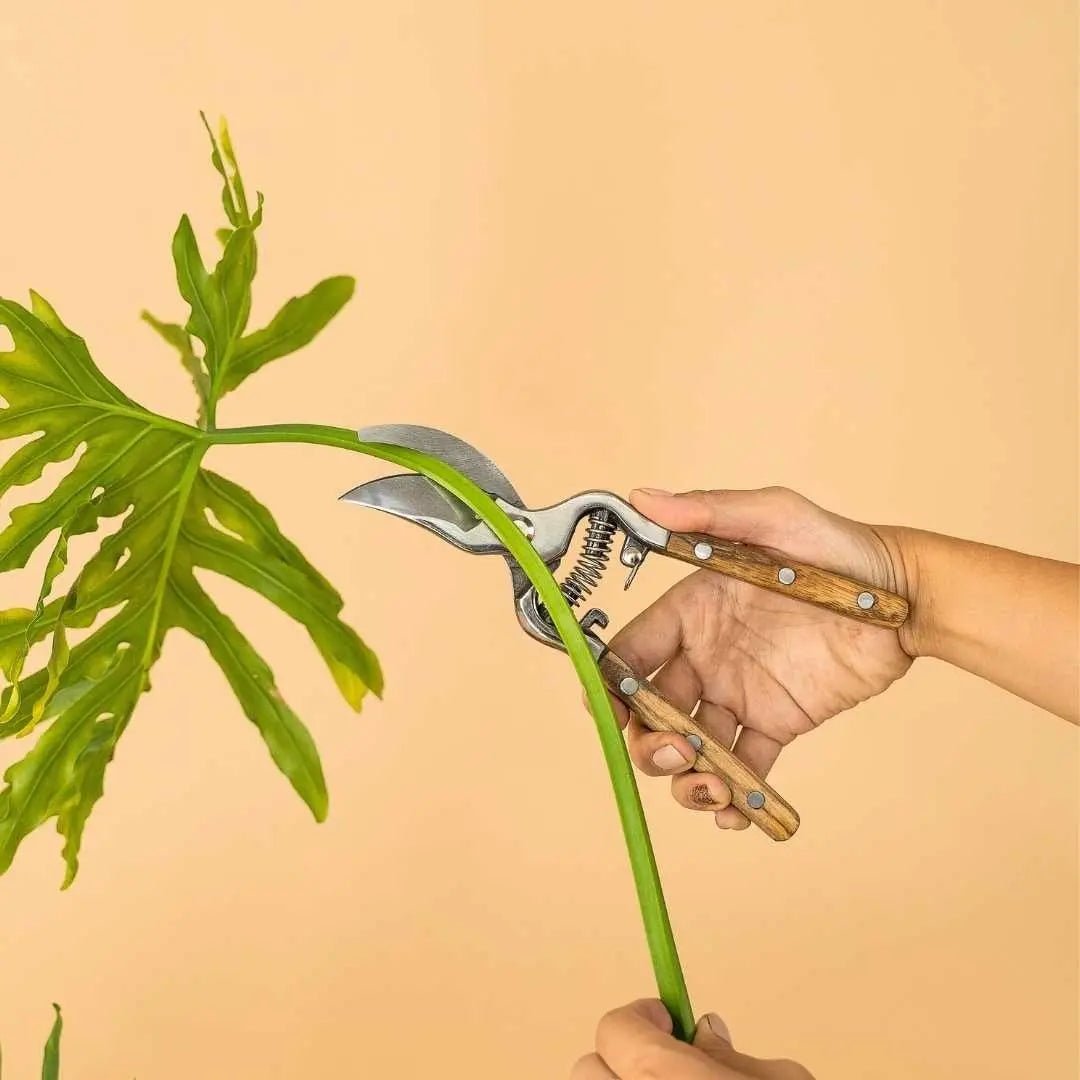
- Clean, sharp scissors or pruning shears
- Optional: rooting hormone (speeds root development but is not necessary)
Step-by-Step Guide
Step 1: Choose the Right Cutting
Select a healthy stem with:
- At least one node (essential — roots grow from nodes, not random stem tissue)
- 1-3 leaves above the node
- No signs of disease, pest damage, or rot
- Mature growth (not a brand-new, fragile shoot)
Step 2: Make the Cut
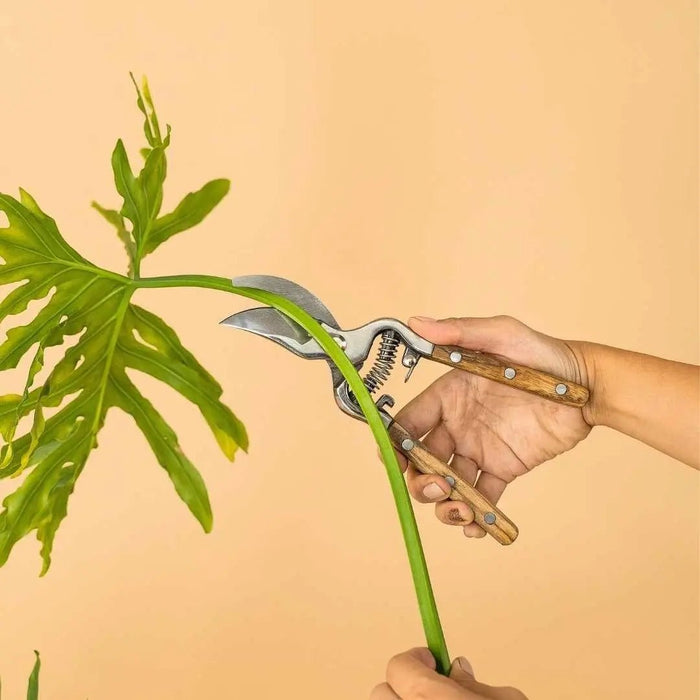
- Cut 1-2cm below a node using clean, sharp scissors
- Make a clean, angled cut (45 degrees) to maximise the surface area exposed to water
- Remove any leaves that would be submerged — submerged leaves rot and contaminate the water
Step 3: Place in Water
- Fill a clean jar with room-temperature water
- Submerge the node(s) completely — this is where roots will grow
- Keep leaves above the waterline
- Place in bright indirect light (not direct sun, which promotes algae growth)
Step 4: Wait and Maintain
- Change the water every 5-7 days (or when it becomes cloudy)
- Top up water as it evaporates — keep nodes submerged
- Watch for root development: small white bumps appear first, then extend into roots
- Do not disturb the cutting unnecessarily — let it root in peace
Step 5: Transfer to Soil
- Wait until roots are 5-8cm long (longer roots establish faster in soil)
- Prepare a small pot with moist, well-draining soil
- Create a hole in the soil and gently insert the rooted cutting
- Press soil around the roots firmly but gently
- Water thoroughly
- Keep in bright indirect light for 1-2 weeks while the roots adapt from water to soil
Best Plants for Water Propagation

Pothos (Epipremnum aureum)
Rooting time: 1-2 weeks
Difficulty: Beginner — the easiest plant to water-propagate
Tips: Cut below a node with an aerial root nub for even faster rooting. Almost impossible to fail.
Monstera deliciosa
Rooting time: 2-4 weeks
Difficulty: Easy
Tips: Choose a cutting with at least one node and one leaf. A cutting with an existing aerial root will root faster. Use a larger jar — Monstera cuttings are substantial.
Philodendron (Heartleaf, Brasil, etc.)
Rooting time: 1-3 weeks
Difficulty: Easy
Tips: Similar to Pothos — nodes root quickly in water. Multiple cuttings in one jar creates a full plant faster when potted together.
Syngonium (Arrowhead Plant)
Rooting time: 1-3 weeks
Difficulty: Easy
Tips: Roots emerge reliably from nodes. Choose cuttings with a visible node bump.
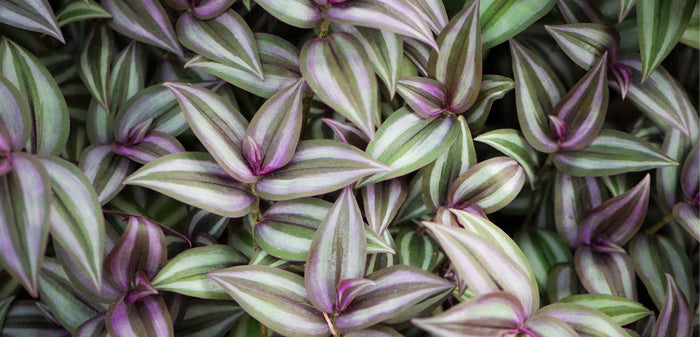
Tradescantia (Wandering Jew/Dude)
Rooting time: 3-7 days
Difficulty: Beginner — one of the fastest rooters
Tips: Practically roots if you look at it sternly. Multiple cuttings in a jar creates a full display quickly.
Spider Plant (Chlorophytum)
Rooting time: 1-2 weeks (from baby plantlets)
Difficulty: Beginner
Tips: Cut baby plantlets from the mother plant's stolons and place the base in water. Roots develop from the existing root nubs quickly.
Begonia
Rooting time: 2-4 weeks
Difficulty: Moderate
Tips: Stem cuttings with nodes root in water. Some Begonias can also root from leaf cuttings placed in water, though this is slower and less reliable.
Dracaena
Rooting time: 2-4 weeks
Difficulty: Easy
Tips: Stem sections (canes) and top cuttings both root in water. For canes, note which end was up — orientation matters.
Tips for Faster Rooting
Warm water. Warmer water (room temperature, not cold) speeds root development. Singapore's ambient temperatures naturally provide warm water — do not refrigerate or use cold tap water.
Bright indirect light. Light fuels the cutting's energy for root production. Place jars in a bright spot but out of direct sun (direct sun heats the water and promotes algae).
Change water regularly. Fresh water provides dissolved oxygen that roots need. Stagnant water depletes oxygen and promotes bacterial growth.
Use a dark or opaque container. While clear glass is great for monitoring roots, dark containers reduce algae growth. A compromise: use clear glass for monitoring and wrap the lower portion with paper or move to a darker spot once roots are established.
Rooting hormone (optional). Dipping the cut end in rooting hormone before placing in water can speed root initiation by 30-50%. Not necessary for easy-rooting species but helpful for slower ones.
Smaller jars for small cuttings. A tiny cutting in a large jar may not receive enough hormonal concentration in the water to stimulate rooting efficiently. Match jar size to cutting size.
Common Mistakes

Submerging leaves. Leaves underwater rot, contaminating the water and potentially killing the cutting. Remove all leaves below the waterline.
Not cutting at a node. A cutting without a node will not root — it lacks the cellular machinery to produce roots. Always cut below a node.
Forgetting to change water. Unchanged water becomes stagnant, depleted of oxygen, and a breeding ground for bacteria. Change every 5-7 days.
Waiting too long to transfer. Very long water roots (15cm+) become adapted to water and struggle to transition to soil. Transfer at 5-8cm for the smoothest transition.
Direct sunlight on the jar. Direct sun overheats the water and promotes algae growth. Both harm the cutting. Bright indirect light is ideal.
Giving up too early. Some plants take 4-6 weeks to show root development. If the cutting looks healthy (not mushy or brown), keep waiting. Patience is part of propagation.
Living in Water Permanently
Some plants can live permanently in water:
- Pothos — grows indefinitely in water with occasional liquid fertiliser
- Lucky Bamboo (Dracaena sanderiana) — the classic water plant
- Philodendron — grows well in water long-term
- Spider Plant — can live in water permanently
For permanent water growing: Add a few drops of liquid fertiliser to the water monthly, as water alone lacks the nutrients soil provides. Change water regularly to prevent stagnation.
Shop Plants to Propagate
Browse our indoor plant collection for healthy parent plants delivered across Singapore. Every plant in your collection is a potential source of dozens of free new plants — and water propagation is the simplest way to start.
Water propagation turns one plant into many, costs nothing, and teaches you more about how plants grow than any care guide can. The first time you see roots emerge from a bare node in a jar of water, you understand — viscerally — that plants are alive, adaptive, and remarkable. Start with a Pothos cutting. Once you see those first roots, you will never stop propagating.
Quick summary
Key Takeaways
- How Water Propagation Works
- What You Need
- Step-by-Step Guide
- Best Plants for Water Propagation
- Tips for Faster Rooting
- Common Mistakes
Ready to bring some green into your home?
Browse 250+ hand-picked plants, curated for Singapore homes — delivered to your door.
Browse All Plants →