






















How to Repot a Plant Without Killing It: A Step-by-Step Guide
Posted on April 16 2026
In this article
Thumbnail image spec (1200x628px): Hands lifting a root-bound plant from a terracotta pot onto a newspaper-covered surface, bright natural light; text overlay: "How to Repot a Plant — Tumbleweed Plants Singapore"

---
Repotting is one of those tasks that plant owners either do too rarely (leaving plants root-bound and struggling) or too eagerly (stressing a plant that was perfectly happy where it was). Getting it right means knowing when your plant actually needs a new home, how to move it without causing stress, and what to do after.
This guide covers the whole process from start to finish — with notes specific to growing in Singapore's tropical climate, where heat and humidity affect everything from how quickly soil dries to how fast roots recover.
---
When Does a Plant Actually Need Repotting?
The most common repotting mistake is doing it on a calendar schedule rather than reading the plant's actual signals. Repot when you see:
1. Roots emerging from drainage holes
The clearest sign. When roots are actively pushing out the bottom, the plant has outgrown its container.
2. Roots circling visibly at the surface
Gently loosen the top inch of soil. If you see a dense mat of circling roots near the surface, it's time.
3. Water runs straight through without absorbing
When the pot is so root-bound that there's almost no soil left, water has nowhere to go and drains straight through without the roots being able to absorb it.
4. Plant toppling over
A large plant in a too-small pot becomes top-heavy and unstable. This is both a repotting signal and a safety issue for taller plants.
5. Very slow or stalled growth during the growing season
If a plant that grew vigorously has stopped producing new leaves entirely, it may be pot-bound and depleted of nutrients. In Singapore where plants grow year-round, "stalled" means stalled in any month — not just during a traditional growing season.
What is NOT a sign it needs repotting:
- It's been one year since the last repot (some plants are happy for 2–3+ years)
- It looks slightly cramped but is growing and producing new leaves
- You just bought it (wait 2–3 months before repotting a new plant to let it acclimate)
---
When to Repot (Timing)

Best time: Spring — the beginning of the active growing season
Repotting in spring means the plant immediately has warm temperatures, longer days, and its natural growth impulse working in its favour as it adjusts to a new container.
Second-best time: Summer — still active growing season
Avoid repotting in fall or winter. Plants in their dormant or slow-growth period are less able to recover from root disturbance. Repotting in winter stresses the plant at exactly the wrong time.
Singapore context: In Singapore there is no true dormant season. Our consistent warmth (25–33°C year-round) means plants are in active or semi-active growth all 12 months. You can repot at almost any time of year — though avoiding the hottest part of the day and giving the plant a few days of recovery in a slightly shadier spot than usual is still good practice after repotting.
Exception: If a plant is severely root-bound or showing signs of root rot, repot immediately regardless of timing. A stressed plant in the wrong pot is worse than the stress of a repot.
---
What Size Pot to Use
Go up by 1–2 inches in diameter, not more.
This is the most important sizing rule. A pot that's too large holds excess soil that stays wet around the roots (since the roots can't absorb all the moisture), leading to root rot.
If your plant is in a 4" pot, move it to a 6" pot. If it's in a 6", move to an 8". Not to a 12".
The only exception: very large plants that are clearly severely root-bound may benefit from going up 2–3 inches. But even then, don't oversize.
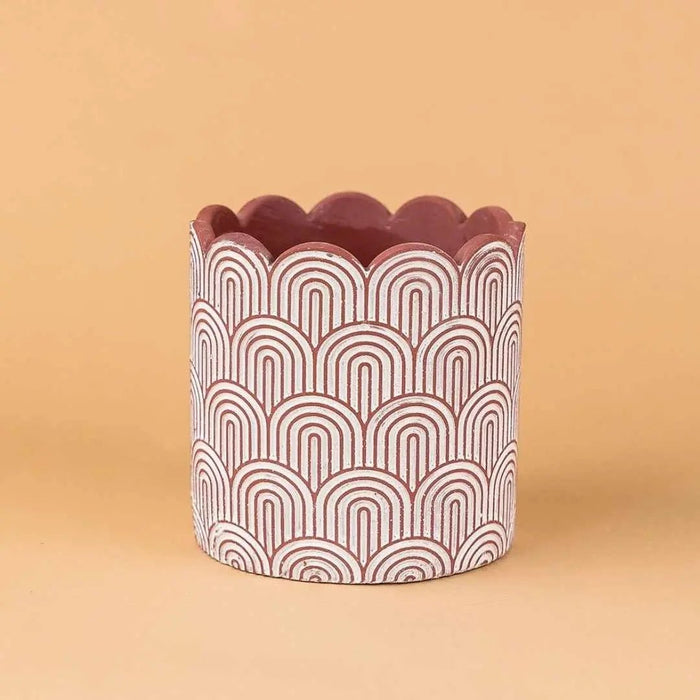
Always use a pot with drainage holes. Without drainage, water accumulates at the bottom no matter how carefully you water, and root rot is almost inevitable — especially in Singapore's humidity.
---
What You'll Need
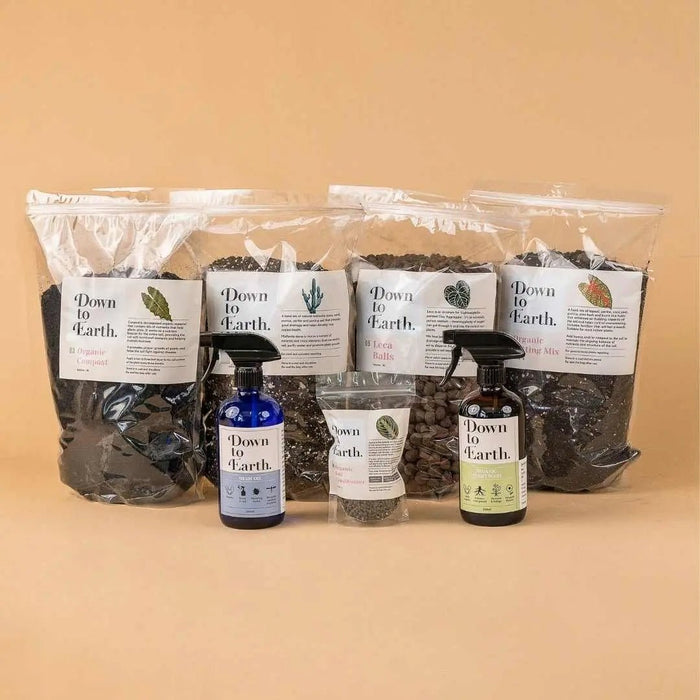
- New pot (1–2 inches larger, with drainage holes)
- Fresh potting mix appropriate for the plant type
- Perlite or other drainage amendment (for most tropical plants)
- A trowel or soil scoop
- Gloves (recommended, especially for plants with irritating sap like ficus or euphorbias)
- A tarp, newspaper, or work surface that can get dirty
---
Step-by-Step: How to Repot
Step 1: Water the plant 1–2 days before
Moist soil holds together better than dry soil when you're removing a root ball. Watering the day before makes the whole process cleaner and less traumatic for the roots.
Step 2: Prepare the new pot
Add a small layer of fresh potting mix to the bottom of the new pot — enough that when you place the root ball on top, the top of the soil will sit about an inch below the rim of the pot (leaving room for watering).
Step 3: Remove the plant from its current pot
Turn the pot sideways and gently squeeze the sides if it's plastic, or run a knife or chopstick around the inside edge if it's a rigid pot. Support the base of the plant with one hand as you ease it out. If it's stubborn, tap the bottom of the pot firmly.
Don't yank from the stems — you risk snapping them or pulling the plant away from its roots.
Step 4: Inspect the roots
Look at the root ball before placing it in the new pot:
- Healthy roots: Firm, white to tan, spread through the soil
- Root-bound: Densely circling, brown, tightly coiled. Gently loosen these with your fingers — untangle what you can without tearing excessively
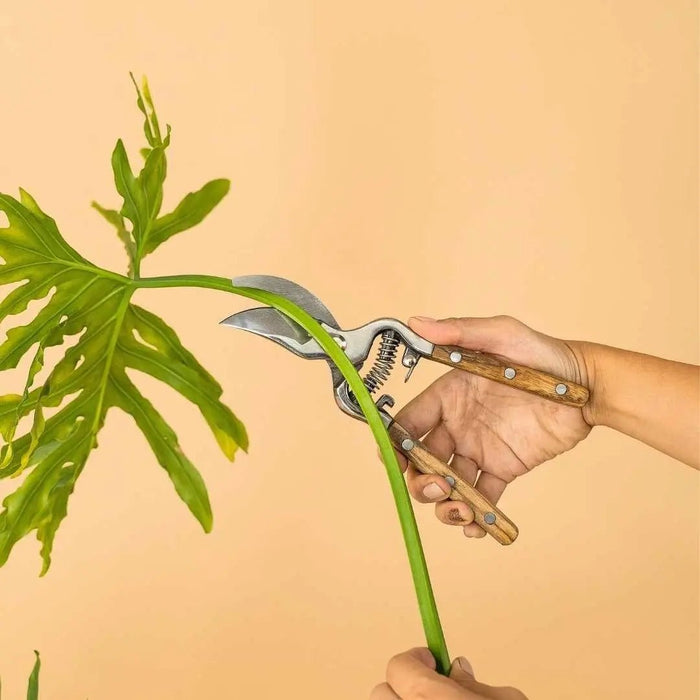
- Rotted roots: Brown or black, soft, mushy, possibly smelling sour. Cut these away with clean, sterilized scissors before repotting
- Compacted soil: Old, dense potting mix that has broken down. Gently shake or brush some of it away — you don't need to remove all of it, just the most compacted sections
Step 5: Place the plant in the new pot
Set the root ball on top of the soil layer you added. The top of the root ball should sit about 1 inch below the rim of the new pot. Add or remove soil from the bottom layer to adjust height.
Step 6: Fill in around the root ball
Add fresh potting mix around the sides, gently pressing it in to eliminate large air pockets. Don't pack it too tightly — roots need some air circulation.
Fill to about 1 inch below the rim of the pot (to allow room for watering without overflow).
Step 7: Water thoroughly
Water slowly and thoroughly until water runs from the drainage holes. This settles the soil around the roots and hydrates them after the disturbance of the move.
---
After Repotting: What to Expect

Some wilting or drooping is normal in the first 1–2 weeks. The roots have been disturbed and the plant is adjusting. Keep it in its usual spot (or slightly shadier while it recovers), water normally, and be patient.
Don't fertilize immediately. Fresh potting mix contains nutrients. Adding fertilizer right after repotting can burn stressed roots. Wait 4–6 weeks before resuming your fertilizing schedule.
Avoid moving the plant. Give it at least 2–4 weeks in its post-repot location before moving it elsewhere.
Singapore note: In our heat, post-repot wilting can look more dramatic than in cooler climates. If you repotted outdoors in direct sun, move the plant to a shaded spot for the first week. Recovery is usually quick — Singapore's warmth actually speeds up root establishment.
---
Special Cases
Succulents and cacti: Use a fast-draining cactus/succulent mix. After repotting, wait 3–5 days before watering to allow any damaged root ends to callous. This reduces rot risk.
Orchids: Orchids use bark-based mix, not soil. Repot when the bark has broken down (typically every 2–3 years). Remove all old bark from the roots and trim dead roots before placing in fresh bark.
Large plants: If you can't easily unpot a large floor plant, top-dressing is an alternative — remove the top 2–3 inches of old soil and replace with fresh mix. This refreshes nutrients without full repotting.
---
Quick summary
Key Takeaways
- When Does a Plant Actually Need Repotting?
- When to Repot (Timing)
- What Size Pot to Use
- What You'll Need
- Step-by-Step: How to Repot
- After Repotting: What to Expect
Ready to bring some green into your home?
Browse 250+ hand-picked plants, curated for Singapore homes — delivered to your door.
Browse All Plants →