
















How to Style a Plant Collection Without Clutter | Tumbleweed Plants Singapore
Posted on April 16 2026
 In this guide
Shop plants
457 in the collection · Free delivery above $99
In this guide
Shop plants
457 in the collection · Free delivery above $99
In this article
There is a moment in every plant parent's journey when the collection crosses from "curated greenery" to "the plants have taken over." The dining table disappears under pots. The windowsill is a jungle. The floor has more plants than walking space. The collection grew one purchase at a time, and suddenly the home looks less like a designed space and more like a nursery stockroom.
This is not about having too many plants — it is about how they are arranged. A home with 50 well-placed plants can look spacious and intentional. A home with 15 poorly placed plants can look chaotic. The difference is styling.
The Principles
1. Every Plant Needs a Reason to Be Where It Is
Ask yourself for each plant: why is this one here? If the answer is "because there was a gap on the surface" or "because I just bought it and needed somewhere to put it," the placement is reactive, not intentional.
Intentional reasons:
- It fills an empty corner that needed visual weight
- It softens a hard architectural line
- It creates privacy or a zone boundary
- It adds colour or texture to a monochrome area
- It is the focal point of this vignette
If you cannot articulate a reason, the plant might belong elsewhere — or the collection might need editing.
2. Negative Space Is Not Empty Space
The gaps between plants are as important as the plants themselves. Negative space gives each plant room to be seen individually and prevents the visual weight from becoming overwhelming.
Rule of thumb: Aim for 30-40% negative space in any plant display. A shelf that is 60% plants and 40% open feels curated. A shelf that is 100% plants feels like storage.
3. Groups of Three
Odd-numbered groupings (3, 5, 7) look more natural and visually pleasing than even numbers. When arranging multiple plants in one area, group them in threes with varying heights, sizes, and textures.
4. Vary the Heights
A row of plants all at the same height is monotonous. Create visual rhythm by varying heights:
- Use plant stands at different levels
- Combine tall floor plants with medium table plants and small shelf plants
- Stack books or platforms under pots to create elevation differences
- Mix hanging plants (overhead) with floor plants (ground level)
5. Repeat With Variation
Use the same pot style in different sizes, or the same plant type in different positions. Repetition creates cohesion; variation prevents boredom.
Example: Three terracotta pots in small, medium, and large — the material ties them together while the sizes create visual interest.
Common Clutter Patterns (and Fixes)
The Windowsill Jungle
Problem: Every windowsill in the home is packed with small pots, creating a visual wall of random greenery.
Fix:
- Limit windowsill plants to 3-5 per window, with gaps between them
- Use matching or coordinating pots for cohesion
- Move excess plants to shelves, stands, or other positions
- Choose plants of different heights and shapes rather than all-similar small pots
The Surface Takeover
Problem: Every horizontal surface — tables, desks, counters, shelves — has accumulated plants, leaving no functional space.
Fix:
- Designate plant zones and non-plant zones. The dining table is for eating. The kitchen counter is for cooking. Not every surface needs a plant.
- Move plants to dedicated plant areas: a plant shelf, a plant stand cluster, a window garden
- Go vertical: use wall-mounted planters, hanging plants, and tall stands to free up surfaces
The Floor Forest
Problem: Large floor plants accumulate until they obstruct walking paths and make rooms feel smaller.
Fix:
- Limit floor plants to corners and designated positions
- Keep walkways completely clear
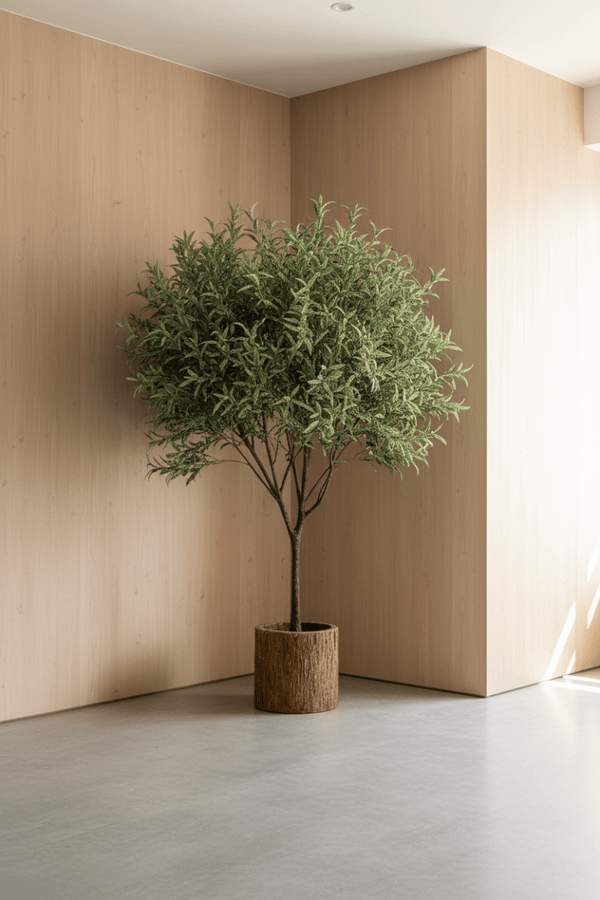
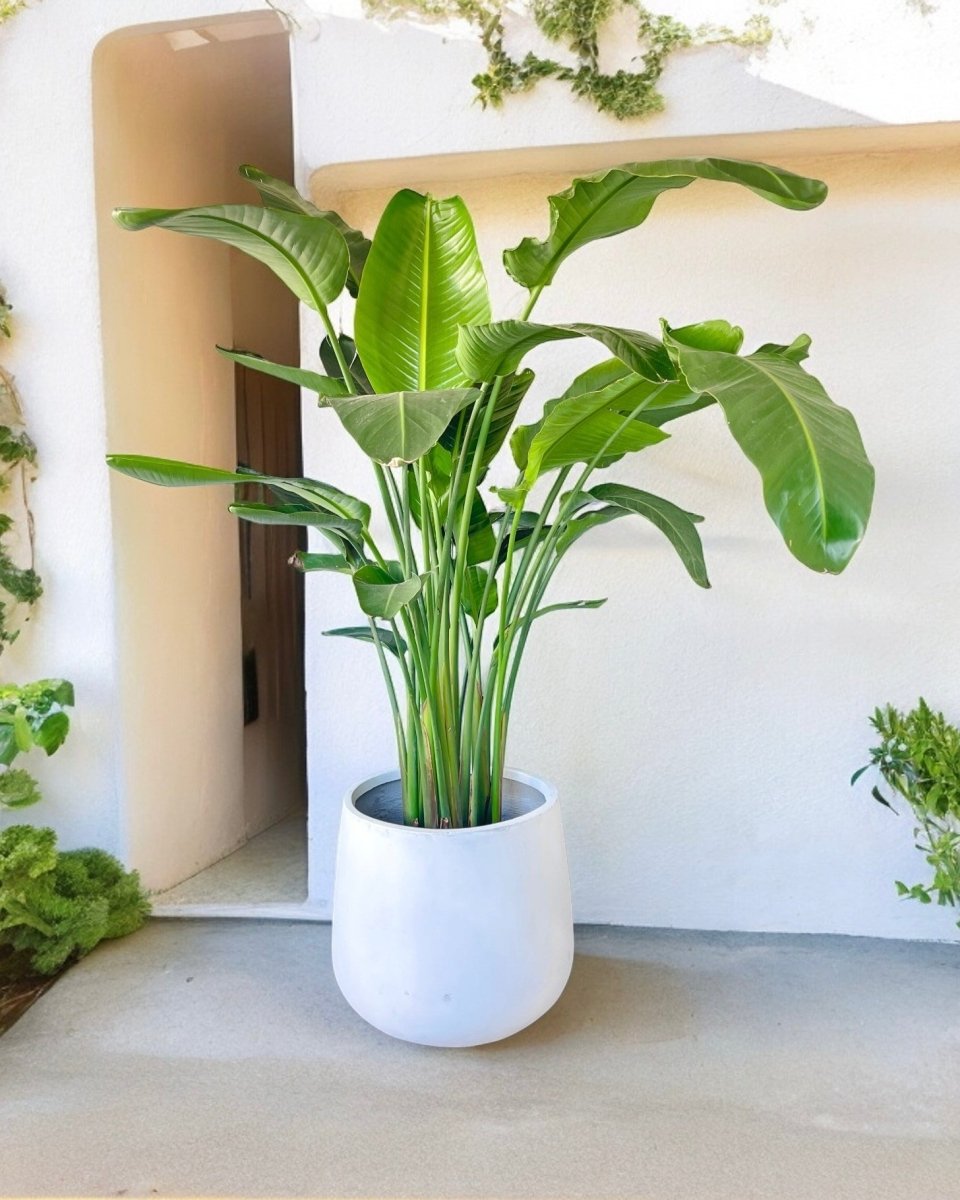
- One large statement plant per room is usually sufficient — two at most
- Group floor plants in one area rather than scattering them around the room
The Random Pot Collection
Problem: Pots are in every colour, material, style, and era — acquired one at a time with no cohesive vision.
Fix:
- Audit your pots. Remove any that are chipped, damaged, or actively ugly
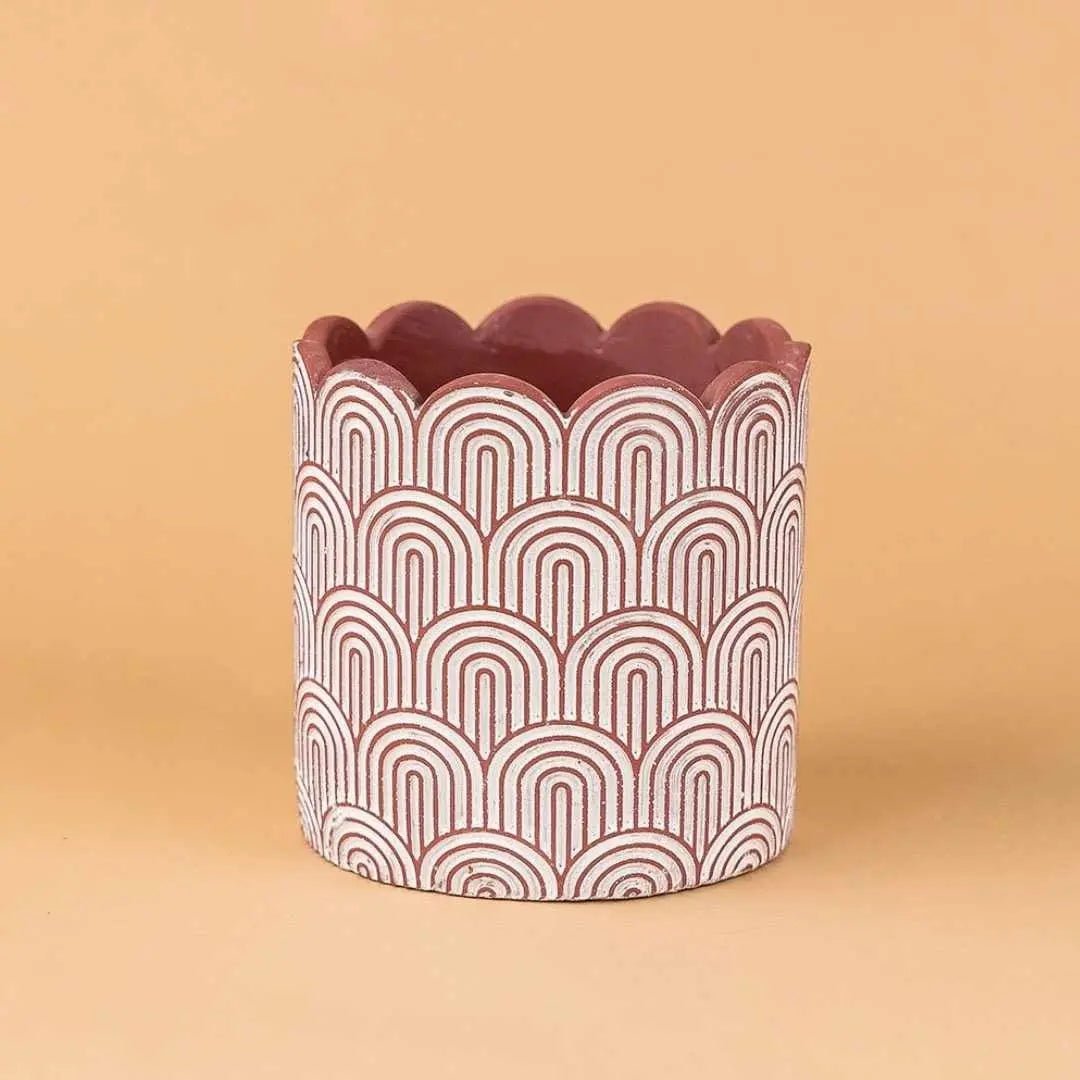
- Choose a pot palette: 2-3 materials or colours that work together
- Replace outliers gradually — you do not need to do it all at once
- Match the pot palette to your home's existing decor and colour scheme
Styling Techniques
The Vignette
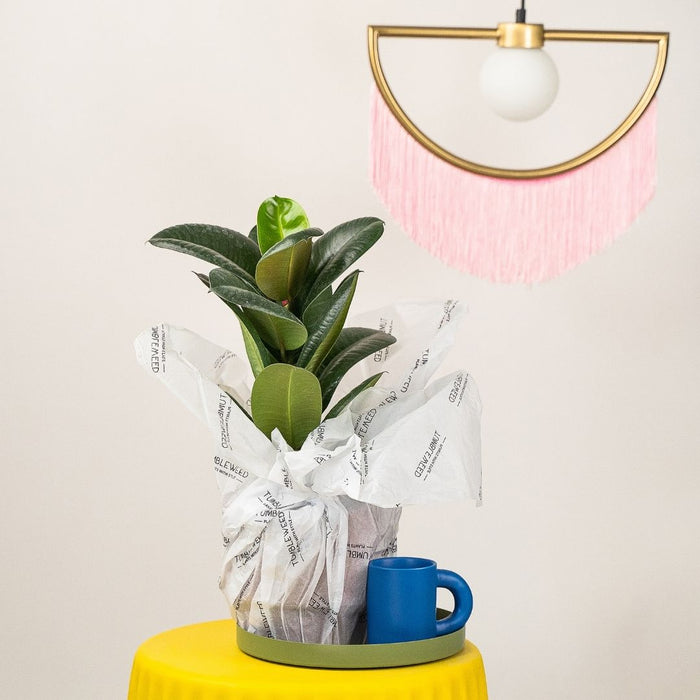
A vignette is a small, intentional grouping of items — plants and non-plant objects — that creates a mini scene.
How to build a plant vignette:
- 1. Start with one plant as the anchor (the tallest or most visually striking)
- 2. Add a second plant in a contrasting size, shape, or colour
- 3. Add one non-plant item (a book, a candle, a small sculpture, a ceramic object)
- 4. Ensure the items vary in height
- 5. Leave breathing room between items
Where vignettes work: Side tables, console tables, bookshelves, nightstands, bathroom counters.
The Green Corner
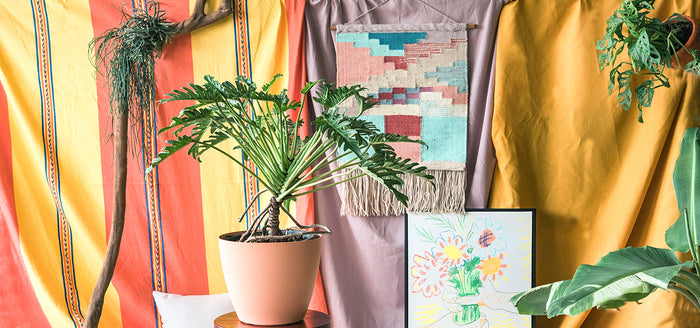
Dedicate one corner of a room as the plant zone. Cluster plants at different heights:
- One tall floor plant (back)
- One medium plant on a stand (mid)
- One or two small plants on a low surface or the floor (front)
- One trailing plant from a wall hook or high shelf (overhead)
The density is intentional — it is contained to one zone, leaving the rest of the room spacious.
The Feature Wall
One wall (or section of wall) with a shelving unit or floating shelves dedicated to plants. This concentrates the collection visually and creates a statement feature.
Keys to success:
- Use consistent pot styles
- Mix trailing and upright plants
- Include non-plant items for variety
- Leave 30-40% of shelf space open
- Ensure adequate light (supplemental grow lights may be needed for walls far from windows)
The Trailing Curtain
High-mounted trailing plants (Pothos, String of Hearts, Spider Plant) creating a cascading green effect from ceiling level. This adds plant presence without consuming any floor or surface space.
Editing Your Collection
Sometimes the solution is not better styling — it is fewer plants. This is hard for plant lovers to hear, but:
- Plants you no longer enjoy — styles change, preferences evolve. It is okay to give away a plant that no longer excites you.
- Plants that are consistently struggling — a plant that never thrives in your conditions is consuming care energy without rewarding it. Rehome it to someone with better conditions.
- Duplicate species — Do you need three Pothos? One, strategically placed, might have more impact than three scattered randomly.
- Plants in nursing mode — That half-dead rescue project that has been sitting in the bathroom for six months? Decide: commit to recovery or let it go.
Where to rehome: Plant swap groups, Carousell, friends, colleagues, or community plant giveaway events.
Shop Plants
Browse our indoor plant collection for statement plants delivered across Singapore.
The goal is not minimalism — it is intentionality. You can have 50 plants and a home that feels spacious, calm, and designed. You can also have 10 plants and a home that feels cluttered. The difference is not the number — it is the placement, the grouping, the pot cohesion, and the breathing room. In Singapore, where HDB flats and condos put a premium on every square metre, intentional styling is not optional — it is what makes a plant collection an enhancement rather than an encroachment. So step back. Look at your space as a visitor would. Does each plant enhance its position? Does the overall effect feel curated or accumulated? If it feels accumulated, you do not necessarily need fewer plants. You need better positions, better groupings, and the willingness to leave some surfaces beautifully, intentionally empty.
Quick summary
Key Takeaways
- The Principles
- Common Clutter Patterns (and Fixes)
- Styling Techniques
- Editing Your Collection
- Shop Plants
Ready to bring some green into your home?
Browse 250+ hand-picked plants, curated for Singapore homes — delivered to your door.
Browse All Plants →Shop plants
View all 457-
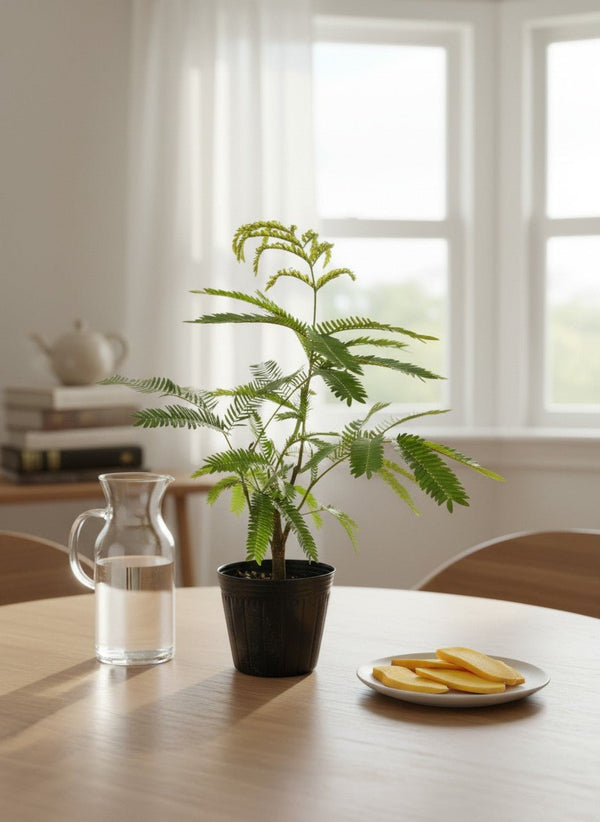
 Everfresh Little Tree - Pithecellobium Confertum Japan
$55
Everfresh Little Tree - Pithecellobium Confertum Japan
$55$95 -
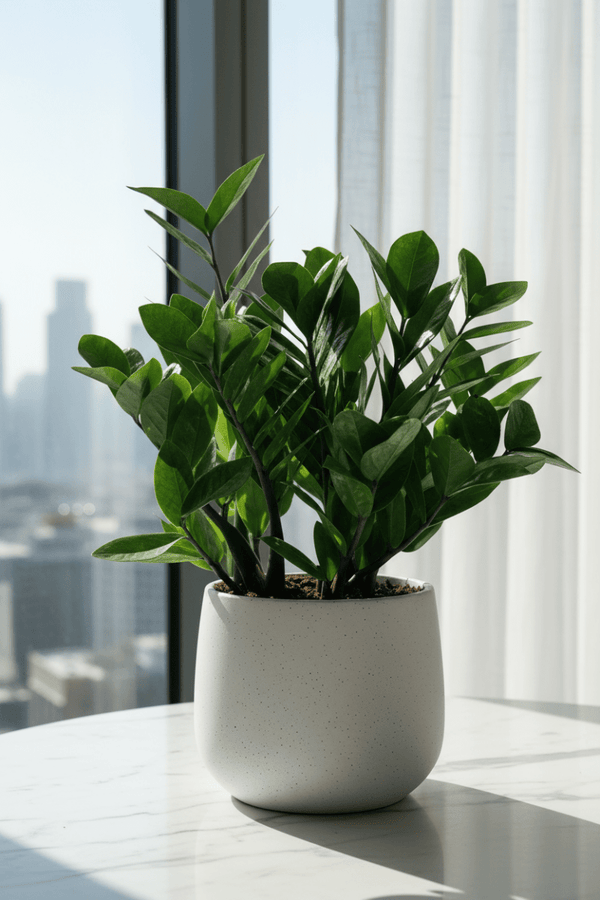
 ZZ Plant - Medium
$18
ZZ Plant - Medium
$18$28 -
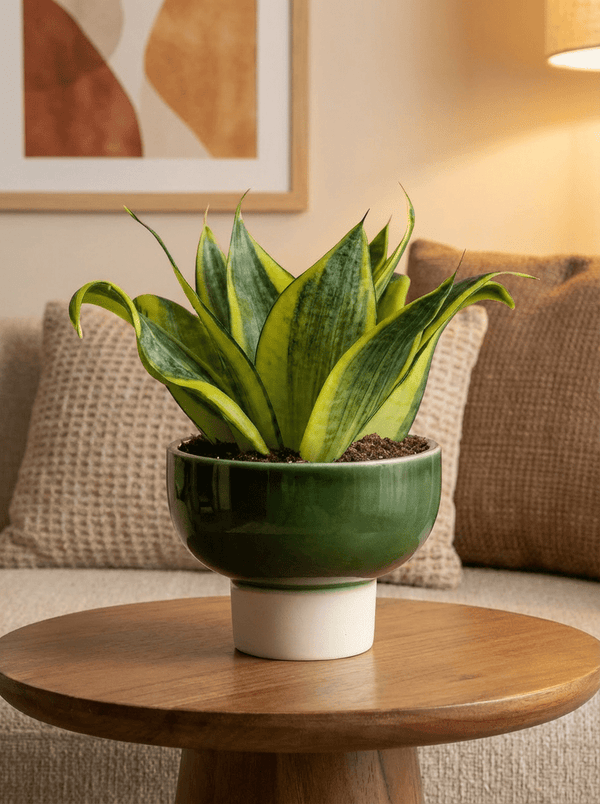
 Sansevieria Trifasciata ‘Golden Hahnii’
$12
Sansevieria Trifasciata ‘Golden Hahnii’
$12$22 -
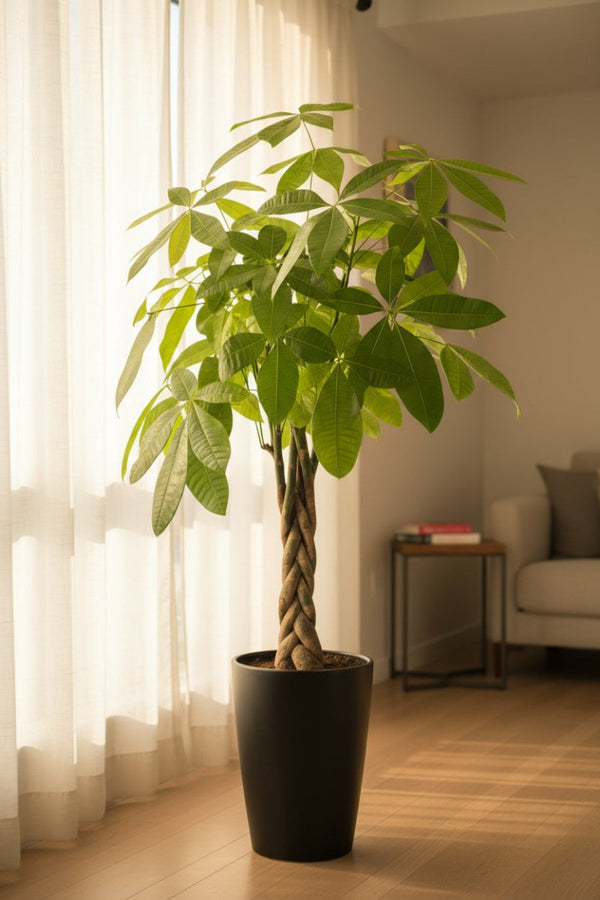
 Money Tree Mini
$20
Money Tree Mini
$20$30


Hand-delivered by our delivery team. Pick your delivery date at checkout.