

















Rubber Tree Care in Singapore: How to Grow Ficus Elastica Indoors
Posted on August 13 2026
Rubber Tree (Ficus elastica) is one of the most rewarding indoor statement plants for Singapore homes: glossy leaves, upright growth and a calm sculptural shape that works in living rooms, offices and bright corners. The key is not complicated care — it is giving the plant enough filtered light, watering only when the mix has partly dried, and keeping the leaves clean so they can photosynthesise well indoors.
Quick care summary
- Light: bright, indirect light; a bright window with sheer curtains is ideal.
- Water: water thoroughly, then let the top few centimetres of potting mix dry before watering again.
- Humidity: normal Singapore indoor humidity is usually enough; avoid blasting air-con directly at the leaves.
- Best for: plant parents who want a low-fuss, larger-leaf indoor plant with strong visual presence.
Table of contents
- Best light for Rubber Trees in Singapore
- How often to water Ficus elastica
- Potting mix, drainage and planter choice
- Common Rubber Tree problems
- FAQ
Best light for Rubber Trees in Singapore
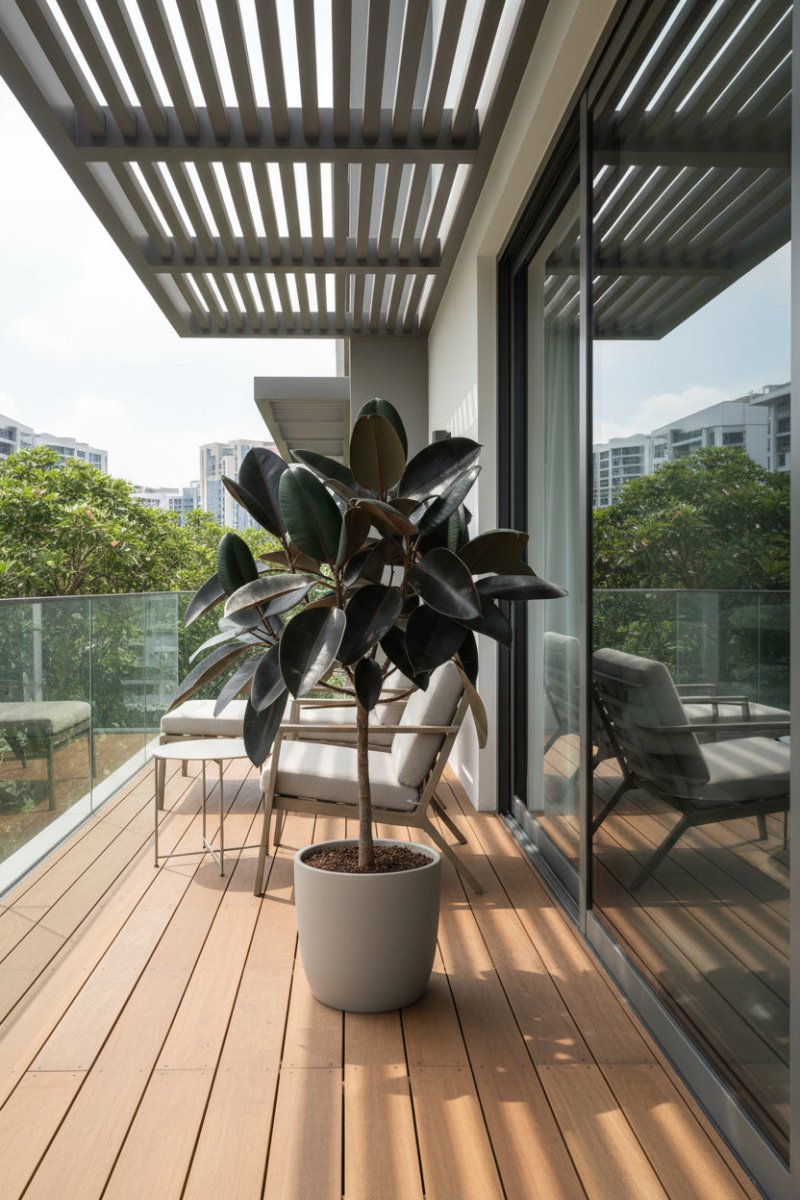
Rubber Trees grow best in bright, indirect light. In Singapore apartments, that usually means placing the plant near an east-facing window, beside a bright balcony door, or slightly set back from a strong west-facing window. A few hours of gentle morning light can help the plant stay compact and produce larger, glossier leaves.
If the leaves look dull, the stems stretch, or new growth becomes small and spaced out, the plant may need a brighter spot. If direct afternoon sun hits the leaves through glass and causes pale patches, move it back slightly or use a sheer curtain.

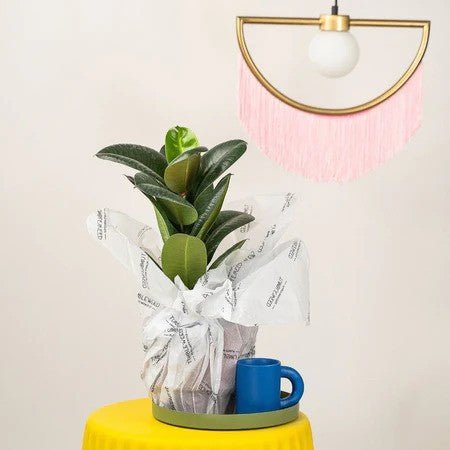
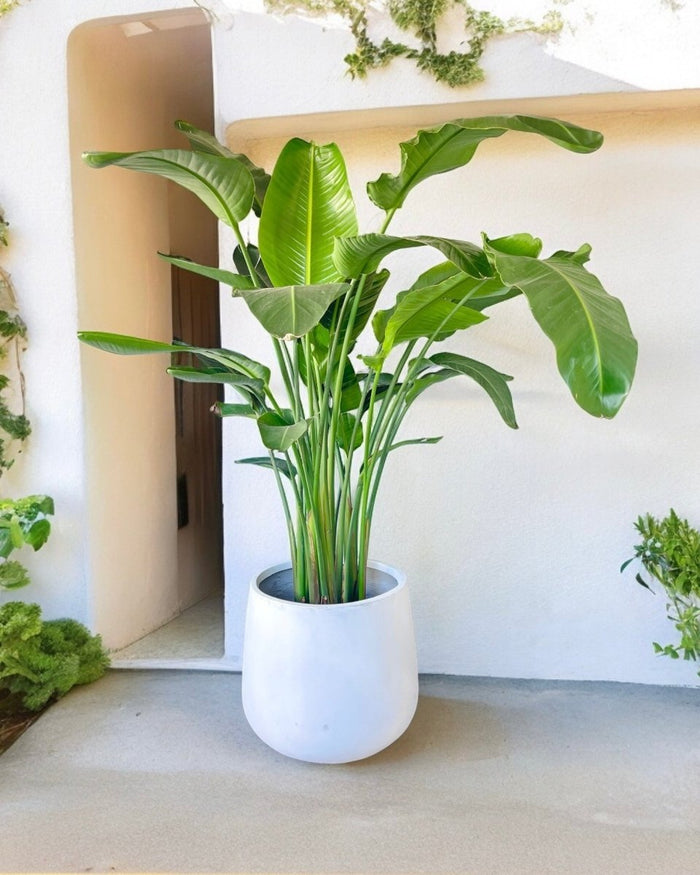
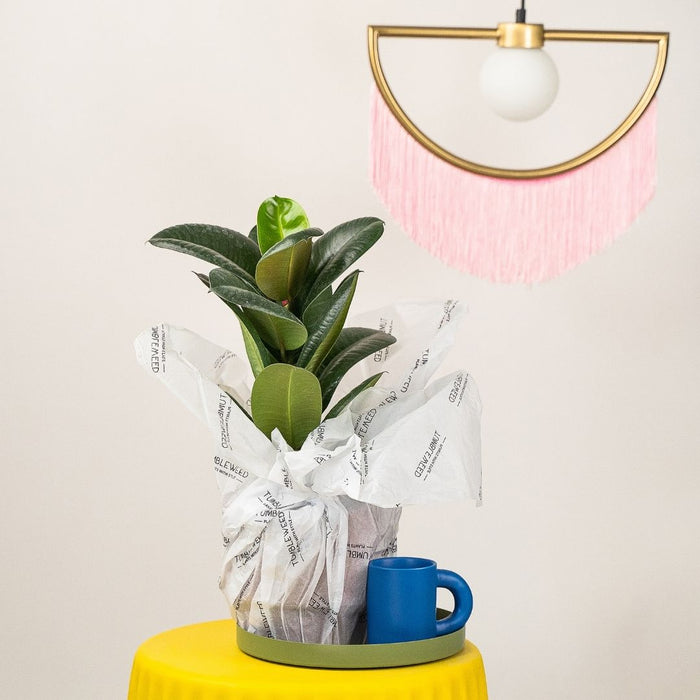
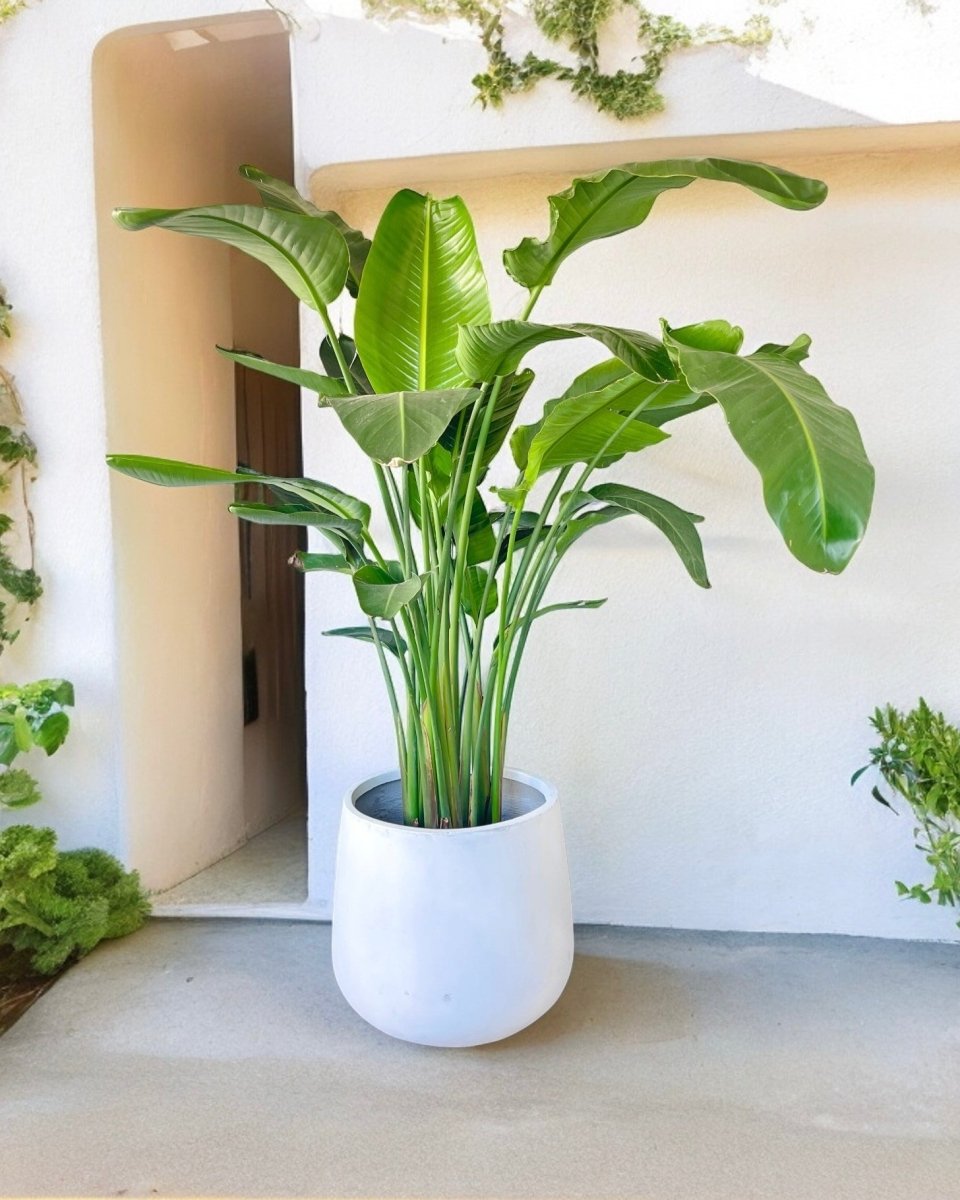
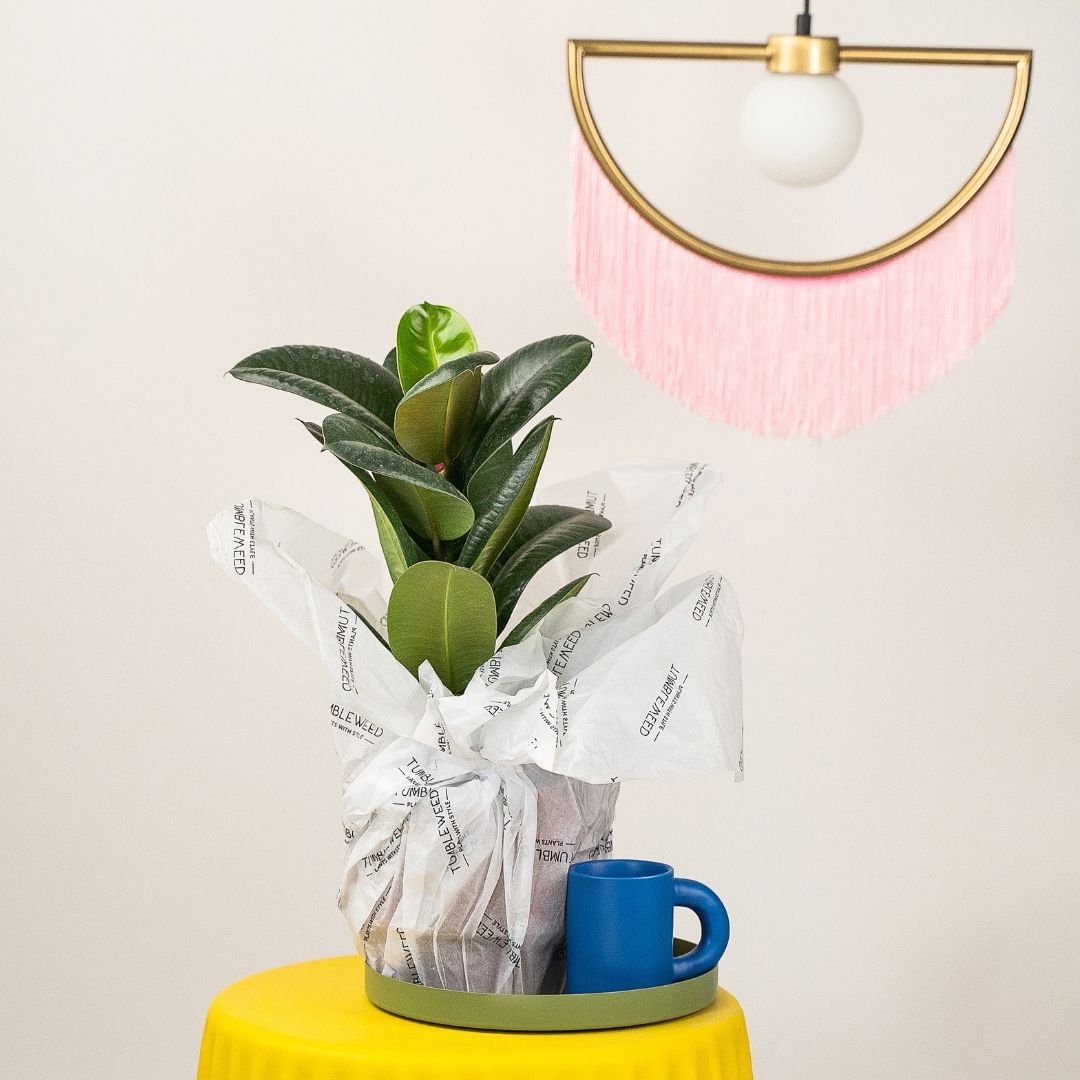
Featured plant: Ficus Elastica - Rubber Tree
Choose this if you want a hardy indoor tree with broad glossy leaves for a bright living room, study or office corner.
How often to water Ficus elastica
In Singapore, Rubber Trees often need water more frequently than in cooler climates, but the safest schedule is still based on the potting mix rather than the calendar. Check the top few centimetres with your finger or a moisture meter. If it still feels damp, wait. If it feels dry and the pot is noticeably lighter, water thoroughly until excess water drains out.
Do not leave the nursery pot sitting in water inside a decorative planter. Wet roots are the fastest way to stress a Ficus elastica, especially in warm indoor corners with limited airflow.
Potting mix, drainage and planter choice
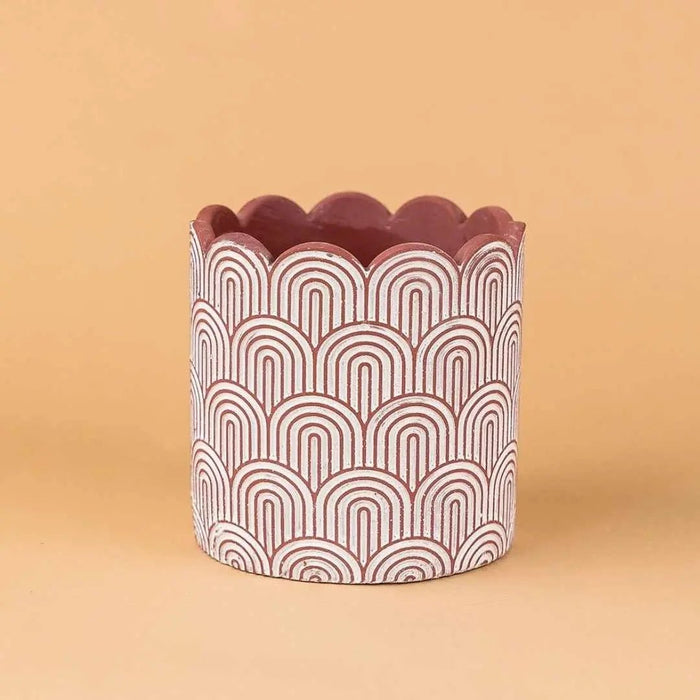
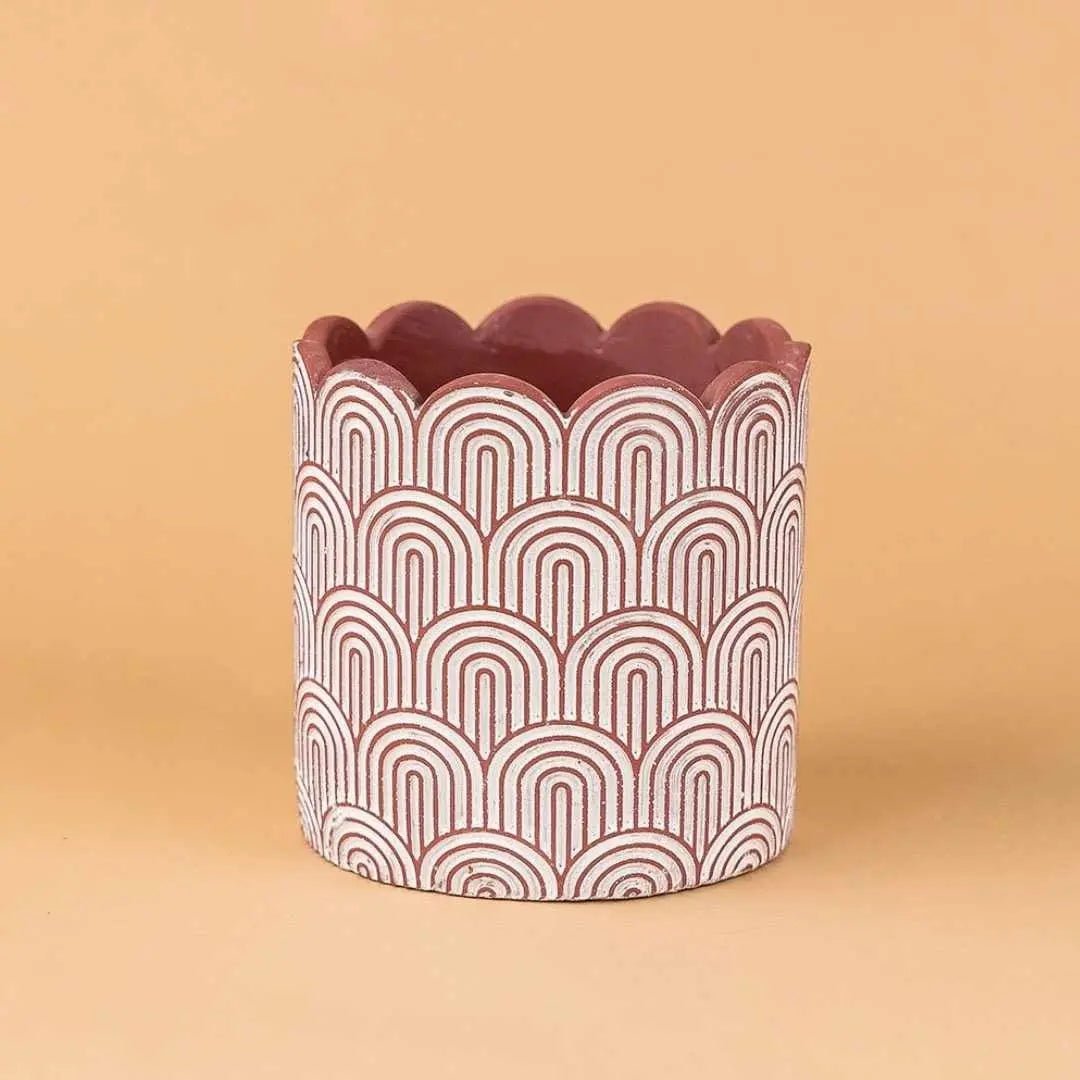
A Rubber Tree appreciates a chunky indoor potting mix that drains well while holding a little moisture. If you keep it inside a decorative pot, use the grow pot as the inner liner and remove standing water after watering. When the plant becomes top-heavy, choose a stable planter from our plant pots or planters collections so the tree sits securely.
Repot when roots circle heavily at the bottom, the plant dries out unusually fast, or growth slows despite good light. Move up only one pot size at a time; a pot that is much too large can hold too much moisture around the roots.
Common Rubber Tree problems
Lower leaves yellowing
One or two older lower leaves can naturally age out. Several yellowing leaves at once usually point to overwatering, poor drainage or a dark corner. Check the soil before adding more water.
Brown crispy edges
This can happen after inconsistent watering, strong direct sun or cold dry air from air-conditioning. Keep the plant away from direct AC airflow and water deeply when the mix is ready.
Dusty or dull leaves
Large Rubber Tree leaves collect dust quickly. Wipe both sides of the leaves gently with a damp cloth every couple of weeks. Clean leaves look better and help the plant use indoor light more efficiently.
Singapore home placement tips
- HDB and condo living rooms: place it close to the window, not in the darkest corner.
- Office corners: choose a spot with daylight; ceiling lights alone are usually not enough long term.
- Balcony-adjacent spaces: give bright filtered light, but protect the leaves from harsh afternoon scorch.
FAQ
Is Rubber Tree easy to care for in Singapore?
Yes. It is generally easier than many thin-leaf tropical plants because it tolerates normal indoor humidity and occasional drying between watering. The main requirement is bright indirect light.
Can Rubber Tree grow in low light?
It can survive for a while in medium light, but growth will be slower and leaves may become smaller. For best results, choose a brighter position or browse low light plants if your room is consistently shaded.
Is Ficus elastica suitable for homes with pets?
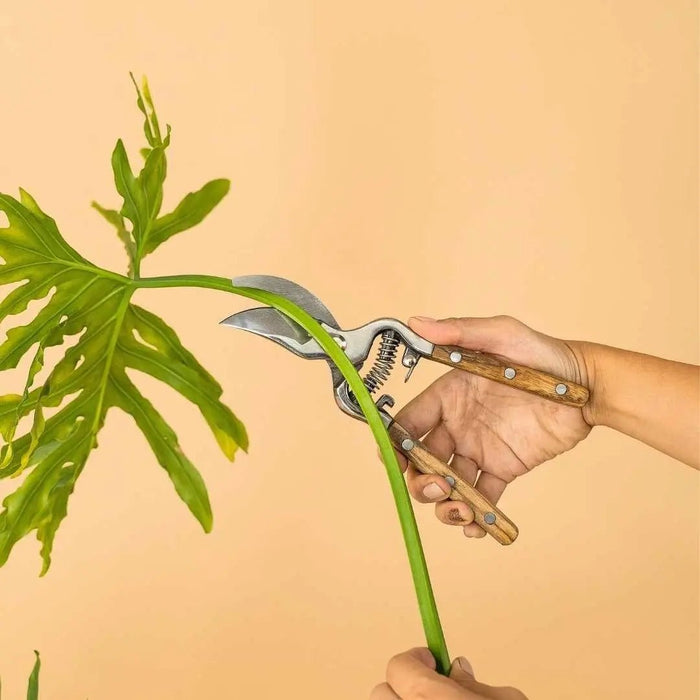
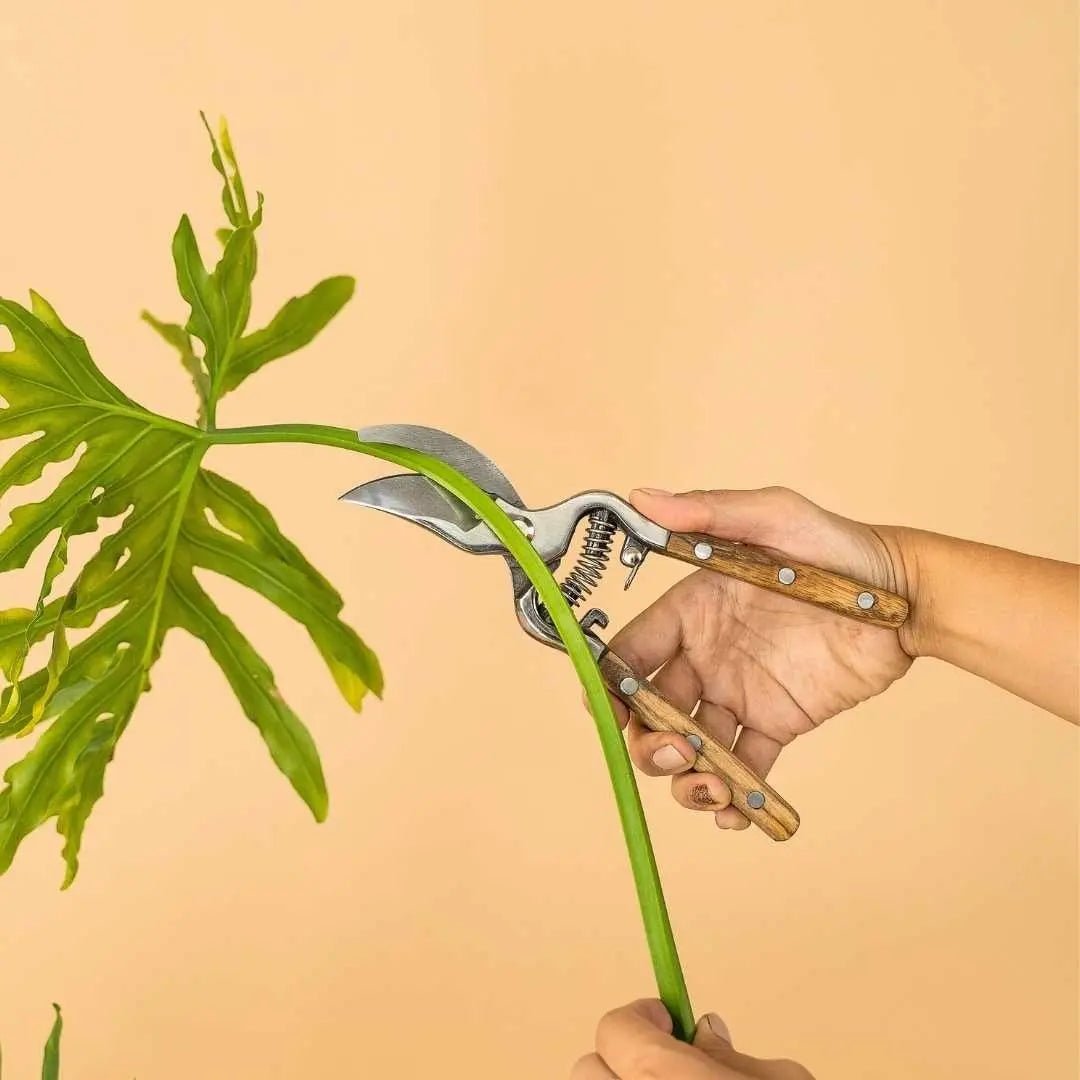
Rubber Tree sap can irritate pets and people if chewed or handled roughly. Keep it away from curious pets and children, and wash your hands after pruning.
Ready to build a brighter indoor corner?
Browse live indoor plants, planters and care tools selected for Singapore homes.