
















How to Treat Common Plant Pests in Singapore
Posted on April 09 2026
In this article

No matter how careful you are, pests will eventually find your plants. Singapore's tropical climate — warm, humid, and consistently above 25°C — creates ideal breeding conditions for most common houseplant pests. The good news is that nearly every pest problem is treatable if caught early.
This guide covers the six most common indoor plant pests in Singapore, how to identify them, and the most effective treatment options at each stage of infestation.
Prevention First
Before diving into specific pests, understand that prevention is always easier than treatment:
Quarantine new plants. Every new plant you bring home — from a nursery, an online order, or a friend's cutting — should spend two weeks isolated from your existing collection. Inspect it thoroughly before integrating it with other plants.
Inspect regularly. Check your plants every time you water. Flip leaves over. Look at stem joints. Peer into the soil surface. Early detection is the difference between dabbing three mealybugs with alcohol and treating an entire collection.
Maintain plant health. Healthy plants resist pests better than stressed ones. Proper watering, adequate light, and regular fertilising create a plant that can tolerate minor pest pressure without collapsing.
Keep things clean. Remove dead leaves from the soil surface. Wipe dust from leaves monthly. Clean pots and saucers. Decaying organic matter attracts pests and fungal issues.
Improve air circulation. Stagnant air around densely packed plants creates a haven for pests. Use a small fan or space plants with enough room for air to move between them.
1. Mealybugs

Identification
Mealybugs look like small white cotton balls clustered in leaf axils (where the leaf meets the stem), along stems, and on the undersides of leaves. They are soft-bodied insects about two to four millimetres long, covered in a waxy, white, powdery coating that protects them from water and many contact pesticides.
Signs of mealybug infestation:
- White cottony clusters in crevices and joints
- Sticky residue on leaves and surfaces below the plant (honeydew — a sugary waste product)
- Black sooty mould growing on the honeydew
- Yellowing leaves and stunted growth in advanced infestations
- Ants farming the mealybugs for honeydew (yes, this happens)
Why They Thrive in Singapore
Mealybugs love warmth and moderate humidity — exactly what Singapore provides. They spread through physical contact between plants, on clothing, or via wind.
Treatment
Light infestation (a few visible bugs):
- Dip a cotton bud in 70% isopropyl alcohol
- Dab each visible mealybug directly — the alcohol dissolves their waxy coating and kills them on contact
- Repeat every three to four days for two to three weeks to catch hatching nymphs
Moderate infestation:
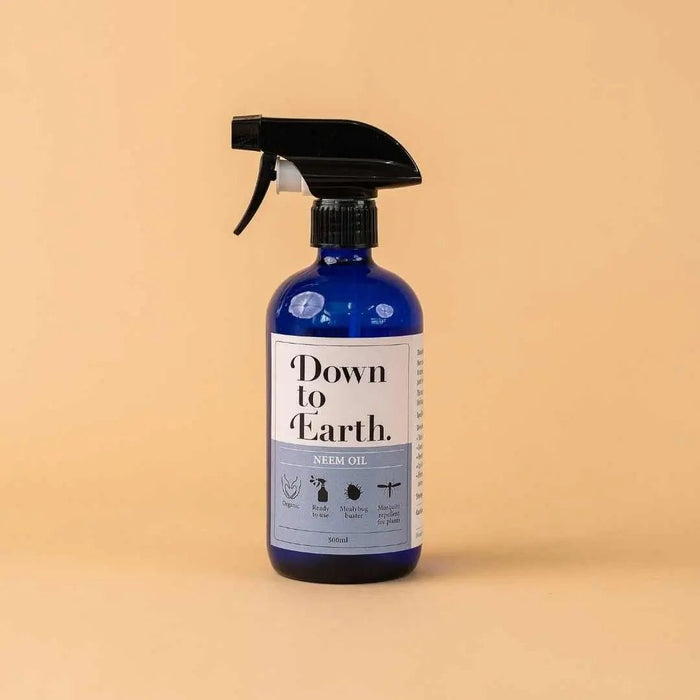
- Spray the entire plant with a neem oil solution (5ml neem oil + 1ml liquid soap per litre of water)
- Focus on undersides of leaves and stem joints
- Repeat weekly for three to four weeks
- Isolate the plant from others during treatment
Severe infestation:
- Hose down the plant in the shower or balcony to physically remove as many bugs as possible
- Apply a systemic insecticide following label instructions
- Repeat as directed
- If a small, inexpensive plant is severely infested, consider discarding it rather than risking spread to your collection
2. Spider Mites
Identification
Spider mites are almost invisible to the naked eye — about 0.5mm long. You will usually notice their damage before you see them.
Signs of spider mite infestation:
- Fine, silky webbing between leaves and stems (most obvious in advanced infestations)
- Tiny yellow or white stippling (dots) on leaf surfaces where mites have pierced cells to feed
- Leaves turning bronze, yellow, or grey overall
- Tiny moving dots on leaf undersides (use a magnifying glass or phone camera zoom)
- Leaf drop in severe cases
Why They Thrive in Singapore
Paradoxically, spider mites prefer drier conditions. They are most common in heavily air-conditioned spaces where humidity drops below 50%. Plants near windows that receive direct sun and heat are also vulnerable.
Treatment
Light infestation:
- Spray the plant thoroughly with water — a strong shower blast knocks mites off and raises humidity
- Wipe leaf undersides with a damp cloth
- Increase ambient humidity around the plant (grouping plants, pebble trays, humidifier)
- Repeat every three days for two weeks
Moderate to severe infestation:
- Shower the plant to remove as many mites as possible
- Spray with insecticidal soap or neem oil solution
- Focus intensely on leaf undersides where mites concentrate
- Repeat every five to seven days for four weeks (mite eggs are resistant to most treatments, so you need to catch new hatchlings)
- Maintain higher humidity to discourage re-infestation
Persistent infestations: Miticides (acaricides) specifically targeting mites are more effective than general insecticides. Available at larger garden centres in Singapore.
3. Fungus Gnats
Identification
Fungus gnats are tiny (two to three millimetre) flying insects that look like miniature mosquitoes. The adults are more annoying than harmful — it is their larvae in the soil that cause problems.
Signs of fungus gnat infestation:
- Tiny flies hovering around the soil surface and near windows
- Larvae visible in the top layer of soil — small, translucent, worm-like with black heads
- Seedlings or young plants wilting despite adequate watering (larvae feed on roots)
- Adults attracted to light — you may see them near lamps or screens
Why They Thrive in Singapore
Fungus gnats lay eggs in moist soil rich in organic matter. Singapore's humidity slows soil drying, and many popular potting mixes retain moisture — creating perfect breeding conditions. Overwatering is the primary enabler.
Treatment
Immediate steps:
- Allow the top three to five centimetres of soil to dry completely between waterings — this kills larvae and prevents egg-laying
- Place yellow sticky traps near affected plants to catch adults
- Remove any decaying organic matter (dead leaves, moss) from the soil surface
For persistent infestations:
- Water with a Bti (Bacillus thuringiensis israelensis) solution — available as "Mosquito Bits" or similar products. Bti is a naturally occurring bacteria that kills gnat larvae but is harmless to plants, pets, and people
- Top-dress the soil with a layer of coarse sand, perlite, or decorative gravel — this prevents adults from laying eggs in the soil
- Repot with fresh, well-draining soil if the current mix is excessively moisture-retentive
Nuclear option: Bottom watering (placing the pot in a tray of water and allowing the soil to absorb moisture from below) keeps the top layer dry and breaks the gnat lifecycle.
4. Scale Insects
Identification
Scale insects look like small brown or tan bumps on stems and leaf undersides. They range from two to five millimetres and are often mistaken for natural bark features or disease spots.
Two main types:
- Soft scale: Slightly raised, waxy bumps that produce honeydew. More common indoors.
- Armoured scale: Hard, shell-like covering. No honeydew but more difficult to treat because the shell protects them from sprays.
Signs of scale infestation:
- Brown bumps that do not wipe off easily
- Sticky honeydew on leaves and surfaces (soft scale only)
- Yellowing leaves and branch dieback
- Sooty mould growing on honeydew deposits
Treatment
Light infestation:
- Scrape individual scales off with a fingernail, old toothbrush, or blunt knife
- Wipe the area with isopropyl alcohol
- Check weekly and remove new ones as they appear
Moderate infestation:
- Scrape off as many visible scales as possible
- Spray with horticultural oil or neem oil — the oil smothers the insects under their shells
- Repeat every seven to ten days for four to six weeks
- For armoured scale, a systemic insecticide may be necessary since topical sprays cannot penetrate the hard shell
Tip: Scale insects reproduce slowly compared to mites and mealybugs, so consistent manual removal combined with oil sprays is usually sufficient.
5. Thrips
Identification
Thrips are slender, elongated insects about one to two millimetres long. They range from pale yellow to black depending on the species. They are fast-moving and often hide in flower buds and tightly furled new leaves.
Signs of thrips infestation:
- Silvery or bronze streaks on leaves where thrips have scraped the surface to feed
- Black dots (thrips excrement) on leaf surfaces
- Distorted, curled, or scarred new growth
- Flower buds that fail to open or open deformed
- Tiny, thin insects visible when you shake a leaf over white paper
Why They Are Dangerous
Thrips are among the most damaging indoor plant pests because they reproduce quickly and can transmit plant viruses. A small thrips population can explode within weeks in Singapore's warm conditions.
Treatment
Immediate action:
- Isolate the affected plant immediately — thrips spread fast
- Shower the plant to knock off adults and larvae
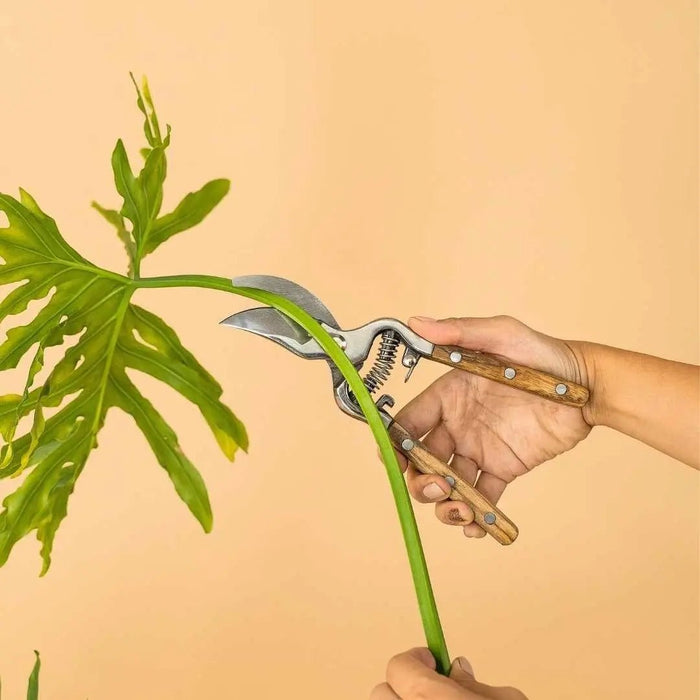
- Prune heavily damaged leaves
Ongoing treatment:
- Spray with spinosad-based insecticide — this is the most effective organic treatment for thrips
- Alternatively, spray with neem oil solution every five days
- Place blue sticky traps near the plant (thrips are attracted to blue)
- Continue treatment for four to six weeks — thrips have a fast lifecycle and eggs are laid inside plant tissue, making them resistant to contact sprays
For severe infestations: A systemic insecticide (applied as a soil drench) provides longer-lasting protection because the plant absorbs the active ingredient and thrips ingest it when feeding.
6. Aphids
Identification
Aphids are small (two to four millimetre), soft-bodied insects found in clusters on new growth, flower buds, and leaf undersides. They come in green, black, brown, or even pink.
Signs of aphid infestation:
- Clusters of small, soft insects on stems and new leaves
- Sticky honeydew and resulting sooty mould
- Curled, distorted new growth
- Ants present on or around the plant (ants farm aphids for honeydew)
Treatment
Aphids are among the easiest pests to treat:
- Spray with a strong jet of water to knock them off — this alone eliminates most of a light infestation
- Spray with insecticidal soap or neem oil for moderate infestations
- Repeat every three to four days for two weeks
- Introduce ladybugs if you have an outdoor garden — they are voracious aphid predators
Building a Pest Treatment Kit
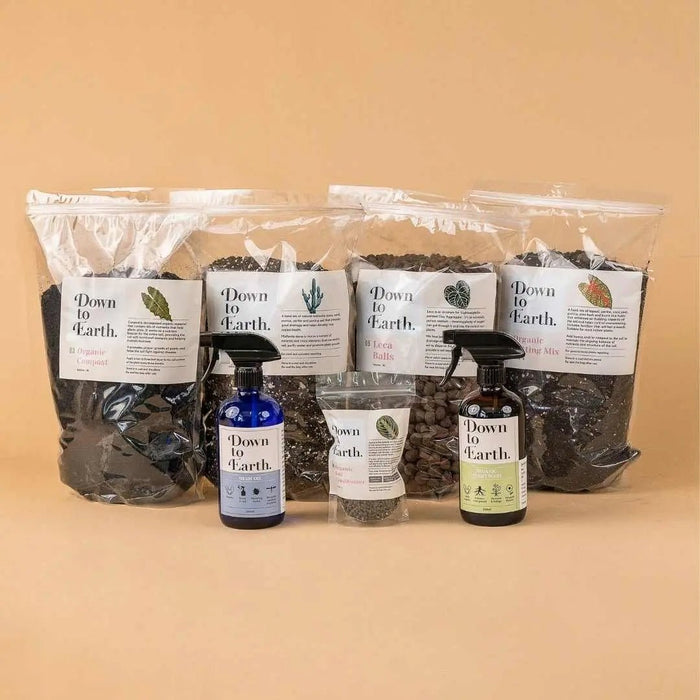
Keep these supplies on hand so you can act quickly when pests appear:
- 70% isopropyl alcohol and cotton buds
- Neem oil (cold-pressed, concentrated)
- Liquid castile soap or insecticidal soap
- Spray bottle (dedicated — do not share with cleaning products)
- Yellow and blue sticky traps
- Magnifying glass or loupe
- Systemic insecticide granules (for emergencies)
- Bti granules for fungus gnats
When to Discard a Plant
Sometimes the kindest thing you can do — for the plant and for your collection — is let it go:
- The infestation has spread to multiple plants despite weeks of treatment
- The plant is severely damaged with more dead tissue than living
- The plant was inexpensive and the treatment products cost more than a replacement
- The pest is one you have never dealt with before and quarantine space is limited
There is no shame in discarding a heavily infested plant. Protecting the rest of your collection is always the priority.
Restocking After a Pest Battle
If you have lost plants to pests and need to rebuild, browse our collection of healthy indoor plants. Every plant we ship is inspected for pests and diseases before dispatch. Combine your new arrivals with the quarantine protocol above, and your collection will be back to full strength in no time.
Pest management is not about having a perfect, pest-free collection — it is about catching problems early and responding decisively. With the right knowledge and a small kit of supplies, no pest problem in Singapore is unmanageable.
Quick summary
Key Takeaways
- Prevention First
- 1. Mealybugs
- 2. Spider Mites
- 3. Fungus Gnats
- 4. Scale Insects
- 5. Thrips
Ready to bring some green into your home?
Browse 250+ hand-picked plants, curated for Singapore homes — delivered to your door.
Browse All Plants →