















Philodendron Care Guide for Singapore | Tumbleweed Plants Singapore
Posted on April 16 2026
In this article
Philodendron is the largest and most diverse genus in most houseplant collections. With over 400 species — ranging from compact desk plants to massive climbing vines with leaves the size of dinner plates — there is a Philodendron for every space, skill level, and aesthetic preference.

In Singapore, Philodendron thrives. Our tropical climate closely matches their native habitat in Central and South American rainforests. The warmth, humidity, and consistent light that Singapore provides year-round is exactly what this genus evolved in.
Types of Philodendron
Climbing / Vining Philodendrons
These produce long stems that climb when supported (moss pole, trellis) or trail when unsupported (shelf, hanging basket).
Philodendron hederaceum (Heartleaf) — The classic. Heart-shaped, dark green leaves on trailing vines. Nearly indestructible. The gateway Philodendron.
Philodendron 'Brasil' — Heartleaf sport with stunning green and lime yellow variegation. Same easy care as the plain heartleaf but with visual impact.
Philodendron 'Micans' — Velvety, iridescent leaves that shimmer bronze, green, and purple depending on the light. One of the most beautiful trailing plants available.
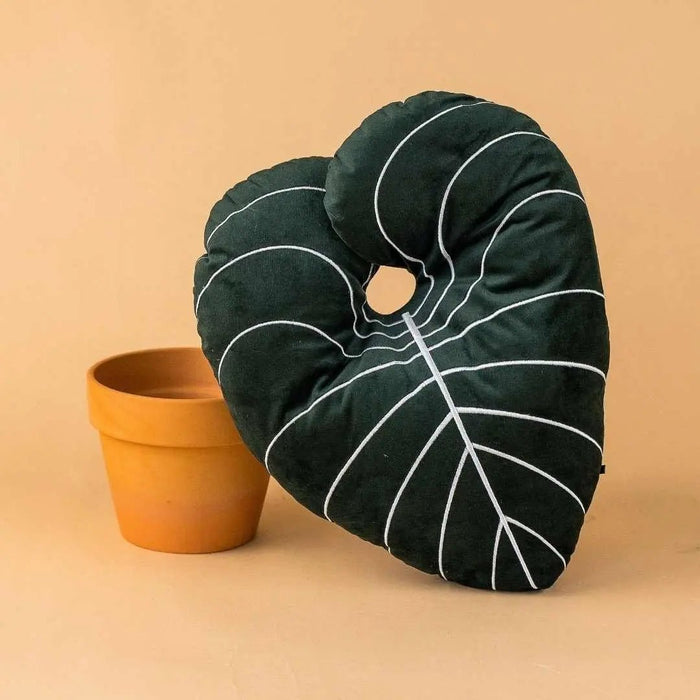
Philodendron gloriosum — Large, heart-shaped, velvety leaves with prominent white veining. A crawler rather than a climber — grows along the soil surface.
Philodendron verrucosum — Heart-shaped leaves with velvety texture and dramatic veining. Hairy petioles (leaf stems). A collector's favourite.
Self-Heading (Non-Climbing) Philodendrons
These grow upright from a central point without needing support. More compact and manageable.
Philodendron 'Birkin' — Dark green leaves with white pinstripe variegation. Compact, upright, and stunning. One of the most popular modern houseplants.
Philodendron 'Pink Princess' — Dark green to black leaves with sections of bubblegum pink variegation. Highly sought after.
Philodendron 'Congo Rojo' — Large, glossy leaves that emerge red and darken to deep green. Bold and tropical.
Philodendron 'Imperial Green' — Large, leathery, glossy leaves. Classic tropical look with minimal fuss.
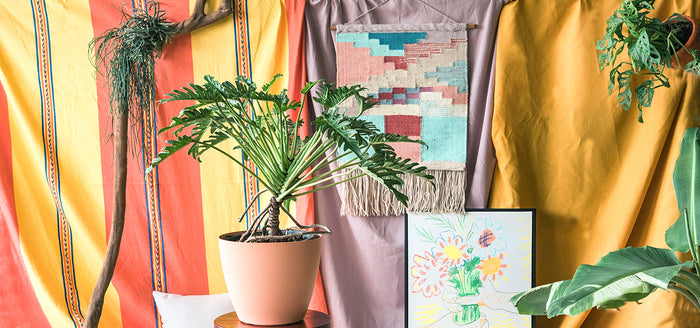
Philodendron 'Xanadu' (Thaumatophyllum xanadu) — Deeply lobed leaves on a compact, shrubby plant. Popular in Singapore gardens and interiors.
Light
Bright indirect light — Optimal for all Philodendron species. Produces the fastest growth, largest leaves, and best variegation (for variegated varieties).
Medium indirect light — Good. Most Philodendron species tolerate medium light well, though growth slows slightly and variegated varieties may produce more green.
Low light — Tolerated by many species (heartleaf, Brasil, Imperial Green). Growth slows significantly, and variegation may fade.
Direct sun — Avoid for most species. Direct sun can scorch leaves, especially on velvety varieties (Micans, gloriosum, verrucosum). Morning sun (before 9am) is generally tolerated.
Watering
Schedule in Singapore:
- Water when the top 3-5cm of soil is dry
- Every 5-7 days in naturally ventilated rooms
- Every 7-10 days in air-conditioned rooms
Technique: Water thoroughly until water drains from the bottom. Philodendron prefers the soak-and-dry method — thorough watering followed by adequate drying before the next watering.
Overwatering signs: Yellow leaves (especially multiple lower leaves), mushy stems, root rot.
Underwatering signs: Drooping, curling leaves, crispy edges, slow growth.
Water quality: Most Philodendron species are not fussy about water quality. Singapore tap water is fine.
Humidity

Singapore advantage: Our 70-80% ambient humidity is excellent for Philodendron. Most species respond with larger leaves and faster growth.
Air-conditioned rooms (50-60%): Adequate for most common species (heartleaf, Brasil, Birkin, Xanadu). May be insufficient for velvety species (gloriosum, verrucosum, Micans) which prefer 65%+.
Boosting humidity for velvety species:
- Group with other plants
- Pebble tray
- Small humidifier
- Semi-enclosed growing area
Soil
Well-draining and airy — essential for Philodendron:
- 40% quality potting mix
- 30% perlite
- 20% orchid bark
- 10% charcoal (optional)
Philodendron roots are naturally epiphytic (growing on trees rather than in ground soil). They need air circulation around the roots. Dense, compacted soil leads to root rot.
Temperature

Singapore's 26-32°C is ideal for Philodendron (18-30°C preferred range). No temperature concerns in normal conditions.
Fertilising
- Balanced liquid fertiliser at half strength every 4-6 weeks during active growth
- Philodendron responds well to regular feeding with larger leaves and faster growth
- Slow-release granules work well for low-maintenance feeding
- Reduce during any growth slowdowns
Moss Pole Growing

Climbing Philodendron species produce dramatically larger leaves when growing vertically on a moss pole:
- 1. Insert a moss pole into the pot
- 2. Attach the stem to the pole with soft ties
- 3. Keep the moss pole moist (mist regularly)
- 4. Aerial roots will grip the moist moss
- 5. As the plant climbs, new leaves increase significantly in size
The difference between a trailing heartleaf and one climbing a moss pole is dramatic — moss pole leaves can be 3-5 times larger.
Common Problems
Yellow Leaves
Lower leaves: Usually natural ageing. Remove and monitor.
Multiple leaves: Overwatering. Reduce frequency. Check for root rot.
Leggy Growth
Cause: Insufficient light.
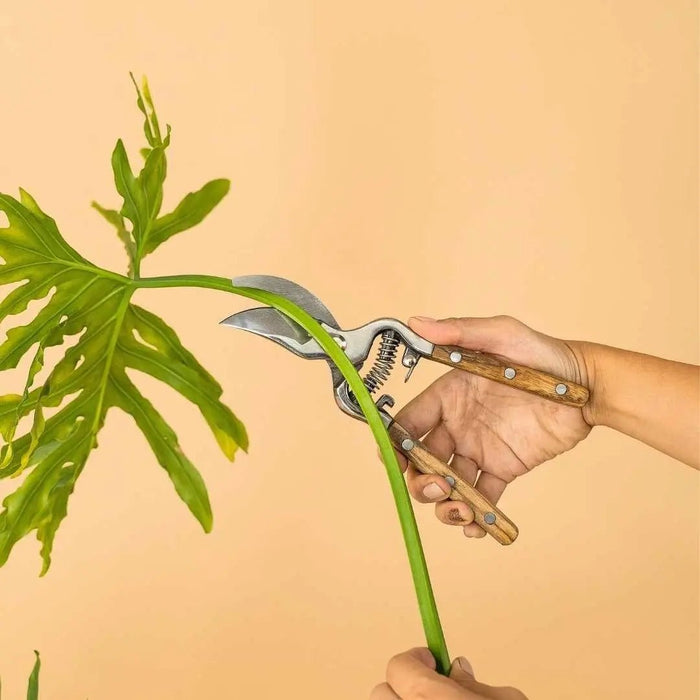
Fix: Move to brighter indirect light. Prune leggy stems and propagate the cuttings.
Brown Leaf Tips
Cause: Low humidity or over-fertilising.
Fix: Increase humidity. Reduce fertiliser concentration.
Root Rot
Cause: Overwatering, poor drainage, or dense soil.
Fix: Remove from pot, trim rotted roots, repot in fresh airy mix. Reduce watering.
Pests
Spider mites: Common in dry AC rooms. Fine webbing, stippled leaves.
Mealybugs: White cottony clusters on stems and leaf axils.
Scale: Brown bumps on stems and leaf undersides.
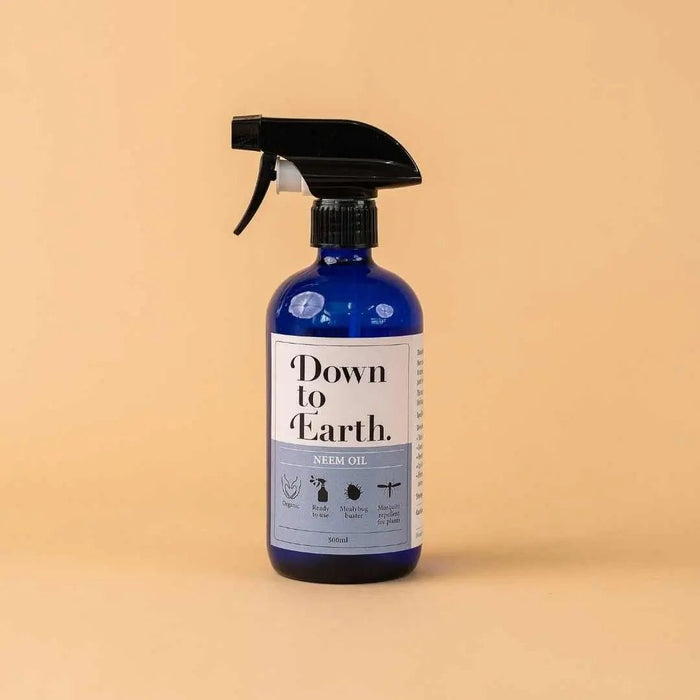
Treatment: Neem oil, insecticidal soap, or manual removal with alcohol.
Propagation
Philodendron propagates easily:
Stem Cuttings in Water
- 1. Cut below a node (include at least one node and one leaf)
- 2. Place in clean water with the node submerged
- 3. Change water weekly
- 4. Roots develop in 2-4 weeks
- 5. Transfer to soil when roots reach 5cm
Stem Cuttings in Soil
- 1. Cut below a node
- 2. Dip in rooting hormone (optional)
- 3. Plant in moist perlite or a soil/perlite mix
- 4. Keep moist and warm
- 5. New growth appears in 3-6 weeks
Air Layering (for large specimens)
- 1. Wrap moist sphagnum moss around a node on the parent plant
- 2. Cover with plastic wrap
- 3. Roots develop into the moss in 3-6 weeks
- 4. Cut below the rooted section and pot up
Styling
Philodendron offers incredible styling versatility:
- Trailing from shelves — Heartleaf, Brasil, Micans cascading from high positions
- Climbing moss poles — Gloriosum, verrucosum, or large heartleaf climbing as a vertical feature
- Desk plant — Birkin, compact self-heading varieties
- Floor statement — Congo Rojo, Imperial Green, Xanadu in large floor planters
- Hanging baskets — Brasil, Micans, heartleaf
Is Philodendron Toxic?
Yes. Contains calcium oxalate crystals. Causes oral irritation and digestive issues if ingested by pets or children. Keep out of reach.
Shop Philodendron
Browse our Philodendron collection and indoor plant collection for plants delivered across Singapore.
Philodendron is the genus that can furnish an entire home. A heartleaf trailing from the kitchen shelf. A Birkin on the desk. A gloriosum crawling across a wide pot on the living room table. A Micans shimmering from a hanging basket. A Xanadu anchoring the balcony corner. Each one different in form, texture, and character, but all sharing the same easy-going tropical nature that makes them ideal for Singapore. Start with one. Any one — they are all good. And when you inevitably start wanting another variety, and then another, and then find yourself checking Carousell for a rare gloriosum at midnight — welcome to the Philodendron collecting community. It is warm, humid, and full of beautiful leaves here. Just like Singapore.
Quick summary
Key Takeaways
- Types of Philodendron
- Light
- Watering
- Humidity
- Soil
- Temperature
Ready to bring some green into your home?
Browse 250+ hand-picked plants, curated for Singapore homes — delivered to your door.
Browse All Plants →