
















Philodendron Care Guide for Singapore Homes
Posted on April 09 2026
In this article
Philodendrons are the backbone of the indoor plant world — reliable, forgiving, and endlessly diverse. From the compact Philodendron Birkin with its pinstriped leaves to the sprawling Philodendron Gloriosum with its velvety heart-shaped foliage, this genus offers something for every skill level and every room in your Singapore home.

The name comes from the Greek words philo (love) and dendron (tree), and it is easy to see why plant lovers around the world have embraced these tropical beauties. Native to the rainforests of Central and South America, Philodendrons are naturally adapted to warm, humid conditions — making Singapore's climate an ideal match.
Popular Philodendron Varieties for Singapore
The Philodendron genus contains over 400 species, plus countless cultivars and hybrids. Here are the varieties that perform especially well in Singapore homes:
Climbing and Trailing Types
Philodendron Heartleaf (P. hederaceum)
The classic starter Philodendron. Heart-shaped, glossy green leaves trail beautifully from shelves or climb a moss pole. Nearly indestructible and available at almost every nursery in Singapore.
Philodendron Brasil
A sport of the Heartleaf with stunning lime-green and dark-green variegation. Equally easy to grow but with significantly more visual punch. The variegation tends to be more vivid in brighter light.
Philodendron Micans
Velvety, dark-green leaves with a bronze sheen that changes depending on the angle of light. A collector favourite that remains relatively affordable. Thrives in hanging baskets where its trailing habit is fully displayed.
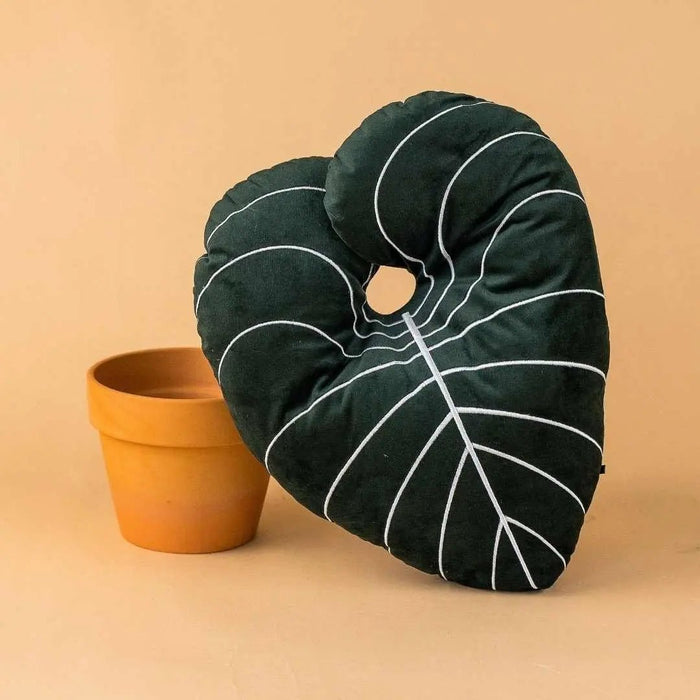
Philodendron Gloriosum
A terrestrial crawler (not a climber) with enormous velvety leaves and bright white veins. This is a statement plant that commands attention. It grows along the soil surface rather than upward, so give it a long, shallow container.
Self-Heading (Non-Climbing) Types
Philodendron Birkin
Compact and upright with dark-green leaves marked by creamy white pinstripes. Each new leaf emerges slightly different, making this variety endlessly interesting. Grows slowly and stays manageable on a desk or shelf.
Philodendron Congo (Green or Red)
A robust, upright grower with large, paddle-shaped leaves. The Red Congo produces new leaves in a deep burgundy that gradually matures to dark green. Excellent as a floor plant in a bright corner.
Philodendron Imperial Green
Similar habit to the Congo but with glossy, elongated leaves. Very tolerant of lower light conditions, making it a strong choice for offices and interior rooms with limited natural light.
Philodendron Prince of Orange
New leaves emerge in vivid shades of orange and copper before transitioning through salmon to green as they mature. A single plant can display four different leaf colours simultaneously.
Light Requirements
Philodendrons are understory plants in their natural habitat, growing beneath the canopy of taller trees. This means they prefer bright indirect light — the kind that floods through a sheer curtain or bounces off a white wall.
Ideal placement in Singapore HDBs:
- Within one to two metres of an east-facing window
- Near a north-facing window (receives consistent gentle light)
- Set back from a west-facing window to avoid harsh afternoon sun
- Beside a balcony sliding door with filtered light
Signs of too much light:
- Pale, washed-out leaves
- Brown, crispy leaf edges or patches
- Leaves curling inward to reduce sun exposure
Signs of too little light:
- Leggy growth with long gaps between leaves
- Small new leaves compared to older ones
- Loss of variegation in varieties like Brasil or Birkin
- Slow or stalled growth
Most Philodendrons tolerate lower light better than many popular houseplants, but they will not thrive in true darkness. If your chosen spot is more than three metres from a window, consider adding a grow light.
Watering
Getting watering right is the single most important factor in Philodendron care. Singapore's combination of high humidity and air conditioning creates variable drying conditions, so checking the soil before each watering is essential.
The Finger Test
Insert your finger two to three centimetres into the soil. If the top layer feels dry, water thoroughly. If it still feels moist, wait another day or two and check again.
Watering Technique
- Water slowly and evenly around the base of the plant until liquid flows from the drainage holes
- Allow excess water to drain completely — never let the pot sit in a saucer of standing water for more than 30 minutes
- Use room-temperature water; cold water can shock tropical roots
Frequency Guidelines
In Singapore conditions, most Philodendrons need watering every five to eight days, but this varies based on:
- Pot size and material — terracotta dries faster than plastic or glazed ceramic
- Soil mix — chunky, well-draining mixes dry faster than dense potting soil
- Air conditioning — AC reduces humidity and can speed up soil drying
- Season — slightly less frequent during the wetter monsoon months, slightly more during drier periods
Overwatering vs. Underwatering
| Symptom | Overwatering | Underwatering |
|---|---|---|
| Leaves | Yellow, mushy | Brown, crispy edges |
| Soil | Soggy, smells sour | Pulls away from pot edges |
| Stems | Soft, darkened base | Wilting but firm |
| Roots | Brown, mushy (root rot) | Dry, brittle |
When in doubt, err on the side of underwatering. Philodendrons recover from mild drought far more easily than from root rot.
Soil and Potting

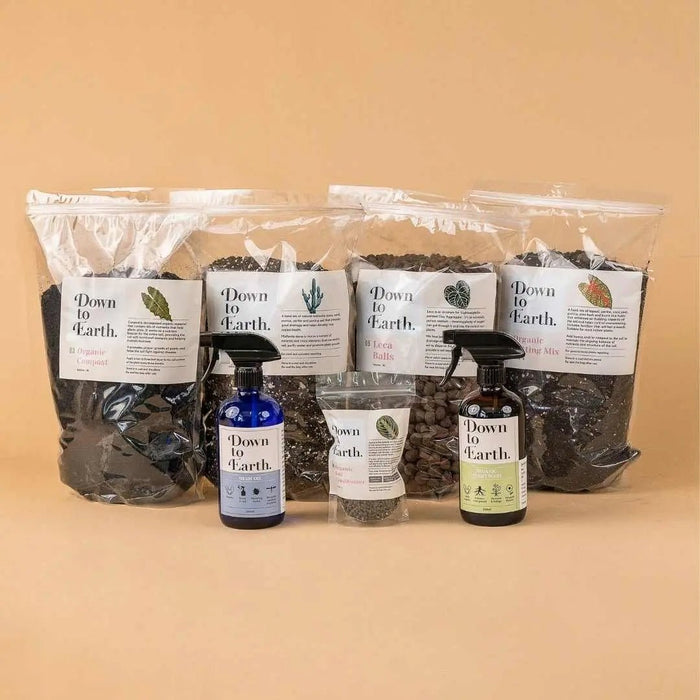
Philodendrons need a well-draining mix that retains some moisture without becoming waterlogged. The standard nursery potting soil sold in Singapore tends to be too dense on its own.
Recommended Mix
- 50% quality potting soil
- 25% perlite or pumice (for drainage and aeration)
- 15% orchid bark (adds structure and air pockets)
- 10% horticultural charcoal (prevents bacterial growth and absorbs impurities)
This mix holds enough moisture for the roots to drink but dries within a few days, reducing the risk of rot.
Pot Selection
- Always choose pots with drainage holes
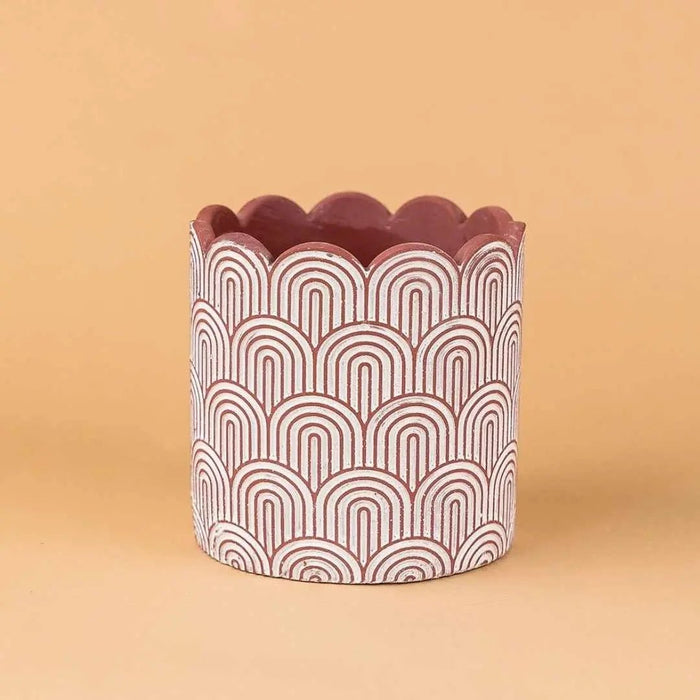
- Terracotta is excellent for Philodendrons because it wicks away excess moisture
- Size up by only one to two inches when repotting — oversized pots hold too much water around small root systems
- For crawling varieties like Gloriosum, use a wide, shallow container rather than a deep pot
Humidity
Singapore's average outdoor humidity of 80 to 90 percent is perfect for Philodendrons. The challenge arises indoors where air conditioning can drop humidity to 50 percent or lower.
Boosting indoor humidity:
- Group plants together to create a shared humidity zone
- Place a pebble tray filled with water beneath the pot (the water evaporates and raises local humidity)
- Mist leaves in the morning — not in the evening, as lingering moisture overnight can encourage fungal issues
- Run a small humidifier near your plant corner during heavy AC use
Most Philodendrons tolerate moderate humidity (50-60%) without visible stress, but varieties with thinner leaves (Micans, Heartleaf) appreciate the extra moisture more than thick-leaved types (Congo, Imperial Green).
Fertilising

Philodendrons are moderate feeders. During active growth (which is year-round in Singapore, with a slight slowdown during the wetter monsoon months), feed regularly for the best results.
Recommended approach:
- Use a balanced liquid fertiliser (NPK 10-10-10 or 20-20-20) diluted to half the label strength
- Apply every two to three weeks during active growth
- Reduce to once a month if growth slows
- Always water the soil first before applying liquid fertiliser to prevent root burn
- Flush the soil with plain water every two to three months to prevent salt buildup
Signs of nutrient deficiency:
- Pale or yellowing older leaves (nitrogen)
- Slow growth despite good light and watering
- Small new leaves
Signs of over-fertilising:
- Brown leaf tips and edges
- White crust on soil surface (salt buildup)
- Wilting despite moist soil
Propagation
Philodendrons are among the easiest houseplants to propagate, making them perfect for sharing with friends or expanding your collection for free.
Stem Cutting Method (Climbing Types)
- Identify a healthy stem with at least two nodes (the bumps where leaves and aerial roots emerge)
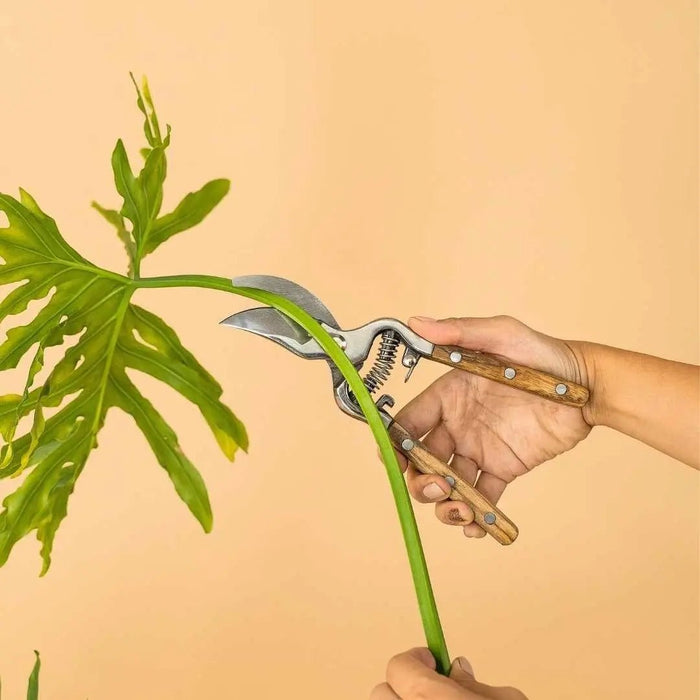
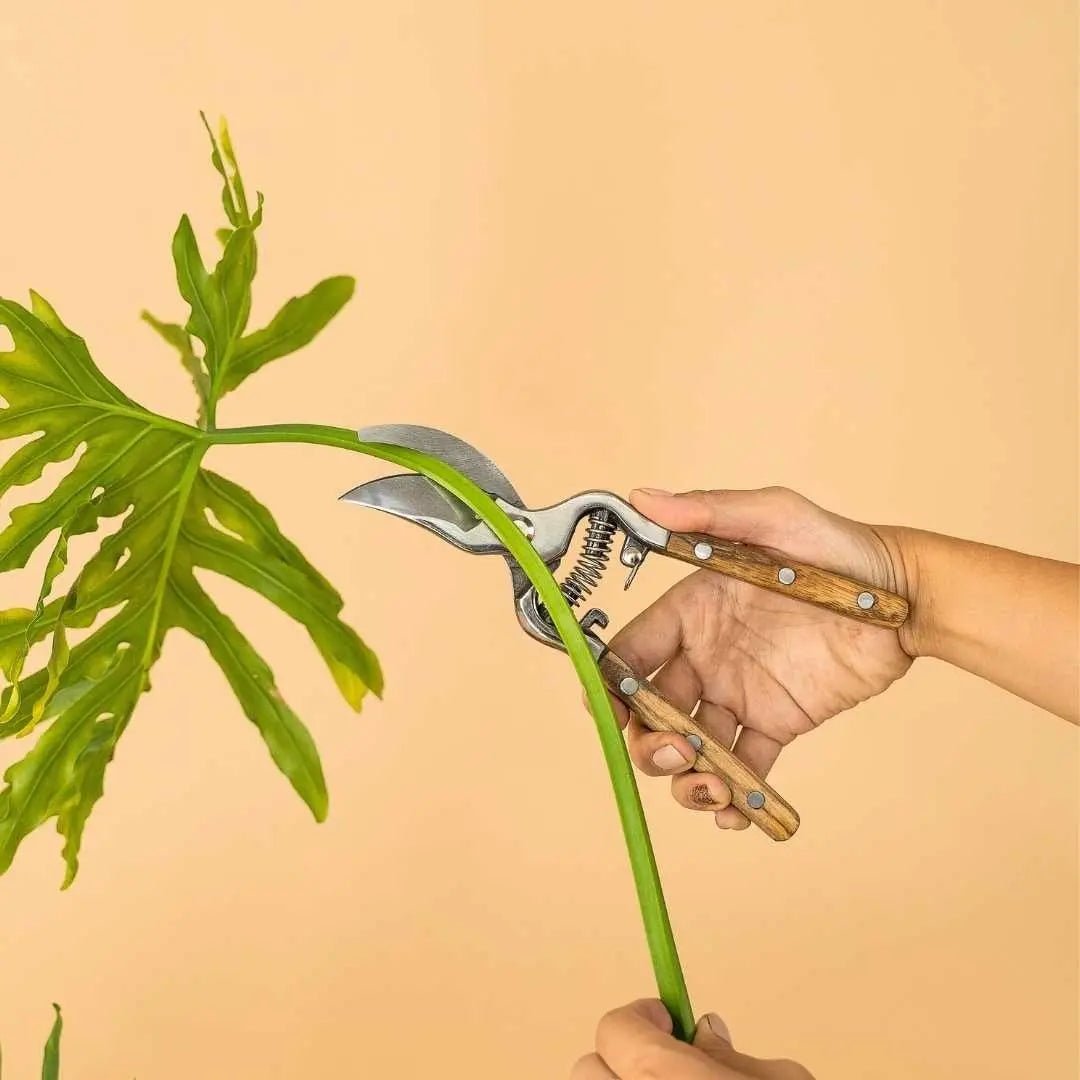
- Cut just below a node using clean, sharp scissors or pruning shears
- Remove the lowest leaf to expose the node
- Place the cutting in a jar of clean water, ensuring the node is submerged but leaves stay above water
- Position in bright indirect light and change the water every three to four days
- Roots typically appear within one to three weeks in Singapore's warm temperatures
- Once roots reach five to eight centimetres, transfer to soil
Division Method (Self-Heading Types)
Self-heading Philodendrons like Birkin and Congo cannot be propagated from stem cuttings in the same way. Instead:
- Remove the plant from its pot during repotting
- Look for natural divisions — separate offsets or pups that have their own root system
- Gently tease the roots apart, using a clean knife to separate if necessary
- Pot each division in fresh, well-draining soil
- Water lightly and keep in a warm, humid spot for two weeks while roots establish
Common Problems in Singapore

Pests
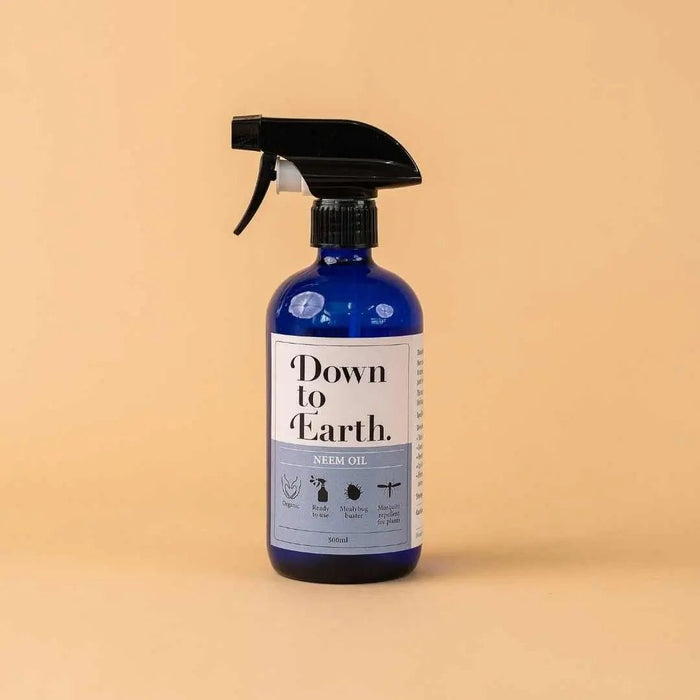
Mealybugs are the most common pest on Philodendrons in Singapore. They appear as white, cottony clusters in leaf axils and along stems. Treat with isopropyl alcohol on a cotton bud for small infestations, or spray with neem oil solution for larger outbreaks.
Spider mites thrive in dry, air-conditioned environments. Check the undersides of leaves for fine webbing and tiny moving dots. Increase humidity and spray with insecticidal soap.
Thrips leave silvery streaks on leaves and can spread quickly. Isolate affected plants immediately and treat with neem oil or a systemic insecticide if the infestation is severe.
Diseases
Root rot is the number one killer of Philodendrons in Singapore. It results from overwatering or poor drainage. If caught early, remove the plant from its pot, trim away mushy brown roots, treat remaining roots with a fungicide, and repot in fresh, well-draining mix.
Bacterial leaf spot appears as dark, water-soaked patches on leaves. Remove affected leaves, improve air circulation, and avoid getting water on foliage during watering.
Environmental Stress
Yellowing leaves — usually overwatering, but can also indicate root-bound conditions or nutrient deficiency. Check the roots before adjusting your watering schedule.
Brown leaf tips — typically low humidity or salt buildup from fertiliser. Trim the brown tips with clean scissors and address the underlying cause.
Drooping leaves — most commonly underwatering or cold stress from direct AC airflow. Move the plant away from AC vents and check soil moisture.
Support Structures for Climbing Varieties
Climbing Philodendrons produce larger, more mature leaves when given vertical support. In the wild, they climb trees — indoors, we replicate this with:
- Moss poles — the gold standard, providing moisture and a natural surface for aerial roots to grip
- Coir poles — more affordable and widely available in Singapore, though they do not retain moisture as well
- Wooden planks or boards — a trending alternative that creates a dramatic flat display
- Trellises — metal or bamboo trellises work for lighter climbers like Heartleaf and Brasil
Secure the stems to the support using soft plant ties or velcro strips. As the plant grows, new aerial roots will attach naturally.
Where to Place Philodendrons in Your Home
| Room | Best Varieties | Notes |
|---|---|---|
| Living room | Monstera-like climbers, Congo, Prince of Orange | Statement plants near windows |
| Bedroom | Heartleaf, Birkin | Compact, air-purifying |
| Bathroom | Micans, Heartleaf, Brasil | Love the humidity from showers |
| Kitchen | Brasil, Imperial Green | Tolerant of temperature fluctuations |
| Office | Birkin, Congo, Imperial Green | Handle fluorescent lighting |
| Corridor | Golden Goddess, Lemon Lime | Tolerate lower light |
Building Your Philodendron Collection
Philodendrons are perfect for building a diverse plant collection without mastering dozens of different care routines. Once you understand the basics — bright indirect light, well-draining soil, water when the top layer dries — you can confidently expand into dozens of varieties knowing the fundamentals remain the same.
Browse our selection of Philodendrons to find your next addition. From beginner-friendly Heartleaf cuttings to rare collector varieties, we deliver healthy Philodendrons across Singapore.
Whether you are starting with your first Heartleaf or adding a Gloriosum to a mature collection, Philodendrons reward consistent care with steady, satisfying growth. They are not the flashiest plants in the shop — but they might just become the ones you reach for most often.
Quick summary
Key Takeaways
- Popular Philodendron Varieties for Singapore
- Light Requirements
- Watering
- Soil and Potting
- Humidity
- Fertilising
Ready to bring some green into your home?
Browse 250+ hand-picked plants, curated for Singapore homes — delivered to your door.
Browse All Plants →