














Philodendron Care Guide Singapore: Growing Tropical Beauties Indoors
Posted on April 09 2026
In this article
# Philodendron Care Guide Singapore: Growing Tropical Beauties Indoors | Tumbleweed Plants Singapore

Philodendrons are the backbone of many indoor plant collections in Singapore, and for good reason. These tropical beauties come in a staggering range of forms — from compact, self-heading rosettes to dramatic climbing vines with leaves that can span half a metre. Native to the tropical Americas, philodendrons feel remarkably at home in Singapore's warm, humid climate, making them some of the easiest and most rewarding houseplants you can grow.
Whether you are drawn to the classic heart-shaped leaves of a Heartleaf Philodendron or the dramatic splits of a Philodendron bipinnatifidum, this guide covers everything you need to know about growing philodendrons in Singapore.
Types of Philodendrons
Understanding the two main growth types helps you choose the right philodendron for your space:
Climbing Philodendrons
These produce long, trailing or climbing stems with aerial roots. They look stunning trailing from shelves, climbing moss poles, or cascading from hanging baskets. Popular climbing types include:
- Heartleaf Philodendron (P. hederaceum): The classic — heart-shaped green leaves on long, trailing stems
- Brasil Philodendron: Heart-shaped leaves with striking yellow-green variegation
- Micans Philodendron: Velvety, iridescent leaves that shimmer in the light
Self-Heading Philodendrons
These grow from a central rosette and do not climb. They tend to be larger and more dramatic, making excellent floor plants:
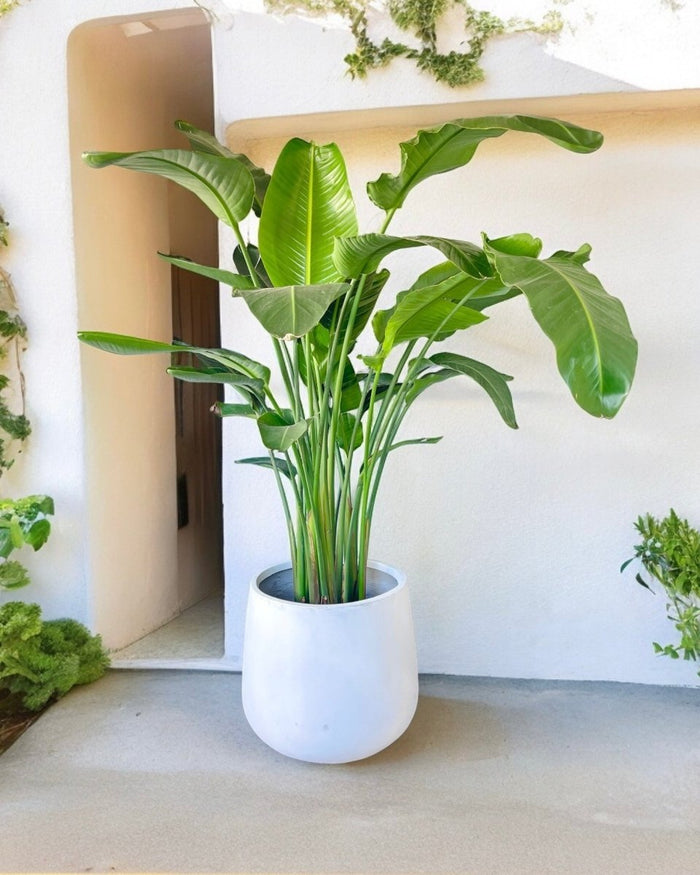
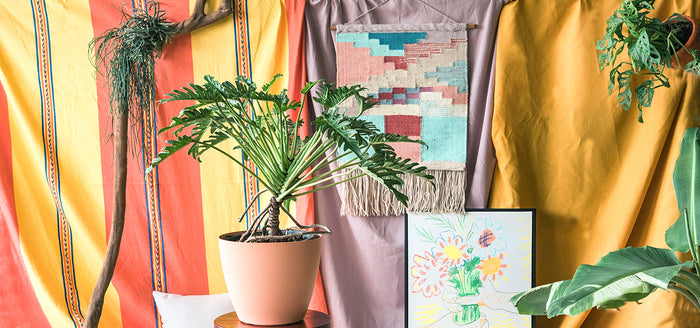
- Philodendron bipinnatifidum (Thaumatophyllum): Large, deeply lobed leaves
- Philodendron Birkin: Compact with striking white pinstripe variegation
- Philodendron Imperial Red/Green: Broad, glossy leaves in deep colours
Light Requirements
Philodendrons are forest understory plants, adapted to dappled, filtered light. In a Singapore home:
Ideal: Bright indirect light. Near an east-facing window or a few metres from a south or west-facing window behind sheer curtains.
Acceptable: Medium indirect light. Interior rooms with ambient light, HDB corridors with some natural light.
Tolerable: Low light. Philodendrons survive in low light but grow slowly and may produce smaller leaves. Climbing types may become leggy.
Avoid: Direct afternoon sun. Singapore's intense tropical sun will burn leaves, especially variegated varieties.
Light and Variegation
Variegated philodendrons like Brasil and Birkin need more light than solid green varieties to maintain their colour patterns. In too little light, new leaves may emerge mostly green. Place variegated types in the brightest indirect light available.
Watering in Singapore
Philodendrons prefer consistently moist soil that never becomes soggy or bone dry.
Schedule
- Air-conditioned rooms: Water every 5-7 days
- Non air-conditioned rooms: Water every 4-6 days
- Check first: Insert your finger 2-3cm into the soil. Water when the top layer feels dry.
Technique
- Water thoroughly until water flows from the drainage holes
- Let excess water drain completely
- Empty the saucer — never let philodendrons sit in standing water
- Use room temperature water
Signs of Water Problems
- Yellow lower leaves: Usually overwatering. Let soil dry more between waterings.
- Drooping leaves with moist soil: Overwatering or root rot. Check roots.
- Drooping leaves with dry soil: Simply thirsty. Water and it will perk up within hours.
- Brown, crispy leaf edges: Underwatering or low humidity.
Humidity

Philodendrons love humidity, and Singapore's ambient 70-90% is perfect. In air-conditioned rooms where humidity drops:
- Group philodendrons with other plants
- Use a pebble tray with water beneath the pot
- Mist occasionally, especially velvety-leaved varieties like Micans
- Bathrooms with natural light are excellent locations
Soil and Potting
Philodendrons need well-draining soil that retains some moisture:
Recommended mix:
- 60% quality potting mix
- 20% perlite
- 20% orchid bark or coco chips
This provides the aeration that philodendron roots need while retaining enough moisture for consistent hydration.
Pot Selection
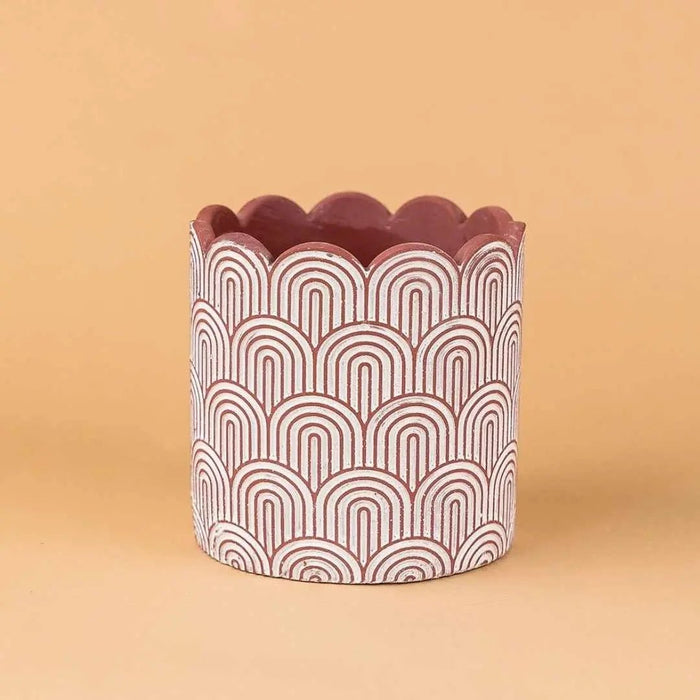
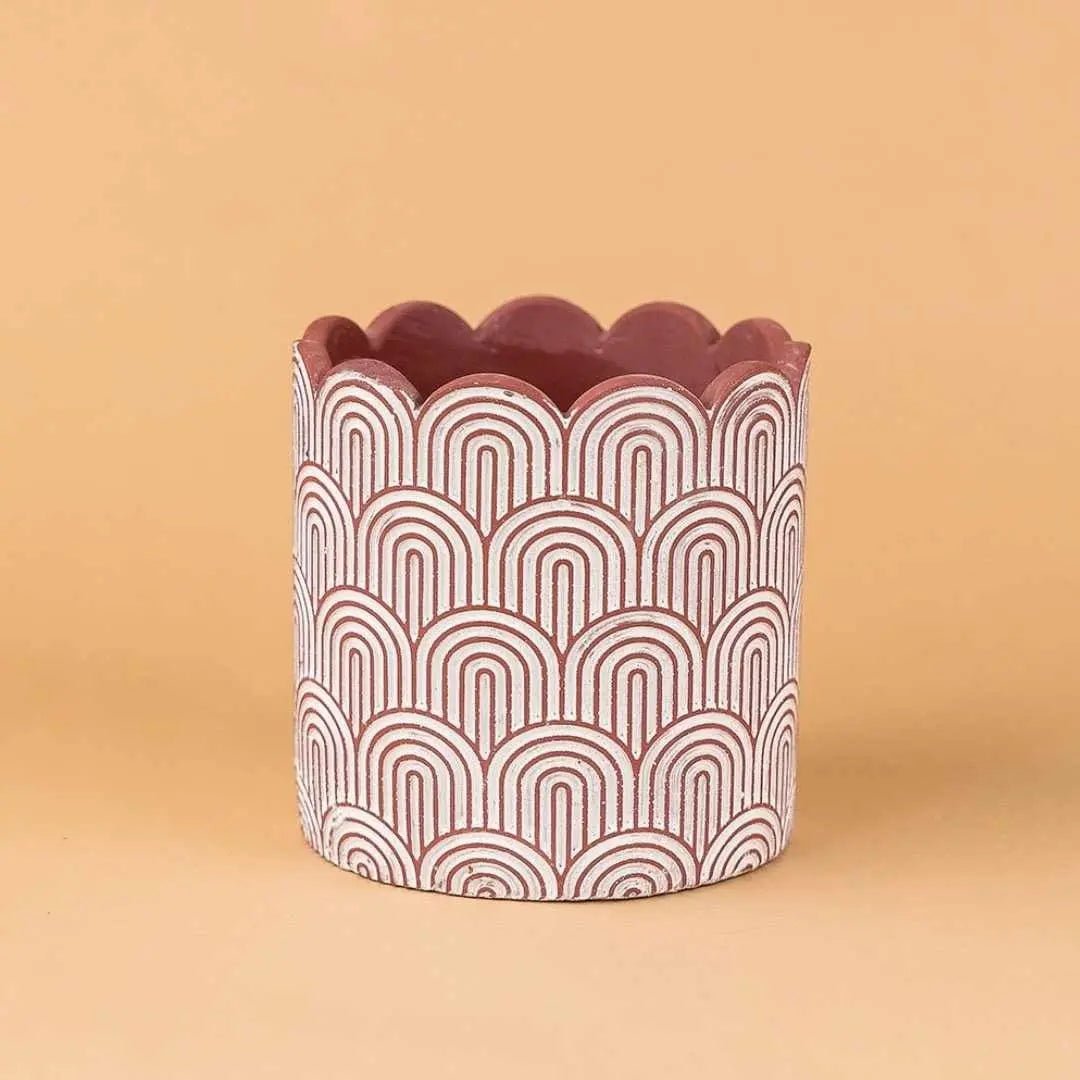
- Choose pots with drainage holes
- Plastic or glazed ceramic retains moisture well
- Size up only one pot size when repotting — philodendrons like being slightly snug
- For climbing types, use a pot with a moss pole or trellis for support
When to Repot
Every 1-2 years, or when:
- Roots grow from drainage holes
- Growth has noticeably slowed despite good care
- Plant is top-heavy or unstable
- Water runs straight through without being absorbed
Support for Climbing Types

Climbing philodendrons produce aerial roots that naturally attach to surfaces. Providing support encourages larger leaves and more vigorous growth:
- Moss poles: The gold standard. Keep the moss moist, and aerial roots will attach naturally.
- Coco coir poles: Lower maintenance than sphagnum moss poles.
- Trellises and plant hooks: For training along walls or shelves.
- Trailing freely: Climbing types also look beautiful trailing from high shelves or hanging planters, though leaves may be smaller without support.
Fertilising
Philodendrons are moderate feeders:
- Frequency: Every 2-4 weeks during active growth (most of the year in Singapore)
- Type: Balanced liquid fertiliser (20-20-20) at half strength
- Reduce: During any periods of slow growth
- Organic option: Worm castings mixed into the top layer of soil every few months
Propagation

Philodendrons are among the easiest houseplants to propagate:
Stem Cuttings in Water
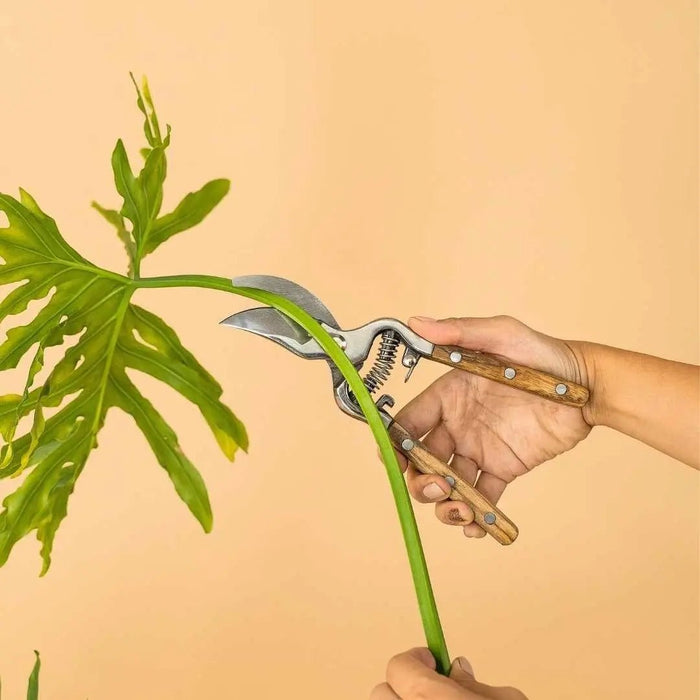
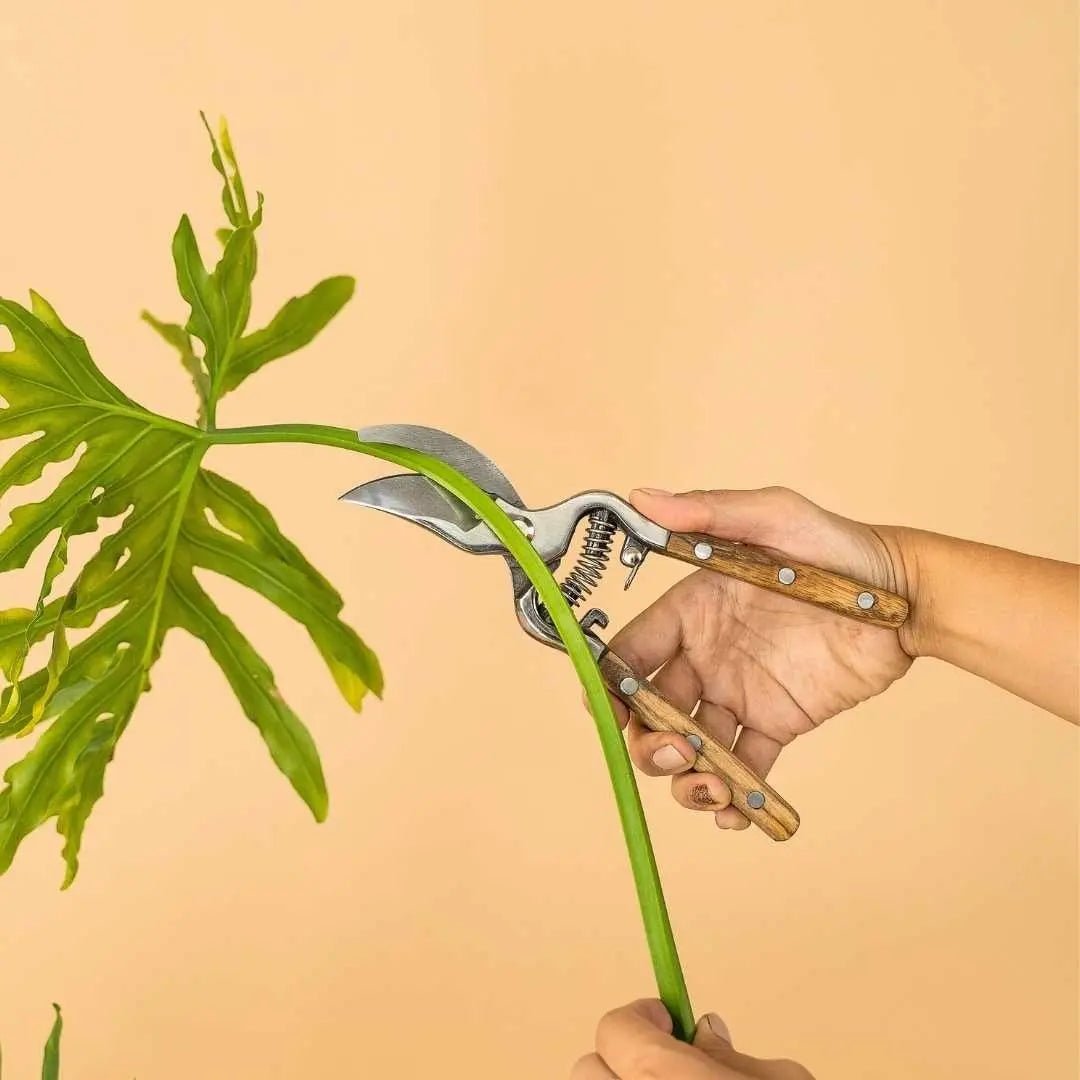
- Cut a stem section with at least one node (the bump where a leaf meets the stem) and one or two leaves
- Place in a jar of water with the node submerged
- Change water weekly
- Roots develop in 2-4 weeks in Singapore's warm temperatures
- Once roots are 5-8cm long, transfer to soil
Stem Cuttings in Soil
- Cut as above
- Let the cut end dry for a few hours
- Plant directly in moist potting mix with the node buried
- Keep soil consistently moist
- New growth appears in 3-6 weeks
Division (Self-Heading Types)
Large self-heading philodendrons can be divided during repotting. Gently separate sections that have their own root system and pot individually.
Common Problems in Singapore
Leggy Growth
Stems stretching with large gaps between leaves. Cause: insufficient light. Move to a brighter spot. Prune leggy stems — they can be propagated.
Yellow Leaves
Occasional lower leaf yellowing is normal as the plant matures. Multiple yellowing leaves indicate overwatering, poor drainage, or nutrient deficiency.
Brown Leaf Tips
Low humidity (rare in Singapore except in heavily air-conditioned spaces) or inconsistent watering. Maintain regular watering and increase humidity around the plant.
Root Rot
Caused by overwatering or poor drainage. Symptoms include wilting despite moist soil and a mushy stem base. Remove from pot, trim rotten roots, repot in fresh soil with better drainage.
Pests
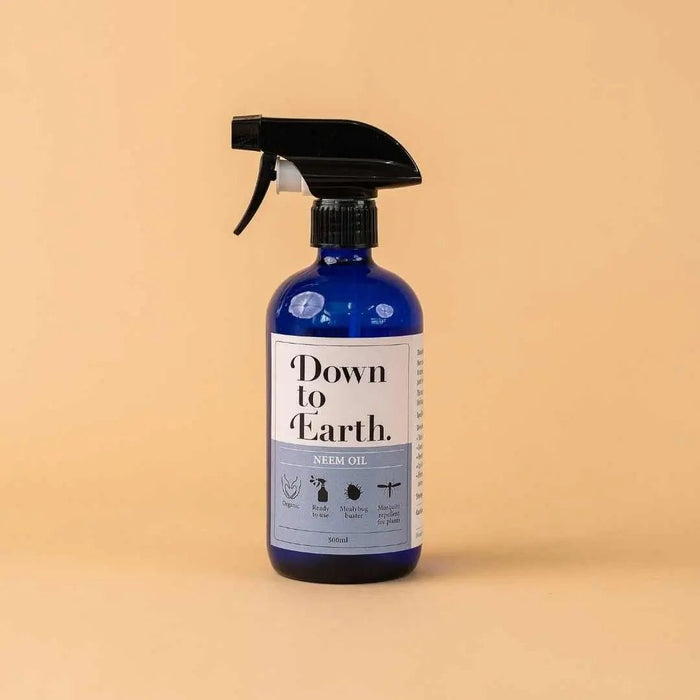
- Mealybugs: White cottony clusters. Treat with rubbing alcohol or neem oil.
- Spider mites: Fine webbing on leaf undersides. Mist regularly and treat with insecticidal soap.
- Thrips: Tiny insects causing silvery damage on leaves. Treat with neem oil.
Toxicity Warning
All philodendrons contain calcium oxalate crystals and are toxic to cats, dogs, and children if ingested. They cause oral irritation, drooling, and digestive distress. Keep out of reach of pets and small children, or choose pet-safe alternatives.
Styling Philodendrons
- Climbing on moss pole: Dramatic living column for a corner or beside furniture
- Trailing from shelves: Heartleaf and Brasil create beautiful cascading displays
- Floor statement: Large self-heading types like bipinnatifidum create a tropical focal point
- Hanging baskets: Perfect for climbing types in rooms with limited floor space
- Grouped collection: Multiple philodendron varieties together create a lush, layered display
Browse tropical houseplants at Tumbleweed Plants with delivery across Singapore.
Quick summary
Key Takeaways
- Types of Philodendrons
- Light Requirements
- Watering in Singapore
- Humidity
- Soil and Potting
- Support for Climbing Types
Ready to bring some green into your home?
Browse 250+ hand-picked plants, curated for Singapore homes — delivered to your door.
Browse All Plants →