




























Ficus Plant Care: The Ultimate Guide to Growing Ficus Indoors in Singapore
Posted on April 08 2026
In this article
The ficus genus is one of the most diverse and popular families of houseplants. From the trendy Fiddle Leaf Fig (Ficus lyrata) to the classic Rubber Plant (Ficus elastica) and the rising star Ficus Audrey (Ficus benghalensis), there's a ficus for every home and skill level.

Here in Singapore, our tropical climate gives us a natural advantage with these plants. This guide covers care for all the major indoor ficus species.
Popular Ficus Species for Singapore Homes
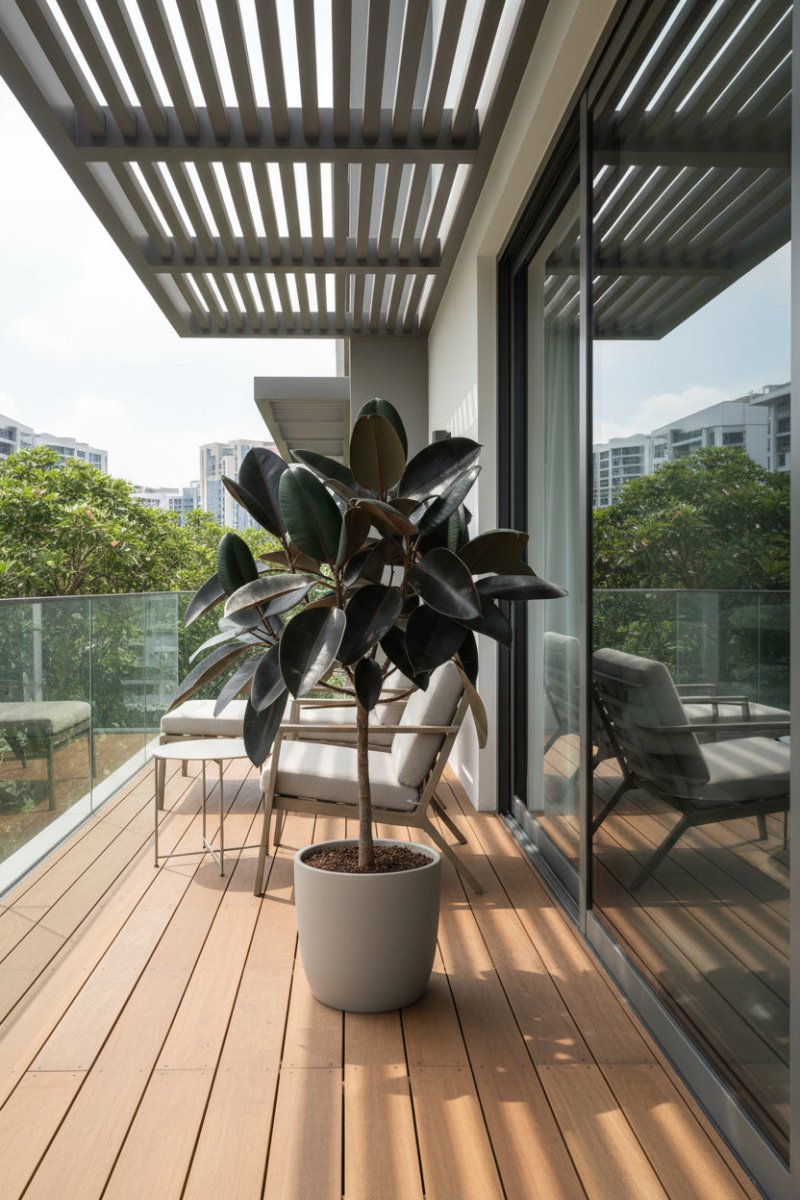
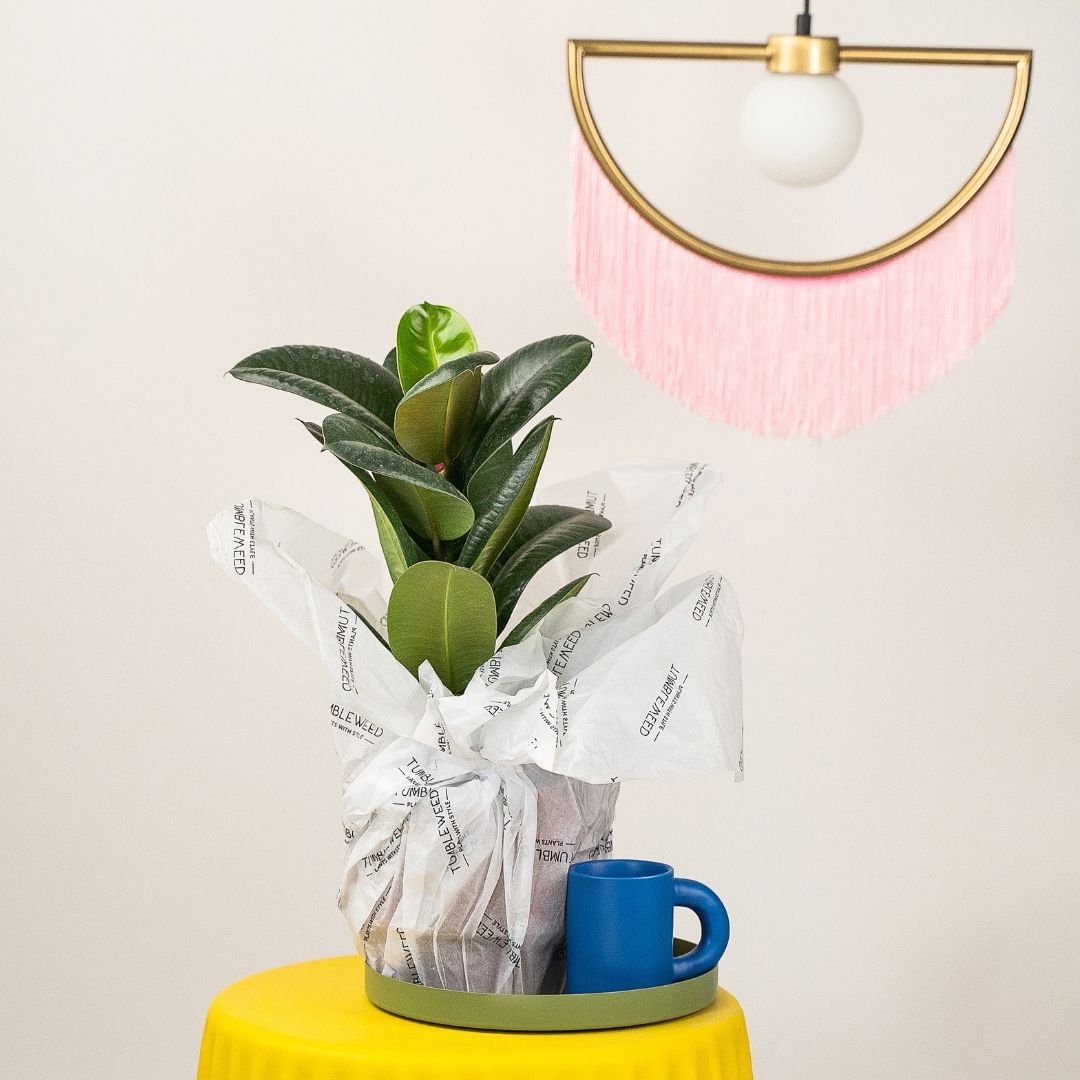
Ficus elastica (Rubber Plant)
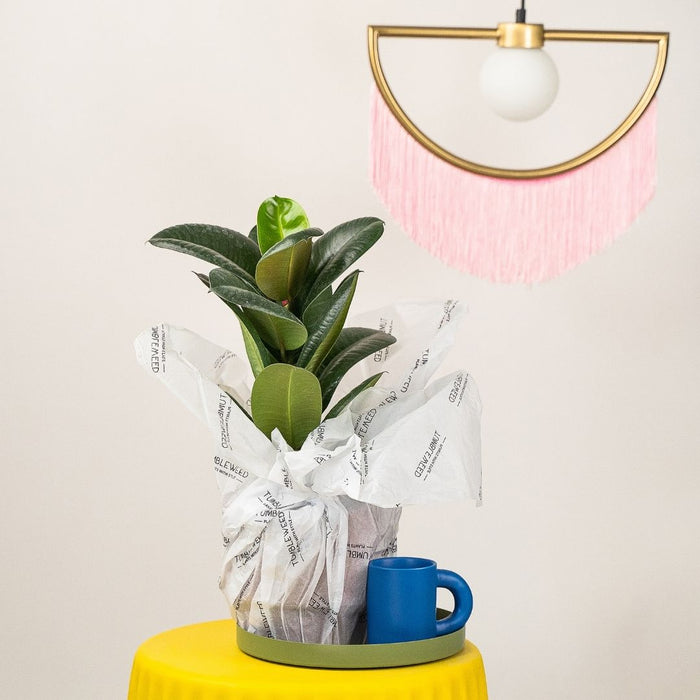
The bold, glossy-leaved classic. Comes in green, burgundy, and variegated forms like 'Tineke' and 'Ruby'. Extremely forgiving and perfect for beginners. Browse our rubber plant collection.
Ficus lyrata (Fiddle Leaf Fig)
The Instagram darling with large, violin-shaped leaves. Stunning but slightly more demanding. Needs consistent conditions and bright light.
Ficus benghalensis 'Audrey'
Increasingly popular as a lower-maintenance alternative to the Fiddle Leaf Fig. Velvety leaves with pale veins. Hardy and adaptable.
Ficus benjamina (Weeping Fig)
The classic indoor tree with small, elegant leaves. Known for dropping leaves when stressed by changes, but very rewarding once established.
Ficus microcarpa (Ginseng Ficus)
Often sold as a bonsai. Thick, bulbous roots with glossy oval leaves. Great for small spaces and desks.
Light Requirements

Most ficus plants want bright, indirect light. Here's the breakdown:
- Ficus elastica: Tolerates medium light but grows faster in bright indirect light. Variegated types need more light to maintain their patterns
- Ficus lyrata: Needs the most light of the group — bright indirect, ideally near a large window
- Ficus Audrey: Adaptable to medium-bright indirect light
- Ficus benjamina: Bright indirect light. Very sensitive to being moved — pick a spot and stick with it
Singapore tip: East-facing windows or a spot 1-2 meters from a west-facing window work well. If your space is dark, consider grow lights — especially for Fiddle Leaf Figs.
Watering
All ficus plants follow the same basic rule: let the top few centimeters of soil dry out, then water thoroughly.
- Water when the top 3-5 cm feels dry (deeper for larger pots)
- Water deeply until it runs from drainage holes
- Never let them sit in standing water
- In Singapore with air conditioning: roughly every 7-10 days
- Without air conditioning: every 5-7 days
Critical: Ficus plants hate inconsistency. Try to water on a regular schedule rather than alternating between bone dry and soaked.
Humidity

Singapore's natural humidity is ideal. Most ficus plants are fine with 50-70% relative humidity. In heavily air-conditioned rooms:
- Group plants together
- Use a pebble tray
- Mist Fiddle Leaf Figs occasionally (they appreciate the extra moisture on their large leaves)
Soil
A chunky, well-draining mix works best:
- 50% quality potting mix
- 25% perlite
- 25% orchid bark
This prevents waterlogging while retaining enough moisture. Ficus plants develop root rot easily in dense, soggy soil.
Fertilizing

- Feed monthly during the growing season (March-October) with a balanced liquid fertilizer at half strength
- Skip or reduce in the cooler months
- Avoid fertilizing a stressed plant (recently repotted, dropping leaves, etc.)
Common Ficus Problems
Leaf drop
The #1 ficus complaint. Common causes:
- Change in location — Ficus benjamina is notorious for this. Give it 2-3 weeks to adjust
- Overwatering or underwatering — Check the soil before you water
- Drafts — Keep away from air conditioning vents and doors
- Low light — Gradually move to a brighter spot
Yellow leaves
Usually overwatering. Check your soil moisture and drainage. Could also be nutrient deficiency if the plant hasn't been fertilized in months.
Brown spots or edges
- Brown patches on leaves: could be sunburn (direct afternoon sun) or bacterial infection
- Brown edges: usually low humidity or inconsistent watering
Sticky residue on leaves
Scale insects or mealybugs produce honeydew. Inspect leaf undersides and stems. Treat with neem oil or insecticidal soap.
Pruning and Shaping

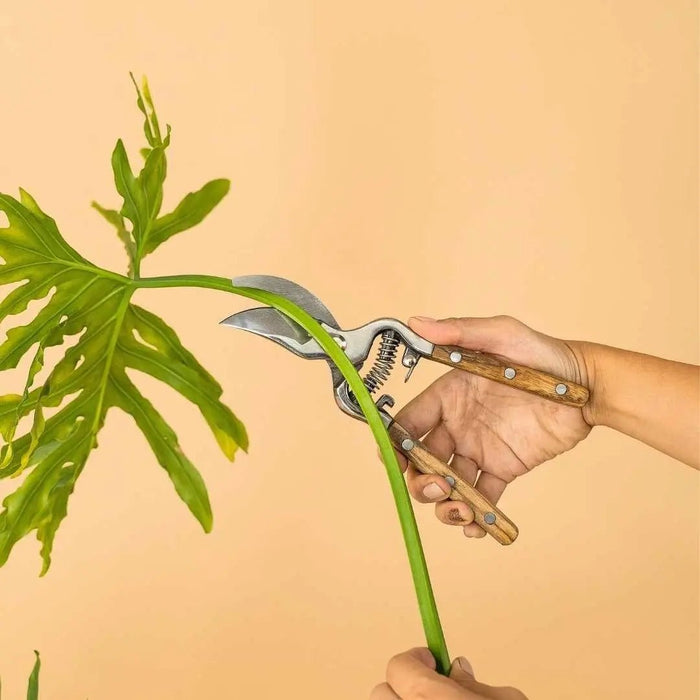
Ficus plants respond well to pruning and can be shaped into trees, bushes, or even braided trunks.
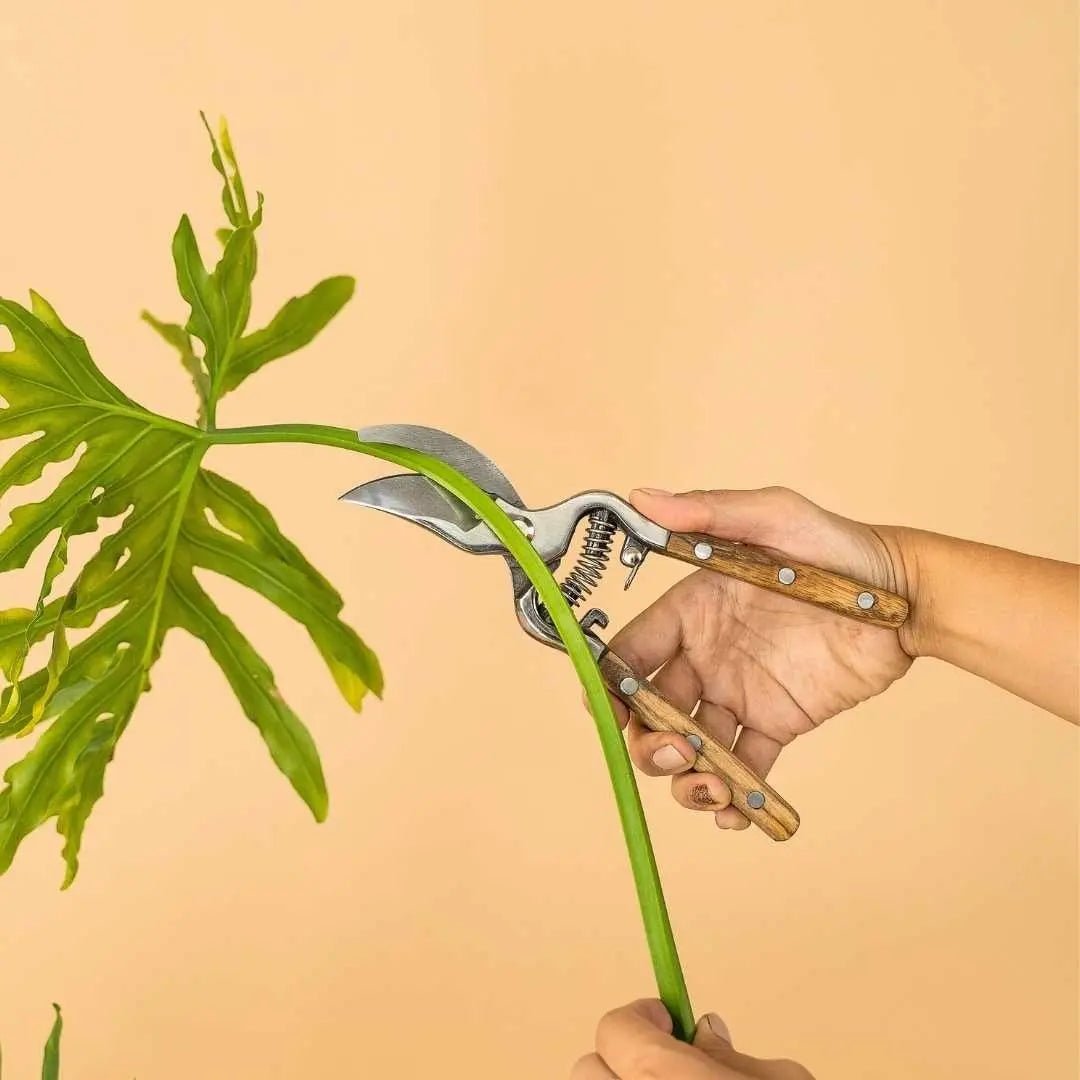
- Prune in spring when growth is active
- Cut just above a leaf node to encourage branching
- Wear gloves — all ficus species produce white latex sap that can irritate skin
- Wipe sap from cuts with a damp cloth
Repotting
- Repot every 1-2 years in spring
- Go up only one pot size (2-3 cm larger diameter)
- Ficus plants tolerate being slightly root-bound
- Use a pot with drainage holes and a well-draining mix
Which Ficus Should You Choose?
Final Thoughts
Ficus plants are among the most rewarding indoor trees you can grow in Singapore. Once you understand their preferences — consistent watering, bright indirect light, and minimal fuss — they'll grow into stunning statement plants that last for years.
Explore our plant collection for ficus varieties and other indoor trees perfect for Singapore homes.
Quick summary
Key Takeaways
- Popular Ficus Species for Singapore Homes
- Light Requirements
- Watering
- Humidity
- Soil
- Fertilizing
Ready to bring some green into your home?
Browse 250+ hand-picked plants, curated for Singapore homes — delivered to your door.
Browse All Plants →