














Aloe Vera Care Guide Singapore: Growing Aloe Successfully Indoors
Posted on April 09 2026
In this article
# Aloe Vera Care Guide Singapore: Growing Aloe Successfully Indoors | Tumbleweed Plants Singapore

Aloe vera is one of those rare plants that is as useful as it is beautiful. Its thick, fleshy leaves contain a soothing gel that has been used for centuries to treat minor burns, sunburn, and skin irritation. As a houseplant, aloe vera brings a clean, architectural look to your space with its upright rosette of spiky, succulent leaves.
But growing aloe vera in Singapore requires a different approach than in the dry, warm climates where it naturally thrives. Our high humidity is the main challenge — aloe vera's biggest enemy in Singapore is not heat or light, but too much moisture. The Tiger Aloe is a particularly attractive variety with distinctive spotted leaves that adds visual interest beyond the standard green aloe.
Understanding Aloe's Needs in Singapore
Aloe vera is native to the Arabian Peninsula and thrives in hot, dry conditions. Singapore provides the heat but not the dryness. This means you need to adjust standard aloe care advice (written for dry climates) for our humid tropical environment:
- Less watering than any care guide from a temperate country will suggest
- Better drainage than typical potting mixes provide
- More ventilation to prevent moisture-related issues
- Bright light to keep growth compact and healthy
Light Requirements

Aloe vera needs plenty of bright light, and ideally some direct sunlight:
Best positions:
- Sunny windowsill (east or west-facing)
- Near a south-facing window
- Sheltered balcony with morning sun
Minimum: 4-6 hours of bright light daily. Aloe vera tolerates some direct sun, but Singapore's intense afternoon sun through west-facing windows can scorch the leaves if the plant is not acclimated.
Signs of insufficient light:
- Leaves becoming thin and elongated (etiolation)
- Plant leaning dramatically toward the light source
- Pale, washed-out leaf colour
- Slow or no growth
Signs of too much direct sun:
- Brown or reddish-brown leaf tips and edges
- Leaves turning pale or yellowish
- Dry, crispy patches
Watering in Singapore: The Most Important Section
This is where Singapore-specific care diverges most from standard advice. In our humid climate, the soil stays moist much longer than in dry climates, and aloe vera roots are extremely susceptible to rot in wet conditions.
Golden Rules
- Water less than you think: In Singapore, aloe vera typically needs watering only every 14-21 days
- Let soil dry completely: Wait until the soil is bone dry at least 3-4cm deep before watering
- Test before watering: Use a moisture meter or insert a wooden chopstick — if it comes out clean and dry, water. If any soil sticks, wait.
- Soak and drain: When you do water, drench the soil thoroughly and let it drain completely
- Never leave in standing water: Empty saucers immediately after watering
Seasonal Adjustments
- Dry season (February-April): May need water every 10-14 days
- Monsoon season (November-January): Reduce to every 21-28 days — ambient humidity keeps the plant hydrated
- Rainy periods: If your aloe is on a balcony, move it under cover or skip watering entirely
Watering in Air-Conditioned Rooms
Air conditioning reduces humidity, which actually benefits aloe vera. In heavily airconditioned rooms, you may need to water slightly more frequently — every 10-14 days — but still less than most tropical houseplants.
Soil: Non-Negotiable Drainage
Standard potting soil will kill aloe vera in Singapore's humidity. You need an extremely well-draining mix:
Recommended mix:
- 40% coarse sand or pumice
- 30% perlite
- 30% quality potting mix
Alternatively, use a commercial cactus and succulent mix and add extra perlite. The soil should feel gritty and should drain almost immediately when watered — water should not pool on the surface.
Pot Selection
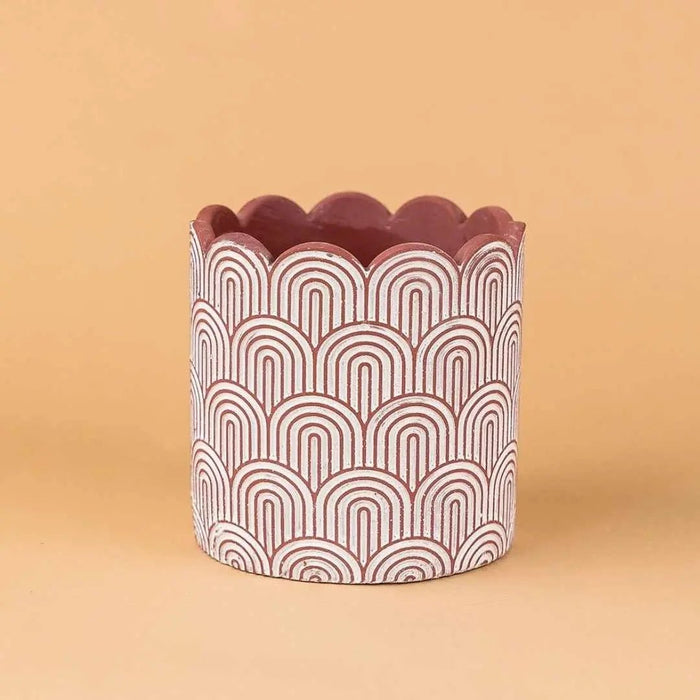
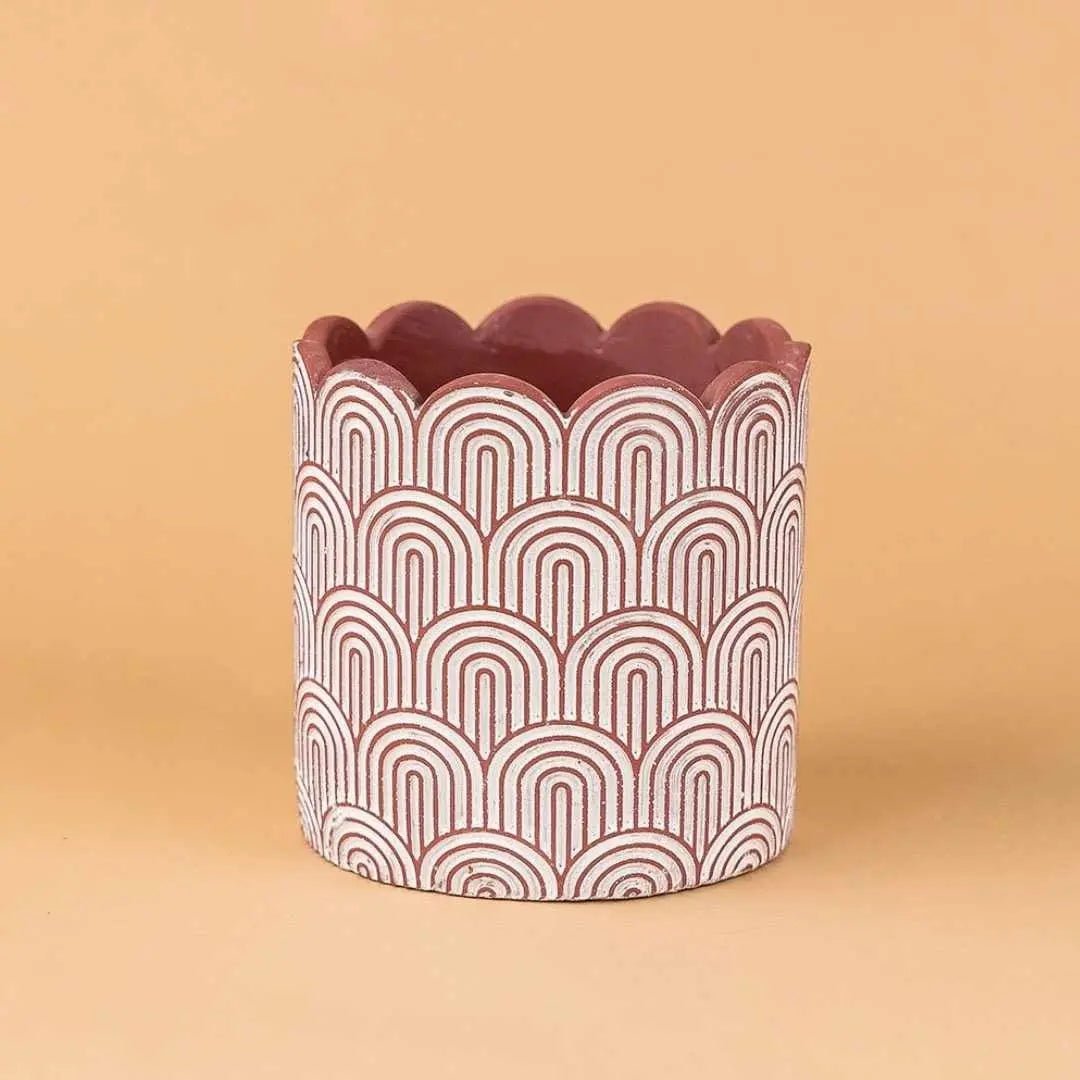
- Terracotta: Best choice for Singapore — the porous material wicks moisture away from roots
- Drainage holes: Absolutely essential. No exceptions.
- Size: Choose a pot only slightly larger than the root ball. Oversized pots hold too much moisture.
- Shallow and wide: Aloe vera has a shallow root system. Wide, shallow pots are better than deep, narrow ones.
Fertilising
Aloe vera is a light feeder and can be damaged by over-fertilising:
- Frequency: Once every 4-6 weeks during the growing season
- Type: Dilute liquid fertiliser at half strength, or a cactus-specific formula
- Skip: During cooler or wetter months when growth slows
- Organic option: A light top dressing of worm castings every few months
Common Problems in Singapore
Root Rot
The number one killer of aloe vera in Singapore. Symptoms:
- Soft, mushy base
- Leaves turning brown and translucent from the base up
- Foul smell from the soil
- Plant easily pulls out of the soil
Fix: If caught early, remove from pot, cut away all mushy roots and affected base tissue with a sterile knife, let the plant dry for 2-3 days in a ventilated area, then repot in completely fresh, dry soil. Do not water for at least 10 days.
Brown Leaf Tips
Can indicate:
- Sunburn (too much direct afternoon sun)
- Underwatering (very dry soil for extended periods)
- Natural aging of lower leaves
Fix: Trim brown tips with clean scissors. Adjust light or watering as needed.
Soft, Translucent Leaves
Almost always overwatering. The leaves become waterlogged and lose their firmness:
- Stop watering immediately
- Check for root rot
- Ensure drainage is adequate
- Repot in drier soil if the current mix is retaining too much moisture
Leggy, Stretched Growth
Not enough light. Move to a brighter location. Once a leaf has stretched, it will not compact again, but new growth will be more compact in better light.
Pests
Aloe vera is relatively pest-resistant, but watch for:
- Mealybugs: White cottony clusters at the base of leaves. Treat with rubbing alcohol on a cotton swab.
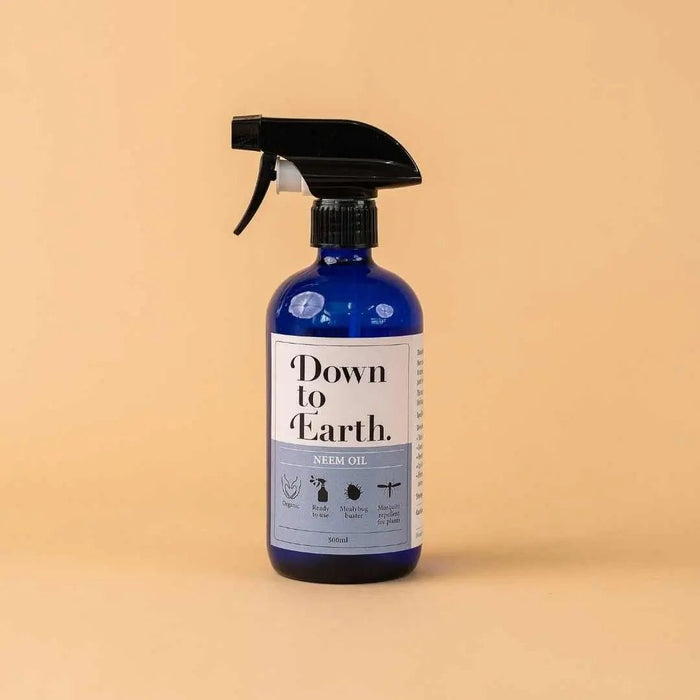
- Scale: Brown bumps on leaves. Scrape off manually or treat with neem oil.
Propagation
Aloe vera produces offsets (pups) — small baby plants that grow from the base of the mother plant:
- Wait until the pup has its own root system and is about 10cm tall
- Gently separate it from the mother plant with a clean knife
- Let the cut end dry for 1-2 days
- Plant in its own pot with well-draining soil
- Wait a week before watering to let any wounds heal
In Singapore's warmth, pups grow quickly and can be separated every 6-12 months from a healthy mother plant.
Using Aloe Vera Gel
To harvest gel from your plant:
- Select a mature, outer leaf (thick and plump)
- Cut close to the base with a clean knife
- Stand the leaf upright for a few minutes to let the yellow sap (aloin) drain out — this sap can irritate skin
- Slice the leaf open lengthwise
- Scoop out the clear gel with a spoon
Use immediately for burns, sunburn, or skin irritation, or store in the refrigerator for up to a week. Only harvest from healthy, mature plants, and never take more than a couple of leaves at a time.
Styling Your Aloe
- Kitchen windowsill: Convenient for harvesting gel for minor cooking burns
- Bathroom shelf: If there is a bright window, the aloe adds a clean, spa-like aesthetic
- Desk plant: Compact aloes work well in bright office settings
- Grouping: Mix aloe with other succulents for a desert-inspired display
The Tiger Aloe with its spotted leaves makes a particularly attractive display piece, adding pattern and texture to succulent arrangements.
Browse aloe varieties at Tumbleweed Plants with delivery across Singapore.
Quick summary
Key Takeaways
- Understanding Aloe's Needs in Singapore
- Light Requirements
- Watering in Singapore: The Most Important Section
- Soil: Non-Negotiable Drainage
- Fertilising
- Common Problems in Singapore
Ready to bring some green into your home?
Browse 250+ hand-picked plants, curated for Singapore homes — delivered to your door.
Browse All Plants →