

















Best Trailing Plants for Singapore Homes
Posted on April 09 2026
In this article

There is something inherently relaxing about trailing plants. Their cascading vines soften hard edges, drape gracefully from shelves and hangers, and add a sense of movement that upright plants cannot match. In Singapore's compact homes — where floor space is precious and vertical surfaces are underused — trailing plants are the secret weapon of indoor styling.
A single trailing plant on a high shelf or in a hanging planter can transform a bare wall into a living feature. A collection of trailers along a bookshelf or kitchen cabinet creates the lush, layered effect that makes a space feel like a curated urban jungle.
What Makes a Good Trailing Plant for Singapore?
Not every trailing plant thrives in Singapore's indoor conditions. The best choices for local homes share these traits:
- Humidity tolerance. Singapore's humidity fluctuates between outdoor highs (80-90%) and indoor air-conditioned lows (50-60%). Good trailing plants handle both extremes.
- Moderate light needs. Most trailing plants in Singapore homes hang from shelves or walls, often at mid-room positions away from windows. Low to medium light tolerance is essential.
- Fast growth. The whole point of a trailing plant is the cascade. Varieties that grow quickly reward you with dramatic draping within months rather than years.
- Easy care. Trailing plants are often at height — harder to inspect, harder to water. Forgiving varieties that tolerate occasional neglect are practical choices.
The Best Trailing Plants for Singapore

1. Pothos (Epipremnum aureum)
Pothos is the undisputed champion of trailing houseplants. It grows fast, tolerates almost any light condition, survives irregular watering, and produces long, cascading vines that can reach three metres or more indoors.
Best varieties for trailing:
- Golden Pothos — Classic green with golden variegation. The most vigorous grower.
- Marble Queen — White and green marbled leaves. Slightly slower growth, stunning appearance.
- Neon Pothos — Bright chartreuse leaves that glow in medium light. Adds a pop of colour to dark corners.
- Cebu Blue — Silvery-blue, elongated leaves with a metallic sheen. More unusual, equally easy.
Care: Water when the top two to three centimetres of soil are dry. Tolerates low to bright indirect light. Virtually pest-free.
Styling: Trail from the top of kitchen cabinets, bookshelves, or in a hanging macramé planter near a window. Vines can be trained along picture rails, hooks, or even along the ceiling using clear Command hooks.
2. String of Hearts (Ceropegia woodii)
String of Hearts produces delicate, heart-shaped leaves on thin, wiry stems that cascade like a beaded curtain. The leaves display silver markings on dark green, and the underside is often pink or purple. It is impossibly romantic and one of the most photogenic plants in any collection.
Care: Allow soil to dry out between waterings — this is a semi-succulent that tolerates drought better than overwatering. Bright indirect light produces the best colour and density. In lower light, stems become sparse and leaves smaller.
Styling: Best in a hanging planter or on a high shelf where the delicate strands can cascade unobstructed. The thin vines create a curtain-like effect that is particularly beautiful near windows where light passes through the leaves.
3. Philodendron Heartleaf (P. hederaceum)
The Philodendron Heartleaf is essentially Pothos's more refined cousin — similar trailing habit, equally easy, but with darker, velvety leaves that give a more sophisticated look. The heart-shaped leaves are a deep, glossy green that photographs beautifully.
Best varieties:
- Standard green — Deep, consistent green. Classic and reliable.
- Brasil — Lime-green and dark-green variegation. More colourful and equally vigorous.
- Micans — Velvety, iridescent leaves with a bronze-green sheen. Collector favourite.
Care: Similar to Pothos. Water when top soil dries. Tolerates low to bright indirect light. Slightly more humidity-appreciative than Pothos but still very forgiving.
Styling: The darker foliage pairs beautifully with light-coloured pots and light wood shelving. Micans is particularly striking in a terracotta hanging pot.
4. String of Pearls (Senecio rowleyanus)
String of Pearls is one of the most dramatic trailing plants — its round, bead-like leaves create cascading strands that look like strings of green pearls. A mature hanging specimen is genuinely stunning.
Care: This is a succulent, so err on the side of underwatering. Allow soil to dry completely between waterings. Needs bright indirect light — it will etiolate (stretch and lose its compact bead shape) in low light. Use very well-draining succulent soil.
Styling: A hanging planter near a bright window is ideal. The pearl-like beads catch light beautifully from below.
Note: String of Pearls can be finicky in Singapore's high humidity. Ensure excellent soil drainage and air circulation. The similar String of Turtles (Peperomia prostrata) is a more humidity-tolerant alternative with equally charming foliage.
5. Tradescantia
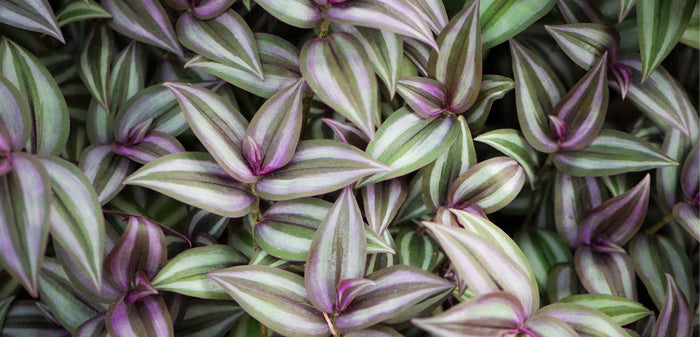
Tradescantia varieties are some of the fastest-growing trailing plants available. They produce vibrant, colourful foliage that adds personality to any space.
Best varieties:
- Tradescantia Nanouk — Pink, purple, and green striped leaves. Compact growth.
- Tradescantia Zebrina — Silver and purple striped leaves with a metallic sheen. Very fast grower.
- Tradescantia Fluminensis — Solid green or variegated. Extremely vigorous.
Care: Water when top soil dries. Bright indirect light intensifies colours; lower light causes colours to fade. Pinch growing tips regularly to encourage bushy growth rather than sparse, leggy vines.
Styling: Vibrant colours make Tradescantia a statement plant. Use neutral pots to let the foliage steal the show.
6. Hoya (Wax Plant)
Hoya varieties are trailing plants that double as flowering plants. Their waxy, often fragrant blooms are a bonus on top of attractive trailing foliage. Hoyas are slow to moderate growers but extremely long-lived.
Best trailing varieties:
- Hoya carnosa — Classic thick, waxy leaves. Produces fragrant, porcelain-like flower clusters.
- Hoya linearis — Thin, needle-like leaves that create a unique curtain effect.
- Hoya curtisii — Tiny, speckled leaves on delicate trails. Compact and charming.
Care: Allow soil to dry between waterings. Bright indirect light encourages flowering. Do not remove old flower stalks (peduncles) — Hoyas rebloom from the same spot.
Styling: Hoyas look stunning in hanging ceramic pots. The thick, sculptural leaves and occasional flower clusters create an elegant display.
7. English Ivy (Hedera helix)
English Ivy is a classic trailing plant with attractive lobed leaves. It is commonly used in hanging baskets and as a trailing shelf plant.
Care: Prefers cooler conditions — it can struggle in Singapore's heat if placed in warm, stagnant areas. Position near an AC vent or in an air-conditioned room for best results. Regular misting helps. Bright indirect light is ideal.
Styling: The European aesthetic of English Ivy pairs well with vintage or cottage-style interiors. Use in a wire hanging basket for a traditional look.
8. Dischidia
A lesser-known genus that deserves more attention. Dischidias are epiphytic trailing plants with small, often inflated or coin-shaped leaves. They are closely related to Hoyas and share similar ease of care.
Best varieties:
- Dischidia nummularia (String of Nickels) — Round, coin-like leaves on trailing stems.
- Dischidia ruscifolia (Million Hearts) — Tiny heart-shaped leaves densely packed along stems.
Care: Epiphytic — plant in orchid bark or sphagnum moss rather than standard soil. Mist regularly or grow in a humid spot. Bright indirect light.
Styling: Mounted on a piece of driftwood or cork bark for a living wall installation, or in a hanging pot where their delicate trails create a waterfall effect.
Hanging and Display Methods
Ceiling Hooks
The classic method. Install a ceiling hook and hang your plant in a macramé hanger, ceramic hanging pot, or wire basket. Ensure the hook can support the weight of the plant plus wet soil (heavier than you think).
Tip: In HDB flats, drill into concrete ceilings using a masonry bit and plastic wall plugs. Test the hook with your body weight before hanging a plant.
Wall-Mounted Hooks
Individual hooks screwed into the wall at different heights allow trailing plants to cascade down the wall surface. Use clear or decorative hooks depending on your aesthetic.
High Shelf Placement
The simplest approach — no drilling required. Place trailing plants on the highest shelf of a bookcase, kitchen cabinet, or floating shelf. Let the vines cascade naturally over the edge.
Curtain Rod Hangers
Hang small pots from a curtain rod mounted near the ceiling. This creates a "plant curtain" effect, especially effective with multiple trailing plants along the rod's length.
Magnetic and Adhesive Hooks
For renters who cannot drill, heavy-duty adhesive hooks (Command hooks rated for 2+ kg) work for small trailing plants. Magnetic hooks work on metal surfaces like fridge sides.
Care Tips for Trailing Plants at Height

Watering Access
The biggest challenge with elevated trailing plants is watering without making a mess. Solutions:
- Ice cube method: Place a few ice cubes on the soil surface. They melt slowly, watering the plant without overflow. Works for small pots.
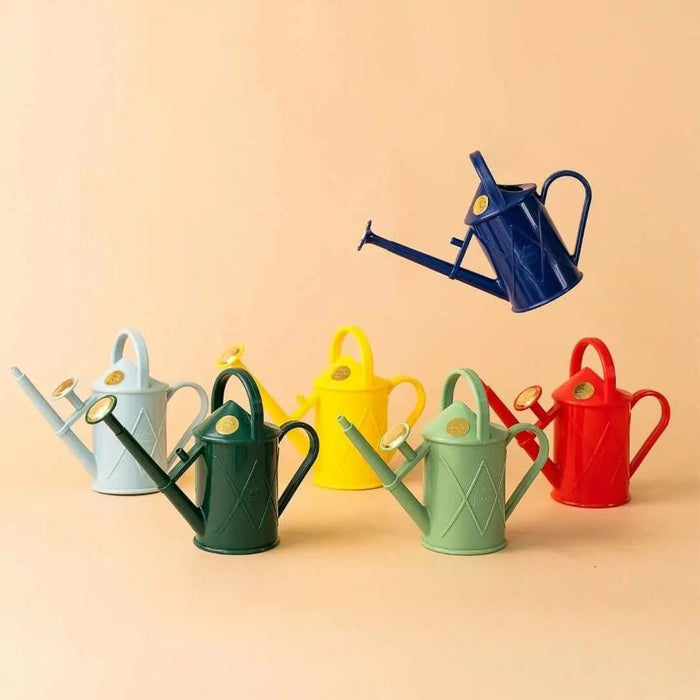
- Long-spout watering can: A narrow spout allows precise pouring into the pot without removing it from the hook.
- Remove and soak: Unhook the plant, bottom water in the sink, drain, and rehang. More effort but the most thorough method.
- Self-watering pots: Some hanging pots include built-in reservoirs that wick water to the soil.
Pruning for Fullness
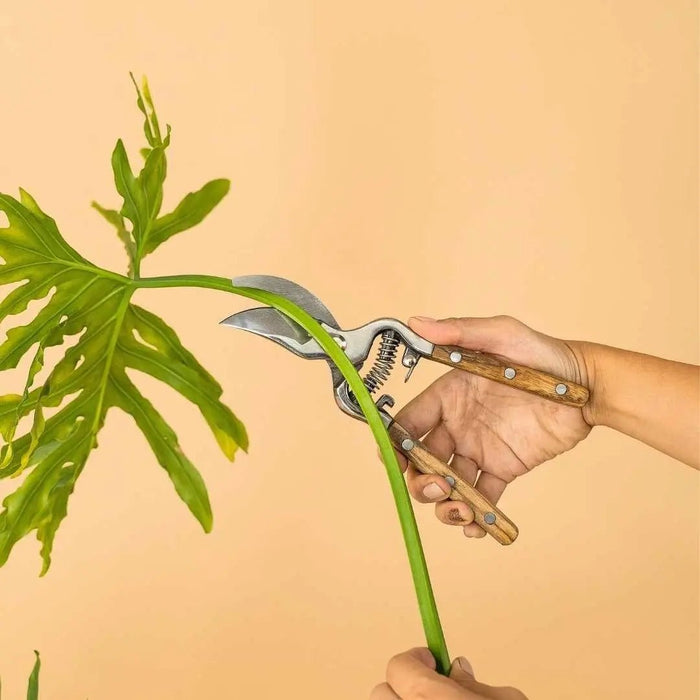
Most trailing plants become sparse and leggy over time as energy goes to extending the longest vines. Prune vine tips back to encourage branching. Propagate the cuttings and add them back to the same pot for a fuller appearance.
Rotation
Trailing plants near walls cascade in one direction. Rotate the pot monthly so growth stays balanced.
Pest Inspection
Elevated plants are easy to neglect. Make a point of lifting and inspecting them during your regular watering routine. Mealybugs and spider mites love undisturbed, warm, sheltered spots — exactly where hanging plants tend to live.
Start Your Trailing Plant Collection
Ready to add some cascading greenery to your Singapore home? Browse our collection of indoor plants including Pothos, Philodendron, Hoya, and more. We deliver healthy, ready-to-trail plants right to your doorstep.
Trailing plants are the fastest way to make a room feel lush. Start with one hardy variety — a Golden Pothos or Heartleaf Philodendron — and let it grow. Within a few months, you will have cascading vines that transform your space, and you will wonder why you did not start sooner.
Quick summary
Key Takeaways
- What Makes a Good Trailing Plant for Singapore?
- The Best Trailing Plants for Singapore
- Hanging and Display Methods
- Care Tips for Trailing Plants at Height
- Start Your Trailing Plant Collection
Ready to bring some green into your home?
Browse 250+ hand-picked plants, curated for Singapore homes — delivered to your door.
Browse All Plants →