


























Pothos Care Guide: The Easiest Trailing Plant for Singapore Homes
Posted on April 08 2026
In this article
- Meet the Pothos Family: Popular Varieties for Singapore
- Light Requirements: What Works in Singapore Homes
- Watering Your Pothos in Singapore
- Propagation: Grow Your Collection for Free
- Soil, Pots, and Repotting
- Pest Prevention and Treatment
- Creative Styling Ideas for Pothos in Singapore Homes
- Troubleshooting Common Pothos Problems
# Pothos Care Guide: The Easiest Trailing Plant for Singapore Homes | Tumbleweed Plants Singapore

If there is one plant that every Singapore home should have, it is the Pothos. Hardy, beautiful, and almost impossibly easy to grow, Pothos has earned its reputation as the ultimate beginner plant -- and for good reason. In Singapore's tropical climate, Pothos does not just survive; it positively thrives. The warm temperatures and high humidity that define our island create near-perfect conditions for this versatile trailing plant to grow quickly, stay healthy, and look spectacular with minimal effort.
Whether you want cascading vines trailing from a high shelf, a lush tabletop plant, or a living wall of green in your bathroom, Pothos can do it all. This guide covers everything Singapore plant parents need to know: from choosing your variety to mastering propagation, and from preventing pests to getting the most out of our tropical growing conditions.
Meet the Pothos Family: Popular Varieties for Singapore
Pothos (Epipremnum aureum) comes in a delightful range of varieties, each with its own leaf pattern and colouring. All share the same easy-going nature, but their appearances are quite different. Here are the most popular varieties you will find in Singapore.
Golden Pothos
The classic. Golden Pothos features heart-shaped green leaves splashed with irregular golden-yellow variegation. It is the most common variety and arguably the hardiest. If you have never owned a Pothos before, Golden Pothos is the place to start. It tolerates a wide range of light conditions, bounces back from neglect, and grows rapidly in Singapore's climate.
Marble Queen Pothos
Marble Queen is a showstopper with heavily variegated leaves in cream and green, giving it an elegant, almost marbled appearance. It grows slightly slower than Golden Pothos because the white portions of the leaves contain less chlorophyll, which means it produces energy less efficiently. In Singapore, Marble Queen does best in bright indirect light -- the more light it receives, the more pronounced its white variegation becomes.
Neon Pothos
True to its name, Neon Pothos has vivid chartreuse-lime leaves that practically glow. There is no variegation -- just a solid, electric green-yellow that adds a pop of colour to any room. Neon Pothos is just as hardy as Golden Pothos and its bright colouring makes it a fantastic accent plant when paired with darker green species.
Manjula Pothos
A newer variety that has become increasingly popular in Singapore, Manjula features wide, wavy leaves with swirling patterns of green, cream, silver, and white. Each leaf is unique. It grows more compactly than other varieties, making it well-suited for tabletop display.
Satin Pothos (Scindapsus pictus)
Technically not a true Pothos (it belongs to the Scindapsus genus), Satin Pothos is commonly grouped with the Pothos family and cared for identically. Its velvety, silvery-spotted leaves are gorgeous trailing from a shelf or hanging planter. It handles Singapore's humidity beautifully and adds a different texture to a Pothos collection.
Light Requirements: What Works in Singapore Homes

One of the reasons Pothos is so well-suited to Singapore living is its remarkable flexibility with light. It can adapt to conditions ranging from low light to bright indirect light, making it viable for nearly every room in your HDB, condo, or landed home.
Bright Indirect Light (Ideal)
For the fastest growth and best leaf colour, place your Pothos where it receives bright but indirect light. In a Singapore HDB flat, this typically means within one to two metres of a window, but not in direct sun. East-facing windows are particularly good -- they provide gentle morning light without the harsh afternoon intensity.
Variegated varieties (Marble Queen, Manjula) especially benefit from brighter light. Without adequate light, their white and cream portions may revert to solid green as the plant compensates for reduced photosynthesis.
Medium to Low Light
Pothos tolerates medium and even low light better than most houseplants. A spot several metres from a window, a north-facing room, or even a corridor with no direct natural light can work. Growth will be slower and leaves may be smaller and less variegated, but the plant will survive.
This low-light tolerance makes Pothos ideal for Singapore bathrooms, which often have small frosted windows or no windows at all. A Pothos in a bathroom can rely on artificial light from daily use and still maintain itself.
Direct Sunlight: A Caution
While Pothos handles low light well, it does not enjoy prolonged direct sunlight, especially Singapore's intense afternoon sun. Direct sun can scorch leaves, causing brown, crispy patches. If your Pothos is near a west-facing window, pull it back or use a sheer curtain to filter the light.
Watering Your Pothos in Singapore
Watering is where many new plant parents overthink things. Pothos is forgiving, but understanding how Singapore's climate affects watering will help your plant truly flourish.
The Simple Approach
Water your Pothos when the top two to three centimetres of soil feel dry to the touch. In Singapore, this typically means watering once every five to seven days for indoor plants. During cooler, rainier periods (monsoon season from November to January), you may water less frequently. During hotter, drier months, you may need to water more often.
When you water, water thoroughly until liquid drains from the bottom of the pot. Then let the soil dry down before watering again. This wet-dry cycle mimics the natural conditions Pothos experiences in the wild and encourages healthy root development.
Signs of Overwatering
Yellow leaves (especially lower leaves), mushy stems, and a sour smell from the soil are signs of overwatering. In Singapore's humid environment, soil retains moisture longer than in drier climates, so err on the side of underwatering if you are unsure. Pothos recovers from drought far more easily than from root rot.
If you suspect overwatering, let the soil dry out completely before watering again. If the problem is severe and roots are mushy, you may need to repot into fresh, dry soil and trim away any rotten roots.
Signs of Underwatering
Wilting, drooping leaves are the classic sign. Pothos is dramatic about thirst -- it will droop noticeably when it needs water, then perk up within hours of a good soak. While you should not rely on wilting as your watering cue (chronic underwatering stresses the plant), it is a useful safety signal that tells you the plant needs attention.
Dry, crispy leaf edges can also indicate underwatering, though in Singapore this is less common than in drier climates due to our ambient humidity.
Singapore Humidity Advantage
Singapore's average humidity of 70-90% is a significant advantage for Pothos care. In drier climates, plant parents often struggle to maintain adequate humidity with pebble trays, humidifiers, and frequent misting. In Singapore, the ambient humidity does this work for you. Your Pothos will have lush, healthy foliage without any supplemental humidity measures.
This is one of the reasons Pothos grows so vigorously here compared to temperate climates. The combination of warmth and humidity creates near-ideal conditions year-round.
Propagation: Grow Your Collection for Free

Pothos is one of the easiest plants to propagate, and water propagation is the most beginner-friendly method. In Singapore's warm conditions, roots develop quickly, often within one to two weeks.
Water Propagation Step by Step
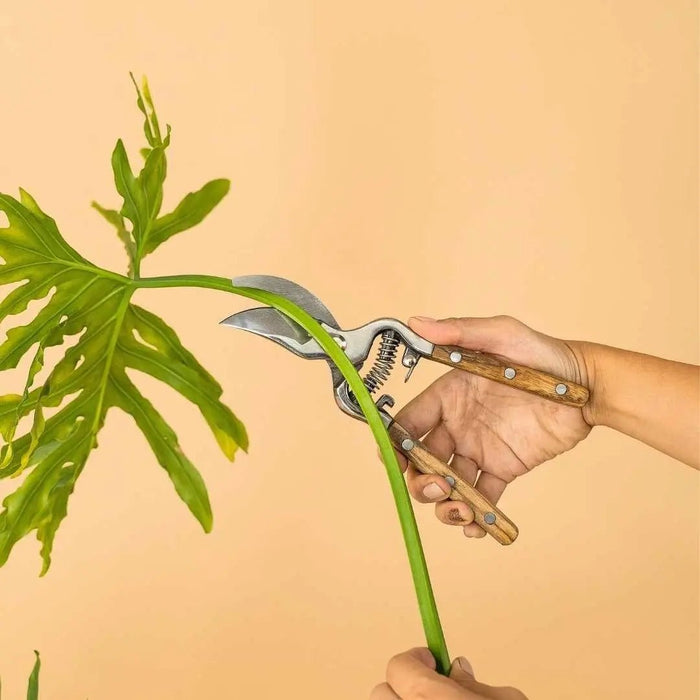
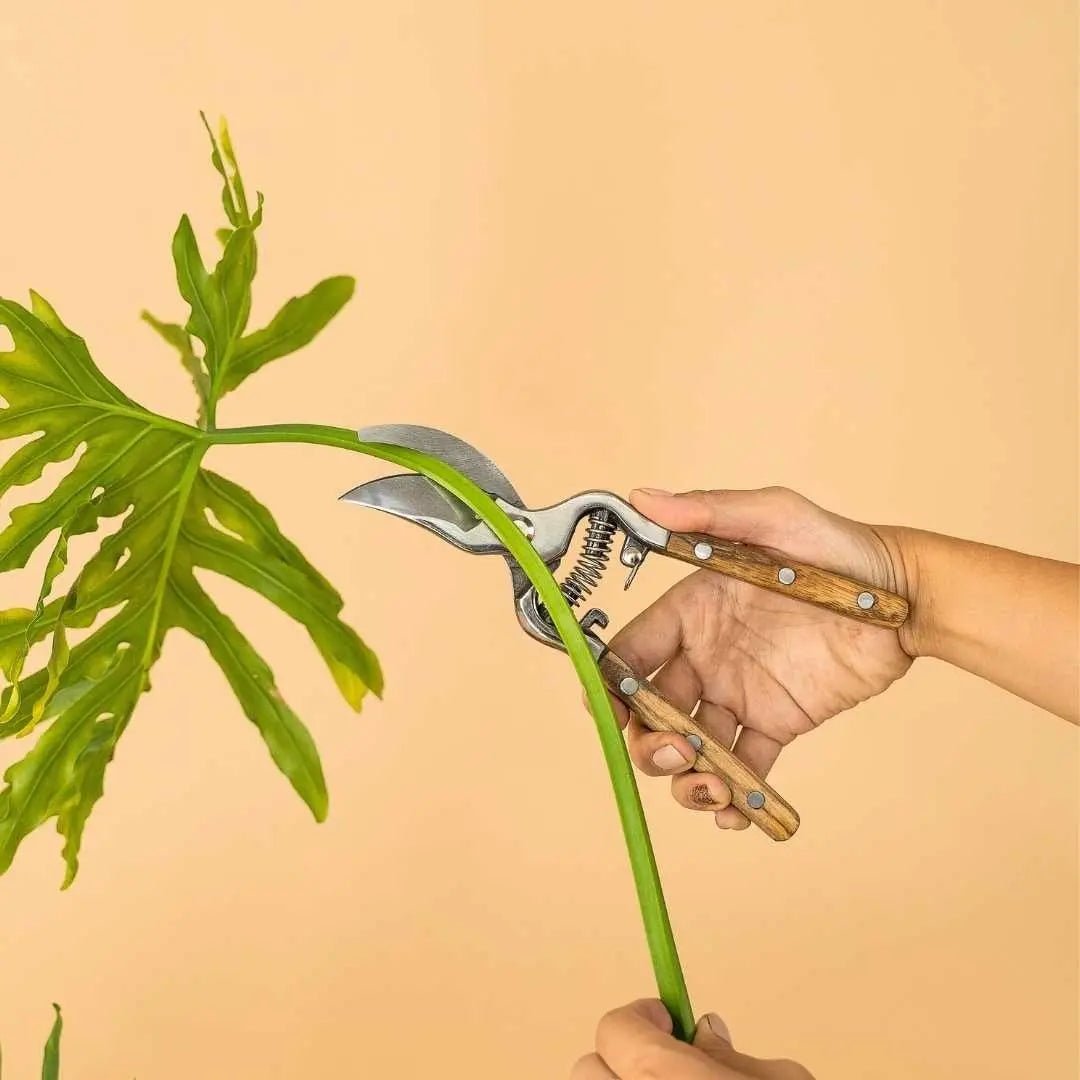
- Take a cutting: Using clean scissors or pruning shears, cut a stem section that includes at least one node (the small bump on the stem where leaves and aerial roots emerge). Each cutting should be 10-15 centimetres long with two to three leaves.
- Remove lower leaves: Strip the leaf or leaves closest to the cut end so that the node is exposed and will sit below the water line.
- Place in water: Put the cutting in a glass or jar of clean water, ensuring at least one node is submerged. Place the jar in a spot with bright indirect light.
- Change water regularly: Replace the water every three to four days to keep it fresh and oxygenated. In Singapore's warmth, stagnant water can become a breeding ground for mosquitoes and bacteria, so regular changes are important.
- Wait for roots: Within one to three weeks, you should see white roots emerging from the submerged node. Let the roots grow to at least five centimetres before transplanting to soil.
- Transfer to soil: Plant the rooted cutting in a well-draining potting mix. Water thoroughly and keep the soil consistently moist (not wet) for the first two weeks while the roots adjust to their new medium.
Propagation Tips for Singapore
Singapore's warmth accelerates root development, so propagation tends to be faster here than in cooler climates. You can propagate year-round with equally good results -- there is no need to wait for spring as guides written for temperate climates often suggest.
Keep propagation jars out of direct sunlight. A bright spot on your kitchen counter or bathroom shelf is ideal. Algae can grow quickly in warm, lit water, so opaque containers or tinted glass can help if algae becomes an issue.
Growing Pothos Permanently in Water
Pothos can live indefinitely in water, and some Singapore plant parents prefer this approach for its simplicity and clean aesthetic. If you choose to grow Pothos in water permanently, add a drop of liquid fertilizer to the water every two to four weeks to replace the nutrients the plant would normally get from soil. Change the water completely every one to two weeks.
Soil, Pots, and Repotting
Soil Mix
Pothos is not fussy about soil, but it does need good drainage. A standard indoor potting mix with added perlite (roughly 70% potting mix, 30% perlite) works well. The perlite improves drainage and aeration, which is especially important in Singapore where humidity slows soil drying.
Avoid heavy, clay-rich soils that retain excessive moisture. In our climate, these create conditions ripe for root rot.
Pot Selection
Always use a pot with drainage holes. Pothos roots do not like sitting in waterlogged soil. If you fall in love with a decorative cache pot that has no drainage, use it as an outer pot and place a plain nursery pot with drainage holes inside it. Simply remove the inner pot to water and drain, then return it to the decorative pot.
When to Repot
Repot your Pothos when roots begin circling the bottom of the pot or emerging from drainage holes. In Singapore's fast-growing conditions, this may be every 12 to 18 months. Move up one pot size (roughly two to three centimetres larger in diameter). Repotting in a pot that is too large holds excess moisture and can lead to root rot.
Pest Prevention and Treatment
Pothos is relatively pest-resistant, but no plant is immune. Here are the most common pests Singapore Pothos owners encounter.
Mealybugs
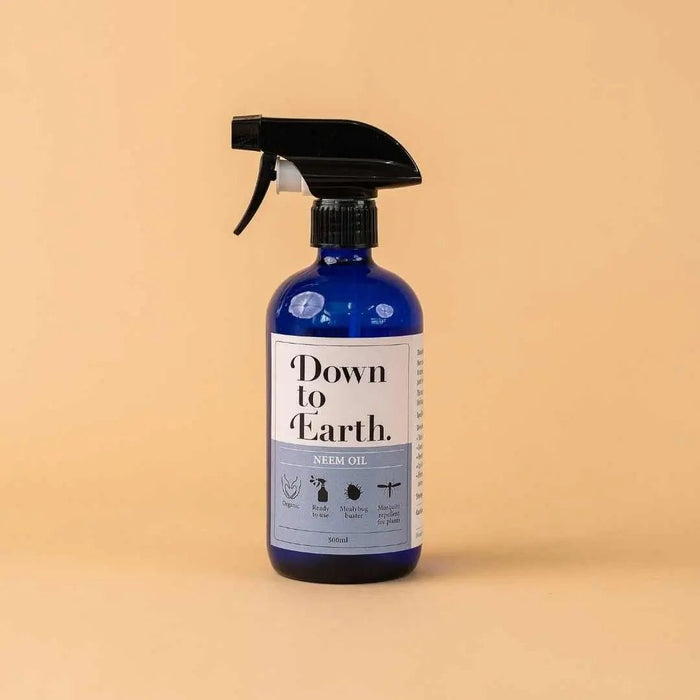
These white, cottony insects cluster at leaf joints and on the undersides of leaves. They suck sap and weaken the plant. Treat by dabbing individual bugs with a cotton swab dipped in rubbing alcohol, then spray the entire plant with a neem oil solution. Repeat weekly until the infestation clears.
Spider Mites
Tiny and hard to spot, spider mites create fine webbing between leaves and stems. They are less common in Singapore's humid climate (they prefer dry conditions) but can appear in heavily air-conditioned rooms. Increase humidity around the plant and spray with neem oil or insecticidal soap.
Fungus Gnats
These small flying insects are more of a nuisance than a serious threat, but their larvae can damage roots. They thrive in consistently moist soil. Allow the top layer of soil to dry out between waterings and consider adding a layer of sand on the soil surface to deter egg-laying. In Singapore, fungus gnats are common year-round due to the warmth.
Prevention Tips
- Inspect new plants before bringing them home and keep them isolated for a week.
- Wipe leaves with a damp cloth monthly to remove dust and potential pests.
- Ensure good airflow around your plants -- stagnant air encourages pest problems.
- Avoid overwatering, which attracts gnats and creates conditions for root diseases.
Creative Styling Ideas for Pothos in Singapore Homes
Pothos is as versatile in styling as it is in care. Here are some ideas for displaying your Pothos beautifully in a Singapore home.
Trailing from High Shelves
Place a Pothos on a high bookshelf, kitchen cabinet, or wall-mounted shelf and let the vines trail downward. Over time, the cascading effect becomes increasingly dramatic. In a compact HDB flat, this adds greenery without using any floor or table space. Browse our trailing plants collection for more options that create this cascading effect.
Climbing a Moss Pole
While Pothos is typically displayed as a trailing plant, it is actually a natural climber. Give it a moss pole or coir pole and it will climb upward, producing increasingly larger leaves as it ascends. A climbing Pothos on a moss pole makes a striking floor plant that looks very different from the typical trailing display.
Bathroom Trailing
Let a Pothos trail along the top of your bathroom mirror or above the shower area. Singapore bathroom humidity keeps it perpetually happy. Secure vines gently with small adhesive hooks to guide their direction along walls or around the mirror frame.
Living Curtain
Train multiple Pothos vines along a curtain rod or tension rod in front of a window to create a living green curtain. This filters light beautifully and creates a stunning visual feature. It works especially well in HDB living rooms with large windows.
Troubleshooting Common Pothos Problems

Yellow leaves: Usually overwatering. Check soil moisture and reduce watering frequency.
Brown leaf tips: Typically underwatering or very low humidity (rare in Singapore unless in heavy air conditioning).
Leggy growth with small leaves: Insufficient light. Move to a brighter location.
Loss of variegation: Not enough light. Variegated varieties need brighter conditions to maintain their patterns.
Wilting despite moist soil: Possible root rot. Check roots -- healthy roots are white and firm, rotting roots are brown and mushy. If rot is present, trim affected roots and repot in fresh soil.
Slow growth: In Singapore, slow growth is unusual for Pothos. Check light levels, ensure you are fertilizing every four to six weeks during the growing season, and verify the plant is not root-bound.
Pothos is the plant that rewards you just for showing up. It asks for so little and gives so much in return -- lush, trailing greenery that purifies your air and transforms any room. In Singapore's tropical climate, you have every advantage. Place it in reasonable light, water it when the soil dries, and watch it grow. It really is that simple. Explore our full trailing plants collection to find the perfect Pothos variety for your home.
Quick summary
Key Takeaways
- Meet the Pothos Family: Popular Varieties for Singapore
- Light Requirements: What Works in Singapore Homes
- Watering Your Pothos in Singapore
- Propagation: Grow Your Collection for Free
- Soil, Pots, and Repotting
- Pest Prevention and Treatment
Ready to bring some green into your home?
Browse 250+ hand-picked plants, curated for Singapore homes — delivered to your door.
Browse All Plants →