


















How to Create a Balcony Herb Garden in Singapore | Tumbleweed Plants Singapore
Posted on April 10 2026
In this article
Growing herbs on your balcony is one of the most satisfying things you can do with a small outdoor space. The reward loop is immediate — plant, grow, pick, cook, eat. No other form of gardening delivers results this quickly or this deliciously. A sprig of basil torn from your own plant tastes fundamentally different from the wilted bunch in a plastic bag from the supermarket.

In Singapore, balcony herb gardens face specific challenges: intense sun, heavy rainfall, limited space, and the logistics of high-rise living. But these challenges are manageable, and our tropical climate actually gives herbs a longer growing season than most places on earth. With the right approach, you can have fresh herbs within arm's reach of your kitchen year-round.
Assessing Your Balcony
Sun Exposure
Herbs need sun — most require at least 4-6 hours of direct sunlight daily. Assess your balcony honestly:
Full sun (6+ hours direct sun): North and west-facing balconies in Singapore typically receive the most sun. Ideal for Mediterranean herbs (basil, rosemary, thyme) and tropical herbs (laksa leaf, pandan).
Partial sun (3-5 hours direct sun): East-facing balconies get morning sun. Good for most herbs, excellent for heat-sensitive ones (coriander, mint) that appreciate afternoon shade.
Shade (under 3 hours direct sun): South-facing or heavily shaded balconies. Limited herb options — mint and Vietnamese coriander can manage, but most herbs will struggle.
Space
Singapore balconies range from tiny HDB ledges to spacious condo terraces. You do not need much space:
- Minimum: A 30cm-wide railing planter holds 3-4 herb plants
- Moderate: A 60x40cm balcony area fits a vertical herb garden or several pots
- Generous: Multiple large pots, a raised planter bed, or a dedicated herb shelf
Wind
High-floor balconies experience significant wind, which dries soil quickly and can damage delicate herbs. Use heavier pots (ceramic, concrete) and consider wind barriers. Stake tall herbs like lemongrass and rosemary.
Rain
Singapore's heavy downpours can flood herb containers and compact soil. Ensure excellent drainage and consider partial cover during monsoon season.
Best Herbs for Singapore Balconies

Easy and Fast-Growing
Sweet Basil — The king of Singapore balcony herbs. Grows rapidly in full sun, produces prolifically, and is used in countless Asian and Western dishes. Harvest regularly to prevent flowering.
Thai Basil — More heat-tolerant than sweet basil. Essential for Thai and Vietnamese cooking. The purple stems and flowers are attractive as well as functional.
Mint — Grows aggressively in Singapore's climate. Keep in its own pot — it will take over anything it is planted alongside. Excellent for drinks, desserts, and salads.
Spring Onion — Technically not an herb, but the most practical balcony edible. Regrows from the root end of supermarket spring onions. Cut and come again.
Coriander (Cilantro) — Fast-growing but bolts (goes to seed) quickly in Singapore heat. Grow in partial shade, harvest young, and succession-plant every 2-3 weeks for continuous supply.
Tropical Herbs
Pandan — A signature Southeast Asian herb. The fragrant leaves flavour rice, desserts, and drinks. Grows into a clump that can be divided.
Laksa Leaf (Vietnamese Coriander) — Essential for laksa and other Peranakan dishes. Thrives in Singapore's heat and humidity. Very low maintenance.
Curry Leaf — Grows into a small shrub. Fresh curry leaves are vastly superior to dried. Needs full sun and regular harvesting to stay bushy.
Turmeric — Grow from a rhizome (a piece of fresh turmeric from the market). Lush, tropical foliage. Harvest the rhizomes after 8-10 months.
Lemongrass — Grow from a stalk purchased at the wet market. Place in water until roots form, then pot. Grows vigorously in full sun.
Mediterranean Herbs (More Challenging)
Rosemary — Needs full sun and well-draining soil. Struggles in Singapore's humidity — keep on the driest, sunniest part of the balcony. May need replacing annually.
Thyme — Similar requirements to rosemary. Compact and aromatic. Drainage is critical.
Oregano — Tolerates heat but needs excellent drainage. Grows well in Singapore if not overwatered.
Containers and Setup
Container Choice
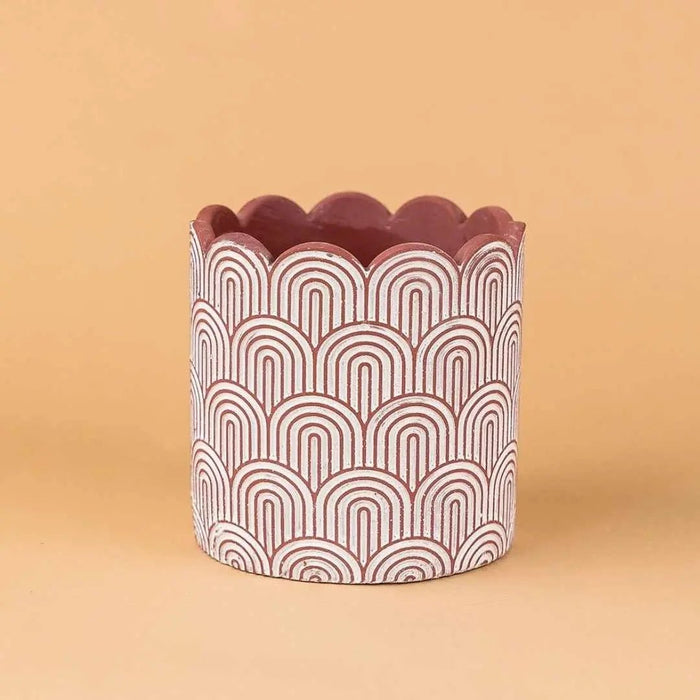
Terracotta pots — Best for herbs. The porous material allows excess moisture to evaporate, preventing waterlogging. Especially important for Mediterranean herbs.
Railing planters — Clip-on or hook-over planters that sit on your balcony railing. Space-efficient and provide good air circulation.
Vertical planters — Wall-mounted pocket planters or stacking pots. Maximise vertical space on small balconies.
Grow bags — Fabric bags that provide excellent drainage and airflow. Lightweight, affordable, and surprisingly effective. Look for food-safe bags.
Self-watering pots — Useful if you travel frequently. A reservoir at the bottom provides water on demand.
Soil for Herbs
Do not use garden soil — it compacts and drains poorly in containers. Use:
- Quality potting mix designed for container gardening
- Add 20-30% perlite for extra drainage
- For Mediterranean herbs, add extra sand or grit (40% total inorganic material)
Drainage
Non-negotiable. Every container must have drainage holes. Herbs rot quickly in waterlogged soil — faster than most houseplants. If using decorative pots without holes, drill them or use the pot as a cache pot.
Planting and Care

Starting From Seed vs. Seedlings
Seeds: Cheaper but slower. Basil, coriander, and spring onion grow well from seed. Start in small pots and thin to the strongest seedlings.
Seedlings from nursery: Faster results. Buy established herb seedlings from nurseries, garden centres, or even supermarkets (the potted herbs sold at Cold Storage and FairPrice can be replanted).
Cuttings and kitchen scraps: The most economical option. Mint roots easily from stem cuttings in water. Spring onion regrows from root ends. Lemongrass roots in water from supermarket stalks.
Watering
Herbs in containers dry out faster than in-ground plants, especially on sunny Singapore balconies:
- Check daily during hot, sunny weather
- Water in the morning — before the heat of the day
- Water the soil, not the leaves — wet foliage in humid conditions invites fungal problems
- Ensure drainage — water should flow freely from the bottom
Feeding
Container herbs need regular feeding because nutrients wash out with each watering:
- Liquid fertiliser every 2 weeks at half strength
- Or mix slow-release fertiliser into the soil at planting
- Organic options: dilute seaweed extract or fish emulsion
Harvesting
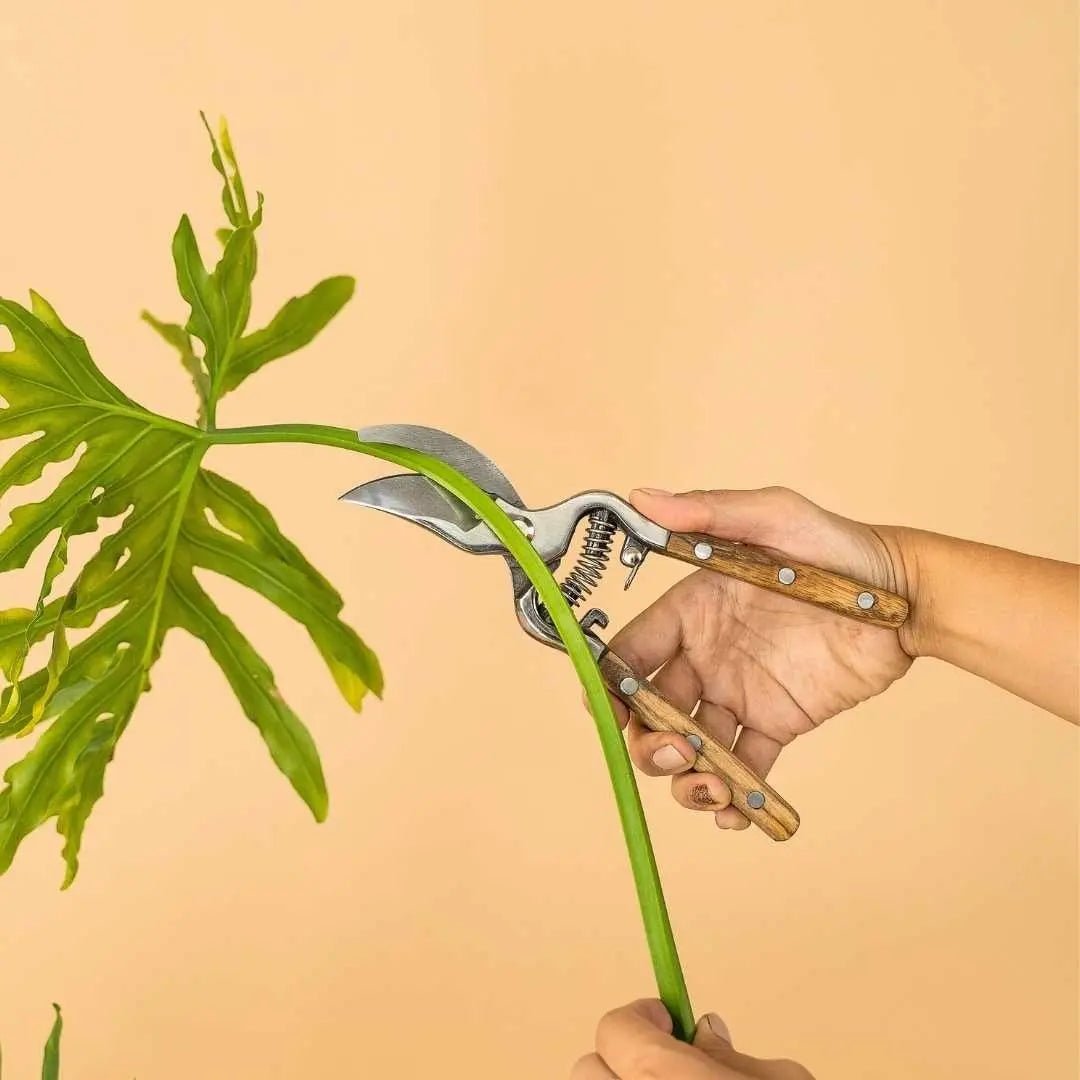
Harvest regularly. This is the most important care tip for herbs. Regular cutting:
- Prevents flowering and bolting (which makes leaves bitter)
- Encourages bushy, productive growth
- Keeps the plant compact and manageable
Harvesting technique:
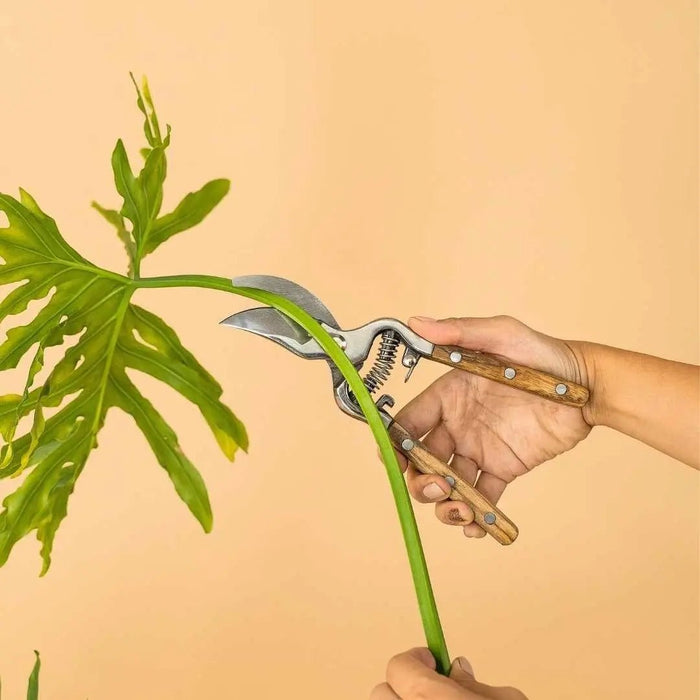
- Cut stems just above a leaf node (where two leaves emerge)
- Never harvest more than one-third of the plant at once
- For basil: pinch off the growing tip to encourage side branching
Succession Planting
Some herbs (coriander, basil) have limited productive lifespans — they eventually bolt and decline. Succession planting means starting new seeds or cuttings every 3-4 weeks, so you always have plants at different stages of growth.
Common Problems
Bolting (Going to Seed)
Triggered by heat and long days — both constant in Singapore. Prevent by:
- Harvesting regularly (especially basil and coriander)
- Pinching off flower buds as they appear
- Growing heat-resistant varieties
Pests
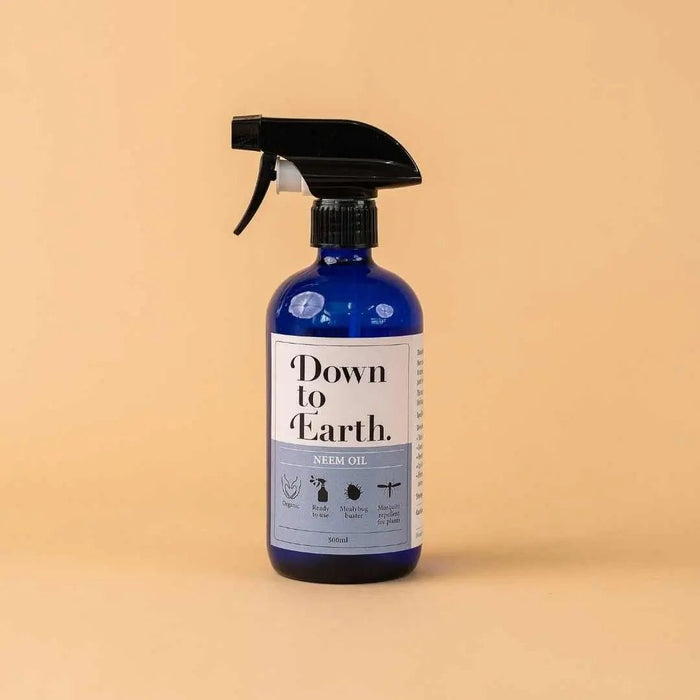
- Aphids — cluster on new growth. Spray with dilute soap solution.
- Whitefly — tiny white flying insects on leaf undersides. Yellow sticky traps reduce populations.
- Caterpillars — common on basil and mint. Hand-pick and relocate.
Fungal Issues
Singapore's humidity promotes fungal growth. Prevent by:
- Providing good air circulation (do not crowd plants)
- Watering the soil, not the leaves
- Removing dead or yellowing leaves promptly
Shop Plants
Browse our indoor plant collection for plants to complement your balcony herb garden indoors. A few Pothos trailing from the kitchen shelf while your herbs grow on the balcony creates a fully green cooking environment.
A balcony herb garden changes how you cook. When fresh basil is three steps from the stove, you add it to everything. When mint is within arm's reach, your weekend drinks improve. The herbs you grow yourself carry a flavour that supermarket herbs cannot match — not because they are botanically different, but because they are alive, fresh, and yours.
Quick summary
Key Takeaways
- Assessing Your Balcony
- Best Herbs for Singapore Balconies
- Containers and Setup
- Planting and Care
- Common Problems
- Shop Plants
Ready to bring some green into your home?
Browse 250+ hand-picked plants, curated for Singapore homes — delivered to your door.
Browse All Plants →