
















How to Style Plants on a Bookshelf in Singapore | Tumbleweed Plants Singapore
Posted on April 10 2026
In this article

A bookshelf with only books is a library. A bookshelf with only plants is a greenhouse. A bookshelf with both — mixed thoughtfully with a few objects and intentional negative space — is one of the most effective styling moves in any Singapore home.
The bookshelf plant display (the "shelfie") has become an interior design staple because it works at every budget level, every skill level, and in every room. You do not need expensive furniture or designer taste. You need a shelf, a few plants, and the willingness to arrange them with intention rather than randomness.
The Principles
Vary Heights
The single most important styling rule: create a varied skyline across your shelf. Tall plants next to short pots next to trailing plants that spill over the edge. If everything is the same height, the shelf looks flat and uninteresting.
Tall elements: Upright plants (Snake Plant, small Dracaena), tall vases, vertical books.
Medium elements: Bushy plants (Aglaonema, Peperomia), stacked books, framed photos.
Low elements: Succulents, small propagation jars, candles, small objects.
Trailing elements: Pothos, Philodendron, String of Hearts — these cascade over the shelf edge, breaking the rigid horizontal lines.
Balance, Not Symmetry
Perfect symmetry looks formal and stiff. Instead, aim for visual balance — distribute weight evenly across the shelf without making it a mirror image.
If you have a large plant on the left end, balance it with a stack of books and a small plant on the right. The visual weight should feel even, not identical.
The Rule of Thirds
Divide your shelf into three zones. Place your focal element (the largest or most eye-catching item) in one zone, and fill the other two with supporting elements. This creates a natural flow that the eye follows without effort.
Negative Space
Leave gaps. Empty space is not wasted space — it is what makes the styled elements stand out. A crowded shelf with every centimetre filled looks chaotic and overwhelming.
Aim for 30-40% negative space on each shelf. This feels counterintuitive when you have more plants than space, but restraint is what separates styled from cluttered.
Shelf-by-Shelf Guide

Top Shelf
What works: Taller upright plants, trailing plants that cascade down from above, objects you look up at.
Plants: Small Snake Plant, Dracaena, tall Peperomia varieties.
Tip: The top shelf is often the closest to the light source (window or ceiling lights), making it ideal for plants that need slightly more light.
Middle Shelves (Eye Level)
What works: Your most attractive plants and objects — this is where the eye naturally rests. Mix plants with books and personal items.
Plants: Aglaonema (colourful leaves draw the eye), small Monstera, Peperomia, propagation jars showing roots.
Tip: Create depth by pushing some items toward the back and pulling others forward. A flat, single-plane arrangement looks like items are just lined up.
Lower Shelves
What works: Heavier pots, larger plants, stacked books as risers. Lower shelves receive less light, so choose low-light tolerant plants.
Plants: ZZ Plant (thrives in low light), Pothos (trailing over the edge), Peace Lily.
Tip: Use stacked books as platforms to elevate smaller pots on lower shelves, bringing them closer to the light and adding height variation.
Plant Selection for Shelves
Best Trailing Plants for Shelves
- Pothos — The classic shelf trailer. Fast-growing, forgiving, available in golden, marble, and neon varieties.
- Philodendron (Heartleaf) — Heart-shaped leaves on delicate vines. Elegant trailing habit.
- String of Hearts — Tiny heart-shaped leaves on thin, thread-like stems. Delicate and romantic.
Best Compact Plants for Shelves
- Peperomia — Stays small. Dozens of varieties with different leaf textures and colours.
- Small Snake Plant — Upright and structured. The bird's nest variety stays very compact.
- Succulents — Sculptural and small. Needs bright light — best on shelves near windows.
Best Colourful Plants for Shelves
- Aglaonema — Pink, red, and silver varieties add colour that no book spine can match.
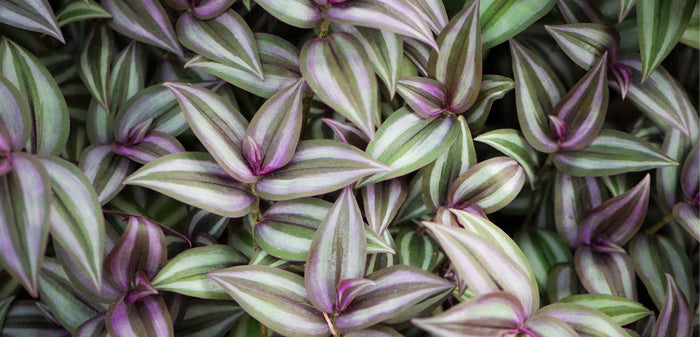
- Fittonia (Nerve Plant) — Intricate pink or white vein patterns on compact leaves.
- Calathea — Patterned leaves in green, purple, and cream. More demanding but very attractive.
Practical Considerations

Watering Access
You need to reach every pot without dismantling the shelf. Before placing plants, plan your watering route. Saucers or cache pots underneath prevent water damage to books and the shelf itself.
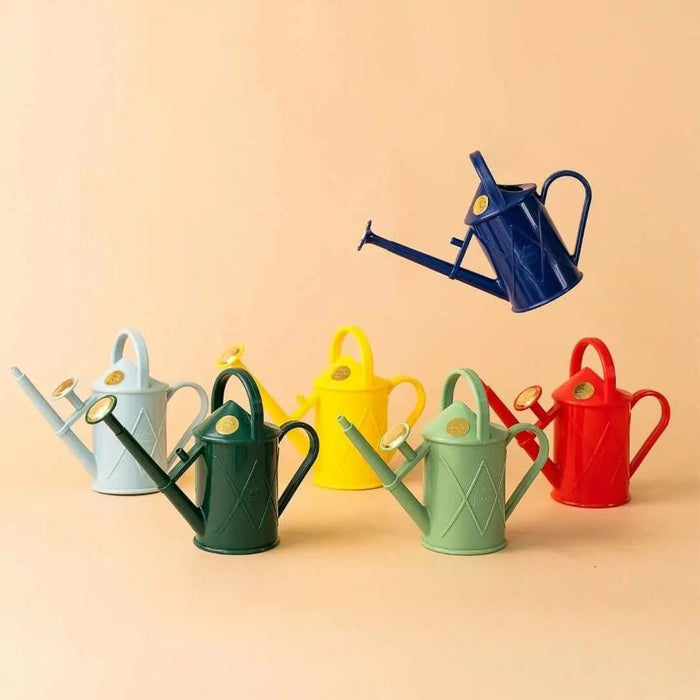
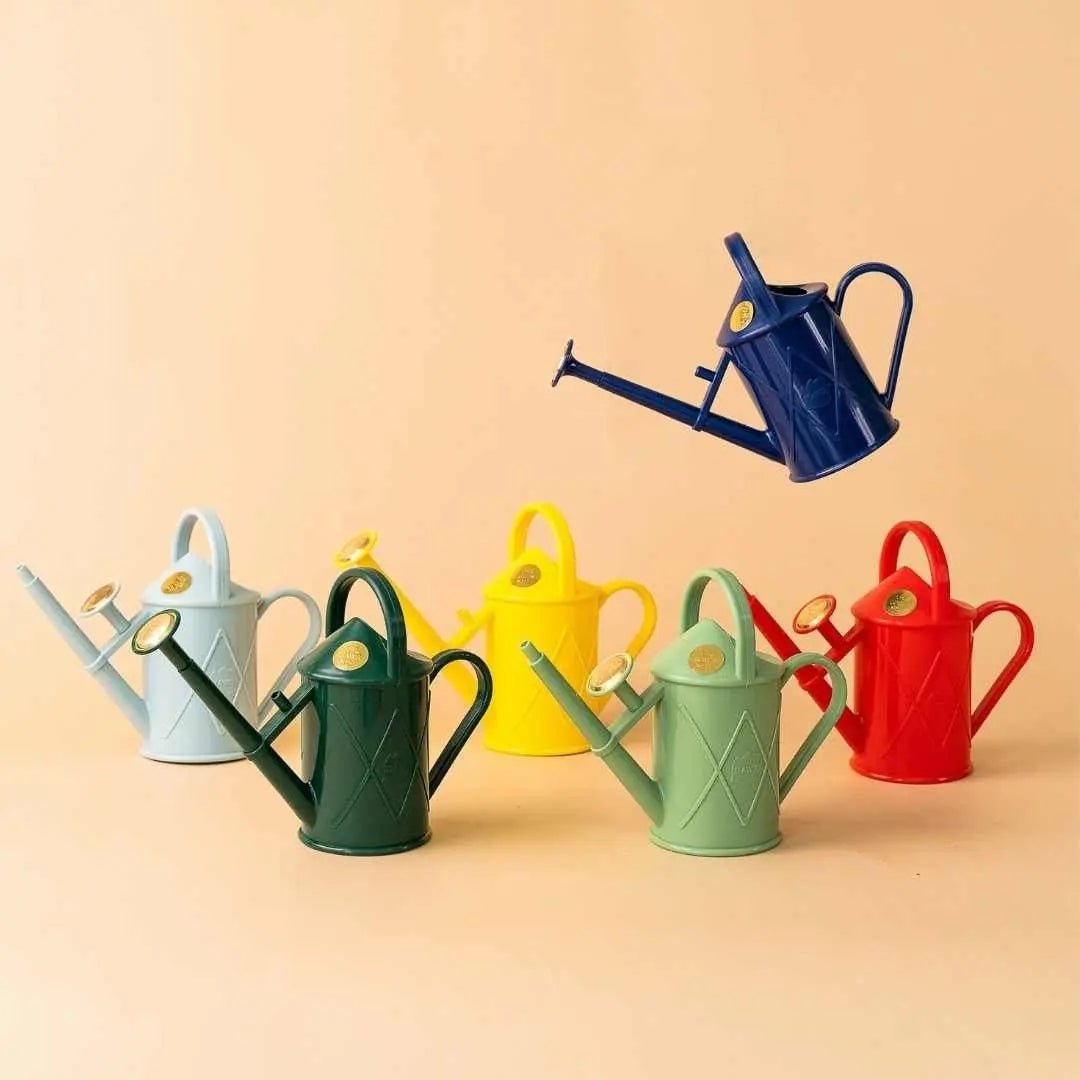
Pro tip: Use a small watering can with a narrow spout — it gives you precision between books and objects. Or remove small plants from the shelf entirely for watering day.
Light Assessment
Shelves against interior walls receive much less light than shelves near windows. Assess the light at each shelf level before choosing plants. A light meter app on your phone gives you an objective reading.
General rule in Singapore: Shelves within 1-2 metres of a window get sufficient light for most low to medium-light plants. Beyond 2 metres, stick to Snake Plant, ZZ Plant, or Pothos.
Weight
Large ceramic pots are heavy. Ensure your shelf can support the weight of soil, pot, and water. IKEA-style shelves with thin boards may bow under heavy loads over time.
Lightweight options: plastic nursery pots inside decorative cache pots, terracotta (lighter than ceramic), or small plants in small pots.
Humidity and Book Damage
Plants increase local humidity through transpiration. On shelves with valuable books, keep plants and books slightly separated or use a dehumidifier in very humid conditions. In Singapore's climate, this is worth considering if you have rare or antique books.
Styling Combinations
The Minimalist Shelf
- 3 plants maximum across the entire bookshelf
- Uniform pot colour (white or terracotta)
- Generous negative space
- Clean lines and simple forms
The Jungle Shelf
- Plants on every shelf level
- Mix of trailing, upright, and bushy plants
- Different pot styles and materials
- Books used as risers, not the focus
The Curated Shelf
- 40% books, 30% plants, 20% objects, 10% negative space
- Coordinated colour palette across pots and objects
- Intentional groupings of 3 (odd numbers look more natural)
- Framed art or photos integrated with the arrangement
Shop Shelf Plants

Browse our indoor plant collection for compact, trailing, and colourful plants perfect for bookshelf styling. Delivered across Singapore.
A well-styled bookshelf tells people who you are — what you read, what you collect, what you care about. Plants add the element that objects and books cannot: life. They change, grow, trail, and respond to light. They soften the rigid geometry of shelves and spines. And unlike every other design choice in your home, plants are never finished — they are always becoming. Style your shelf today and it will look different in a month, different again in six. That is not a bug. That is the entire point.
Quick summary
Key Takeaways
- The Principles
- Shelf-by-Shelf Guide
- Plant Selection for Shelves
- Practical Considerations
- Styling Combinations
- Shop Shelf Plants
Ready to bring some green into your home?
Browse 250+ hand-picked plants, curated for Singapore homes — delivered to your door.
Browse All Plants →