














How to Style Plants on a Bookshelf in Singapore
Posted on April 09 2026
In this article

A bookshelf filled with nothing but books is functional. A bookshelf styled with plants, books, and a few curated objects is a design statement. In Singapore homes — where built-in shelving and freestanding bookcases are standard in most HDB and condo layouts — learning to integrate plants into your shelving transforms an ordinary storage unit into the most eye-catching feature in the room.
The trick is balance. Too many plants and your bookshelf looks like a nursery display. Too few and they get lost among the spines. The sweet spot is a deliberate mix of greenery, books, and open space that feels curated but not fussy.
The Foundation: Choosing the Right Shelf
Not every bookshelf is equally plant-friendly. Consider these factors:
Depth. Most standard bookshelves are 25 to 30 centimetres deep — enough for small to medium pots but not deep enough for large planters. Measure before you buy plants.
Light access. Bookshelves against interior walls receive less light than those beside windows. Plants on the top shelf get more light than those at the bottom. Match plant light requirements to their shelf position.
Material. Solid wood and laminate handle occasional water drips better than particle board, which can swell and warp. Use saucers or waterproof trays under every pot regardless of shelf material.
Open vs. backed. Open-backed shelving allows light to reach plants from behind, which prevents one-sided growth. Backed shelves restrict light to the front — plants will lean forward more aggressively and need frequent rotation.
The Best Plants for Bookshelves

Trailing Plants (Top Shelves)
Trailing plants belong on the highest shelf where their vines can cascade downward, softening the rigid geometry of the shelving:
- Pothos — Golden, Marble Queen, or Neon varieties. Fast-growing and nearly impossible to kill. The quintessential bookshelf plant.
- String of Hearts (Ceropegia woodii) — Delicate, heart-shaped leaves on thin trailing stems. Romantic and refined.
- String of Pearls (Senecio rowleyanus) — Round, bead-like leaves that create a dramatic waterfall effect. Needs bright light.
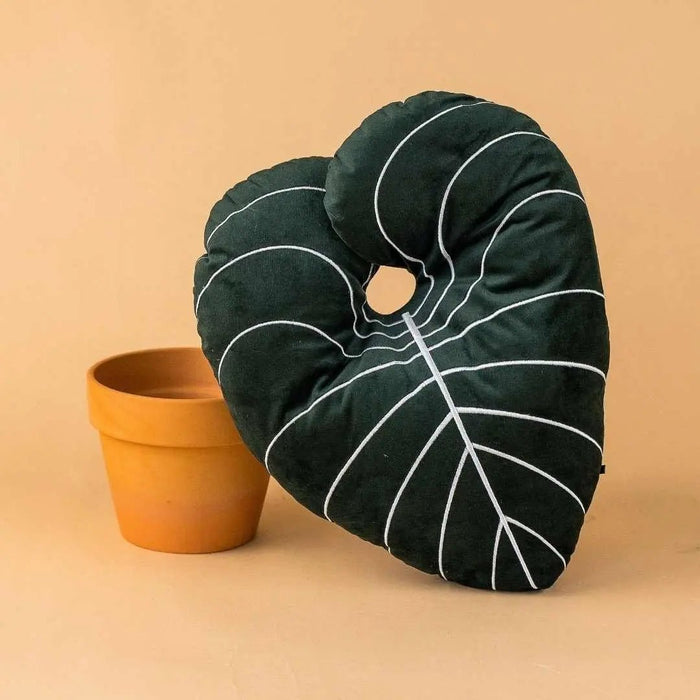
- Philodendron Heartleaf — Similar habit to Pothos but with darker, velvety leaves.
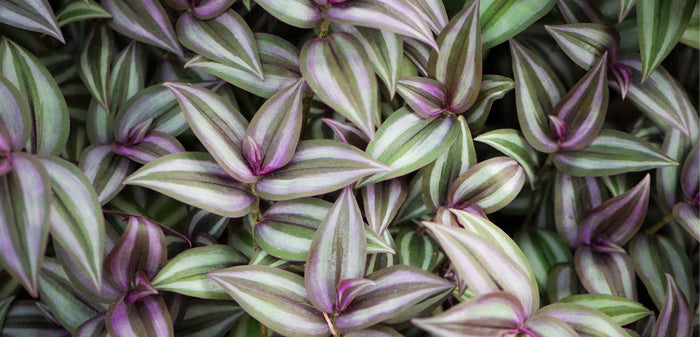
- Tradescantia — Adds colour (purple, pink, silver) to an otherwise green palette.
Styling tip: Let trailing plants drape naturally. Resist the urge to tuck vines behind books or train them along the shelf edge — the organic, slightly wild quality is what makes them beautiful.
Compact Upright Plants (Middle Shelves)
These fill the visual "midground" without blocking titles or overwhelming the shelf:
- Peperomia — Compact, textured, and available in dozens of leaf shapes. Watermelon Peperomia is particularly photogenic.
- Snake Plant (compact varieties) — Sansevieria 'Hahnii' or cylindrica stay small enough for a shelf while adding architectural interest.
- Fittonia (Nerve Plant) — Striking veined leaves in white, pink, or red. Compact and low-growing.
- African Violet — For shelves with decent light, these add rare floral colour to a mostly green arrangement.
- Succulents — Echeveria, Haworthia, and small cacti work well in bright spots.
Styling tip: Cluster two or three small pots together rather than spacing single pots evenly across the shelf. Odd-numbered groups look more natural.
Statement Plants (Floor Level or Adjacent)
A larger plant beside the bookshelf anchors the arrangement and connects the shelf display to the room:
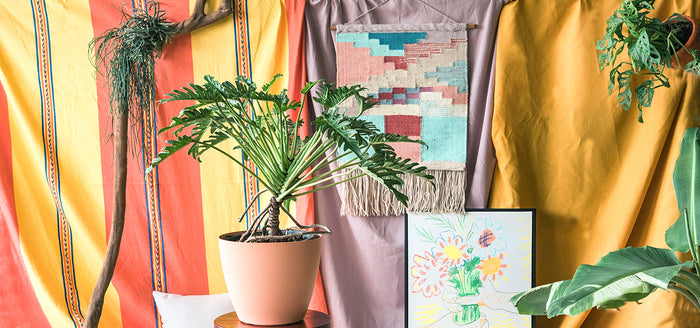
- Monstera Deliciosa — Placed beside the shelf, its large leaves create a beautiful backdrop.
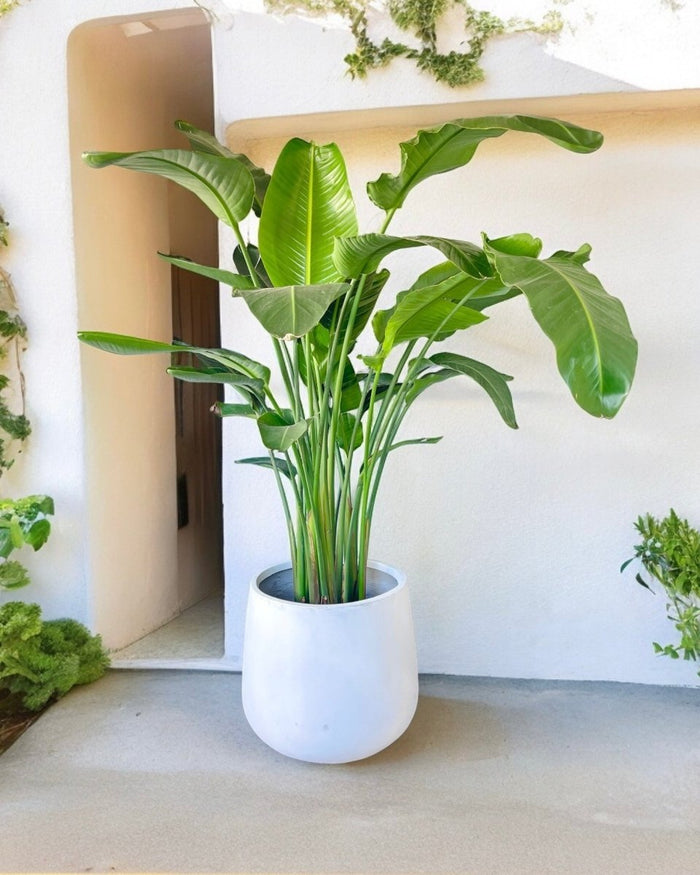
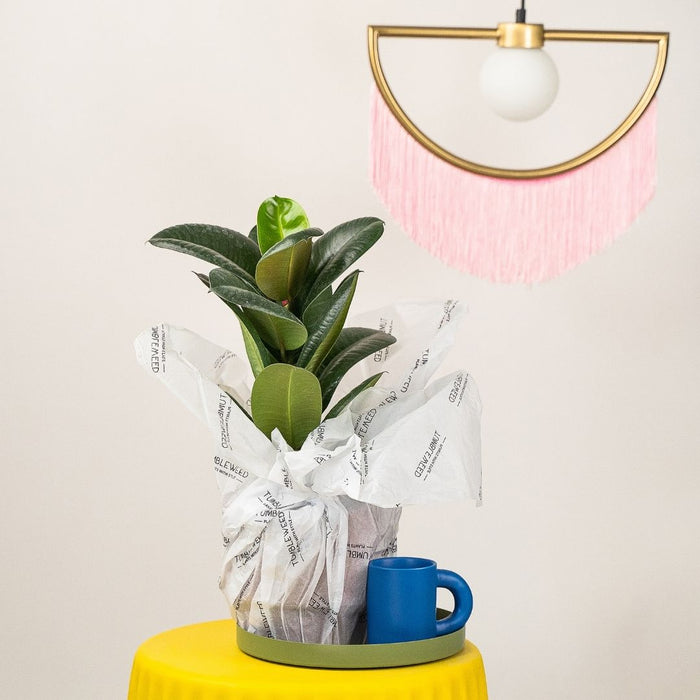
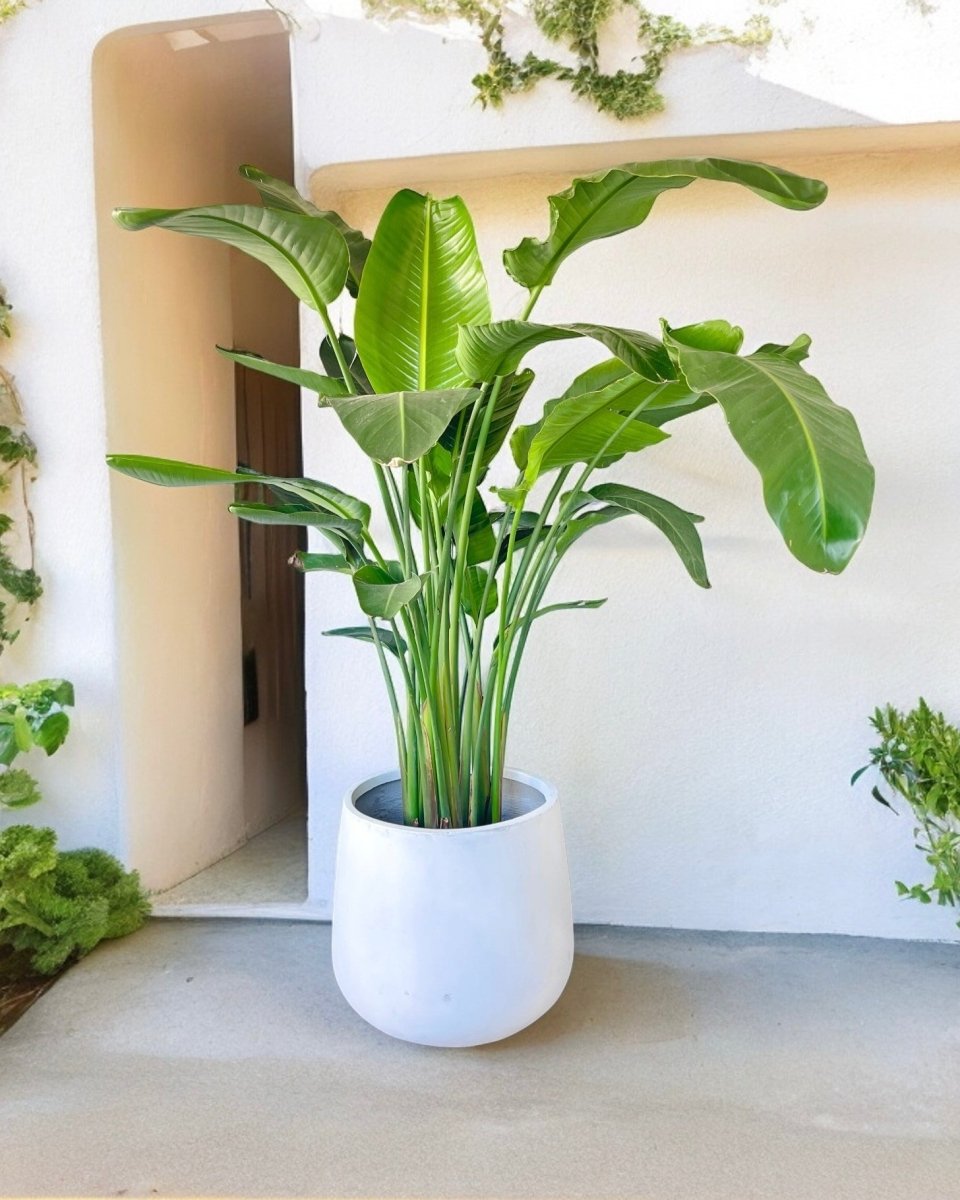
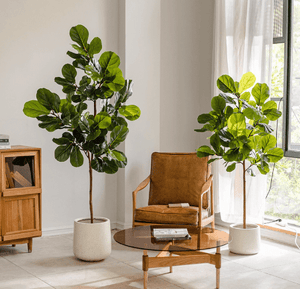
- Fiddle Leaf Fig — Tall and sculptural, it frames the shelf when placed to one side.
- Fern on a stand — A Boston Fern on a mid-height plant stand beside the shelf adds volume and texture.
Layout Principles
The Rule of Thirds
Divide your bookshelf visually into thirds:
- One-third plants and decorative objects
- Two-thirds books and functional items
This ratio keeps the shelf looking like a styled bookcase rather than a plant stand or a cluttered storage unit.
Vary Heights Within Each Shelf
On any given shelf, create visual interest by varying the height of objects. A tall stack of books beside a medium plant beside a small decorative object creates rhythm. A shelf where everything is the same height looks flat and uninteresting.
Create Depth
Push some items toward the back of the shelf and pull others forward. This creates visual layers. A small plant pot in front of a row of books is more interesting than everything aligned flush with the shelf edge.
Negative Space Matters
Leave some shelves or shelf sections partially empty. The eye needs places to rest. A fully packed shelf — even a beautifully styled one — can feel overwhelming. Breathing room between elements makes each piece stand out more.
Colour Coordination
- Group book spines by colour for a cohesive look, or turn some books spine-in for a neutral, textured backdrop
- Match pot colours to two or three tones that appear elsewhere in the room
- Use green plants against warm-toned books (brown, red, orange spines) for complementary contrast
- White and terracotta pots work with almost any book colour scheme
Practical Considerations

Watering Logistics
Shelves above eye level are easy to forget and hard to water without spilling. Solutions:
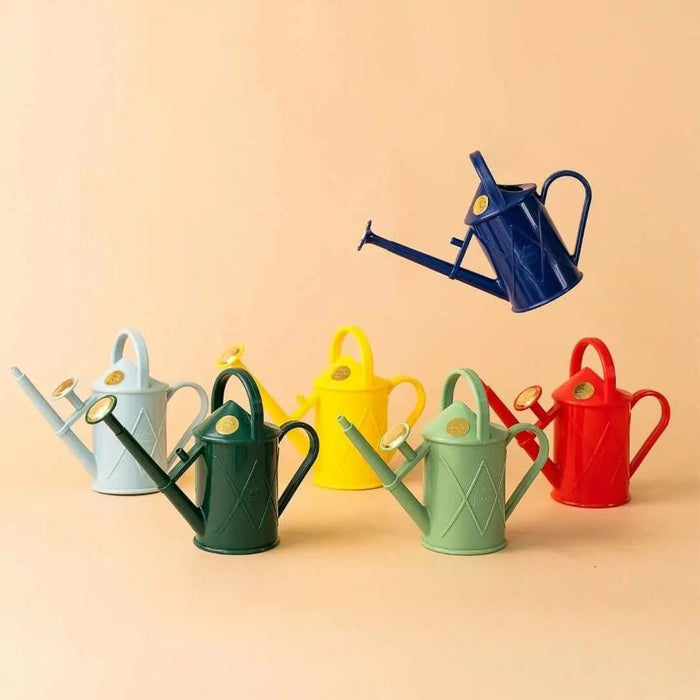
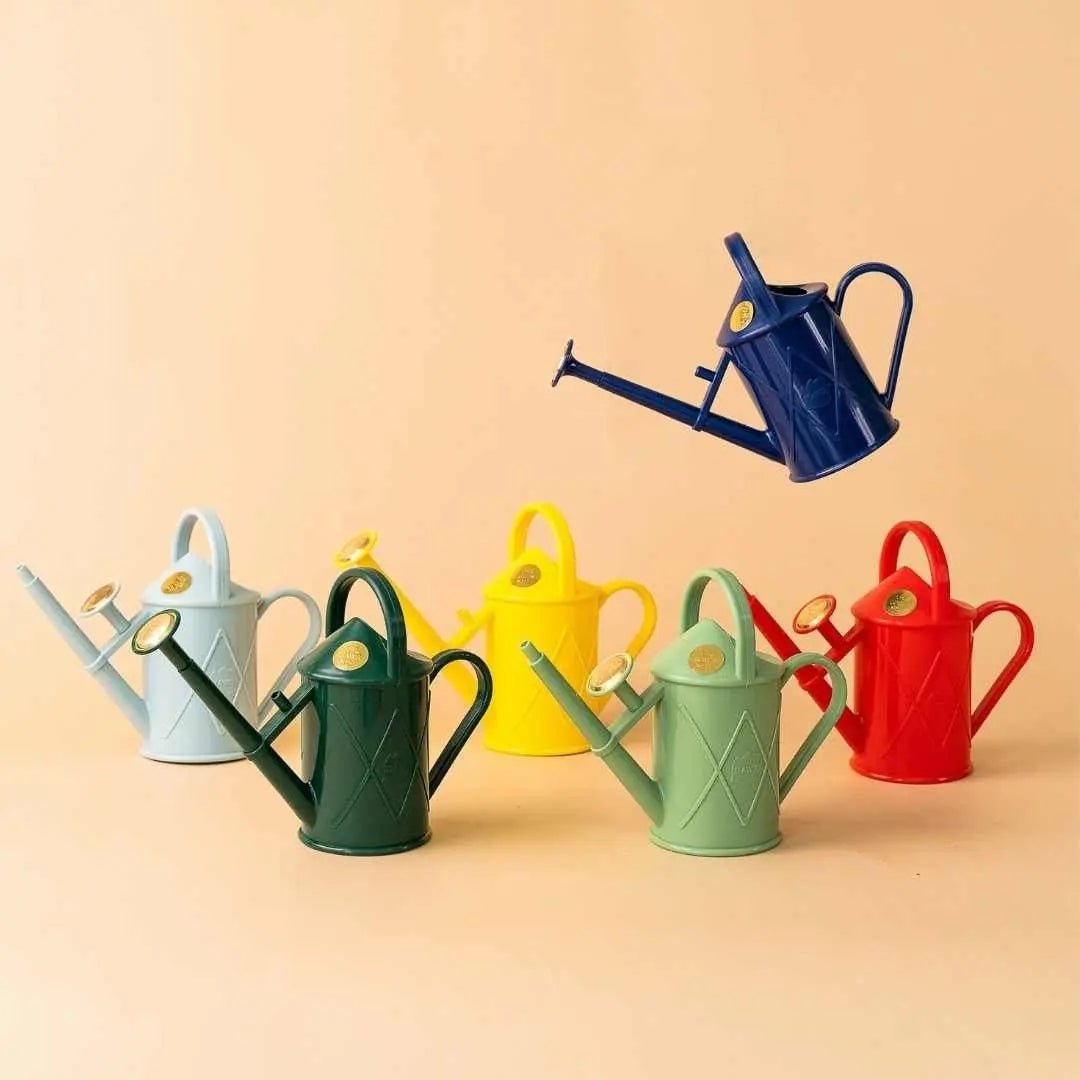
- Use a long-spout watering can for precise pouring
- Choose drought-tolerant plants for hard-to-reach shelves (succulents, Snake Plants, ZZ Plant)
- Remove pots from the shelf, water them in the sink, let them drain, then return them — this is the safest method for expensive shelving
Light Management
If your bookshelf does not receive enough natural light:
- Reserve the top shelf (closest to ceiling lights) for medium-light plants
- Use small clip-on grow lights positioned at the shelf edge
- LED light strips mounted under each shelf illuminate the tier below — both functional and aesthetic
- Rotate plants every few weeks between the bookshelf and a brighter spot in the house
Drainage and Protection
Every pot needs a saucer or drip tray. This is non-negotiable. Even careful watering occasionally drips, and water damage to shelving (especially particle board) is irreversible.
- Cork coasters under small pots protect the shelf surface
- Plastic saucers are less attractive but more reliable than decorative ceramic ones
- Consider using cache pots (decorative outer pots without drainage) with a nursery pot inside — water the plant in the sink, let it drain, then return to the cache pot
Weight Considerations
Wet soil is heavy. A medium potted plant can weigh two to five kilograms. Before loading shelves with plants:
- Check the shelf's weight rating (most flat-pack shelving has load limits per shelf)
- Distribute heavy pots across multiple shelves rather than concentrating weight
- Place heavier plants on lower shelves for stability
- For floating shelves, verify the wall anchors can handle the additional weight
Step-by-Step Styling Process
- Clear the shelf completely. Start with a blank canvas.
- Arrange books first. Mix vertical stacks with horizontal piles. Leave gaps where plants will go.
- Place your largest plant or trailing plant first. This is your anchor piece — usually on the top shelf.
- Add mid-size plants to middle shelves. Step back after each addition and check the overall balance.
- Fill with small plants and decorative objects. These are finishing touches — do not overdo it.
- Adjust spacing. Push some items back, pull others forward. Create visual depth.
- Step back and photograph. A photo reveals imbalances that your eye misses when you are standing close.
Common Styling Mistakes

Symmetrical placement. Placing one plant on each shelf in the exact same position looks rigid and unnatural. Stagger plant positions — left on one shelf, right on the next, centre on another.
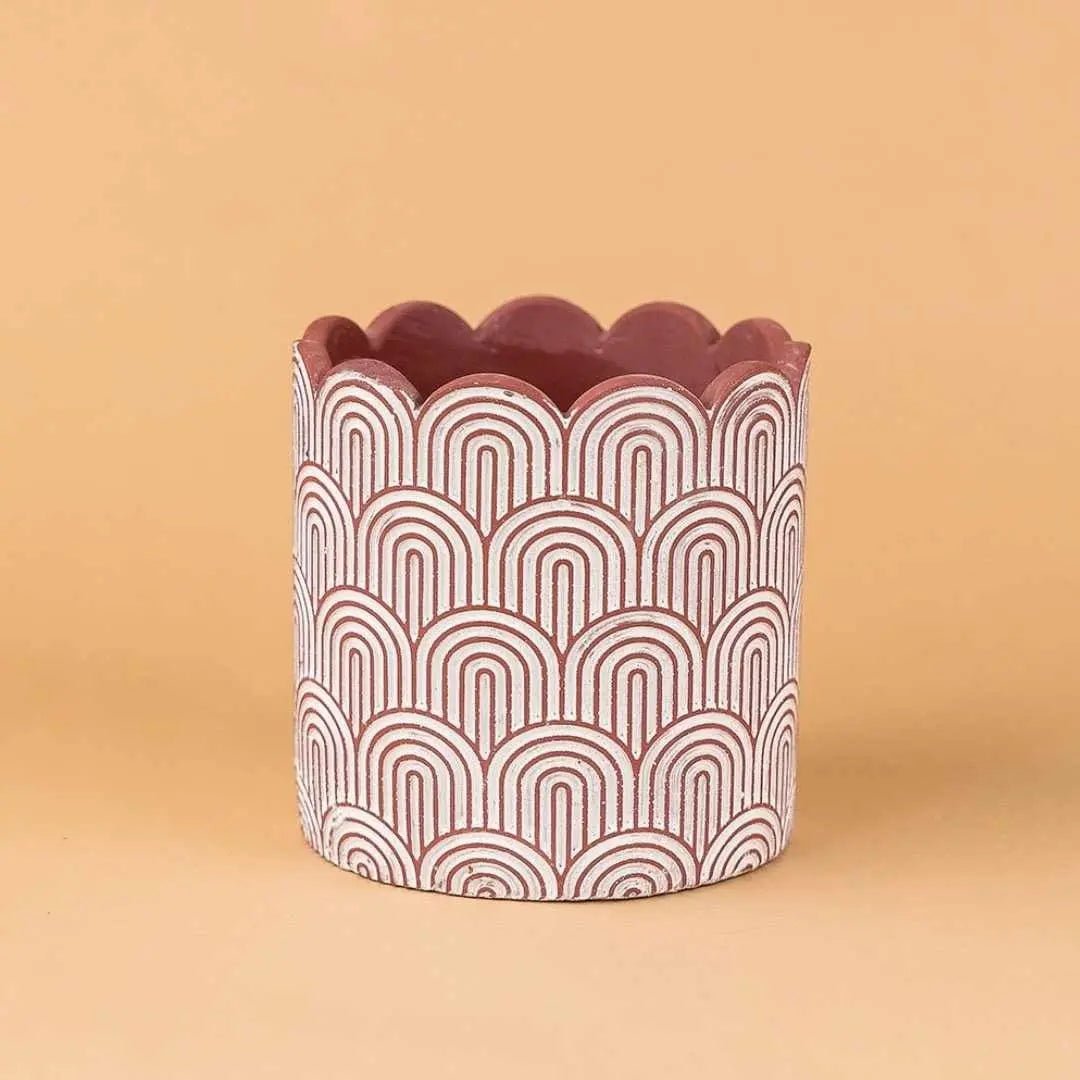
All one pot style. Matching pots can look great for minimalist shelves, but mixing two to three complementary materials (ceramic + terracotta + woven basket) adds warmth and character.
Forgetting the top. The top surface of a freestanding bookshelf is prime plant real estate. A trailing plant here can cascade down one or both sides of the bookcase.
Overcrowding. More plants does not mean better styling. A few well-placed plants among curated gaps make more impact than plants crammed onto every shelf.
Bookshelf Plant Shopping
Ready to style your shelves? Browse our selection of compact indoor plants perfect for shelf displays. From trailing Pothos to sculptural Peperomia, we deliver healthy plants sized for bookshelf styling right to your Singapore doorstep.
A well-styled plant shelf is not built in a day. Start with two or three plants, live with the arrangement for a week, then adjust. The best shelfscapes evolve over time — and that is exactly what makes them feel authentically yours.
Quick summary
Key Takeaways
- The Foundation: Choosing the Right Shelf
- The Best Plants for Bookshelves
- Layout Principles
- Practical Considerations
- Step-by-Step Styling Process
- Common Styling Mistakes
Ready to bring some green into your home?
Browse 250+ hand-picked plants, curated for Singapore homes — delivered to your door.
Browse All Plants →