















Indoor Jungle Style: How to Create a Lush Green Home in Singapore
Posted on April 09 2026
In this article

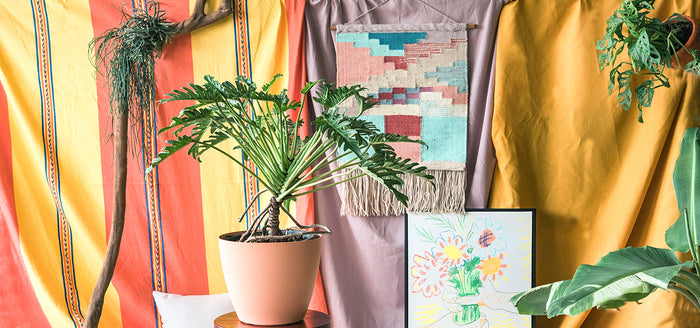
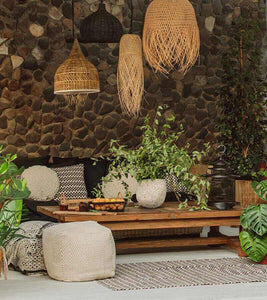
The indoor jungle aesthetic — walls of trailing vines, dense clusters of tropical foliage, and greenery cascading from every surface — is the opposite of minimalism. It is maximalist, exuberant, and unapologetically alive.
In Singapore, where tropical plants grow enthusiastically and our climate supports year-round growth, creating an indoor jungle is not just possible — it is easier than almost anywhere else in the world.
The Jungle Aesthetic Principles
Density
An indoor jungle is defined by abundance. More plants, closer together, filling vertical and horizontal space. Where minimalism uses negative space, jungle style fills it.
Layering
Height variation creates the layered canopy effect of a real tropical forest:
- Canopy layer: Tall floor plants (Monstera, Fiddle Leaf Fig, Bird of Paradise)
- Middle layer: Medium plants on stands, shelves, and tables
- Ground cover: Low plants, trailing pots, and plants in baskets
- Epiphyte layer: Hanging plants, mounted plants on walls, trailing vines from above
Variety
Mix leaf shapes, sizes, textures, and shades of green:
- Large fenestrated leaves (Monstera) next to fine fronds (ferns)
- Glossy leaves (Rubber Plant) next to matte velvety ones (Calathea)
- Dark green next to lime green next to silver-green
- Upright forms next to trailing cascades
Controlled Chaos
An indoor jungle looks wild but is actually thoughtfully arranged. The goal is to appear effortless while being intentional about plant health, light distribution, and visual composition.
Building Your Jungle Layer by Layer

Step 1: Floor Plants (The Canopy)
Start with 2-4 large floor plants in the corners and beside furniture. These create the structural framework.
Best canopy plants:
- Monstera Deliciosa — the jungle icon
- Bird of Paradise — massive, banana-like leaves
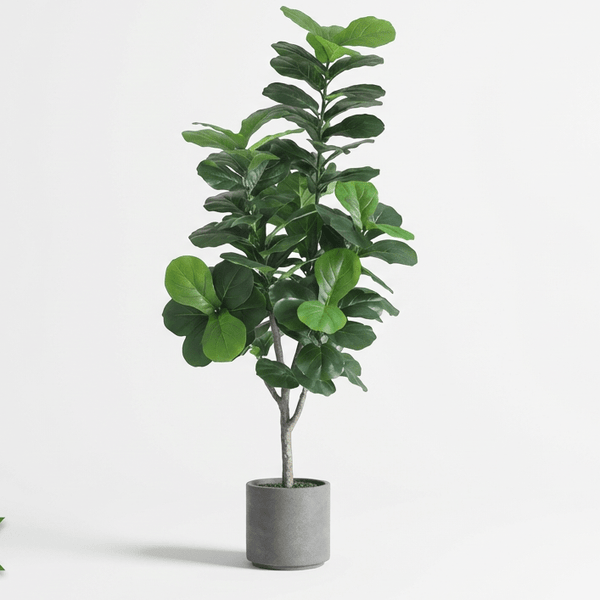
- Fiddle Leaf Fig — dramatic and tall
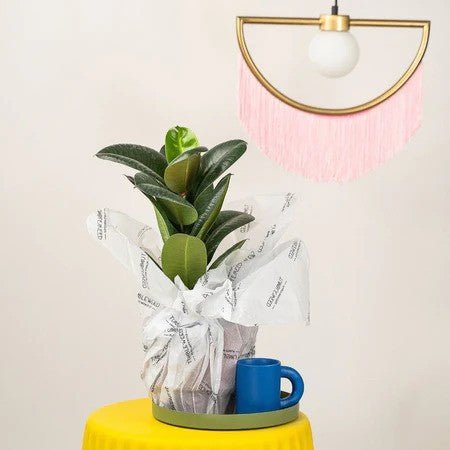
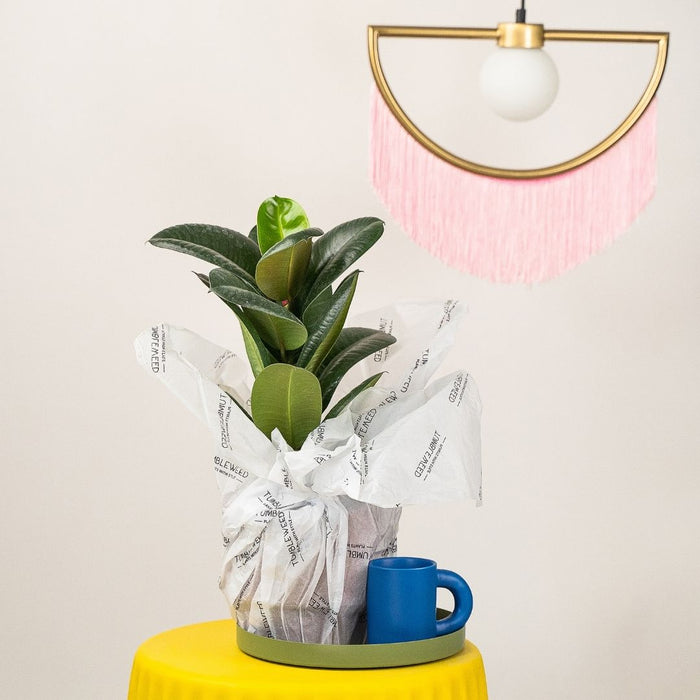
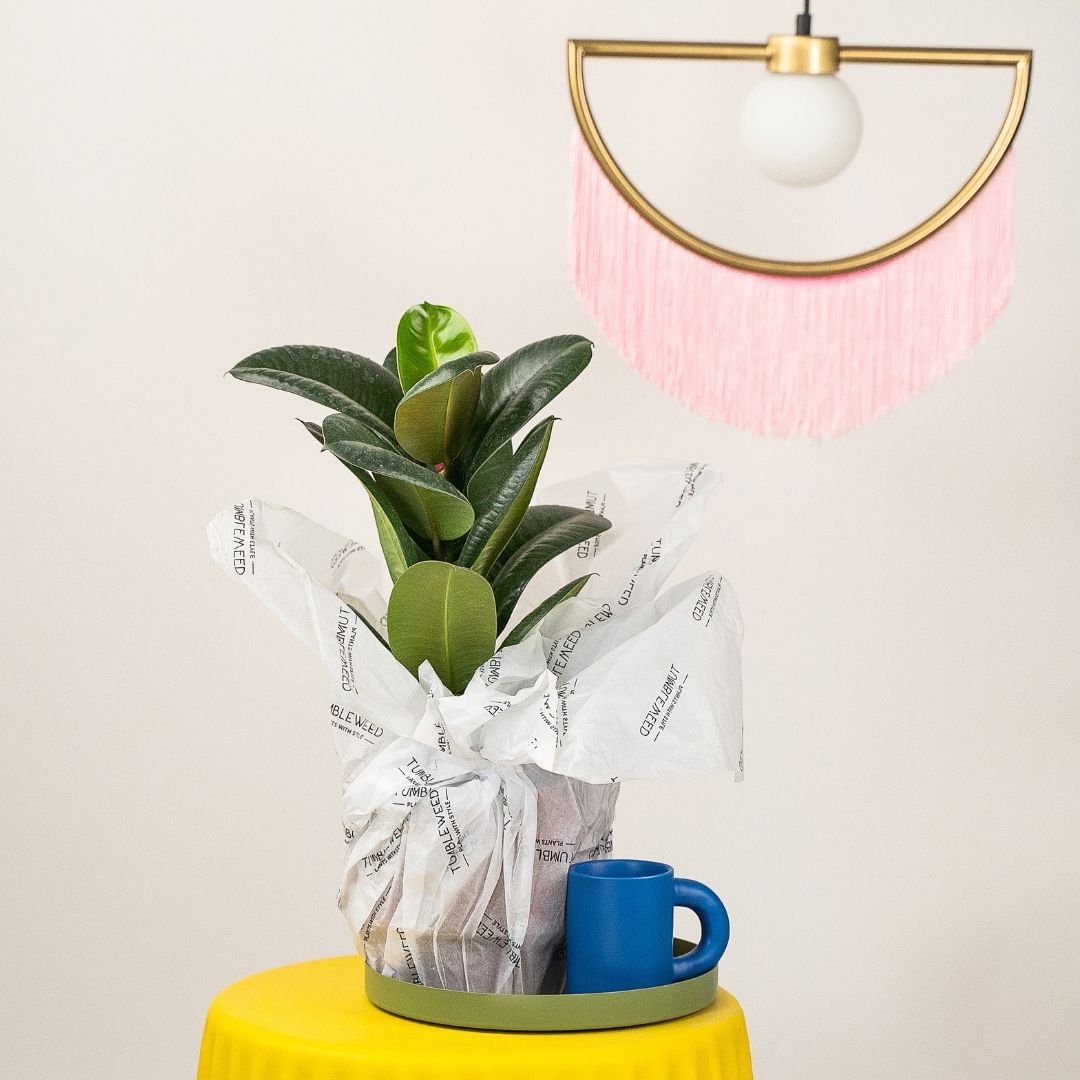
- Rubber Plant — bold and glossy
- Dracaena — tall and architectural
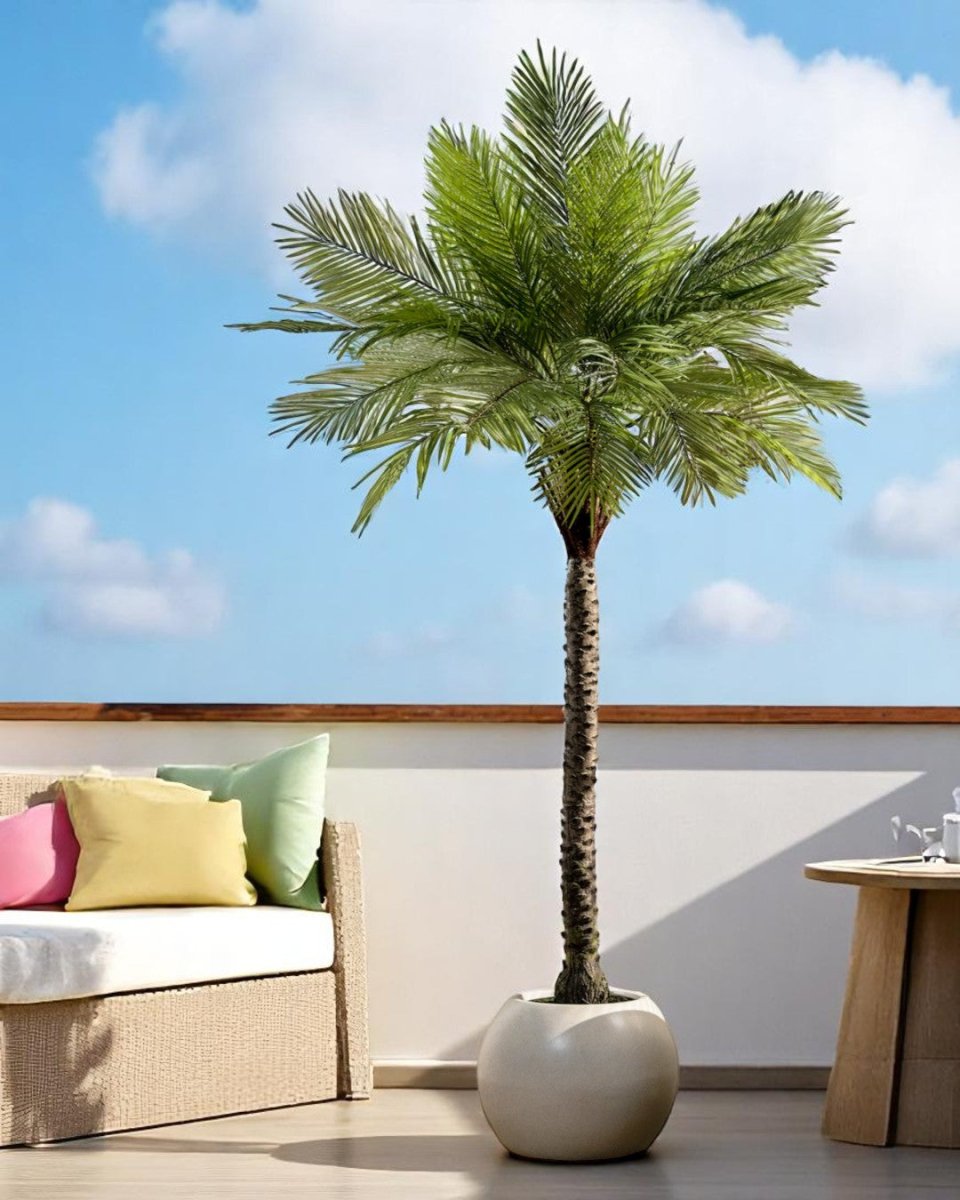
- Parlour Palm — feathery tropical canopy
Placement: Corners, beside sofas, flanking TV consoles, near windows.
Step 2: Mid-Level Plants (The Understorey)
Fill the middle zone with plants on shelves, stands, tables, and stools. This is where most of the visual density comes from.
Best mid-level plants:
- Calathea — patterned foliage at eye level
- Aglaonema — colourful and full
- Peace Lily — elegant blooms
- Alocasia — dramatic arrow-shaped leaves
- Peperomia — compact and varied
- Anthurium — bold flowering accent
Furniture hacks: Use plant stands of varying heights, stack books as risers, repurpose stools and side tables as plant platforms.
Step 3: Trailing Plants (The Vines)
Trailing plants create the signature jungle cascade. Position them above eye level and let them drape.
Best trailing plants:
- Pothos — the workhorse. Golden, Marble Queen, Neon varieties.
- Philodendron Brasil — vibrant lime and green
- String of Hearts — delicate and romantic
- Syngonium — arrow-shaped cascades
- Hoya — waxy, elegant trails (with flowers!)
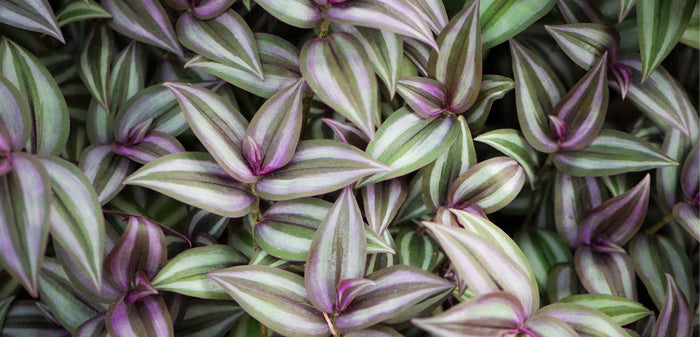
- Tradescantia — fast-growing purple cascades
Display methods:
- Hanging baskets from ceiling hooks
- Macrame plant hangers
- High shelves with trailing edges
- Top of bookshelves and wardrobes
- Railing hooks along staircases
Step 4: Accents (The Forest Floor)
Small plants, terrariums, and unique specimens fill the remaining spaces.
- Succulents and air plants on windowsills
- Terrariums on coffee tables
- Mini orchids on bathroom vanities
- Moss poles and mounted plants on walls
- Clusters of small pots on side tables
Singapore Jungle Advantages
Year-Round Growth
No dormant season. Your jungle grows continuously, filling out faster than in temperate climates.
Humidity
High ambient humidity means moisture-loving plants thrive without humidifiers. Ferns, Calatheas, and tropical aroids that struggle elsewhere flourish here.
Plant Availability
Singapore nurseries stock extensive tropical plant varieties year-round. The raw material for your jungle is always available and affordable.
Outdoor Extension
Covered balconies expand your jungle outdoors, blurring the line between inside and outside. Tropical ferns, palms, and flowering plants on the balcony create visual continuity with the indoor collection.
Practical Considerations

Light Distribution
Not every plant can be at the window. In a dense collection:
- Place light-loving plants near windows
- Use shade-tolerant species for inner positions
- Rotate plants periodically so all get adequate light
- Consider grow lights for dark interior zones
Watering Management
A large collection requires a watering system:
- Designate watering days (e.g., Monday and Thursday)
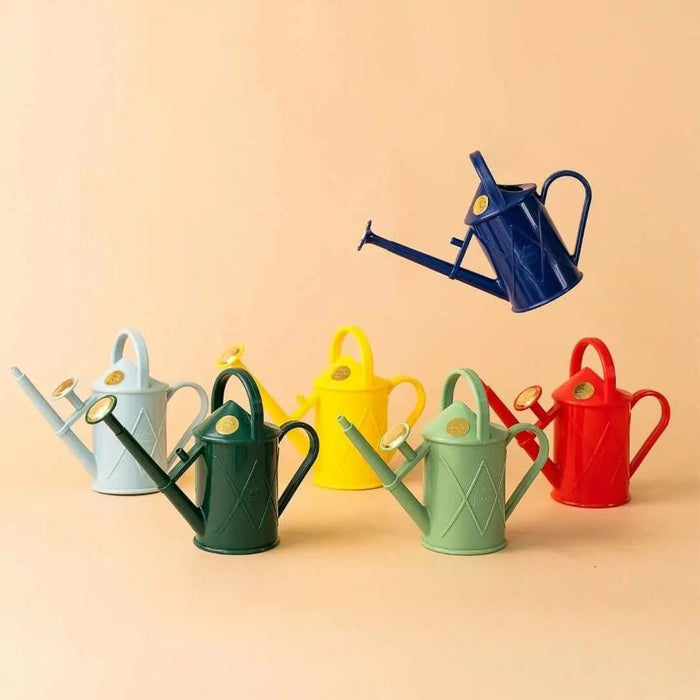
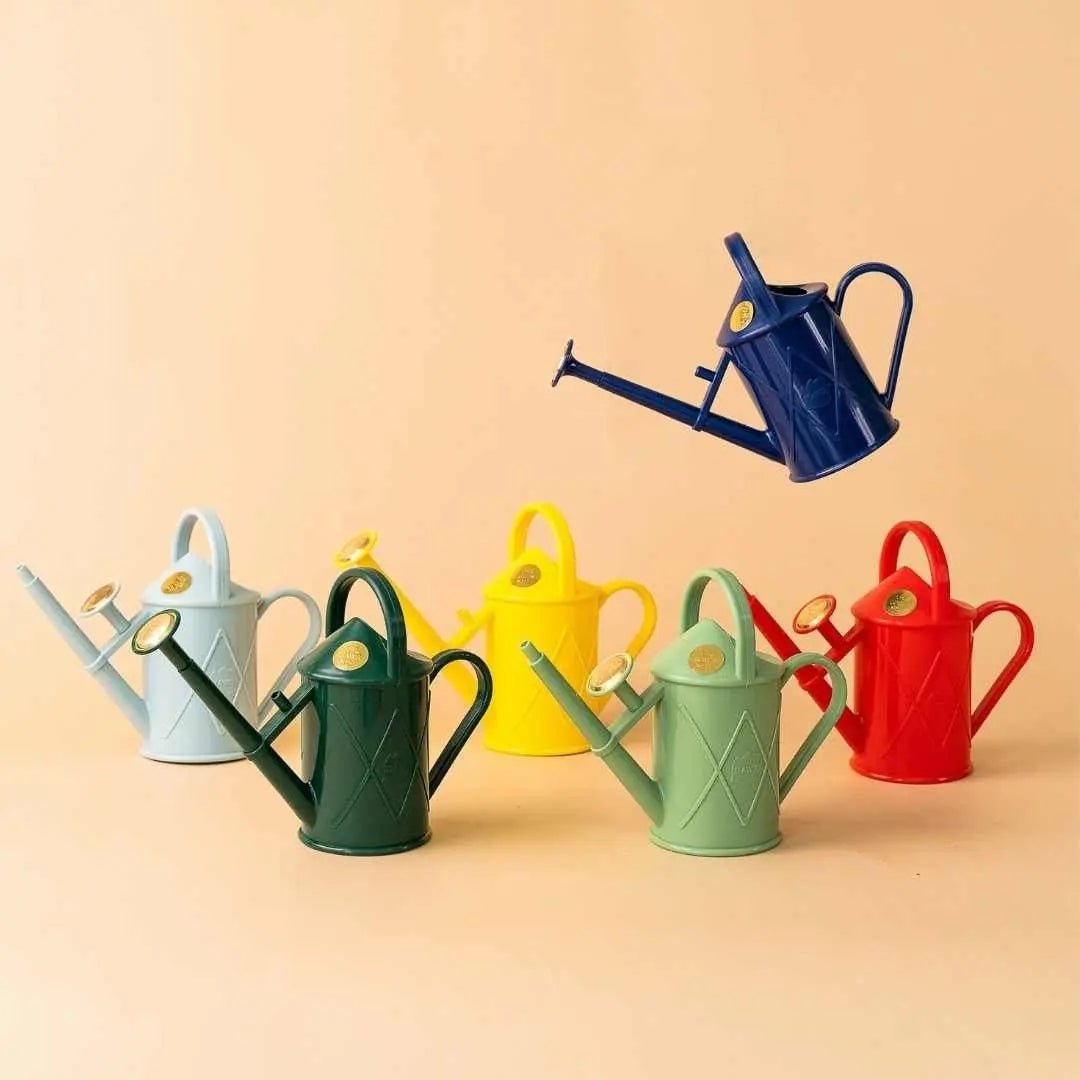
- Use a large watering can with a narrow spout for precision
- Group plants by water needs to streamline the routine
- Self-watering pots for the hardest-to-reach plants
Humidity and Air Flow
Dense plant clusters create their own humidity microclimate — great for tropical plants but potentially problematic for mould. Ensure some air circulation:
- Keep windows open periodically
- Use fans on low speed
- Do not pack plants so tightly that air cannot circulate between them
Pest Vigilance
Dense collections provide ideal conditions for pest spread. One infested plant can quickly affect neighbours.
- Inspect weekly — check leaf undersides especially
- Quarantine new additions for 2 weeks
- Act immediately on any pest sighting
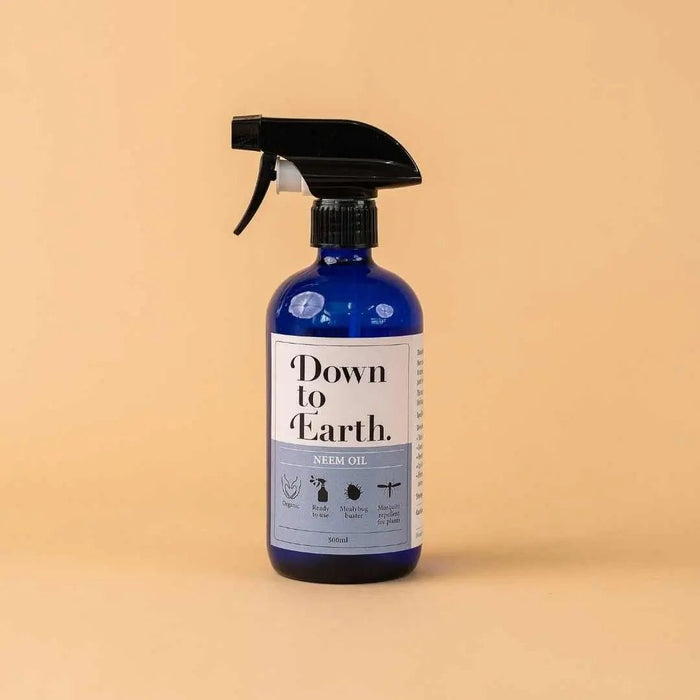
- Keep neem oil spray on hand
Weight Limits
Shelves and hanging hardware have weight limits. Multiple water-filled pots add up quickly:
- Check shelf weight ratings before loading
- Use lightweight pots (plastic, fibreglass) for elevated positions
- Ensure ceiling hooks are rated for hanging plant weights
- Distribute weight across multiple points rather than concentrating on one shelf
Budget Jungle Building
Propagation is Key
A few mother plants can populate an entire jungle through propagation:
- One mature Pothos yields dozens of cuttings
- Spider Plant babies root in days
- Tradescantia cuttings fill pots within weeks
- Monstera stem cuttings become new statement plants
Start With Growth Champions
Plants that grow fastest create visual impact soonest:
- Pothos (trails up to 30cm per month in good conditions)
- Tradescantia (doubles in size within weeks)
- Spider Plant (babies prolifically)
- Philodendron (vigorous climber or trailer)
Thrift Pots
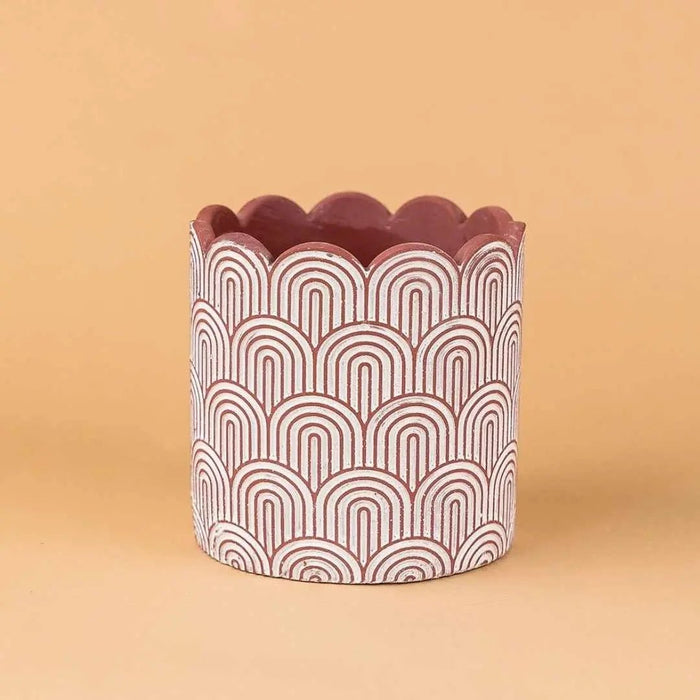
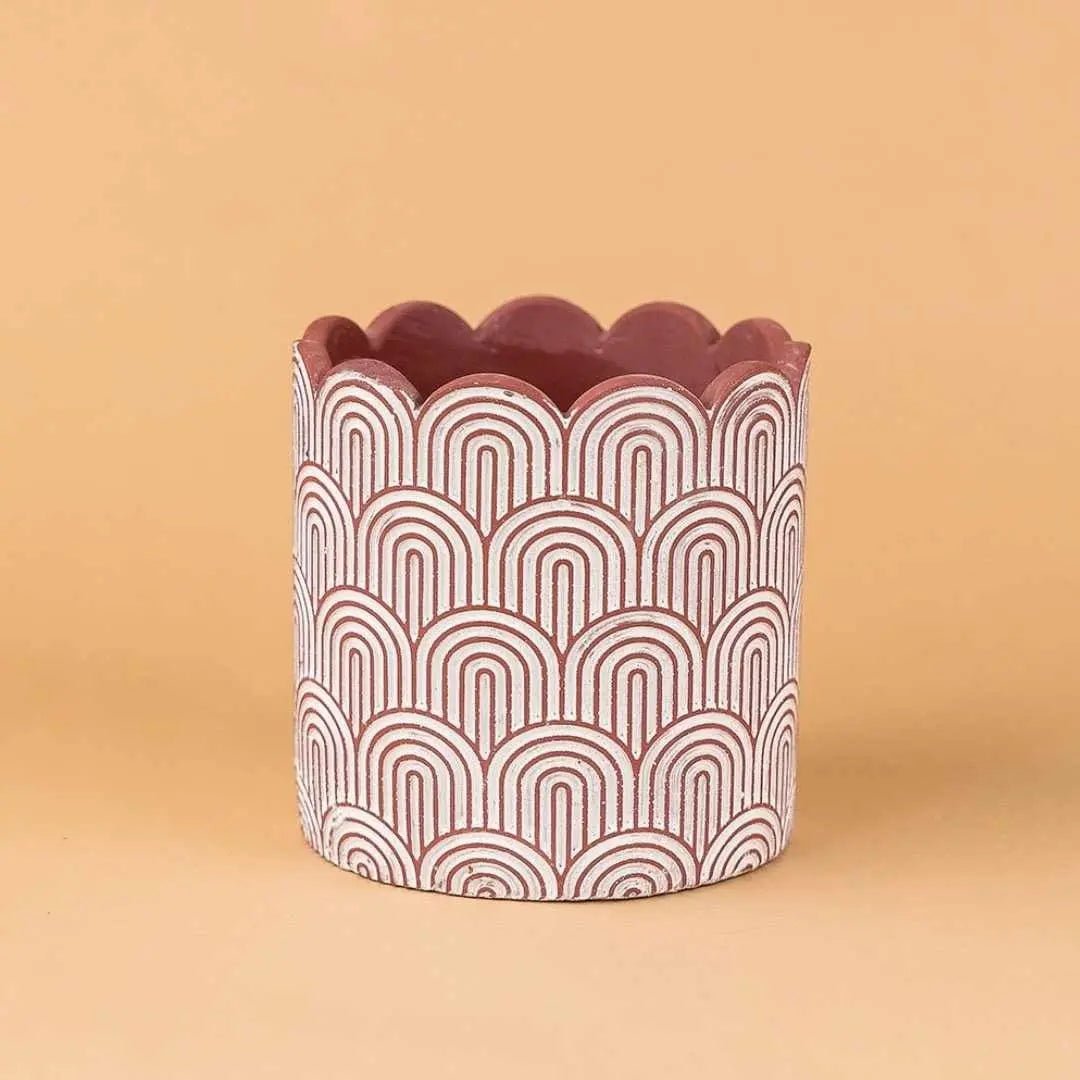
Mix affordable pots from Daiso and IKEA with a few statement ceramic pieces. Woven baskets as cachepots add texture cheaply.
The Living Room Jungle (Singapore Edition)

A practical example for a typical HDB or condo living room:
Corners: One Monstera on a moss pole + one tall Dracaena
Behind sofa: Fiddle Leaf Fig or Bird of Paradise
Bookshelf: 3-4 trailing Pothos between books + 2 upright Peperomia
Coffee table: Small terrarium or Calathea
Hanging: 2 macrame hangers with Pothos and String of Hearts
TV console: Aglaonema + Snake Plant flanking the TV
Window area: Herb pots, small orchid, Hoya on a trellis
Total plant count: 15-20 plants. Visual effect: complete jungle transformation.
Final Thoughts
Creating an indoor jungle in Singapore is one of the most rewarding home projects you can undertake. The climate works in your favour, the plants are readily available, and the transformation from sterile apartment to tropical sanctuary is dramatic.
Start small, propagate generously, and let your jungle grow organically. Within a year, you will walk into your home and feel like you have stepped into a forest.
Stock your indoor jungle at Tumbleweed Plants.
Quick summary
Key Takeaways
- The Jungle Aesthetic Principles
- Building Your Jungle Layer by Layer
- Singapore Jungle Advantages
- Practical Considerations
- Budget Jungle Building
- The Living Room Jungle (Singapore Edition)
Ready to bring some green into your home?
Browse 250+ hand-picked plants, curated for Singapore homes — delivered to your door.
Browse All Plants →