















Minimalist Plant Styling for Singapore Apartments
Posted on April 09 2026
In this article

Minimalist design is not about having nothing — it is about having exactly what matters. When it comes to plants, minimalism means choosing fewer, more intentional specimens and displaying them with clean precision rather than cluttered abundance.
In Singapore's compact apartments, minimalist plant styling makes particular sense. It brings nature indoors without overwhelming small spaces, creates visual calm in busy urban lives, and lets each plant become a considered design element rather than part of an undifferentiated green mass.
Principles of Minimalist Plant Styling
Less Is More (Really)
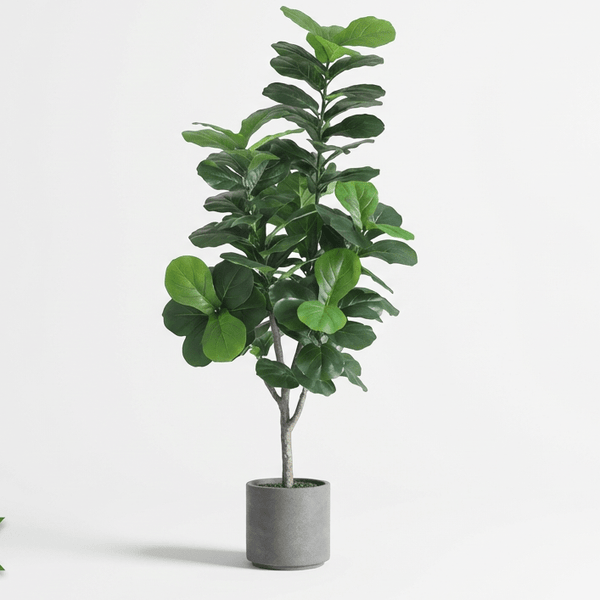
The core principle. One spectacular Fiddle Leaf Fig makes more impact than ten small plants scattered across surfaces. Minimalist styling is about restraint — each plant earns its place.
Start with: How many plants does this room actually need? Often the answer is one to three, positioned with intention.
Negative Space
The empty space around a plant is as important as the plant itself. A single Monstera in a corner with nothing else nearby becomes a focal point. The same plant crowded between furniture, books, and decorations becomes visual noise.
Leave breathing room. Let your plants stand alone in their designated spots.
Clean Lines
Minimalism favours plants with architectural, defined forms over wild, unruly growth:
- Upright forms (Snake Plant, Rubber Plant, Dracaena)
- Geometric shapes (Aloe, Haworthia, Zamioculcas)
- Single-stem trees (Fiddle Leaf Fig, Yucca)
Trailing plants work in minimalist settings too — but as a single, intentional cascade rather than an overgrown tangle.
Neutral Palette
Let the green of the plant be the colour story. Pots, stands, and surroundings should be neutral — white, grey, black, concrete, or natural wood.
Avoid: Brightly coloured pots, novelty planters, and decorative excess around plants.
Best Plants for Minimalist Singapore Interiors

Snake Plant (Sansevieria)
The minimalist's dream plant. Upright, architectural, and sculptural. The clean vertical lines complement modern furniture perfectly.
Best minimalist varieties:
- Sansevieria Moonshine (pale silver-green — ethereal)
- Sansevieria Cylindrica (tubular leaves — highly architectural)
- Sansevieria trifasciata (classic, reliable)
Styling: Single plant in a matte white or concrete pot. Let it stand alone on the floor or a low plant stand.
Rubber Plant (Ficus Elastica)
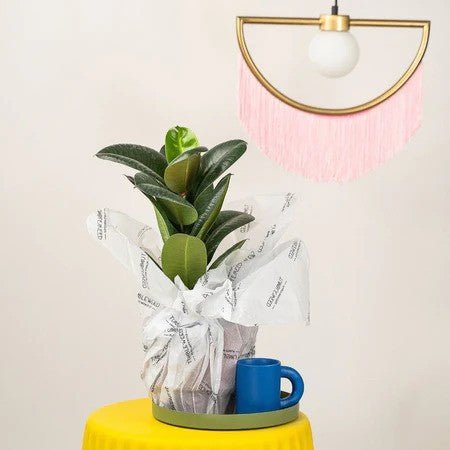
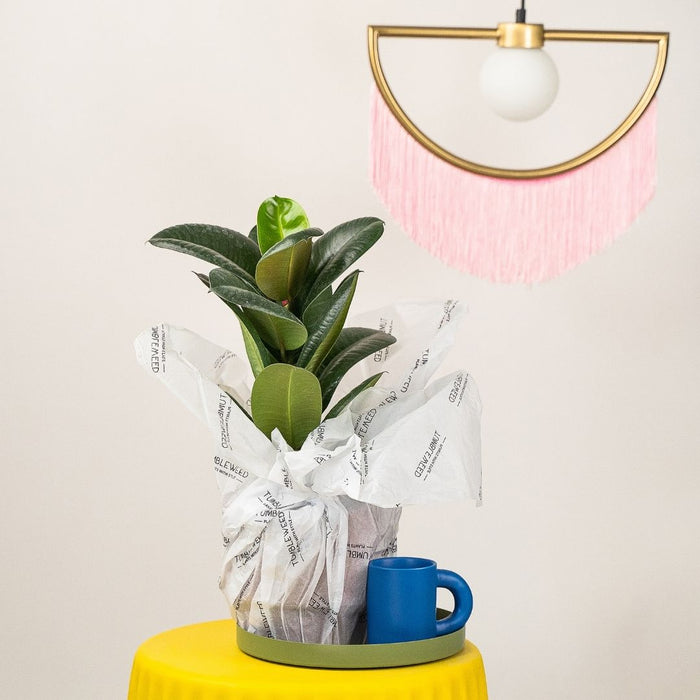
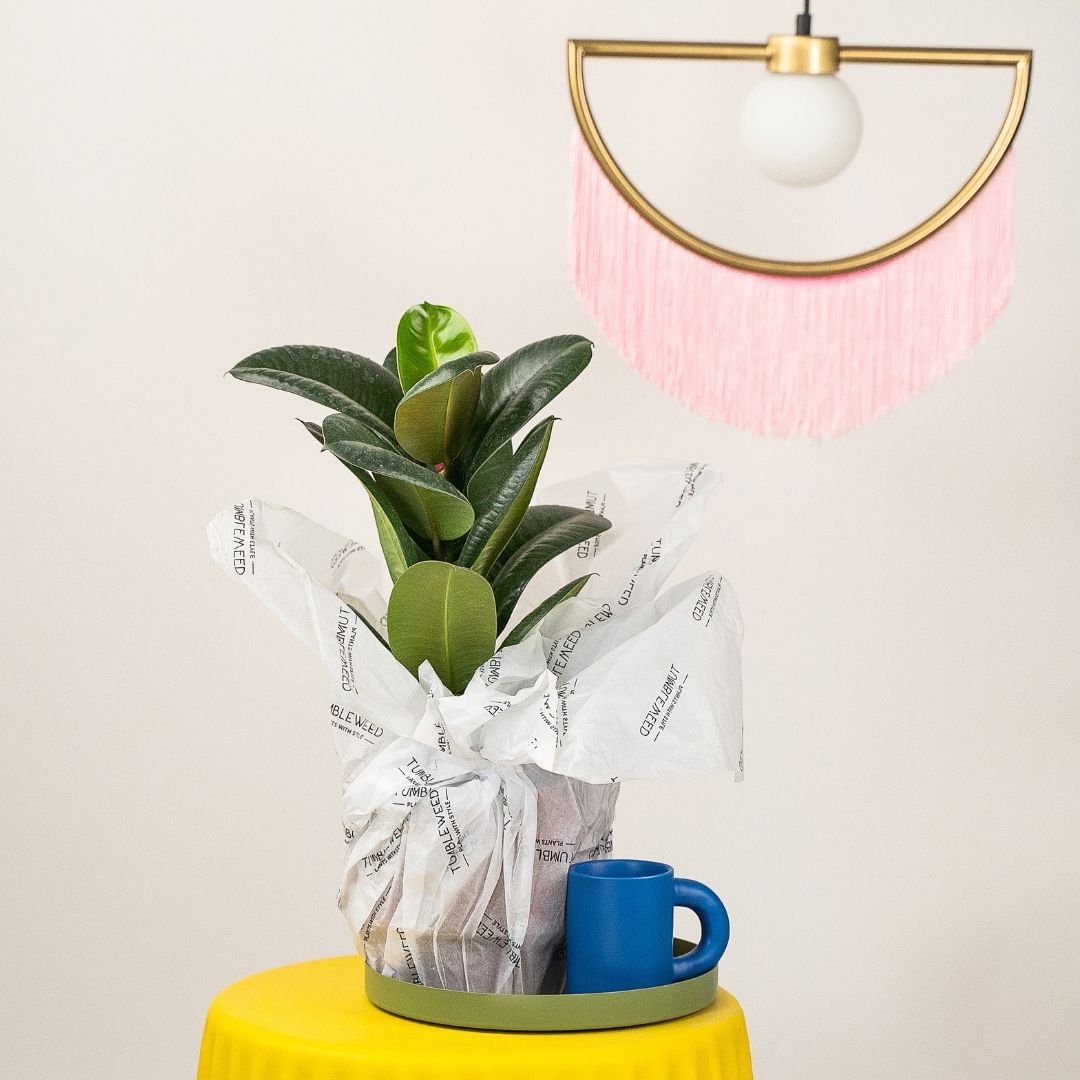
Large, glossy leaves on a clean trunk. The Burgundy variety is especially striking against white walls.
Styling: One mature specimen in a corner, preferably in a simple terracotta or matte black pot on a mid-century wooden stand.
ZZ Plant (Zamioculcas zamiifolia)
Arching stems with evenly spaced, glossy leaflets. Naturally symmetrical and architectural.
Styling: Perfect for entryways and console tables. The Raven variety (black leaves) is exceptionally minimalist.
Fiddle Leaf Fig (Ficus Lyrata)
The statement indoor tree. Its large, violin-shaped leaves create bold impact with minimal effort.
Styling: Single specimen in a clean pot beside a sofa or in an empty corner. Let it be the room's focal point.
Monstera Deliciosa
Dramatic fenestrated leaves on a single climbing stem. Iconic and immediately recognisable.
Styling: Train on a simple moss pole or wooden plank. One mature Monstera can define an entire room.
String of Pearls or String of Hearts
A single trailing plant cascading from a high shelf or wall-mounted planter adds organic movement to a minimalist space without clutter.
Styling: One strand or planter, positioned as a visual accent. Less is dramatically more.
Orchid (Phalaenopsis)
One white orchid in a simple ceramic pot is perhaps the most classically minimalist plant display. Elegant, refined, and culturally significant in Singapore.
Styling: Single orchid on a clean surface — dining table, bathroom vanity, or bedroom side table.
Choosing Minimalist Pots
The pot is as much a design element as the plant. In minimalist styling, pot choice follows strict principles:
Material
Concrete/cement: Matte, industrial, modern. The quintessential minimalist material.
White ceramic: Clean, timeless, and bright. Glazed white is the safest minimalist choice.
Matte black ceramic: Bold contrast against green foliage and light walls.
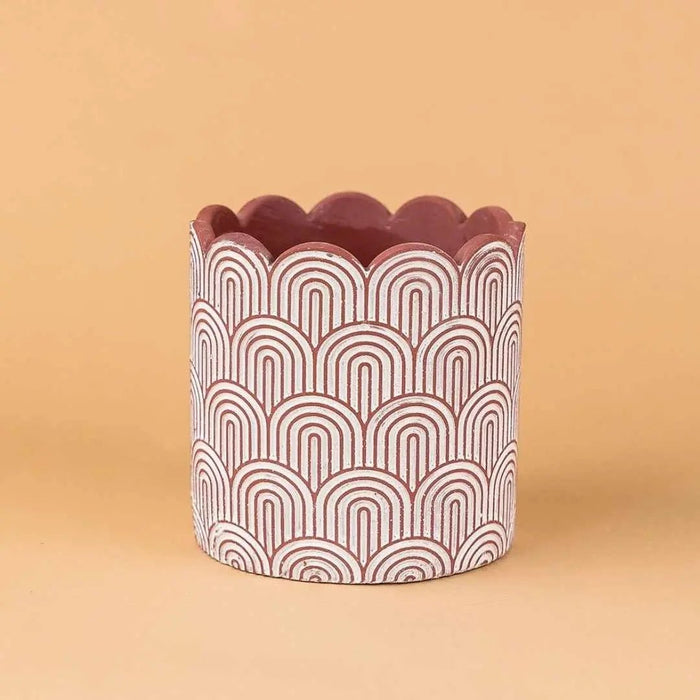
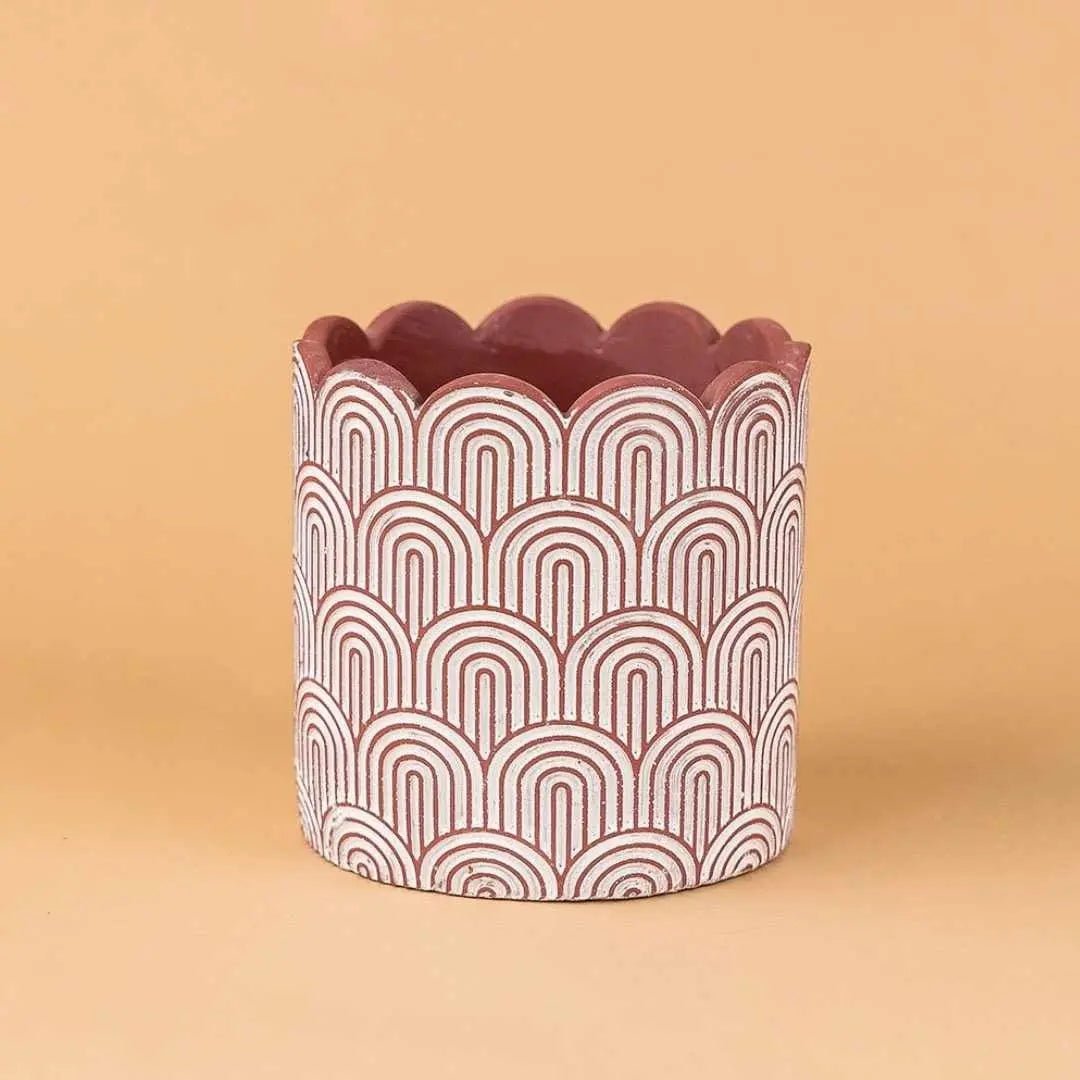
Terracotta: Warm, natural, and increasingly popular in minimalist-warm interiors.
Natural stone: Premium option. Heavy and substantial. Makes a statement.
Shape
Cylinder: Clean, modern, no ornamentation.
Slightly tapered: Subtle visual interest while maintaining simplicity.
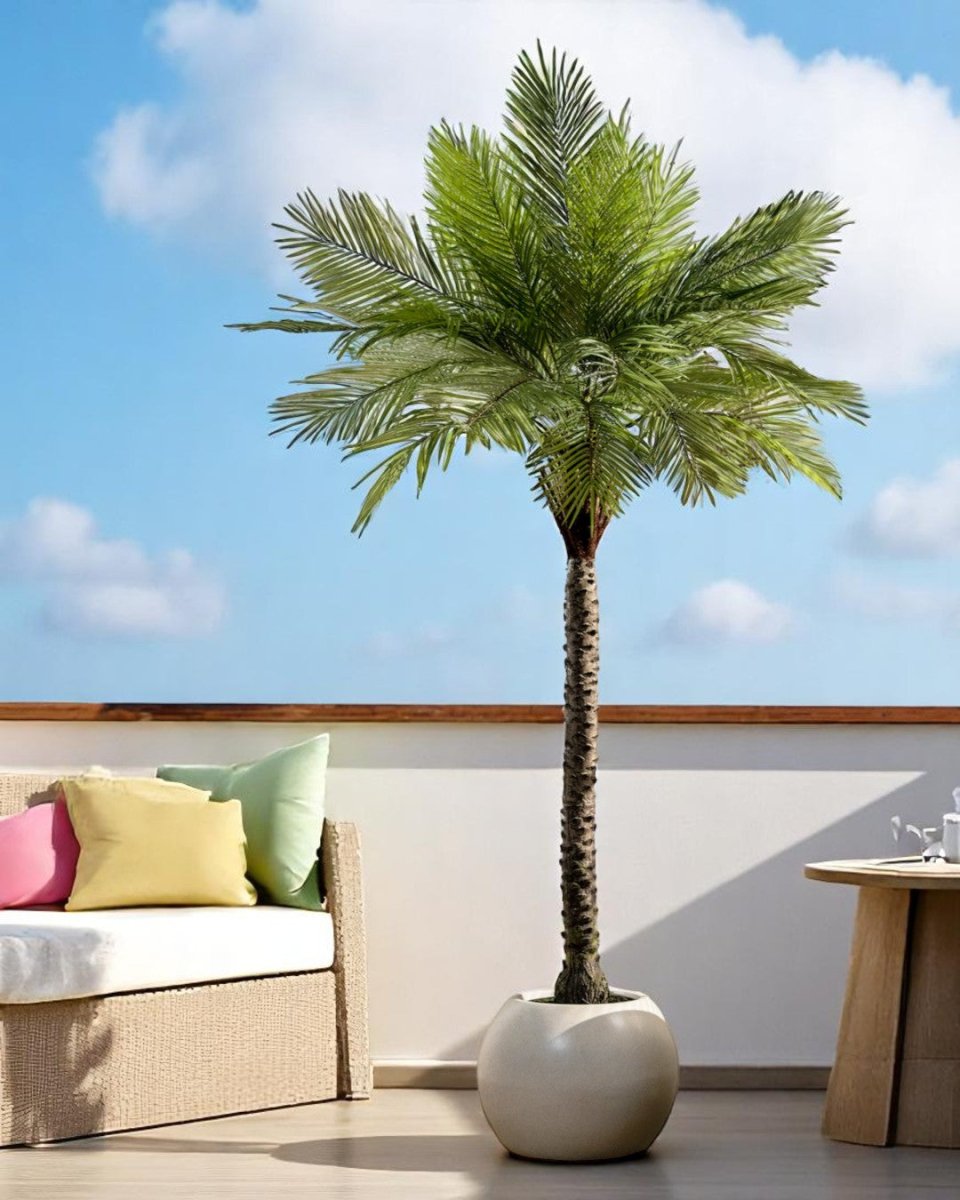
Round globe: Soft, organic form that contrasts with angular furniture.
Avoid: Ornate shapes, animal-shaped planters, overly decorative details.
Size
Pot should be proportional to the plant — neither overwhelmingly large nor comically small. The pot should complement, not compete with, the plant.
Colour Rule
One colour palette for all pots in a room. All white, all concrete grey, or all matte black creates cohesion. Mixing pot colours fragments the visual calm.
Room-by-Room Minimalist Plant Guide

Living Room
One to two plants maximum. A statement tree (Fiddle Leaf Fig or Rubber Plant) in a corner, and optionally a smaller plant (Snake Plant or ZZ) on a console or side table.
Placement: Corner positions or beside key furniture pieces. Never in the centre of the room or blocking pathways.
Bedroom
One plant maximum. A medium Snake Plant or Sansevieria Moonshine on the floor near the window or on the bedside table.
Key: The bedroom should feel calm. One quiet plant enhances rest; multiple plants create visual energy.
Home Office
One desk plant and optionally one floor plant. A small ZZ Plant or Pothos on the desk. A taller plant (Snake Plant, Dracaena) behind or beside the desk for a clean backdrop during video calls.
Kitchen
One herb plant or small succulent. Functional minimalism — a pot of basil or rosemary near the cooking area serves both aesthetic and practical purposes.
Bathroom
One plant maximum. A fern or small Peace Lily on the vanity or windowsill. The spa aesthetic aligns naturally with minimalism.
Entryway
One statement plant. An orchid or a compact architectural plant welcomes guests with simplicity and intent.
Common Minimalist Styling Mistakes
Too Many Plants
The opposite of minimalism. If you love plants and want a jungle, that is a valid aesthetic — but it is not minimalism. Choose the approach that suits you.
Mismatched Pots
A collection of random pots in different colours, sizes, and styles undermines minimalist intention. Invest in consistent pot choices.
Neglected Plants
A minimalist display draws attention to every detail. A yellowing leaf, dusty surface, or tilting stem is more noticeable when the plant stands alone. Maintenance is non-negotiable.
Over-Accessorising
Plant stands, macrame hangers, fairy lights, figurines, and decorative stones all have their place — but in minimalist styling, less is genuinely more. The plant alone should be sufficient.
Wrong Scale
A tiny plant on a vast empty shelf looks lost. A massive plant in a tight nook looks crammed. Match plant scale to the space and surrounding furniture proportions.
The One-Plant Apartment

The ultimate minimalist plant expression: one perfectly chosen, perfectly maintained plant in the entire apartment.
How to make it work:
- Choose a statement plant with strong visual presence (Monstera, Fiddle Leaf Fig, or mature Snake Plant)
- Select a beautiful pot that you genuinely love
- Position in the room where you spend the most time
- Maintain it meticulously — this plant represents your entire relationship with nature in your home
- Let it become a daily touchpoint — a moment of living presence in a curated space
Final Thoughts
Minimalist plant styling is about intention, not deprivation. Every plant in your space should be there because you deliberately chose it for that specific spot. The result is a home that feels calm, considered, and alive — qualities that Singapore apartment living benefits from enormously.
Start by editing your current collection. Which plants truly add to your space, and which are just filling it? Keep the ones that matter. Let the others find new homes.
Browse Tumbleweed Plants for architecturally striking plants perfect for minimalist interiors.
Quick summary
Key Takeaways
- Principles of Minimalist Plant Styling
- Best Plants for Minimalist Singapore Interiors
- Choosing Minimalist Pots
- Room-by-Room Minimalist Plant Guide
- Common Minimalist Styling Mistakes
- The One-Plant Apartment
Ready to bring some green into your home?
Browse 250+ hand-picked plants, curated for Singapore homes — delivered to your door.
Browse All Plants →