














Japandi Plant Styling: Minimalist Green Decor for Singapore Homes
Posted on April 09 2026
In this article

Japandi — the fusion of Japanese and Scandinavian design principles — has become one of the most influential interior design trends in recent years. Both traditions share a deep appreciation for simplicity, natural materials, craftsmanship, and the beauty of imperfection. Where they meet is a design philosophy that feels both warm and disciplined, lived-in and intentional.
Plants play a central role in Japandi interiors. But not plants piled onto every surface in a maximalist jungle. Japandi plant styling is about restraint — fewer plants, chosen with purpose, displayed with care, and allowed to exist as individual objects of beauty rather than elements of a crowded collection.
For Singapore homes — often compact, modern, and air-conditioned — Japandi plant styling is particularly well-suited. It works in small spaces, favours low-maintenance varieties, and creates calm without clutter.
The Principles of Japandi Plant Styling
Wabi-Sabi: Beauty in Imperfection
The Japanese concept of wabi-sabi embraces the beauty of things that are imperfect, incomplete, and impermanent. In plant styling, this means:
- A slightly asymmetric plant is more interesting than a perfectly symmetrical one
- A leaf with natural variation or a small imperfection has character
- An older, weathered pot is more beautiful than a brand-new one
- The plant's natural growth pattern is respected, not forced into a shape
Lagom: Just the Right Amount
The Swedish concept of lagom means "just enough" — not too much, not too little. In plant styling:
- Fewer plants, better displayed, is preferable to many plants crammed together
- Each plant earns its place through visual contribution
- Empty space is as important as planted space
- The room should feel balanced, not overcrowded
Ma: Negative Space
The Japanese concept of ma refers to the meaningful space between objects. In Japandi plant styling:
- Plants need breathing room around them
- A single plant on an otherwise empty shelf makes a stronger statement than a shelf packed with objects
- The gap between plants is a deliberate design element, not wasted space
Plant Selection

Architectural Plants
Japandi interiors favour plants with strong, clean forms that function as sculptural objects:
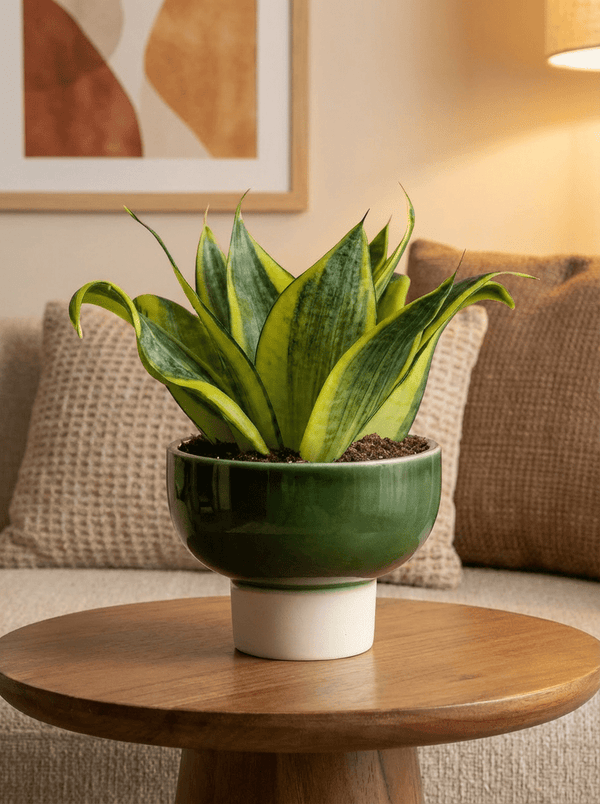
- Snake Plant — The quintessential Japandi plant. Upright, geometric, and unfussy. A single Snake Plant in a simple pot is a complete design statement.
- ZZ Plant — Glossy, arching stems with a balanced, symmetrical form. Modern and elegant.
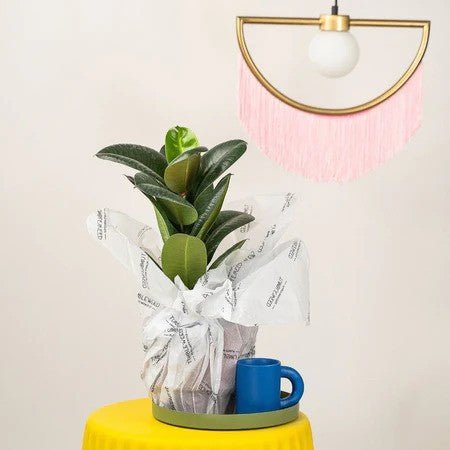
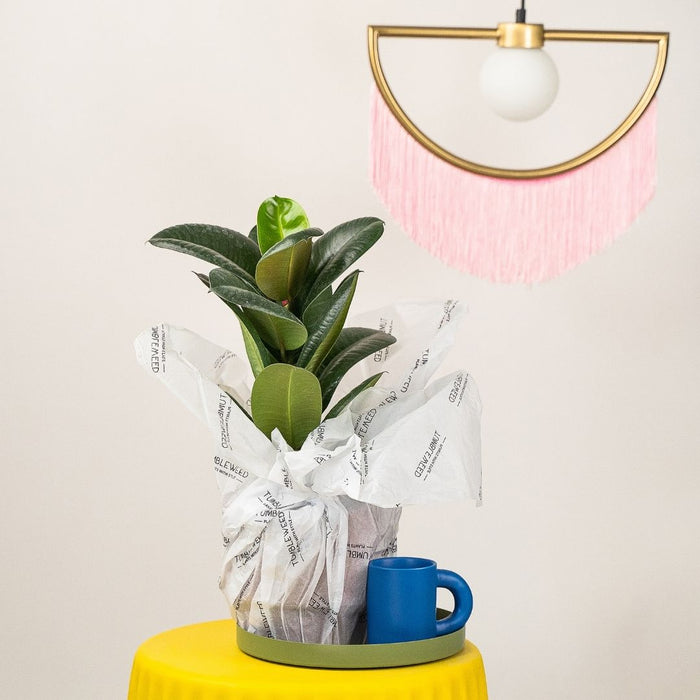
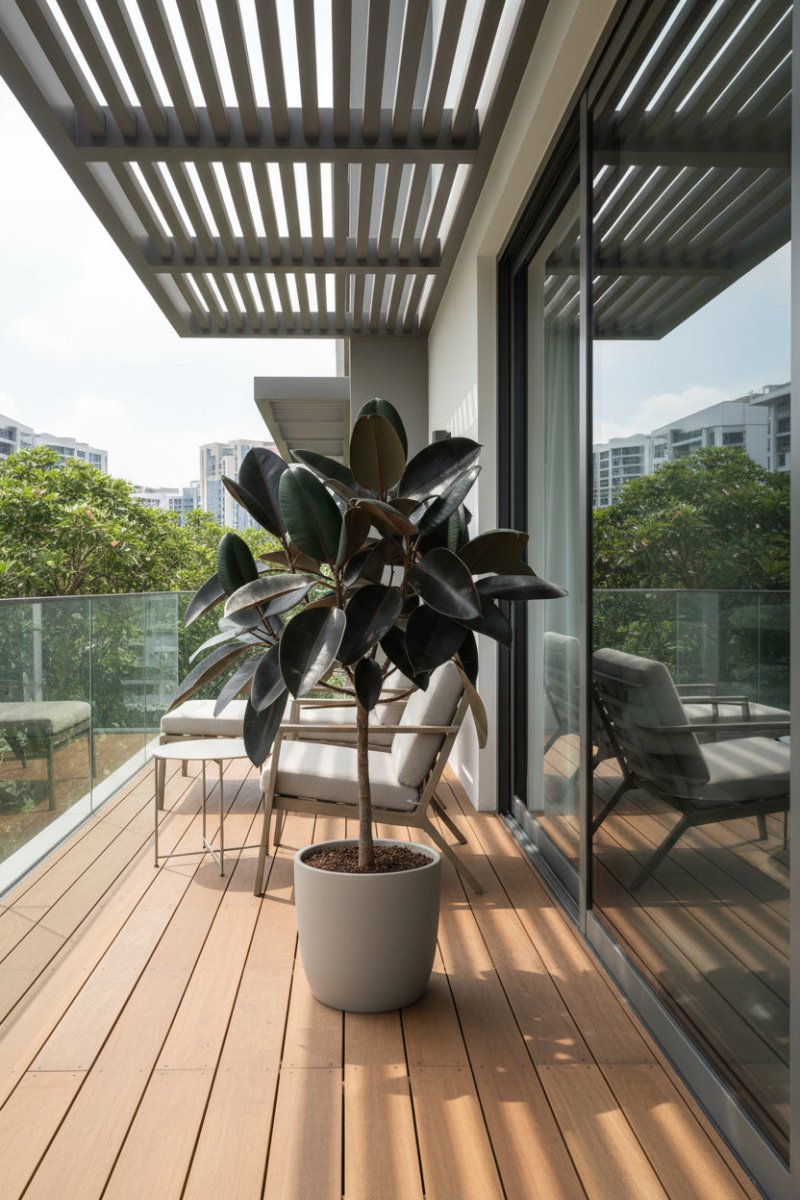
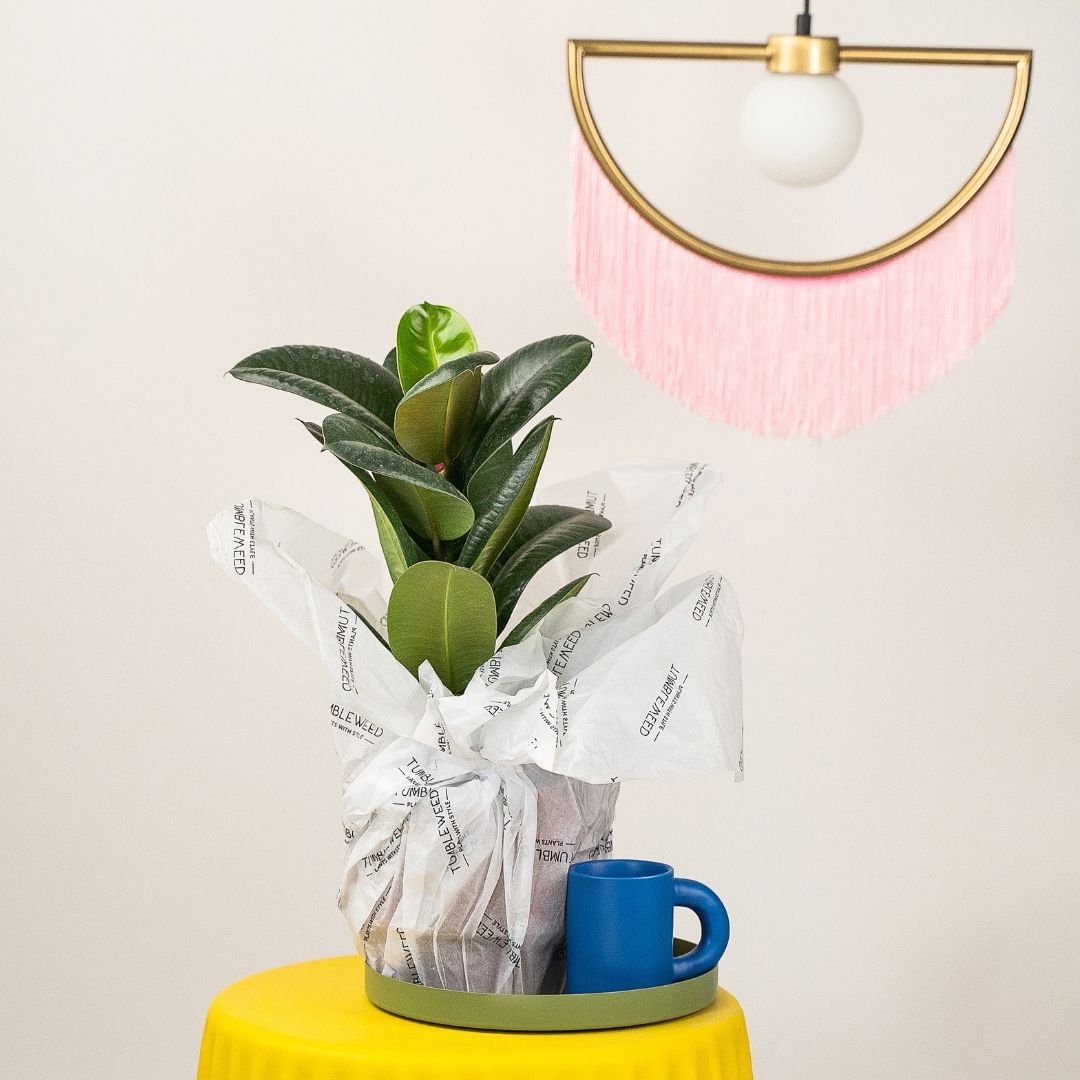
- Rubber Plant — Dark, glossy leaves on an upright stem. Substantial presence with clean lines.
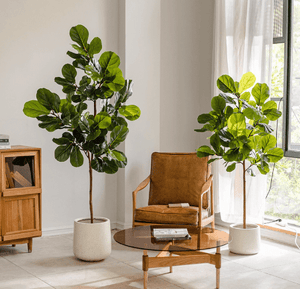
- Fiddle Leaf Fig — Large, sculptural leaves. One tree-form specimen as a room anchor.
- Bonsai — The most directly Japanese element. A bonsai is a living sculpture that embodies patience and intentionality.
Organic-Form Plants
To balance architectural precision, include one or two plants with softer, more organic growth:
- Monstera — Dramatic but natural leaf shapes. The fenestrations add visual complexity.
- Pothos — A single trailing vine from a high shelf adds gentle movement.
- Peace Lily — Elegant curves and occasional white blooms. Understated sophistication.
- Fern — Soft, feathery fronds contrast with harder architectural elements.
What to Avoid
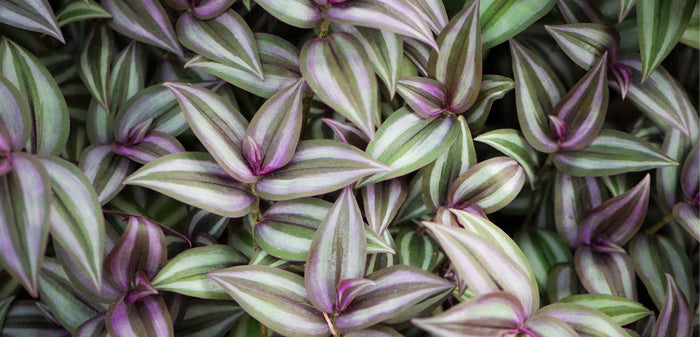
- Highly colourful or variegated plants — Pink Aglaonema, Croton, and Caladium are too visually loud for Japandi restraint. Save them for other styling approaches.
- Many small plants — Collections of tiny succulents on every surface contradicts the lagom principle.
- Trailing jungles — Multiple long trailing vines from every hook and shelf is maximalist, not Japandi.
Pot Selection
The pot is at least as important as the plant in Japandi styling:
Materials
- Ceramic in matte earth tones — white, grey, charcoal, cream, or terracotta. Matte finishes feel more natural and considered than glossy glaze.
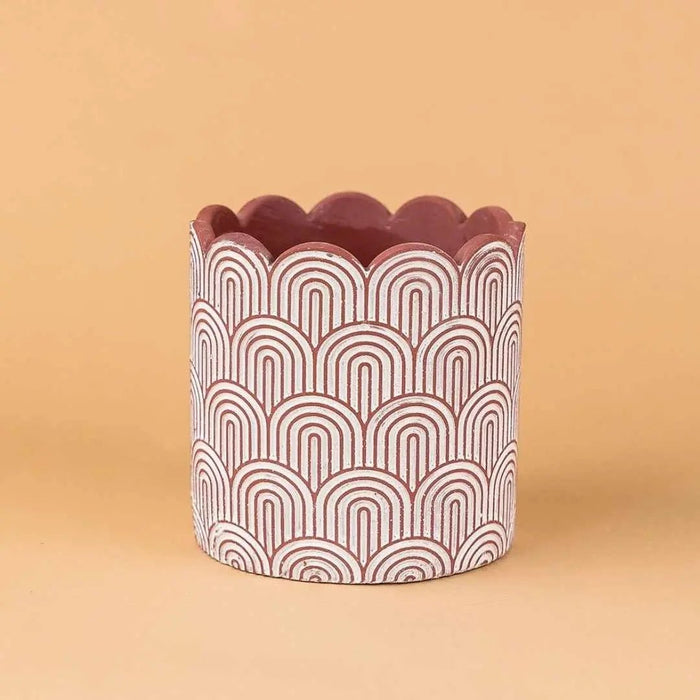
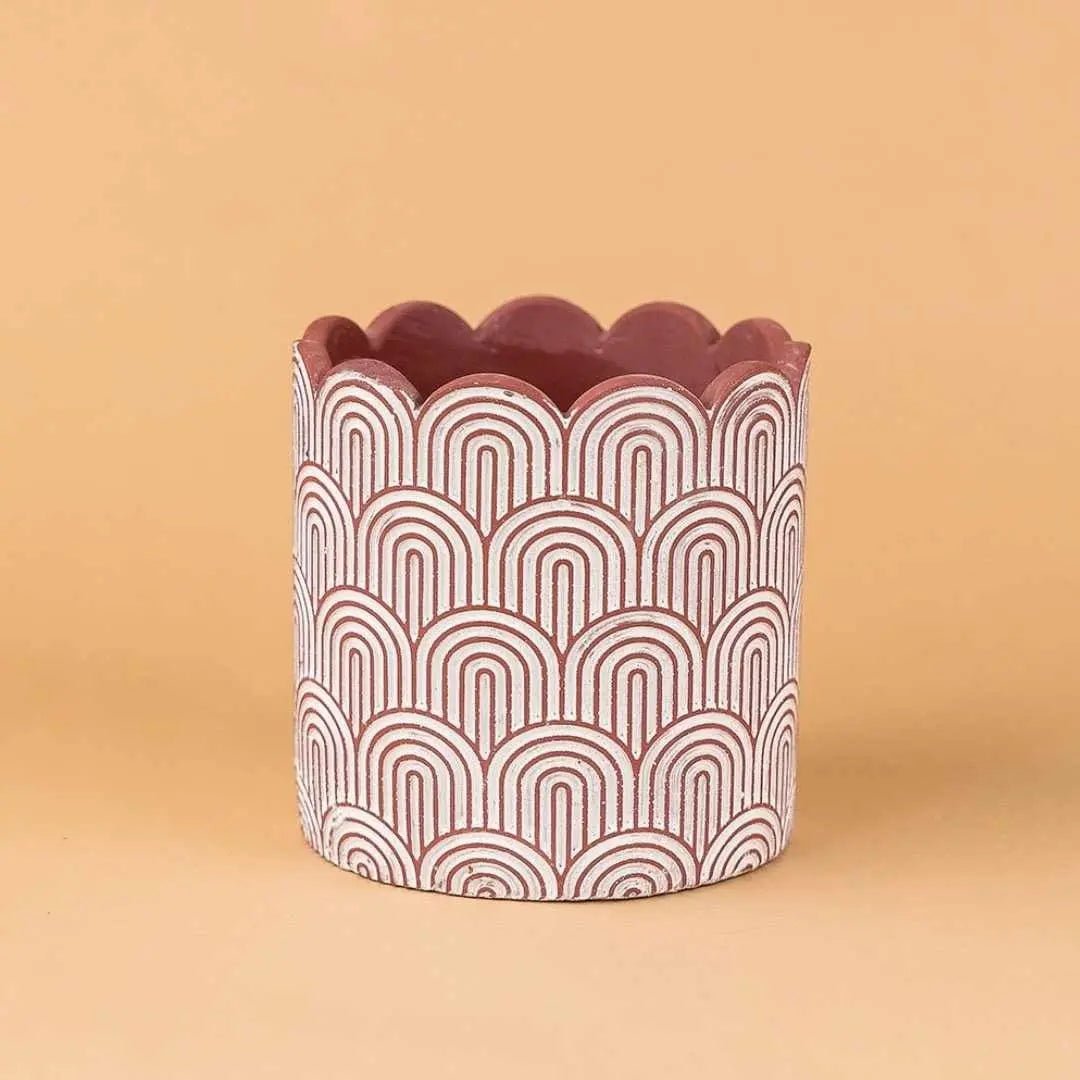
- Terracotta — Natural, warm, and perfectly imperfect. Aged terracotta with mineral deposits embodies wabi-sabi.
- Handmade pottery — Irregularities and handmade marks are features, not flaws. Seek out local ceramicists whose work has character.
- Wood — Turned wooden vessels or wooden cache pots add Scandinavian warmth.
- Concrete — Subtle, textured, modern. Works in greyer Japandi palettes.
What to Avoid
- Bright or patterned pots — Yellow, pink, or multicoloured patterns are too vibrant.
- Cheap plastic — Contradicts the craftsmanship principle. If using a plastic nursery pot, place it inside a natural-material cache pot.
- Matching sets of many identical pots — One or two matching pieces are fine. Ten identical pots lined up feels industrial, not Japandi.
Shape
Simple, organic forms. Slightly tapered cylinders, gentle curves, and hand-thrown shapes. Avoid overly geometric, angular, or novelty shapes (animal pots, face pots, etc.).
Arrangement Principles

One Plant Per Moment
Instead of grouping many plants together, create individual "plant moments" — a single plant in a single spot, given space and attention. A Snake Plant alone on a sideboard. A Monstera alone in a corner. A bonsai alone on a shelf.
Odd Numbers
When grouping is appropriate (two to three plants in an arrangement), use odd numbers. Three plants of varying heights create a balanced asymmetry that feels natural.
Ground the Arrangement
Place plants on natural surfaces — a wooden tray, a linen mat, or a stone slab beneath the pot. This "grounding" element anchors the plant and connects it visually to the surface beneath.
Consider the View from Seated Position
In Japanese design, interiors are considered from the seated perspective (originally floor-seated, but applicable to sofas and chairs). Place your most important plants where they are visible and beautiful from where you spend the most time sitting.
Room-by-Room Japandi Plant Styling
Living Room
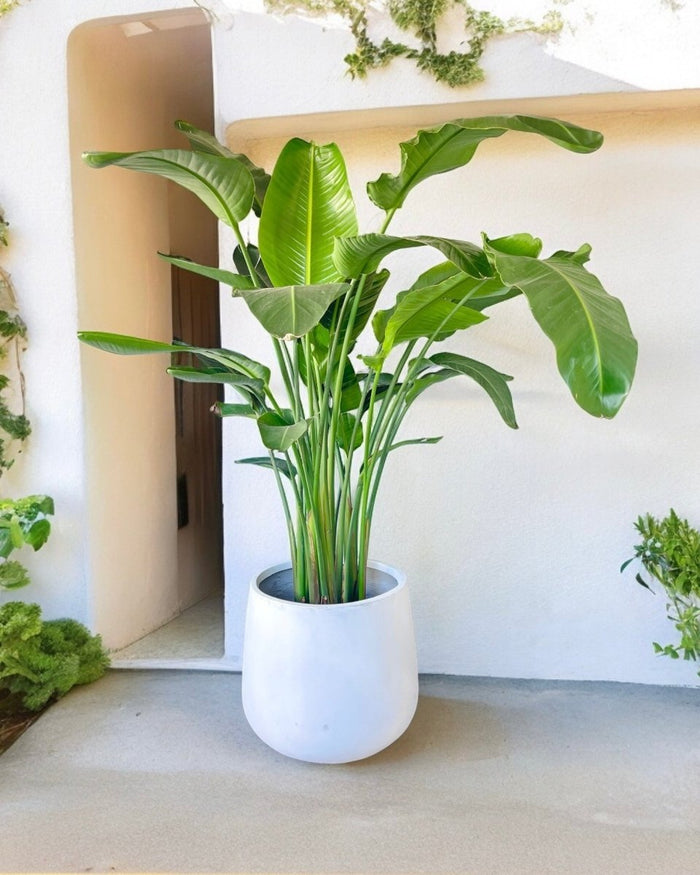
- One large floor plant in the corner (Monstera, Rubber Plant, or Fiddle Leaf Fig)
- One medium plant on the sideboard or media console (Snake Plant or ZZ Plant)
- One trailing plant on the highest shelf — subtle, not dramatic
- Nothing on the coffee table except during intentional display
Bedroom
- One plant on the bedside table or dresser — a small Snake Plant or Peace Lily
- Nothing else. The bedroom is for rest.
Home Office
- One desktop plant in a simple pot
- One floor plant beside the desk
- Clean, uncluttered, calming
Entrance / Genkan
- One plant near the door to welcome. A bonsai or a single striking specimen in a beautiful pot sets the tone for the entire home.
Shop Japandi Plants

Browse our indoor plant collection for architectural, clean-lined plants that suit minimalist Japandi interiors. We deliver healthy plants across Singapore.
Japandi plant styling is not about having fewer plants because you do not care about plants. It is about having fewer plants because you care deeply about each one — choosing it with intention, displaying it with respect, and giving it the space to be fully appreciated. In a world that often equates more with better, Japandi reminds us that sometimes a single, beautiful plant in a handmade pot on an uncluttered shelf is all a room needs.
Quick summary
Key Takeaways
- The Principles of Japandi Plant Styling
- Plant Selection
- Pot Selection
- Arrangement Principles
- Room-by-Room Japandi Plant Styling
- Shop Japandi Plants
Ready to bring some green into your home?
Browse 250+ hand-picked plants, curated for Singapore homes — delivered to your door.
Browse All Plants →