























How to Clean and Maintain Houseplant Leaves
Posted on April 09 2026
In this article

Leaf cleaning is the most overlooked task in houseplant care. Watering? Everyone remembers. Fertilising? Most people get to it eventually. But wiping dust off leaves? It barely crosses most plant owners' minds — until they notice their once-glossy Rubber Plant looking dull and their Monstera leaves coated in a fine grey film.
In Singapore, where dust, air pollution particles, and the residue from air conditioning accumulate on indoor surfaces, leaf cleaning is not just cosmetic. It directly impacts plant health.
Why Clean Leaves Matter
Light Absorption
Leaves photosynthesise by absorbing light through their surface. A layer of dust blocks light — studies suggest that a moderate dust layer can reduce photosynthesis efficiency by 20-30%. For plants already in medium or low light (common in Singapore homes), this reduction matters.
Gas Exchange
Leaves breathe through tiny pores called stomata. Dust and grime can partially block these pores, impeding the exchange of CO2 and oxygen that drives photosynthesis and respiration.
Pest Detection
Clean leaves let you spot pest activity early — spider mite webbing, mealybug clusters, scale bumps, and thrip damage are all easier to see on clean foliage. Dusty leaves hide these problems until they become infestations.
Humidity
Transpiration — the evaporation of water from leaf surfaces — is more efficient on clean leaves. This benefits both the plant and the surrounding humidity microclimate.
Aesthetics
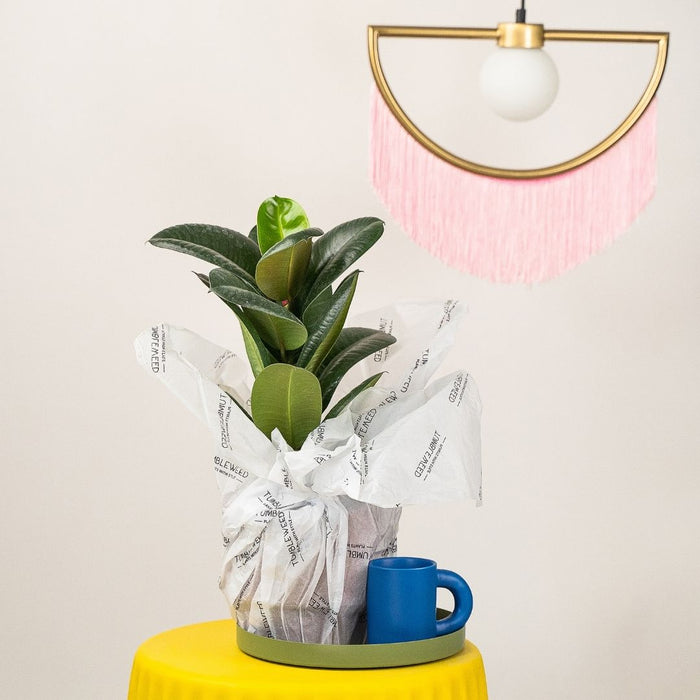
A clean plant simply looks better. The glossy sheen of a freshly wiped Rubber Plant or ZZ Plant is noticeably different from a dusty one.
Cleaning Methods by Leaf Type

Large, Smooth Leaves
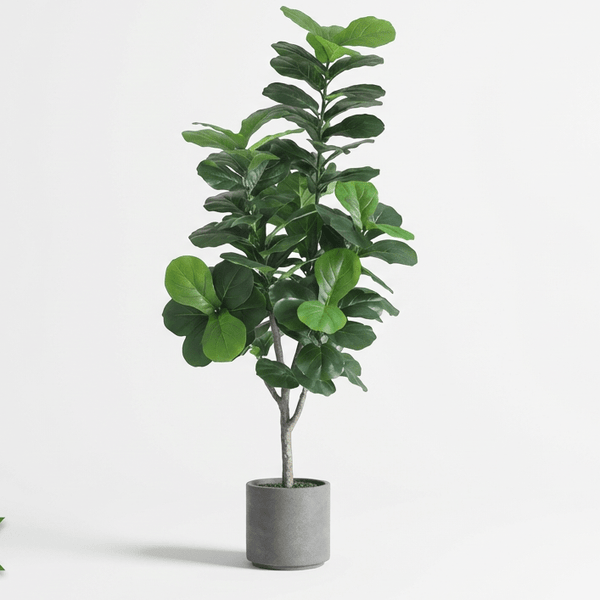
Plants: Monstera, Rubber Plant, Philodendron, ZZ Plant, Fiddle Leaf Fig, Bird of Paradise.
Method: Damp cloth wipe
- Dampen a soft cloth (microfibre works best) with room-temperature water
- Support each leaf from underneath with one hand
- Wipe gently from base to tip along the natural direction of the leaf
- Flip and wipe the underside (where pests often hide)
- Allow leaves to air dry
Frequency: Every two to four weeks.
Small or Delicate Leaves
Plants: Ferns, Peperomia, Nerve Plant, String of Hearts, Maidenhair Fern.
Method: Gentle shower
- Take the plant to the sink or shower
- Use a gentle stream of lukewarm water — low pressure
- Let the water run over all the foliage for 30-60 seconds
- Tilt the pot to drain excess water from the soil
- Allow to air dry in bright indirect light before returning to its spot
Frequency: Monthly.
Fuzzy or Textured Leaves
Plants: African Violet, some Begonias, Calathea (velvety varieties), Hoya pubicalyx.
Method: Soft brush
- Use a very soft paintbrush, makeup brush, or dedicated plant brush
- Gently brush dust from the leaf surface
- Work in the direction of any leaf hairs or texture
- Do NOT use water on fuzzy leaves — trapped moisture promotes rot
Frequency: Every two to four weeks.
Cactus and Succulents
Plants: All succulents, cacti, and plants with waxy coatings.
Method: Soft brush or compressed air
- Use a soft brush to dislodge dust from crevices and between leaves
- For cacti with spines, use a small compressed air canister (the kind used for cleaning electronics)
- Avoid water on succulents with powdery coatings (farina) — the coating is protective and does not grow back
Frequency: Monthly.
Trailing Vines
Plants: Pothos, Philodendron Heartleaf, String of Pearls, Hoya.
Method: Sink bath
- Drape the trailing vines into the sink or a basin
- Run lukewarm water over the foliage, gently swishing the vines through the water
- Lift out and let excess water drain
- Return the plant to its position
Frequency: Every four to six weeks.
What NOT to Use
Leaf Shine Products
Commercial leaf shine sprays coat leaves with a waxy or oily film that makes them look glossy. But this film:
- Blocks stomata, reducing gas exchange
- Attracts more dust long-term
- Can build up and damage leaves over time
- Interferes with natural transpiration
Skip leaf shine entirely. A clean leaf has its own natural sheen — you do not need to add artificial gloss.
Cooking Oils
Some online guides recommend wiping leaves with coconut oil or olive oil. While these create temporary shine, they:
- Attract dust and dirt (oily surfaces collect particles faster)
- Can block stomata
- May promote fungal growth
- Go rancid over time
Milk
Another common home remedy. Milk does create a temporary shine, but it leaves a residue that can attract pests and develop a sour smell.
Harsh Chemicals
Household cleaning sprays, furniture polish, and alcohol-based cleaners damage leaf tissue. Never use these on plants.
What You CAN Use (Safely)

Plain water — the best and simplest option for 95% of leaf cleaning situations.
Water with a tiny drop of mild dish soap — for heavily soiled leaves (construction dust, sticky residue). Rinse thoroughly with plain water after wiping.
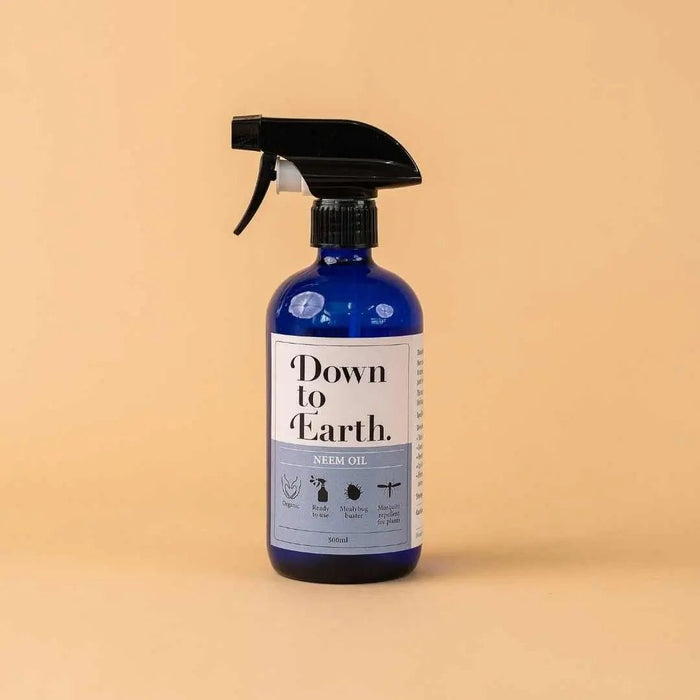
Diluted neem oil solution — combines cleaning with pest prevention. A few drops of neem oil in water, wiped on leaves, removes grime and deters common pests.
Beyond Cleaning: Leaf Maintenance
Removing Dead Leaves
Yellow, brown, or dead leaves should be removed promptly:
- They attract pests and fungal pathogens
- They divert energy from healthy growth
- They look unsightly
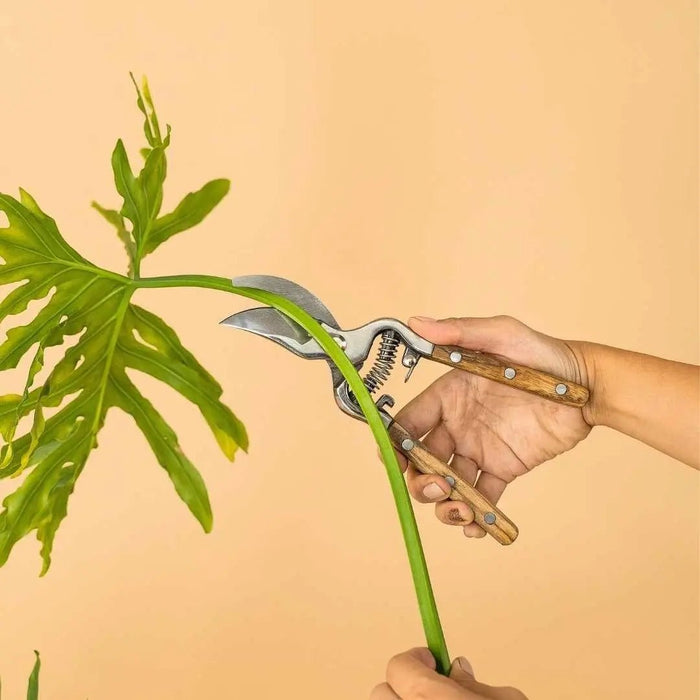
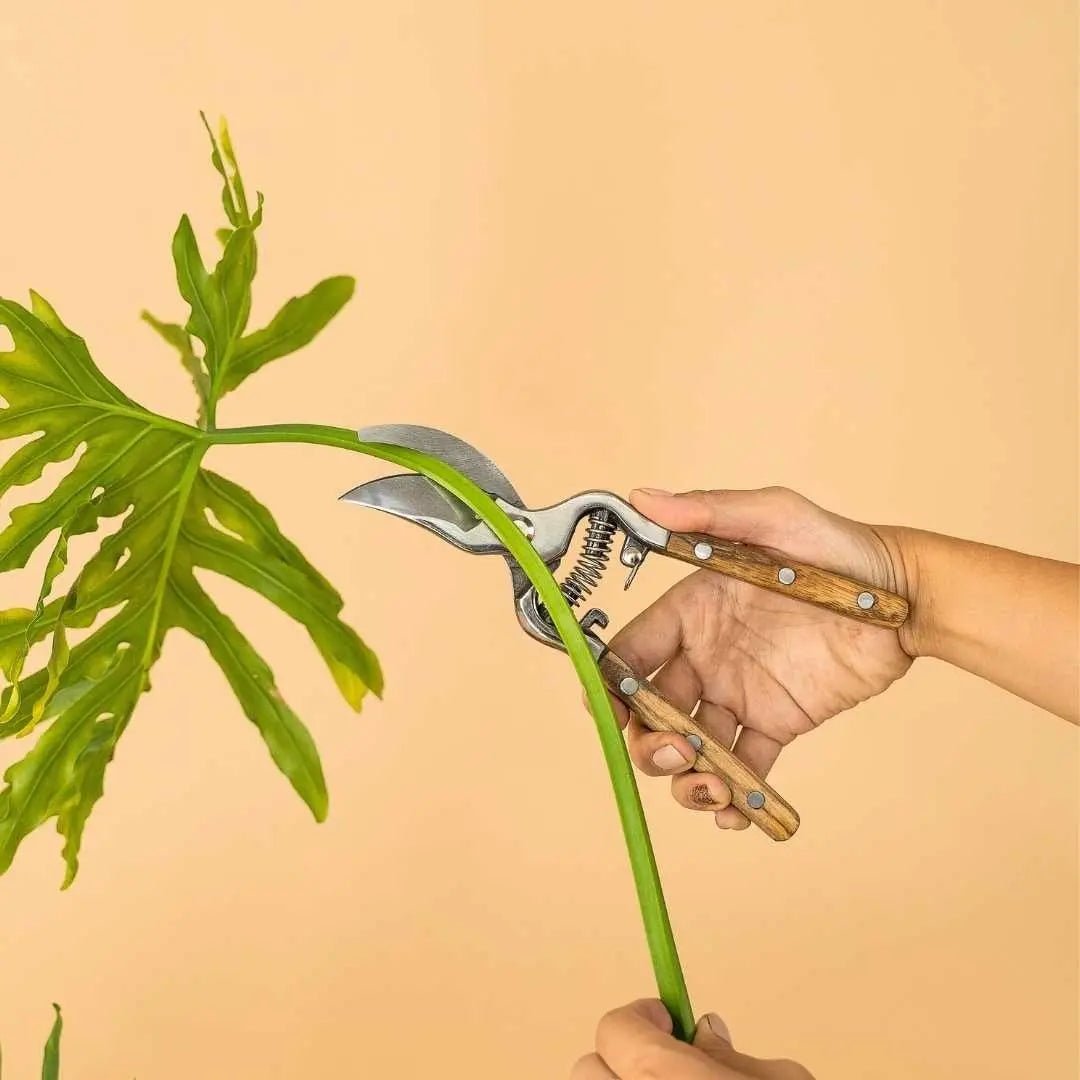
How: Pull gently if the leaf detaches easily. If not, cut with clean scissors close to the stem.
Trimming Brown Tips
Brown leaf tips are common (especially on Spider Plants, Dracaena, and Peace Lily). They are cosmetic, not harmful, but you can tidy them:
- Use sharp, clean scissors
- Cut at a slight angle, following the natural leaf shape
- Leave a tiny margin of brown — cutting into green tissue creates a fresh wound that will brown again
Checking for Pests During Cleaning
Make leaf cleaning a pest inspection opportunity:
- Check leaf undersides for spider mites (tiny dots, fine webbing)
- Check leaf axils (where leaf meets stem) for mealybugs (white cottony masses)
- Check stems for scale insects (brown bumps)
- Check new growth tips for aphids (small green or black insects)
Early detection during routine cleaning prevents infestations.
A Simple Monthly Routine

Set a monthly reminder and work through your collection:
- Large-leaved plants: Wipe each leaf with a damp cloth (five minutes per plant)
- Small-leaved and trailing plants: Take to the sink for a gentle shower (two minutes per plant)
- Fuzzy-leaved plants: Brush with a soft brush (two minutes per plant)
- All plants: Remove dead leaves, check for pests, trim brown tips
For a collection of ten plants, the entire routine takes 30-40 minutes monthly — a small investment for significantly healthier, more attractive plants.
Shop Healthy Plants
Browse our indoor plant collection — every plant ships with clean, healthy foliage ready for your home. Maintain that freshness with a simple monthly cleaning routine.
Clean leaves are not a luxury — they are basic plant health maintenance. A plant with clean leaves photosynthesises more efficiently, breathes better, resists pests more effectively, and looks dramatically better than a dusty counterpart. It takes minutes per month and the difference is visible immediately. Add it to your care routine and your plants will repay you with healthier, more vibrant growth.
Quick summary
Key Takeaways
- Why Clean Leaves Matter
- Cleaning Methods by Leaf Type
- What NOT to Use
- What You CAN Use (Safely)
- Beyond Cleaning: Leaf Maintenance
- A Simple Monthly Routine
Ready to bring some green into your home?
Browse 250+ hand-picked plants, curated for Singapore homes — delivered to your door.
Browse All Plants →