

















How to Clean Houseplant Leaves in Singapore
Posted on April 09 2026
In this article

Dust. It settles on every surface in a Singapore home — furniture, floors, and yes, your plant leaves. That thin grey layer might seem harmless, but dusty leaves are actually a significant drag on plant health. They block light, clog pores, and create conditions that pests love.
Cleaning your plants' leaves is one of the simplest yet most impactful care tasks you can perform. Here is why it matters and how to do it properly.
Why Clean Leaves Matter
Photosynthesis Efficiency
Plants absorb light through their leaves. A layer of dust reduces light reaching the chloroplasts — effectively putting your plant in dimmer conditions than its position would suggest. In Singapore apartments where light is already limited, every photon counts.
Studies show that a thick dust layer can reduce photosynthesis by up to 40%. That is the equivalent of moving your plant from a bright windowsill to a dim corner.
Stomatal Function
Leaves have tiny pores called stomata that allow gas exchange — CO2 in, oxygen out. Dust and grime clog these pores, reducing the plant's ability to breathe and transpire.
Pest Prevention
Many common pests — spider mites, scale, and mealybugs — establish themselves on dusty, neglected leaves. Regular cleaning physically removes early-stage infestations and lets you spot pests before they become problems.
Aesthetic Impact
There is no way around it — clean, glossy leaves look dramatically better than dusty ones. If you are investing time and money in beautiful houseplants, ten minutes of monthly cleaning preserves that investment.
Cleaning Methods by Leaf Type

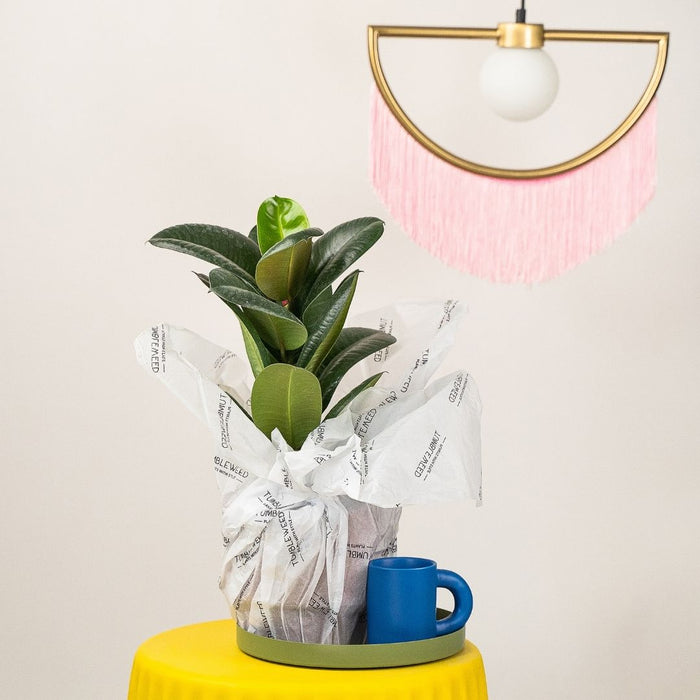
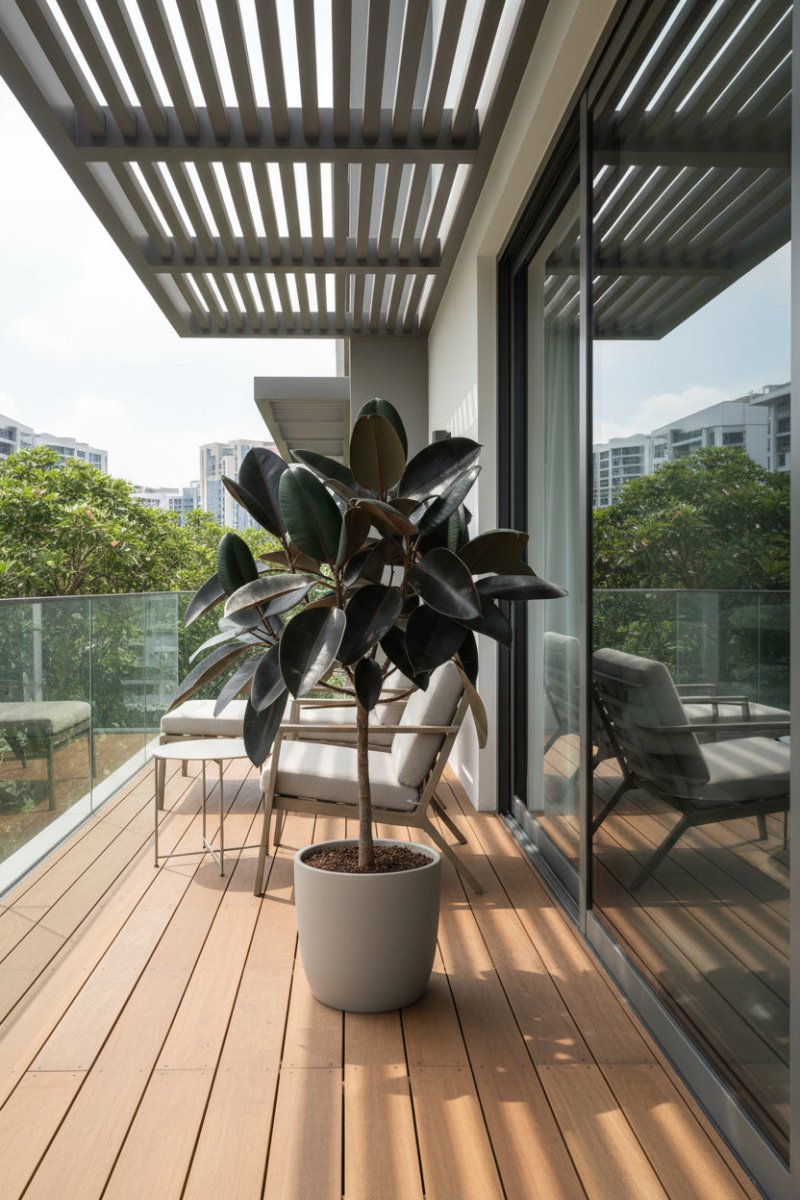
Large, Smooth Leaves (Monstera, Rubber Plant, Peace Lily, ZZ Plant)
Method: Damp cloth wipe
- Support the leaf from underneath with one hand
- Wipe the top surface gently with a soft, damp cloth
- Wipe the underside (this is where pests hide)
- Use gentle, outward strokes from stem to tip
- Rinse or change the cloth between plants to avoid spreading any pests
Enhancement: Add a drop of neem oil to the cloth. This cleans, adds a subtle shine, and provides mild pest deterrence.
Small Leaves on Multiple Stems (Ferns, Pothos, Spider Plant)
Method: Shower rinse
- Place the plant in the shower or use a gentle hose on the balcony
- Use lukewarm water at low pressure
- Angle the water to wash both tops and undersides of leaves
- Let the plant drain thoroughly before returning to its spot
This is the most efficient method for plants with many small leaves that would be tedious to wipe individually.
Fuzzy or Textured Leaves (African Violet, Calathea, some Peperomia)
Method: Soft brush
- Use a soft paintbrush or makeup brush
- Gently sweep dust from each leaf
- Work from stem to leaf tip
- Do not use water on hairy leaves — trapped moisture causes fungal spots
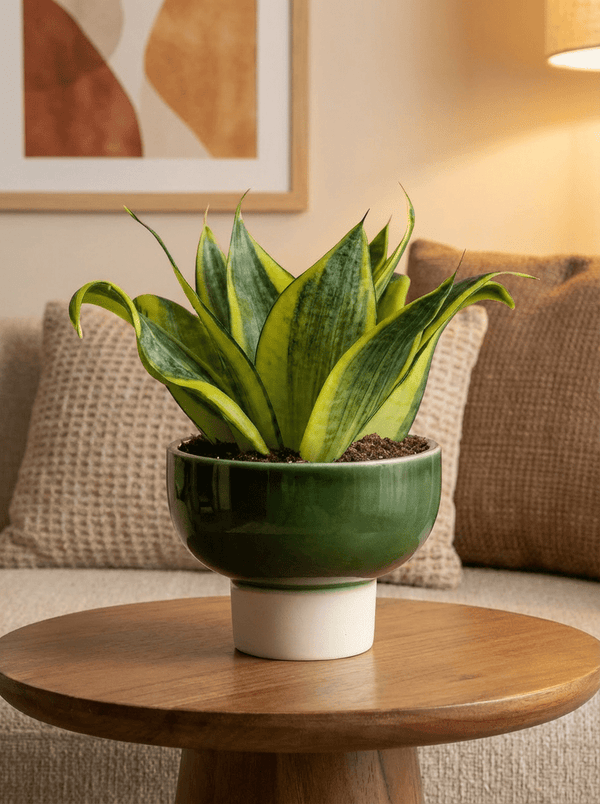
Succulents and Cacti
Method: Compressed air or soft brush
- Use canned compressed air at low pressure, or a soft brush
- Gently blow or sweep dust from rosette centres and between leaves
- Avoid water on succulent rosettes — it collects in crevices and promotes rot in Singapore's humidity
Orchid Leaves
Method: Damp cloth with gentle pressure
- Use a barely damp cloth
- Wipe each leaf carefully, supporting from underneath
- Avoid getting water in the crown (the centre where leaves emerge) — this causes crown rot
Removing Hard Water Spots
Singapore tap water contains minerals that leave white, chalky deposits on leaves — especially noticeable on dark, glossy foliage like Rubber Plants and ZZ Plants.
Removal method:
- Mix equal parts white vinegar and water
- Dampen a soft cloth with the solution
- Gently wipe affected leaves
- Follow with a plain water wipe to remove vinegar residue
Prevention: Use filtered or rainwater when misting or showering plants. The mineral content in Singapore tap water is the primary cause of these deposits.
Natural Leaf Shine Solutions

Commercial leaf shine products coat leaves with a waxy film that looks glossy initially but clogs stomata and attracts more dust. Avoid them.
Better alternatives:
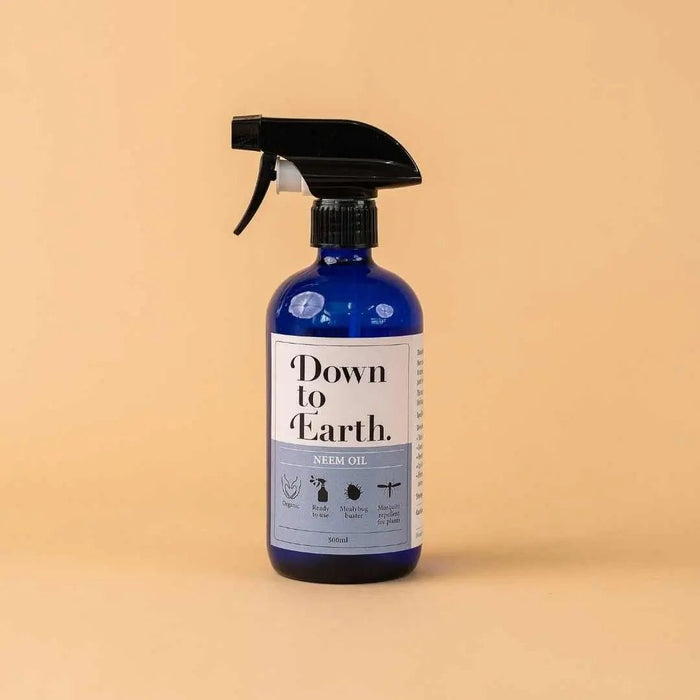
Neem oil solution: A few drops of neem oil in water, applied with a cloth. Provides subtle shine, deters pests, and does not harm leaf function.
Banana peel interior: Rub the inside of a banana peel on large, smooth leaves. The natural oils create a gentle shine and provide trace potassium. Quirky but effective.
Plain water: Honestly, a thorough wipe with clean water produces a perfectly adequate shine on most leaves. The goal is clean, not artificially glossy.
Cleaning Frequency
Monthly: A thorough cleaning of all leaves is sufficient for most plants. In Singapore, where windows are often open and urban dust is constant, monthly cleaning keeps plants healthy.
Weekly spot check: A quick visual inspection catches pest issues early and lets you address individual dirty leaves before they accumulate.
After renovation or construction: Nearby construction generates extraordinary amounts of dust. Clean plants immediately after any renovation work and consider covering them with light cloth during active construction.
Tips for Efficient Cleaning

Batch your cleaning. Set aside 30-60 minutes monthly for all your plants. It becomes a meditative routine rather than an annoying chore.
Clean from top to bottom. Dust falls. Start with the highest leaves and work down so you are not re-dirtying clean leaves.
Inspect while you clean. Leaf cleaning is the perfect time to check for pests, brown tips, yellowing, or other issues. You are already looking at every leaf — use that attention.
Use the right water temperature. Lukewarm water. Cold water can shock tropical leaves, and hot water damages tissue.
Wring out your cloth well. A damp cloth, not dripping wet. Excess water pooling on leaf surfaces, especially in the evening, invites fungal problems in Singapore's humidity.
Clean pots too. While you are at it, wipe down pots and saucers. Mineral deposits and algae on pot surfaces look untidy and can harbour pests.
Common Mistakes
Using harsh chemicals: No window cleaner, no furniture polish, no dish soap directly on leaves. These damage leaf cells and clog pores. Stick to water, with optional neem oil.
Scrubbing too hard: Gentle pressure only. Leaves are thin and delicate. Scrubbing tears tissue and creates entry points for disease.
Cleaning in direct sunlight: Water droplets on leaves in direct sun can act as magnifying glasses, creating burn spots. Clean in shade or indirect light.
Ignoring leaf undersides: The underside is where most pests start. Always clean both surfaces.
Using the same cloth for all plants: If one plant has an undetected pest, you spread it to every other plant. Rinse or change cloths between plants.
Final Thoughts
Clean leaves are healthy leaves. Ten minutes of monthly cleaning improves photosynthesis, prevents pests, and keeps your plants looking their best. In Singapore's dusty urban environment, it is one of the highest-return maintenance tasks you can perform.
Make it part of your routine — the difference between a dusty plant and a freshly wiped one is visible from across the room.
For more care tips, visit our plant care blog. Browse Tumbleweed Plants for healthy plants ready to shine in your Singapore home.
Quick summary
Key Takeaways
- Why Clean Leaves Matter
- Cleaning Methods by Leaf Type
- Removing Hard Water Spots
- Natural Leaf Shine Solutions
- Cleaning Frequency
- Tips for Efficient Cleaning
Ready to bring some green into your home?
Browse 250+ hand-picked plants, curated for Singapore homes — delivered to your door.
Browse All Plants →