





















How to Clean Houseplant Leaves | Tumbleweed Plants Singapore
Posted on April 10 2026
In this article

Dust settles on everything in your home — furniture, shelves, screens, and yes, your plants. But while you wipe down your table and vacuum your floor, your plant leaves quietly accumulate a layer of dust, grease particles, and airborne grime that slowly chokes their ability to function.
Plant leaves are not just decorative. They are the plant's solar panels and lungs. Dust on the leaf surface blocks light absorption, reduces photosynthesis, and clogs the tiny pores (stomata) through which the plant breathes. A dusty plant is literally a plant that cannot see the sun or breathe properly. In Singapore, where many plants are indoors with windows closed and AC running, dust buildup happens faster than you might expect.
Cleaning your plant leaves is one of the simplest, most underrated care tasks. It takes five minutes, costs nothing, and the results — glossy, vibrant foliage that photosynthesises more efficiently — are immediate.
Why Clean Plant Leaves
Improved photosynthesis. A clean leaf absorbs significantly more light than a dusty one. For plants in medium or low light (most Singapore indoor plants), this efficiency boost can mean the difference between steady growth and stagnation.
Pest prevention. Regular leaf cleaning is the best early detection system for pests. When you handle every leaf, you spot mealybugs, spider mites, and scale before they become infestations. Dust also provides a habitat for spider mites, which thrive in dry, dusty conditions.
Better appearance. Clean leaves look dramatically better — glossier, more vibrant, and more alive. The difference between a dusty Monstera and a freshly cleaned one is striking.
Improved humidity exchange. Clean stomata allow better gas exchange and transpiration, which helps maintain humidity around the plant and its neighbours.
How Often to Clean

Monthly is a good baseline for most indoor plants in Singapore. Plants near windows, in kitchens (grease particles), or in high-traffic areas may need cleaning every 2-3 weeks. Plants in low-traffic, enclosed rooms may only need cleaning every 6-8 weeks.
Quick test: Run your finger across a leaf. If you can see a visible trail or feel a gritty texture, it is time to clean.
Methods for Cleaning Plant Leaves
Method 1: Damp Cloth Wipe (Best for Large Leaves)
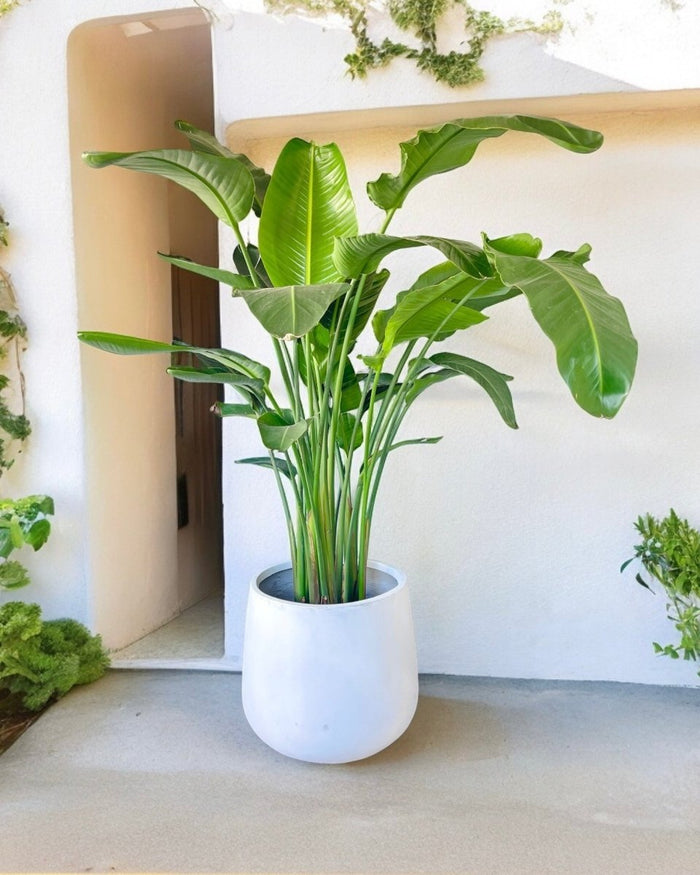
Best for: Monstera, Rubber Plant, Philodendron, Bird of Paradise, Fiddle Leaf Fig, Aglaonema.
How to:
- Dampen a soft cloth (microfibre works best) with room-temperature water
- Support the leaf from underneath with one hand
- Wipe the top surface gently from base to tip
- Flip and wipe the underside — this is where pests hide
- Dry with a second cloth if the plant will be in AC (prevents water spots)
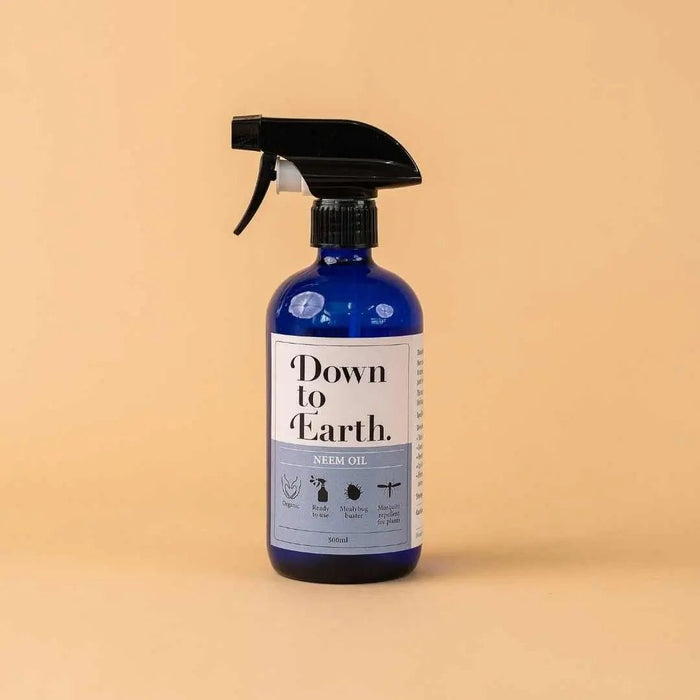
Tip: Add a tiny drop of neem oil to the water for a natural pest deterrent and extra shine.
Method 2: Shower or Hose (Best for Medium Plants)
Best for: Ferns, Pothos, Calathea, Peace Lily, Spider Plant — plants with many small leaves that are tedious to wipe individually.
How to:
- Place the plant in the shower or bathroom
- Use lukewarm water at gentle pressure
- Shower the foliage from above, allowing water to run over all leaves
- Tilt the pot to drain excess water
- Let the plant drip-dry in the bathroom before returning to its spot
Bonus: This also flushes the soil, removing accumulated fertiliser salts.
Method 3: Soft Brush (Best for Fuzzy or Delicate Leaves)
Best for: African Violets, some Begonias, Succulents with powdery coatings (farina) — plants whose leaves should not get wet or rubbed.
How to:
- Use a soft-bristle paintbrush, makeup brush, or dedicated plant brush
- Gently brush dust from each leaf, working from base to tip
- Brush the crevices where leaves meet stems
Important: Never wipe fuzzy-leaved plants with a wet cloth — moisture trapped in the hairs can cause rot or fungal issues.
Method 4: Compressed Air (Best for Tight Spaces)
Best for: Cacti, succulents with tight rosettes, small plants in terrariums.
How to:
- Use a can of compressed air (available from electronics or office supply stores)
- Hold the can 15-20cm from the plant
- Use short bursts to blow dust from crevices and tight spaces
Method 5: Spray Bottle Mist (Quick Maintenance)
Best for: Quick weekly maintenance between deep cleans.
How to:
- Fill a spray bottle with room-temperature water
- Mist all leaf surfaces
- Wipe larger leaves with a cloth after misting
This is not a deep clean but prevents heavy dust buildup between proper cleaning sessions.
What NOT to Use

Leaf shine products. Commercial leaf shine sprays coat the leaf surface with wax or silicone, creating an artificial gloss. This clogs stomata, reduces gas exchange, and can cause long-term leaf damage. Your plant's natural shine — restored by simple cleaning — is healthier and more beautiful than any spray.
Milk. An old wives' tale suggests wiping leaves with milk for shine. Milk leaves a residue that attracts pests and promotes bacterial growth. Avoid.
Cooking oil or coconut oil. These coat the leaf, block stomata, and attract dust faster than clean leaves. The plant looks great for two days and worse than before within a week.
Harsh chemicals. Household cleaners, alcohol, and detergents damage leaf tissue. Stick to plain water, with optional neem oil.
Cleaning Specific Plant Types
Glossy-Leaved Plants (Monstera, Rubber Plant, ZZ Plant)
These naturally glossy plants look their best when cleaned regularly. A damp cloth wipe every 2-4 weeks restores their trademark shine. The waxy coating on these leaves makes them easy to clean — dust does not adhere as strongly.
Trailing Plants (Pothos, Heartleaf Philodendron, String of Hearts)
Run the trailing vines gently through a damp cloth, supporting each section as you go. For dense trailing plants, a shower is more practical than wiping individual leaves.
Ferns
Ferns have many small, delicate fronds that are impractical to wipe. A gentle shower is the best cleaning method. Avoid rubbing fern fronds — they are fragile and bruise easily.
Succulents
Many succulents have a natural powdery coating (farina) that protects them from sun damage. Never wipe this off — use a soft brush or compressed air instead. For smooth-leaved succulents like Haworthia, a gentle wipe with a barely damp cloth works.
Calathea and Prayer Plants
These prefer gentle handling. A damp cloth wipe works, but be gentle — Calathea leaves can be delicate. Always wipe in the direction of the leaf veins.
Singapore-Specific Tips

AC dust builds up fast. Air-conditioned rooms recirculate air and accelerate dust deposition on leaves. Plants in AC rooms may need cleaning every 2-3 weeks.
Kitchen plants need extra attention. Cooking produces airborne grease particles that create a sticky film on nearby plant leaves. Kitchen plants should be cleaned more frequently and may benefit from a shower rather than a wipe.
Humidity helps. In Singapore's naturally humid environment (outdoors and in non-AC rooms), dust adheres less strongly. Plants in humid rooms stay cleaner longer.
Shop Plants
Browse our indoor plant collection for healthy plants delivered across Singapore. A clean plant is a happy plant — and now you know how to keep every leaf looking its best.
Cleaning your plant leaves is the care step that nobody talks about but every plant appreciates. It takes five minutes, requires nothing more than a damp cloth, and the difference is visible immediately. Your plants will grow better, look better, and stay healthier. And there is something deeply satisfying about seeing a dusty, dull leaf transform to glossy and vibrant with a single wipe.
Quick summary
Key Takeaways
- Why Clean Plant Leaves
- How Often to Clean
- Methods for Cleaning Plant Leaves
- What NOT to Use
- Cleaning Specific Plant Types
- Singapore-Specific Tips
Ready to bring some green into your home?
Browse 250+ hand-picked plants, curated for Singapore homes — delivered to your door.
Browse All Plants →