
















Understanding Root Bound Plants in Singapore | Tumbleweed Plants Singapore
Posted on April 10 2026
In this article

Every potted plant will eventually outgrow its pot. The roots fill all available space, circle the inside of the container, and compress into a dense mass. This is what "root bound" means — the roots have nowhere left to go.
Being root bound is not automatically a crisis. Some plants tolerate it. A few even prefer it. But most plants eventually suffer — growth slows, watering becomes difficult, and the plant's health declines. Knowing when to intervene and when to leave well enough alone is one of the most practical plant care skills you can develop.
How Plants Become Root Bound
In nature, roots spread horizontally and vertically through soil, finding water and nutrients over an expanding area. In a pot, they hit walls. The roots grow along the inside of the pot, circling around and around, eventually forming a tight mat.
In Singapore's warm climate, root growth is year-round — there is no winter dormancy to slow things down. Plants become root bound faster here than in temperate climates. A plant that might take 2 years to outgrow its pot in London can do it in 12-18 months in Singapore.
Signs Your Plant Is Root Bound

Visual Signs
- Roots emerging from drainage holes — The clearest indicator. If roots are pushing out the bottom, the root system has filled the pot.
- Roots visible on the soil surface — Circling roots rising above the soil line indicate a packed root system below.
- The plant lifts out of the pot — When you try to remove it, the entire root ball slides out as a solid mass, shaped exactly like the pot.
- Cracked or deformed pot — In extreme cases, expanding roots crack plastic pots or deform thin containers.
Performance Signs
- Water runs straight through — When the root mass fills the pot, there is little soil left to absorb water. Water pours in and runs out immediately without being retained.
- The plant wilts quickly after watering — Related to the above. With minimal soil, the small amount of retained water is used up fast.
- Stunted growth — New leaves are smaller than older ones. Growth slows or stops despite adequate light and fertilising.
- Yellowing leaves — The compressed roots cannot absorb nutrients efficiently, causing deficiency symptoms.
- Top-heavy tipping — The above-ground plant grows larger than the pot can support because the root system cannot expand to anchor it.
The Slide Test
The definitive check: gently tip the pot and slide the plant out. If you see a dense wall of circling roots with minimal visible soil, the plant is root bound. If you see a mix of roots and soil with space still available, it is fine.
When Being Root Bound Is Acceptable
Some plants perform better when slightly root bound:
Peace Lily — Blooms more prolifically when roots are snug. Only repot when performance clearly declines.
Snake Plant — Tolerates being root bound for extended periods. Its slow root growth means repotting every 2-3 years is usually sufficient.
Orchids — Prefer tight pots. Repot only when the medium has decomposed, not because of root growth.
Succulents and cacti — Prefer small pots with limited root space. Oversize pots hold too much moisture.
Hoya — Often blooms only when root bound. Repotting can delay flowering.
The general rule: If the plant is growing well, looks healthy, and you can water it effectively — root bound or not — leave it alone. Repot when performance declines, not on a schedule.
When to Repot

Repot when the root-bound condition is causing problems:
- Water management becomes difficult (runs through instantly, plant wilts daily)
- Growth has clearly stalled despite good light and fertilising
- The plant is top-heavy and unstable
- Roots are so compressed that the plant cannot absorb nutrients
Best Time in Singapore
Since Singapore has no real seasonal dormancy, you can repot year-round. However, avoid repotting during periods of stress — immediately after purchase, during pest treatment, or when the plant is already struggling with another issue. Address one problem at a time.
How to Repot a Root-Bound Plant
What You Need
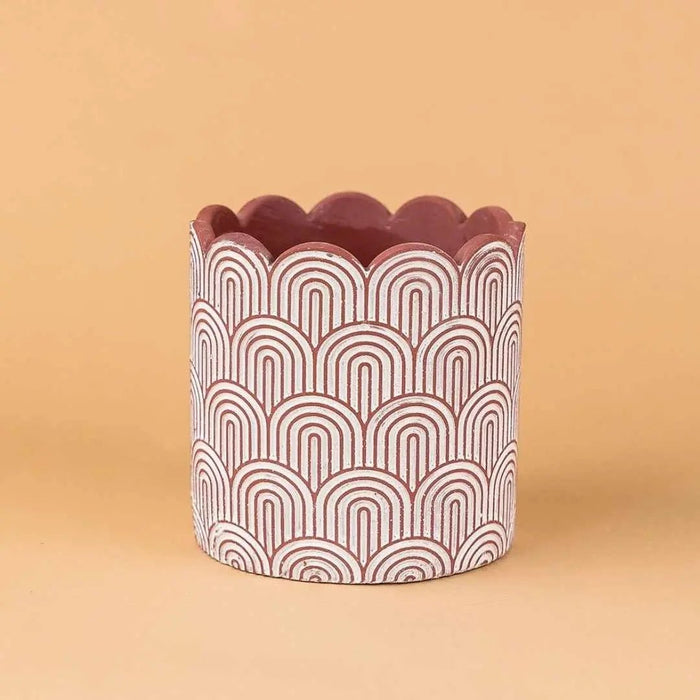
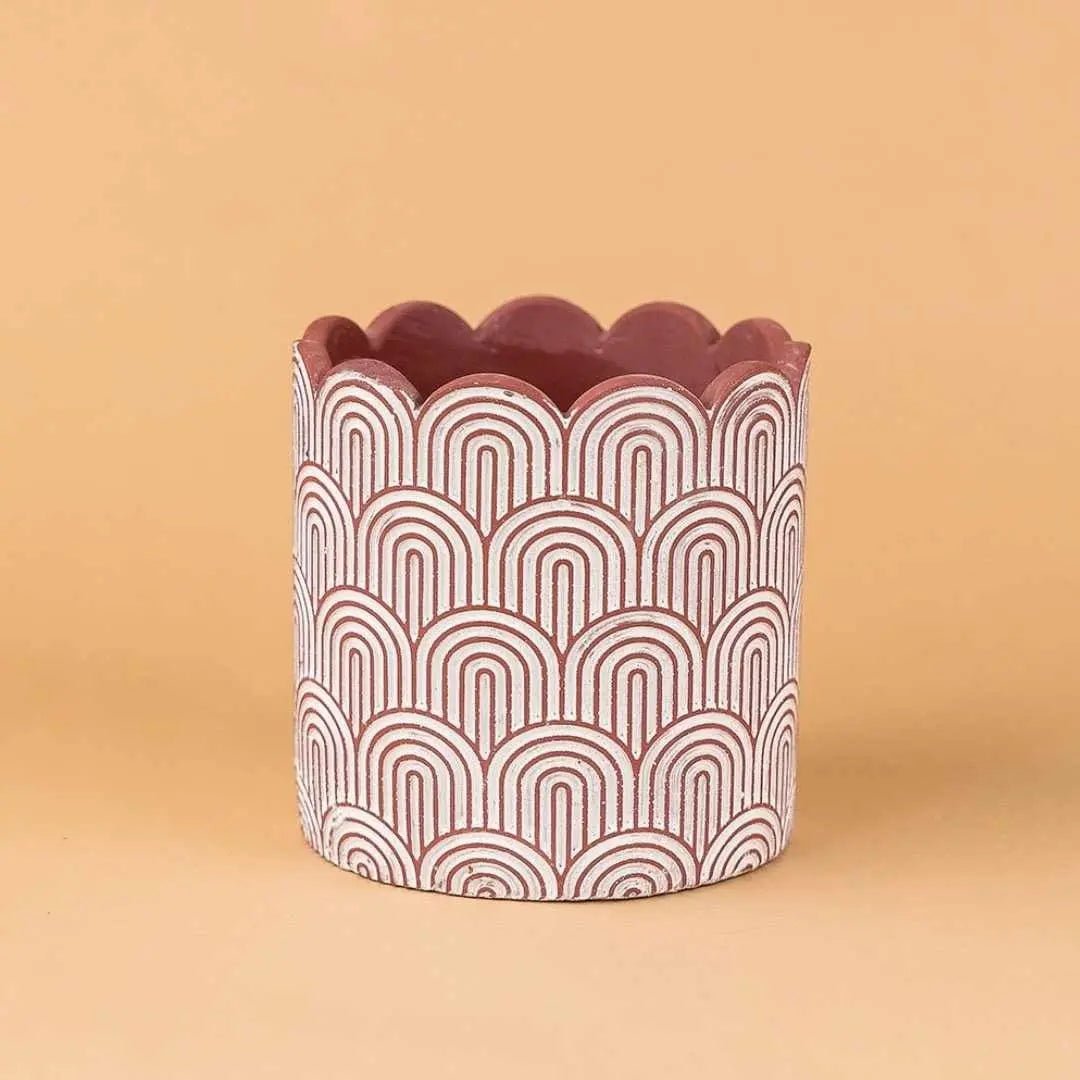
- New pot (2-3cm larger in diameter than the current pot)
- Fresh potting mix (appropriate for the plant species)
- Perlite (to improve drainage)
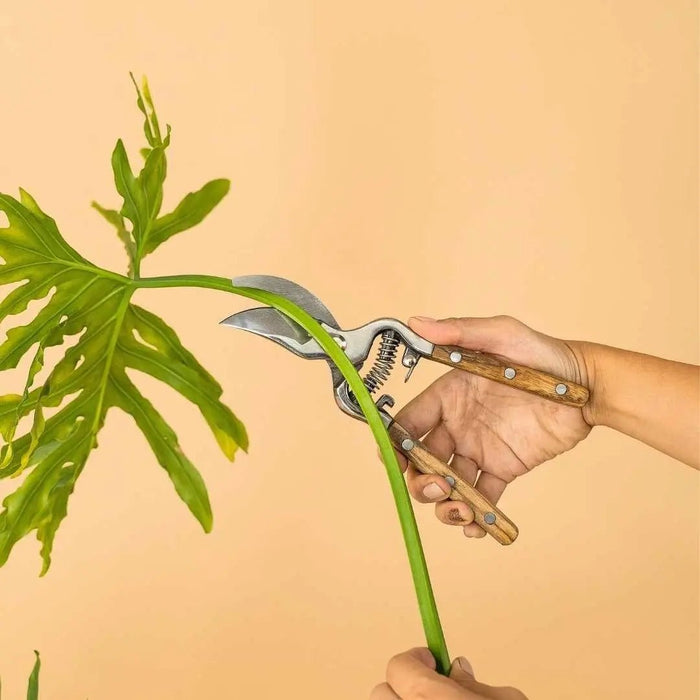
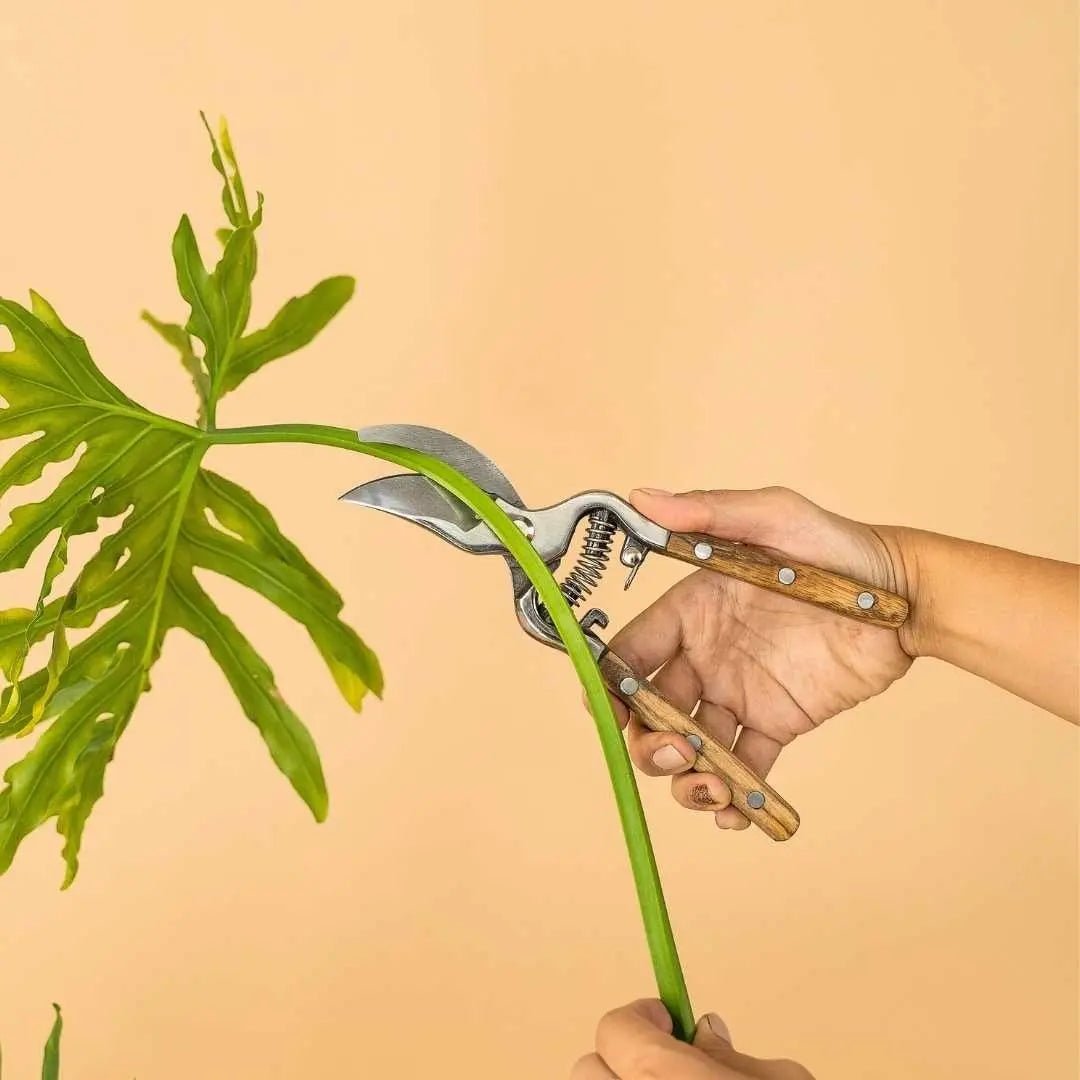
- Clean scissors or pruning shears
- Newspaper or a tray to contain mess
- Watering can
Step-by-Step
1. Water the plant 1-2 days before repotting. Slightly moist soil makes the root ball easier to work with. Bone-dry roots are brittle; soaking wet soil is heavy and messy.
2. Remove the plant from its current pot. Squeeze the sides of plastic pots to loosen. For ceramic or terracotta, run a knife around the edge. Turn the pot upside down, supporting the plant base, and slide it out.
3. Examine the roots. Assess how severely root bound the plant is. Light circling at the bottom? Minor intervention. A solid wall of circling roots? More aggressive work needed.
4. Loosen the root ball. Gently tease apart the outer roots with your fingers. For severely root-bound plants, use scissors to make 3-4 shallow vertical cuts on the sides of the root ball. This encourages new roots to grow outward instead of continuing to circle.
5. Trim if necessary. Cut away any dead, mushy, or excessively long roots. Remove the bottom layer of tightly circling roots — these will never untangle.
6. Prepare the new pot. Add fresh potting mix to the bottom — enough so the plant will sit at the same depth as before. Mix perlite into the soil (25-30% of the total) for drainage.
7. Position the plant. Centre the plant in the new pot. The top of the root ball should sit 1-2cm below the rim (to allow space for watering).
8. Fill around the roots. Add fresh soil mix around all sides. Tap the pot gently on the table to settle soil into gaps. Press soil gently — firm enough to support the plant, loose enough to allow drainage.
9. Water thoroughly. Water until it drains from the bottom. This settles the soil and eliminates air pockets.
10. Aftercare. Place in bright indirect light (not direct sun). Do not fertilise for 4-6 weeks — new soil contains nutrients and fresh roots are sensitive to fertiliser salts.
Pot Size Selection

Do not oversize. Jumping from a 10cm pot to a 20cm pot is a common mistake. Excess soil stays wet, creating conditions for root rot. Always go up only 2-3cm in diameter.
Drainage holes are mandatory. No exceptions, regardless of pot material.
Material considerations in Singapore:
- Terracotta — Breathable, dries faster. Good for plants prone to overwatering (succulents, Snake Plant, ZZ Plant).
- Plastic — Retains moisture longer. Fine for moisture-loving plants (Calathea, ferns).
- Ceramic (glazed) — Retains moisture similar to plastic. Heavier, more stable for tall plants.
Common Mistakes
Repotting Too Often
Some plant owners repot annually as routine maintenance. This is unnecessary and can harm plants that tolerate being root bound. Only repot when there is a clear reason.
Oversizing the Pot
A much-larger pot means more soil that stays wet longer. The roots sit in moisture they cannot use, leading to root rot — the very problem you were trying to avoid.
Disturbing Roots Too Aggressively
For mildly root-bound plants, gentle loosening is sufficient. You do not need to wash all soil off the roots or untangle every circling root. Minimal disturbance means faster recovery.
Repotting a Stressed Plant
A plant fighting pests, recovering from overwatering, or adjusting to a new location does not need the additional stress of repotting. Stabilise the plant first, then repot when it has recovered.
Shop Plants
Browse our indoor plant collection for healthy plants in appropriately sized pots, delivered across Singapore. Every plant ships in fresh, well-draining soil with room to grow.
Root bound is not an emergency — it is a natural stage in every potted plant's life. The roots have done exactly what roots do: they have filled the space available to them. Your job is to recognise when that fullness has become a limitation, and to give the plant the next size of home when it needs it. Not too early, not too late, and not too large. A pot 2-3cm bigger, fresh soil, loosened roots, and the patience to let the plant recover. That is all it takes.
Quick summary
Key Takeaways
- How Plants Become Root Bound
- Signs Your Plant Is Root Bound
- When Being Root Bound Is Acceptable
- When to Repot
- How to Repot a Root-Bound Plant
- Pot Size Selection
Ready to bring some green into your home?
Browse 250+ hand-picked plants, curated for Singapore homes — delivered to your door.
Browse All Plants →