





















How to Prevent & Treat Root Rot in Singapore's Humidity
Posted on April 09 2026
In this article

Root rot is the silent killer of houseplants in Singapore. Our year-round humidity and warmth create the perfect conditions for the fungi and bacteria that cause root rot — and by the time you notice symptoms above the soil line, the damage below is often severe.
Understanding root rot is the single most important thing you can learn as a Singapore plant parent. Prevention is straightforward, early detection is possible, and even advanced cases can sometimes be saved.
What Is Root Rot?
Root rot is a condition where plant roots decay due to waterlogged conditions. The roots suffocate from lack of oxygen, die, and then become colonised by opportunistic fungi (primarily Pythium, Phytophthora, and Fusarium species) and bacteria.
Healthy roots are firm and white or light tan. Rotting roots are mushy, dark brown or black, and often smell foul — like decaying organic matter.
Why Singapore's Climate Makes Root Rot More Likely

Several factors conspire to increase root rot risk in Singapore:
High ambient humidity (70-90%): Soil surfaces dry slower because the surrounding air is already moisture-saturated. In drier climates, the top layer of soil dries quickly, pulling moisture upward and aerating the root zone. In Singapore, this natural drying cycle is much slower.
Consistent warmth (25-32°C): Warm temperatures accelerate fungal and bacterial growth. The pathogens that cause root rot thrive in exactly our temperature range.
Year-round growing conditions: Unlike temperate climates where plants reduce water uptake during cool winters (giving roots periodic drying), Singapore plants grow continuously. However, many plant parents water at a constant rate regardless of subtle seasonal humidity changes.
Air conditioning paradox: While AC reduces room humidity (which could help soil drying), it also reduces plant transpiration. The plant takes up less water, so the soil stays wet longer — but the plant parent may not adjust watering frequency because the room feels drier.
How to Prevent Root Rot
Prevention is far easier than treatment. These practices dramatically reduce root rot risk:
1. Use Well-Draining Soil
This is the single most effective prevention measure. Dense, fine-textured soil holds too much water for too long.
For most tropicals, add drainage amendments:
- 30-40% perlite or pumice
- 20% orchid bark or coconut husk chunks
- A handful of horticultural charcoal
The goal is soil that retains moisture for 4-7 days in Singapore, not 10-14 days. If your soil is still wet a week after watering, it is too dense.
2. Pots With Drainage Holes
Non-negotiable. Every pot must have at least one drainage hole. Decorative pots without holes should be used as cachepots (outer covers) with the plant in a draining inner pot.
Nursery pot trick: Keep plants in their plastic nursery pots (which have excellent drainage) and place these inside decorative outer pots. Remove the nursery pot for watering, let it drain, then return it to the decorative pot.
3. Check Before Watering
Never water on a fixed schedule. Always check soil moisture first:
- Finger test: Top 2-3cm dry = water
- Chopstick test: Dry stick = water
- Weight test: Light pot = water
- Moisture meter: Below 3-4 = water
4. Empty Saucers
Water that collects in saucers keeps the bottom of the pot saturated. Empty saucers 30 minutes after watering. Every time.
5. Ensure Air Circulation
Stagnant air around pots slows evaporation. Ensure some air movement:
- Do not cluster pots too tightly
- Use fans on low speed in poorly ventilated rooms
- Avoid tucking plants into completely enclosed shelving
6. Appropriate Pot Size
Oversized pots hold excess soil that stays wet without roots to absorb the moisture. Always pot in a container just slightly larger than the root ball (2-5cm wider).
7. Pot Material Matters
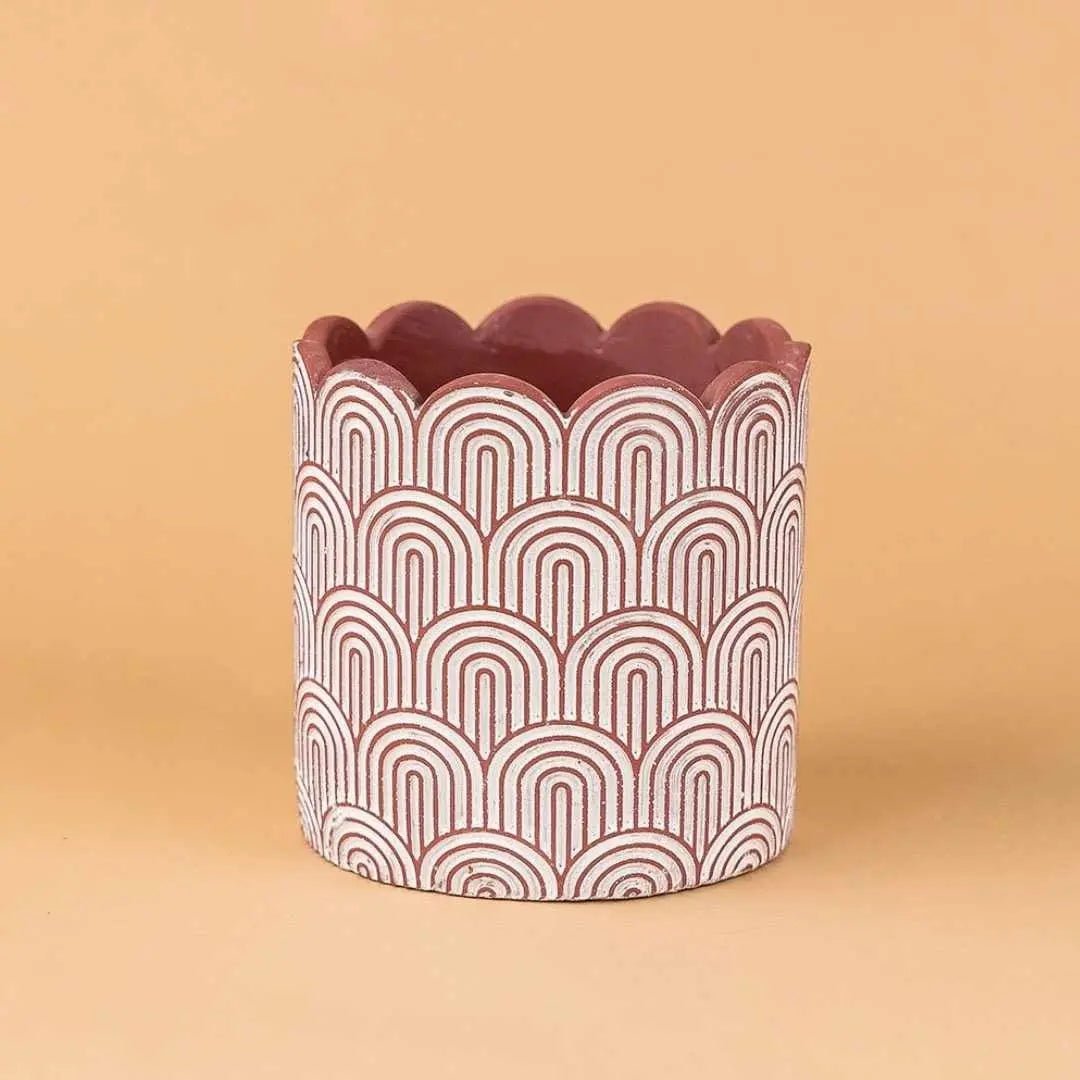
Terracotta pots are porous and wick moisture away from soil — ideal for rot-prone plants in Singapore. Plastic and glazed ceramic retain moisture longer.
Use terracotta for: Succulents, cacti, Snake Plants, ZZ Plants, and any plant prone to overwatering.
Use plastic for: Moisture-loving plants like ferns and Calathea that prefer consistently moist soil.
How to Identify Root Rot Early

Catching root rot early dramatically improves recovery chances.
Above-Ground Symptoms
Stage 1 (early):
- Leaves look dull or slightly less vibrant than usual
- Growth slows noticeably
- Lower leaves yellow without obvious cause
- Plant seems to need less water than before
Stage 2 (moderate):
- Multiple leaves yellowing simultaneously
- Stems feel soft or mushy at the base
- Soil surface develops mould or fungus gnat infestations
- Foul smell from the soil area
- Plant droops despite moist soil
Stage 3 (advanced):
- Widespread leaf drop
- Stem collapse at soil level
- Strong rotting odour
- Plant pulls out of soil easily (roots have dissolved)
Below-Ground Confirmation
If you suspect root rot, unpot the plant and inspect:
- Healthy roots: White, cream, or light tan. Firm when squeezed. Spring back after gentle bending.
- Rotting roots: Dark brown or black. Mushy when squeezed. Outer root layer slides off when pulled. Foul smell.
- Partial rot: Some roots healthy, some rotting. This is the most common scenario and the most treatable.
How to Treat Root Rot
Step 1: Remove From Pot
Gently slide the plant from its pot. If roots are matted, soak in water briefly to loosen soil.
Step 2: Clean the Roots
Rinse roots under running water to remove all old soil. You need to see every root clearly to assess damage.
Step 3: Trim Dead Roots
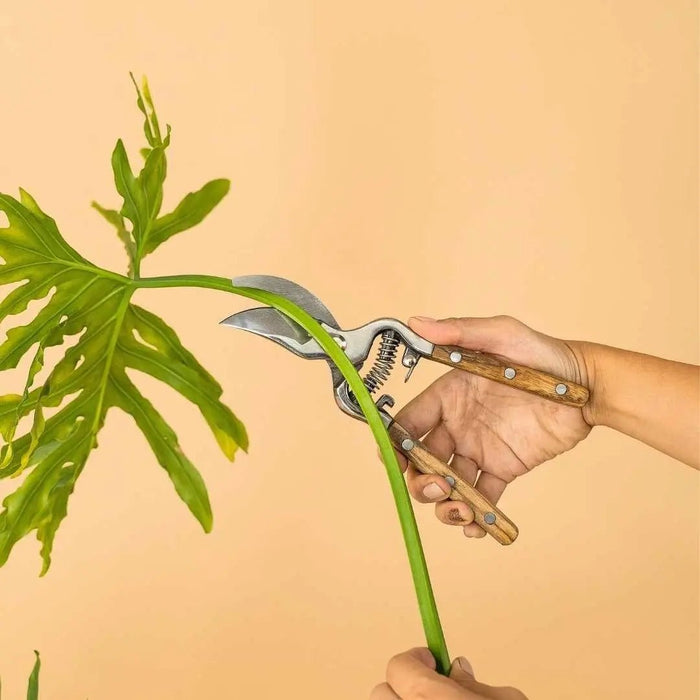
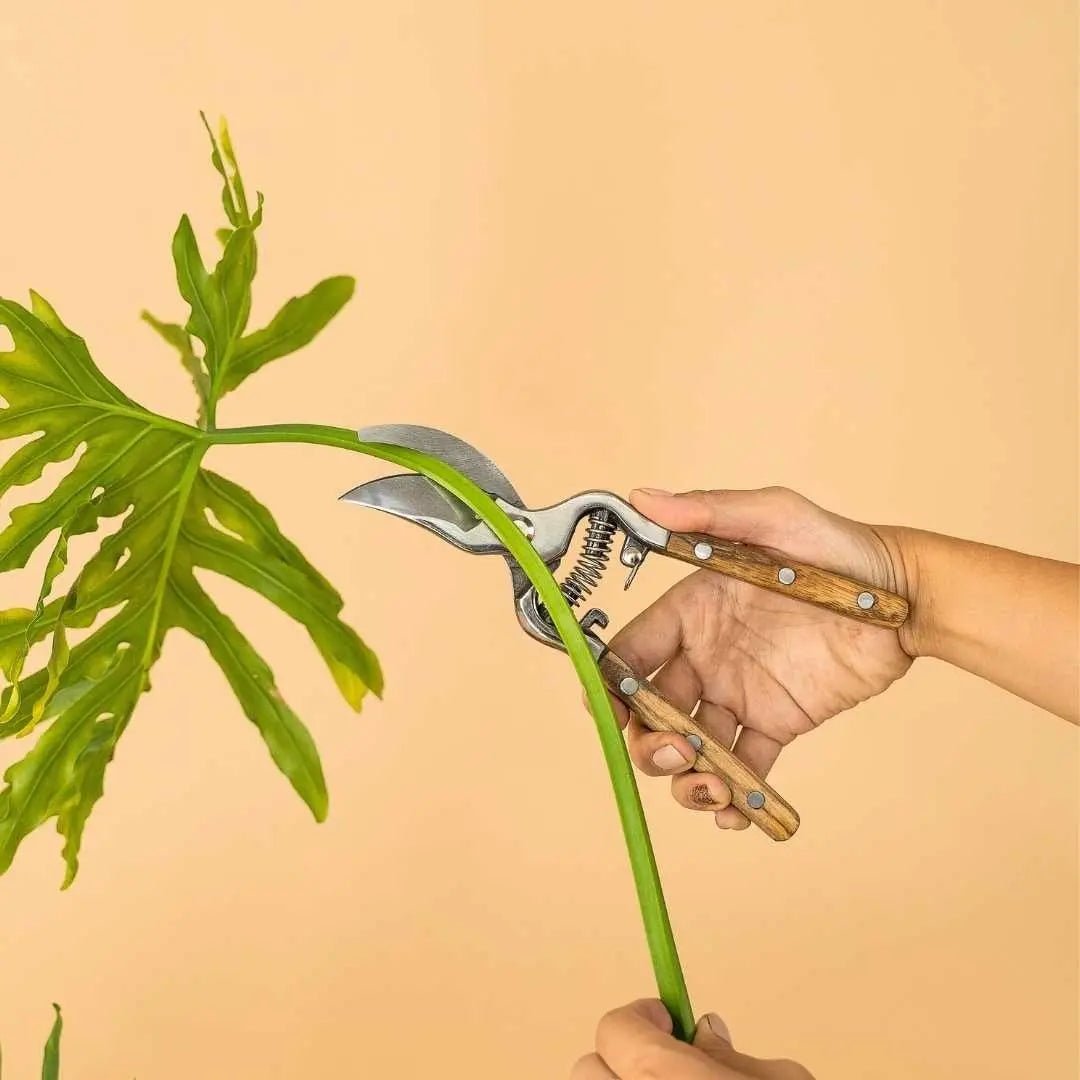
Using clean, sharp scissors (sterilise with rubbing alcohol), cut away all brown, mushy, or foul-smelling roots. Cut back to firm, healthy tissue. Be thorough — leaving any rotting material risks reinfection.
Step 4: Treat Remaining Roots
Optional but recommended for severe cases:
- Dip remaining roots in a diluted hydrogen peroxide solution (1 part 3% hydrogen peroxide to 2 parts water) for 5 minutes. This kills remaining fungal spores.
- Alternatively, dust cut surfaces with cinnamon powder (a natural antifungal).
Step 5: Dry the Root Ball
Let the trimmed root ball air-dry in shade for 2-4 hours (up to overnight for severe cases). This allows cut surfaces to callous over, reducing reinfection risk.
Step 6: Repot in Fresh Mix
Use a completely fresh, well-draining soil mix. Do not reuse the old soil. Choose a pot appropriate for the reduced root system — possibly smaller than the previous pot.
Step 7: Adjusted Aftercare
- Water sparingly for the first 2-3 weeks (just enough to prevent complete drying)
- Place in bright indirect light (not direct sun — the plant is stressed)
- No fertiliser for 4-6 weeks
- Monitor closely for new growth — a sign of recovery
- Resume normal watering only after you see active new root or leaf growth
Plants Most Susceptible to Root Rot in Singapore

High risk:
- Alocasia
- Calathea and Maranta
- Fiddle Leaf Fig
- Begonia
- String of Pearls
- African Violet
Moderate risk:
- Monstera
- Philodendron
- Peace Lily
- Anthurium
Low risk:
- Snake Plant
- ZZ Plant
- Pothos
- Dracaena
- Succulents (high risk if overwatered, but naturally resistant)
When Root Rot Is Beyond Saving
Sometimes the damage is too extensive. The plant cannot be saved if:
- More than 80% of roots are rotted
- The stem is mushy at the base
- No firm root tissue remains after trimming
- The crown (where stem meets roots) is soft and decayed
In these cases, check for viable stem cuttings above the rot line — you may be able to propagate a new plant even if the original root system is lost.
Final Thoughts
Root rot is preventable. Well-draining soil, pots with drainage, and checking soil moisture before watering eliminates the vast majority of cases. Singapore's humidity makes us more vulnerable, but awareness and the right potting practices keep the risk manageable.
Make it a habit to check on your plants' roots during regular repotting. Healthy roots mean a healthy plant — everything above the soil line starts below it.
For more Singapore-specific care guides, visit our plant care blog. Shop Tumbleweed Plants for healthy, well-rooted plants and quality growing supplies.
Quick summary
Key Takeaways
- What Is Root Rot?
- Why Singapore's Climate Makes Root Rot More Likely
- How to Prevent Root Rot
- How to Identify Root Rot Early
- How to Treat Root Rot
- Plants Most Susceptible to Root Rot in Singapore
Ready to bring some green into your home?
Browse 250+ hand-picked plants, curated for Singapore homes — delivered to your door.
Browse All Plants →