



















Understanding Root Rot: Causes, Prevention, and Treatment | Tumbleweed Plants Singapore
Posted on April 09 2026
In this article

Root rot is the number one killer of houseplants. It is responsible for more plant deaths than underwatering, pests, and low light combined. And it is particularly common in Singapore, where high humidity slows soil drying and creates the perfect conditions for the fungi and bacteria that cause it.
The cruel irony of root rot is that it often results from caring too much. The most common cause is overwatering — giving your plants more water than they need because you want them to thrive. Understanding root rot — what causes it, how to spot it early, and how to treat it — is arguably the single most important plant care skill you can develop.
What Is Root Rot?
Root rot is the decay of plant roots caused by prolonged exposure to waterlogged, oxygen-depleted soil. Healthy roots need both water and air. When soil stays saturated, the air pockets between soil particles fill with water, suffocating the roots. In this anaerobic environment, opportunistic fungi (primarily Pythium, Phytophthora, and Fusarium species) attack the weakened roots, accelerating their breakdown.
The result: roots that should be firm and white (or light tan) become soft, brown, and mushy. They can no longer absorb water or nutrients, so the plant slowly dies of dehydration and starvation — even though the soil is wet. This is why overwatered plants often look identical to underwatered ones: both have roots that are not functioning.
Causes of Root Rot

Overwatering
The primary cause. Watering before the soil has dried sufficiently means roots never get the air they need. In Singapore, where ambient humidity is 70-80%, soil dries much more slowly than in drier climates — so watering schedules from temperate-climate care guides often lead to overwatering here.
Poor Drainage
Even correct watering frequency cannot compensate for a pot without drainage holes. Water pools at the bottom, the lowest roots sit in standing water, and rot begins from the bottom up. Decorative pots without holes, cache pots with water sitting in the base, and "self-watering" pots that keep soil too moist all contribute.
Dense, Water-Retentive Soil
Soil that holds too much moisture and too little air promotes root rot. Pure peat-based mixes, heavily compacted soil, and mixes without drainage amendments (perlite, bark, pumice) stay wet for too long.
Pot Size Too Large
When a plant is in a pot much larger than its root ball, the excess soil retains water that the roots cannot access or absorb. This wet, unused soil becomes a breeding ground for rot-causing fungi.
Cool Temperatures
In air-conditioned Singapore rooms, soil stays cool and dries even more slowly. Plants in heavily AC rooms may need less frequent watering than plants in naturally ventilated spaces.
Damaged Roots
Physical damage during repotting, root breakage, or insect damage creates entry points for rot-causing pathogens. Handle roots gently and avoid over-disturbing the root ball when repotting.
How to Identify Root Rot
Above-Ground Symptoms
Root rot often shows symptoms in the leaves and stems before you check the roots:
- Yellowing lower leaves — the most common early sign. Lower leaves turn yellow and drop, progressing upward as more roots die.
- Wilting despite wet soil — the plant looks dehydrated but the soil is moist. This is the hallmark symptom of root rot.
- Soft, mushy stem base — advanced rot that has spread from the roots into the stem.
- Slow or stalled growth — the plant stops producing new leaves even during growing season.
- Foul smell from the soil — a sour, rotting smell indicates anaerobic decomposition.
- Fungus gnats — these small flies lay eggs in consistently moist soil. Heavy infestations often accompany overwatering conditions.
Below-Ground Symptoms
Confirm root rot by gently removing the plant from its pot:
- Healthy roots: Firm, white or light tan, flexible. They hold their shape when touched.
- Rotted roots: Soft, brown or black, mushy. They fall apart or slide off when touched. May smell sour or rotten.
- Partially rotted: Some roots still white and firm, others brown and soft. This plant is rescuable.
- Fully rotted: All roots are brown, mushy, and falling apart. The stem base may be soft. Rescue is difficult but not impossible for some species.
How to Treat Root Rot

Step 1: Remove From Pot
Gently remove the plant from its pot. Shake off as much old soil as possible — you want to see the root system clearly.
Step 2: Assess the Damage
Examine every root. Determine what percentage of the root system is still healthy:
- Mostly healthy (70%+ white roots): Good prognosis. Minor trim needed.
- Mixed (30-70% healthy): Moderate prognosis. Aggressive trim required.
- Mostly rotted (under 30% healthy): Poor prognosis. Worth attempting if the stem is still firm.
- Completely rotted with soft stem: Very low chance of survival. Try propagating healthy stem sections instead.
Step 3: Trim Rotted Roots
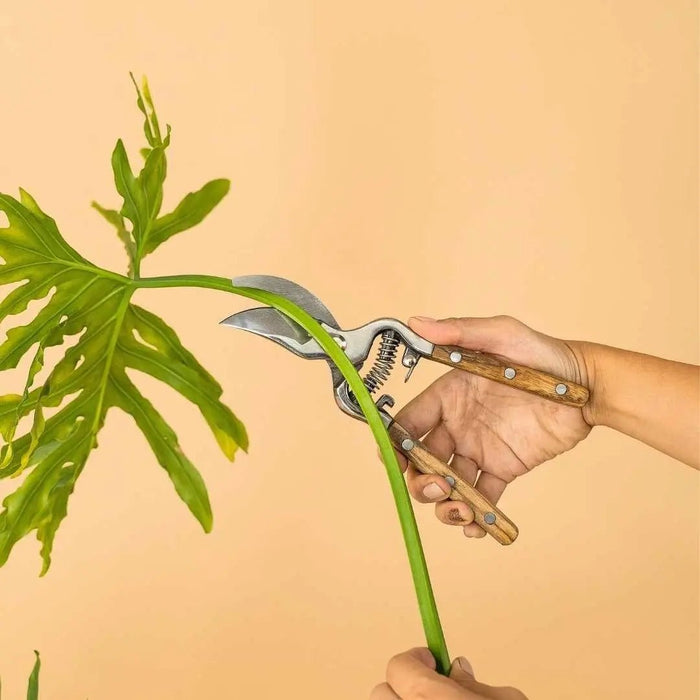
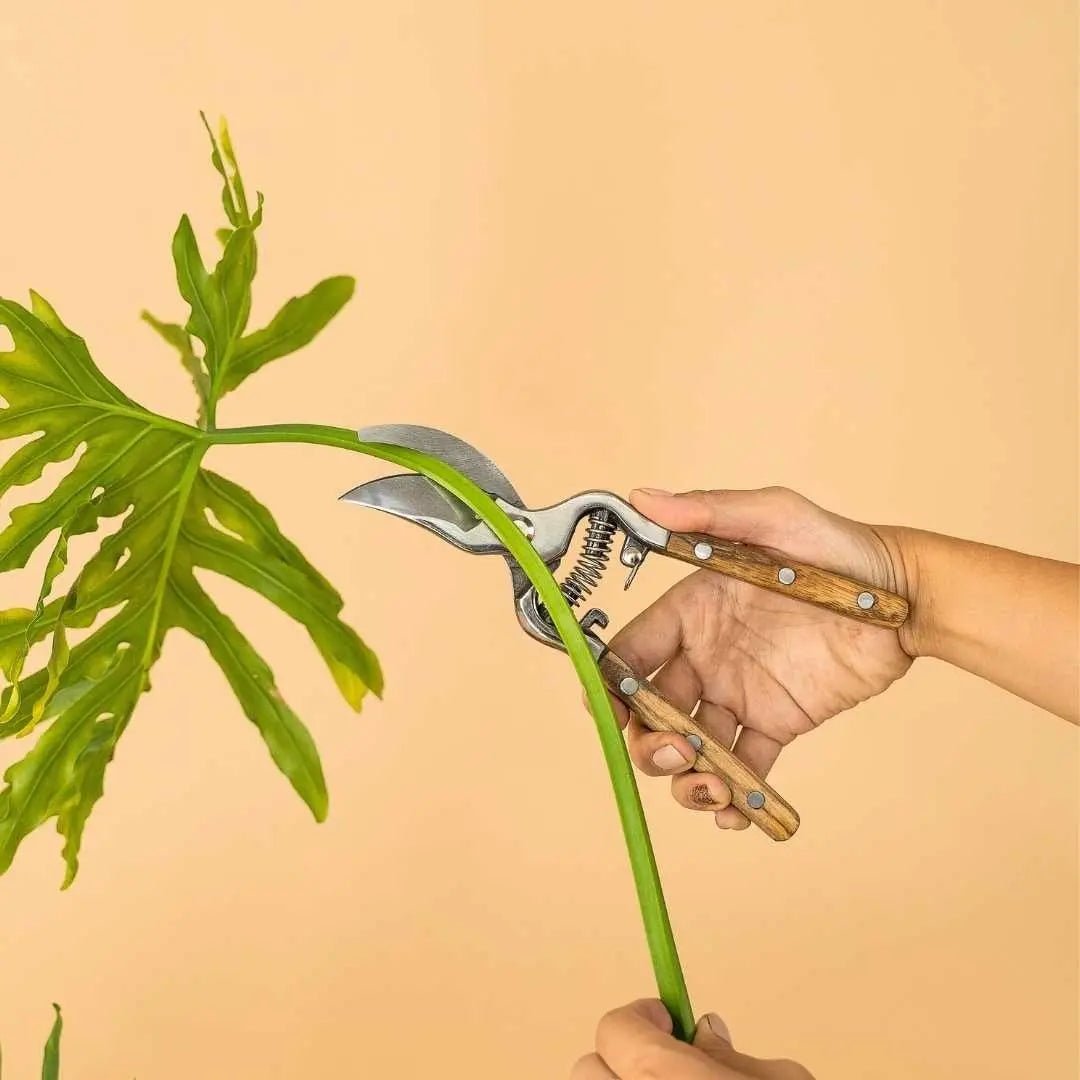
Using clean, sharp scissors or pruning shears:
- Cut away all brown, mushy roots
- Cut back to where the root is firm and white
- Do not leave any partially rotted material — it will reinfect healthy roots
- Sterilise your cutting tool between cuts with rubbing alcohol
Step 4: Treat Remaining Roots (Optional but Recommended)
- Soak remaining healthy roots in a dilute hydrogen peroxide solution (one part 3% hydrogen peroxide to two parts water) for 10-15 minutes. This kills lingering pathogens.
- Alternatively, dust cut ends with cinnamon powder — a natural antifungal.
Step 5: Repot in Fresh Soil
- Use a clean pot (or thoroughly clean the old one with soap and dilute bleach)
- Use fresh, well-draining soil mix — never reuse the old soil
- Choose a pot size appropriate to the remaining root ball (not too large)
- Ensure the pot has drainage holes
Step 6: Aftercare
- Water lightly — just enough to settle the soil around roots
- Place in bright indirect light (not direct sun — the plant is stressed)
- Do not fertilise for at least 4-6 weeks — damaged roots cannot process nutrients
- Water sparingly until you see new growth, which indicates the roots are recovering
- Expect some leaf drop as the plant redirects energy to root regrowth
Prevention: The Best Treatment
Water Correctly
- Always check soil moisture before watering — insert your finger 3-5cm into the soil
- Use the "soak and dry" method: water thoroughly, then let the soil dry to the appropriate level before watering again
- In Singapore, most indoor plants need water every 7-14 days, not more frequently
Ensure Drainage
- Always use pots with drainage holes
- If using decorative cache pots, remove the inner pot to water and drain, then return
- Empty saucers 30 minutes after watering
Use Well-Draining Soil
- Amend standard potting mix with perlite (20-30%) and orchid bark (10-20%)
- For succulents and cacti, use even coarser mixes (50%+ inorganic material)
- Replace soil every 1-2 years as it compacts and loses drainage capacity
Right-Size Your Pots
- When repotting, go up only one pot size (2-3cm larger in diameter)
- A pot that is too large holds excess moisture the roots cannot use
Improve Air Circulation
- Good airflow helps soil dry more evenly
- In Singapore, a small fan on low setting near plants can make a significant difference
- Avoid placing plants in stagnant, enclosed corners
Species Susceptibility

Some plants are more prone to root rot than others:
Very susceptible (water carefully):
- Succulents and cacti
- String of Pearls
- Snake Plant (ironically — it stores water in leaves and needs very little soil moisture)
Moderately susceptible:
- Monstera
- Philodendron
- Pothos
- Fiddle Leaf Fig
More tolerant (but not immune):
- Peace Lily
- Aglaonema
- Lucky Bamboo (can grow in water alone)
Shop Healthy Plants
Browse our indoor plant collection for healthy, well-rooted plants ready for your home. Every plant ships in an appropriate soil mix with proper drainage.
Root rot is preventable. If you learn one thing from this guide, let it be this: when in doubt, do not water. A slightly thirsty plant recovers in hours. A plant with root rot may not recover at all. Water less, drain more, and give your roots room to breathe — that is the foundation of every thriving indoor garden.
Quick summary
Key Takeaways
- What Is Root Rot?
- Causes of Root Rot
- How to Identify Root Rot
- How to Treat Root Rot
- Prevention: The Best Treatment
- Species Susceptibility
Ready to bring some green into your home?
Browse 250+ hand-picked plants, curated for Singapore homes — delivered to your door.
Browse All Plants →