

























How to Identify and Treat Root Rot in Houseplants | Tumbleweed Plants Singapore
Posted on April 15 2026
In this article

Root rot is the most common killer of houseplants — and in Singapore's humid climate, where soil stays moist longer and fungal pathogens thrive, the risk is amplified. The frustrating part is that root rot often goes undetected until the damage is severe, because it happens underground where you cannot see it.
By the time the leaves yellow, the stems soften, and the plant starts collapsing, the roots have been deteriorating for weeks. But root rot is not always a death sentence. Caught early enough and treated correctly, many plants can be saved. This guide covers the causes, the symptoms, the rescue process, and — most importantly — how to prevent it from happening in the first place.
What Is Root Rot?
Root rot is the decay of plant roots caused by prolonged exposure to excess moisture, which creates the oxygen-deprived (anaerobic) conditions that allow fungal pathogens to attack root tissue. Healthy roots are firm, white or light tan, and branch actively. Rotting roots are mushy, brown or black, often slimy, and may smell foul.
The primary pathogens involved are species of Pythium, Phytophthora, and Fusarium — fungi and oomycetes that are present in most soils but only become problematic when overwatering creates the conditions they need.
Causes

Overwatering
The number one cause — by a significant margin. Overwatering does not mean using too much water at once. It means watering too frequently, before the soil has dried adequately. A thorough watering followed by proper drying is healthy. Watering again when the soil is still wet is the problem.
Poor Drainage
Even with correct watering frequency, if the water cannot drain from the pot, the soil stays saturated. This happens with:
- Pots without drainage holes
- Blocked drainage holes (compacted soil or roots covering the hole)
- Dense, heavy soil that retains too much moisture
- Saucers filled with standing water that the soil reabsorbs
Dense Soil
Heavy, clay-based, or heavily compacted soil holds water around roots for extended periods. In Singapore's humidity, where evaporation is slower than in dry climates, dense soil can stay wet for days or weeks.
Pot Too Large
A pot much larger than the root ball contains excess soil that stays wet because there are not enough roots to absorb the moisture. The outer soil remains saturated, creating conditions for root rot in the expanding root zone.
Singapore's Humidity
Our ambient 70-80% humidity means soil dries more slowly than in drier climates. What works as a watering schedule in a dry, temperate climate may be overwatering in Singapore.
Symptoms
Early Symptoms (Underground)
These happen first but are invisible without removing the plant from its pot:
- Roots turning brown instead of white
- Roots becoming soft and mushy
- A musty or foul smell from the soil
- Slow overall growth
Visible Symptoms (Above Ground)
These appear after root damage is already underway:
- Yellow leaves — Often starting with lower leaves. The plant cannot absorb nutrients through damaged roots.
- Wilting despite moist soil — The plant looks thirsty, but the soil is wet. Damaged roots cannot absorb water, creating a paradox where the plant drowns and dehydrates simultaneously.
- Soft, mushy stems — Especially at the base, near soil level. The rot is spreading upward.
- Leaf drop — Leaves falling off with little provocation. The plant is shedding what it cannot support.
- Foul smell — A rotting, swampy smell from the soil when you get close or water.
- Slow or stopped growth — No new leaves, no growth activity, even during the growing season.
- Dark, mushy base — The stem at soil level is brown, black, or soft to the touch.
The Rescue Process

Step 1: Remove from Pot
Gently remove the plant from its pot. Do not pull — tip the pot and ease the plant out, supporting the stem. If the plant is stuck, run a knife around the inside edge of the pot to loosen.
Step 2: Assess the Roots
Rinse the roots under room-temperature running water to remove all soil. This gives you a clear view of the root system.
What you are looking for:
- Healthy roots: White, cream, or light tan. Firm. Branching.
- Rotted roots: Brown, black, or grey. Mushy, slimy. May fall apart when touched. Foul-smelling.
- Partially affected: A mix of healthy and rotted sections.
The critical question: Is there enough healthy root mass to support the plant? If more than 70-80% of roots are rotted, survival is unlikely (but still worth attempting). If 50% or more are healthy, the prognosis is good.
Step 3: Remove Rotted Roots
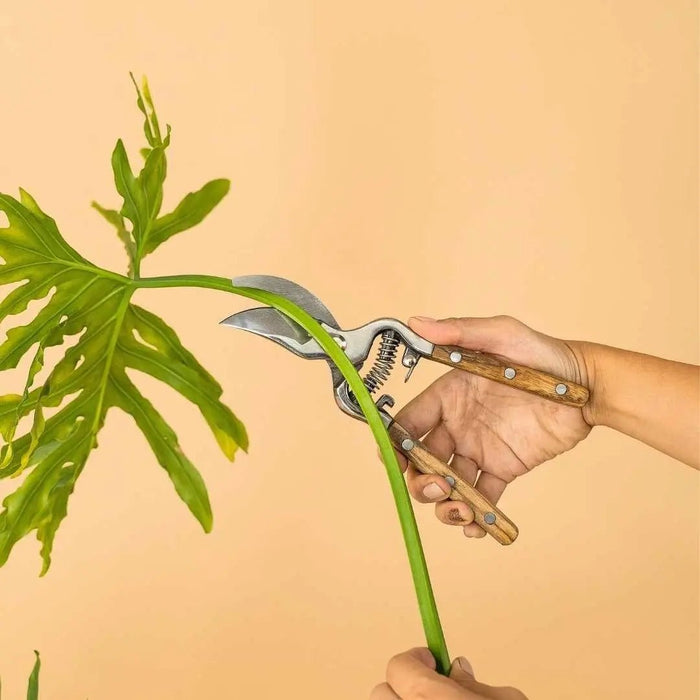
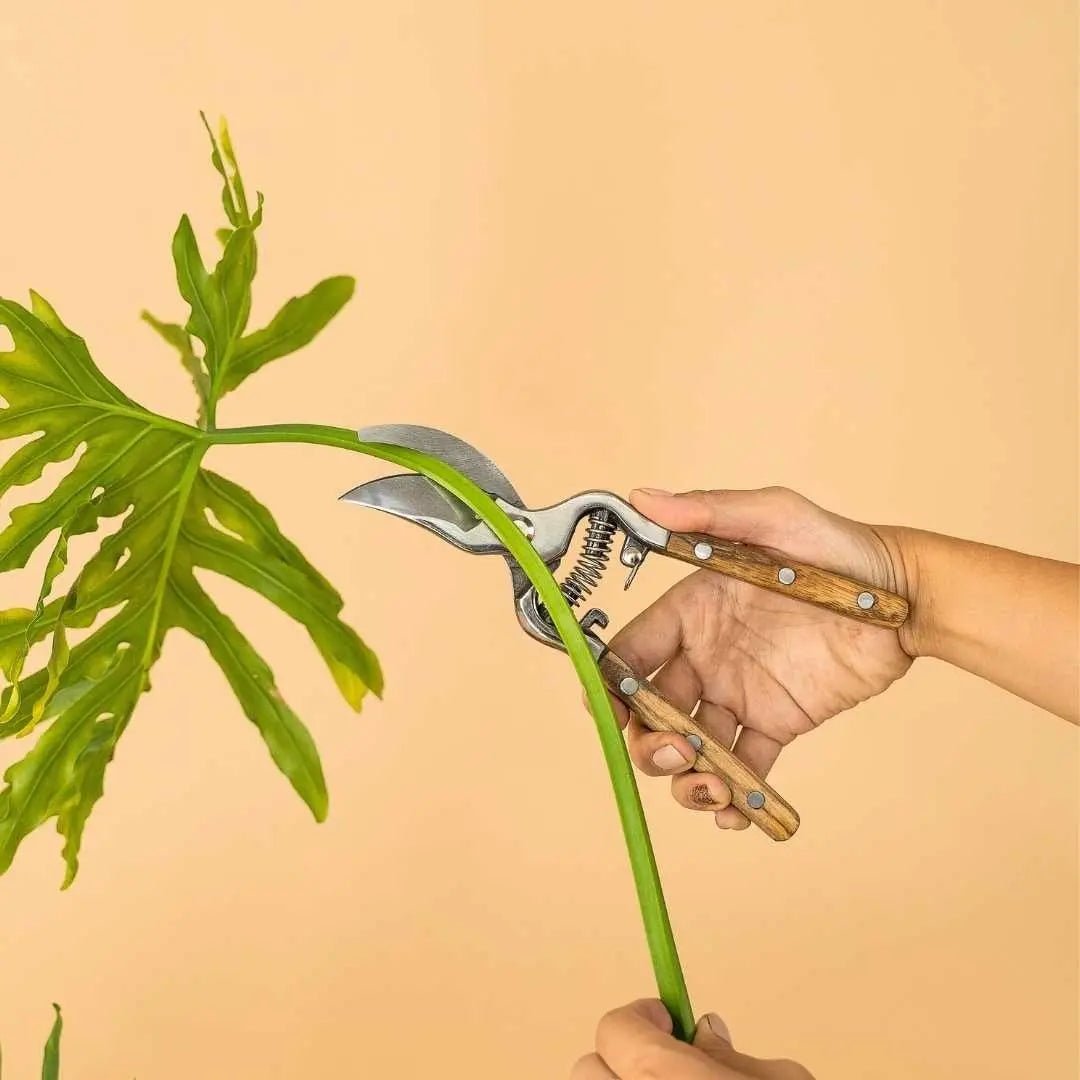
Using clean, sharp scissors or pruning shears (sterilised with rubbing alcohol), cut away all rotted root material. Cut until you see only white, healthy tissue. Do not leave any mushy, brown material — rot spreads.
Step 4: Treat Remaining Roots
Options for treating the remaining healthy roots:
- Hydrogen peroxide soak: Dilute 3% hydrogen peroxide 1:1 with water. Soak roots for 10-15 minutes. This kills remaining pathogens.
- Fungicide: Apply a broad-spectrum fungicide (cinnamon powder is a natural alternative — dust the cut ends).
- Air drying: Let the trimmed roots air-dry for 30-60 minutes before repotting. This allows cut surfaces to callous slightly.
Step 5: Prune Foliage
With reduced roots, the plant cannot support its full foliage. Prune back proportionally — if you removed 50% of the roots, remove roughly 30-40% of the foliage. Focus on removing yellow, damaged, or older leaves. This reduces the demand on the recovering root system.
Step 6: Repot in Fresh Soil
Do not reuse the old soil — it is contaminated with pathogens.
Use a fresh, well-draining mix:
- 50% quality potting mix
- 25% perlite
- 25% orchid bark
Choose a pot that is appropriate for the remaining root mass — not too large. Ensure it has drainage holes.
Step 7: Post-Rescue Care
- Water sparingly. Let the soil dry more than usual between waterings for the first 2-3 weeks. The damaged root system is vulnerable to re-infection.
- Bright indirect light. Do not place in direct sun or very low light. Bright indirect light supports recovery without stressing the plant.
- No fertiliser. Wait at least 4-6 weeks before fertilising. Damaged roots can burn from fertiliser.
- Monitor closely. Check for continued yellowing or wilting. If the rot has reached the stem, the plant may not recover despite your efforts.
Recovery Timeline
- Week 1-2: Stabilisation. No visible improvement. The plant adjusts to reduced root mass.
- Week 3-4: New root growth begins (invisible). The plant should stop declining.
- Week 4-8: New leaf growth may appear. The plant is recovering.
- Month 3+: Full recovery. Normal growth resumes. The plant has rebuilt its root system.
Be patient. Recovery is slow, especially for slow-growing species. Fast growers like Pothos may recover in weeks. Slow growers like ZZ Plant may take months.
Prevention
Prevention is far easier than treatment:
Water Correctly
- Let the top 2-5cm of soil dry between waterings (varies by species)
- Water thoroughly but infrequently rather than a little bit often
- Adjust frequency for Singapore's humidity — you likely need to water less than guides from drier climates suggest
Ensure Drainage
- Always use pots with drainage holes
- Use a well-draining soil mix with perlite or bark
- Empty saucers 30 minutes after watering
- Never let pots sit in standing water
Right-Size Your Pot
- Choose a pot 2-5cm larger than the root ball when repotting
- Avoid jumping to much larger pots — the excess soil stays wet
Use Appropriate Soil
- Add perlite, orchid bark, or pumice to standard potting mix
- Avoid heavy, dense soils that retain excessive moisture
- Repot every 1-2 years to refresh soil that has compacted over time
Monitor Your Plants
- Check soil moisture before watering — use your finger, a wooden skewer, or a moisture metre
- Learn each plant's specific watering preferences
- Watch for early signs (slowed growth, slight yellowing) and investigate before symptoms worsen
Shop Plants
Browse our indoor plant collection for healthy plants delivered across Singapore.
Root rot is a silent problem that becomes a loud crisis. In Singapore, where our humidity keeps soil moist longer and our warmth accelerates fungal growth, the margin for error is smaller than in drier climates. But the prevention is straightforward: well-draining soil, pots with holes, watering only when the soil has dried adequately, and paying attention to your plants' signals. If root rot does strike, act immediately — every day of delay reduces the chances of recovery. Remove, trim, treat, repot, and give the plant time. Plants are remarkably resilient. Given the chance, many will rebuild their root systems and return to full health. But they need you to catch the problem, make the intervention, and then step back and let the roots do what roots do — grow.
Quick summary
Key Takeaways
- What Is Root Rot?
- Causes
- Symptoms
- The Rescue Process
- Recovery Timeline
- Prevention
Ready to bring some green into your home?
Browse 250+ hand-picked plants, curated for Singapore homes — delivered to your door.
Browse All Plants →