
















Clusia Plant Care Guide: Everything You Need to Know
Posted on April 08 2026
In this article

Meta title: Clusia Plant Care Guide | Tumbleweed Plants
Meta description: Learn how to care for clusia plants in Singapore — watering, light, soil, pruning, and troubleshooting tips for healthy, lush growth.
Clusia is one of those plants that earns its place in any collection. With thick, waxy leaves, impressive tolerance for tough conditions, and a sculptural presence that works indoors and outdoors, it has quietly become one of the most searched-for plants among Singapore gardeners. If you have found your way here, you are probably already growing one — or seriously thinking about it. Either way, this guide covers everything you need to keep your clusia thriving.
What Is a Clusia Plant?
Clusia is a genus of tropical plants native to the Americas, most commonly grown as an ornamental shrub or hedge plant. The most popular variety you will encounter is Clusia rosea, often called the autograph tree because its thick leaves can be scratched to leave a mark — a party trick that genuinely impresses guests.
In Singapore, clusia is grown both as an indoor accent plant and as an outdoor landscape shrub. It handles our humidity well, tolerates salt air near the coast, and does not demand constant attention. That combination makes it ideal for balconies, gardens, and even large indoor pots.
Light Requirements

Clusia does best in bright, indirect light to full sun. If you are growing it indoors, place it near an east or west-facing window where it gets a few hours of direct morning or afternoon light. It will tolerate lower light conditions, but growth will slow significantly and the leaves may lose some of their deep green lustre.
Outdoors, clusia can handle direct sun comfortably once established. In Singapore's intense midday heat, some light afternoon shade is beneficial for younger plants, but mature specimens are generally very resilient.
Key point: If your clusia is dropping leaves or looking leggy and sparse, insufficient light is often the first thing to check.
Watering Your Clusia
One of clusia's most appealing traits is its drought tolerance. Once established, it does not need frequent watering — but like most tropical plants, it prefers consistency over extremes.
Indoor clusia watering guide:
- Water thoroughly when the top 3–5 cm of soil feels dry
- Allow excess water to drain freely — never let the pot sit in standing water
- In Singapore's humidity, indoor plants typically need watering every 7–10 days
- Reduce frequency slightly during cooler, overcast periods
Outdoor clusia watering guide:
- Established outdoor plants can often survive on rainfall alone during the wet season
- During drier spells, water deeply but infrequently — once or twice a week is usually sufficient
- Newly planted clusia should be watered more regularly for the first 2–3 months
Overwatering is far more dangerous for clusia than underwatering. If you see yellowing lower leaves combined with soggy soil, pull back on watering immediately and check that drainage is adequate.
Soil and Potting
Clusia is not fussy about soil as long as it drains well. A well-draining potting mix works well for container-grown plants — you can improve drainage further by mixing in perlite or coarse sand at roughly a 3:1 ratio.
For outdoor planting, clusia adapts to a wide range of soil types including sandy and clay soils, which is one reason it is popular in Singapore gardens where soil quality varies considerably.
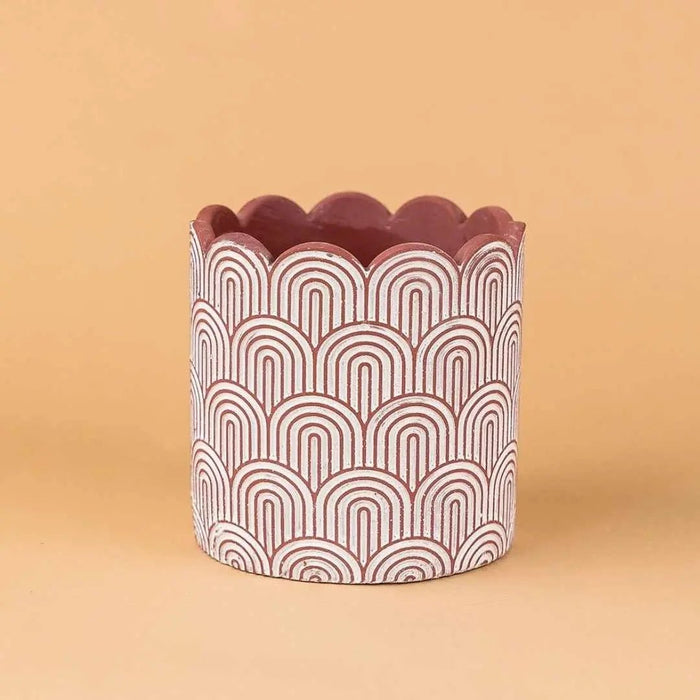
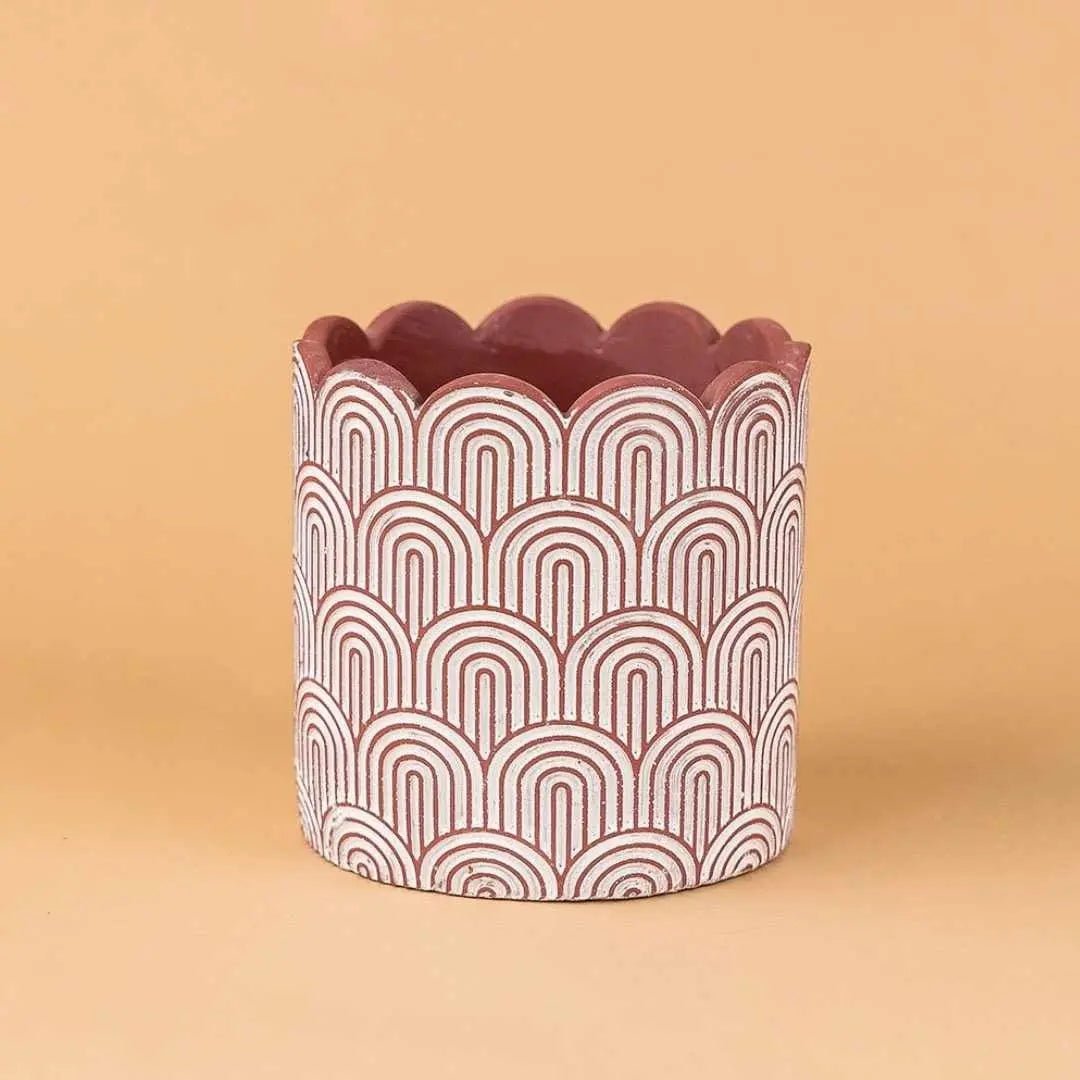
Choose a pot with drainage holes. Terracotta pots are a good choice as they allow the soil to breathe and dry out between watering sessions, reducing the risk of root rot.
Fertilising
Feed your clusia during the active growing season — roughly March through October in Singapore's climate.
- Use a balanced slow-release granular fertiliser every 2–3 months
- Alternatively, apply a liquid fertiliser diluted to half strength once a month during the growing season
- Avoid over-fertilising, which can cause leaf burn and does not meaningfully speed up growth
During the cooler, lower-light months, fertilising can be reduced to every 3–4 months or paused entirely.
Pruning and Shaping
Clusia responds well to pruning and can be shaped into a compact shrub, a small tree form, or kept as a full, bushy plant. The best time to prune is in spring or early summer when new growth is beginning.
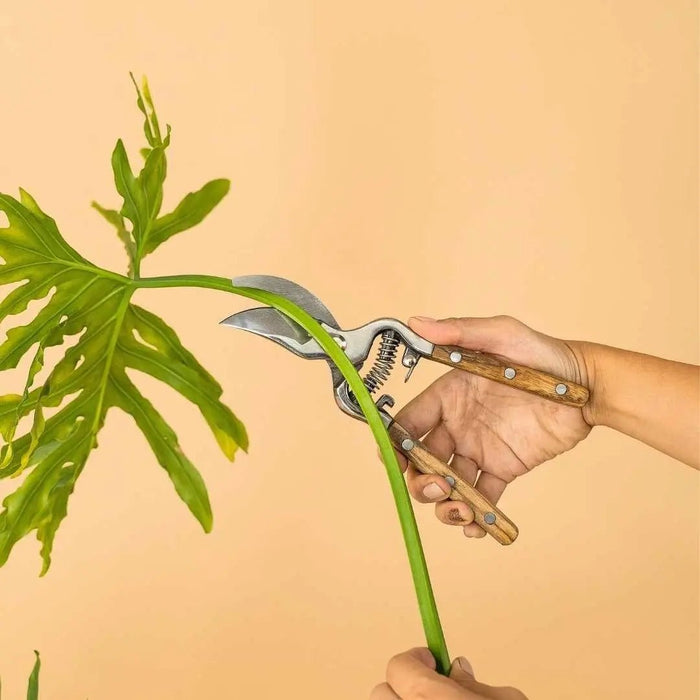
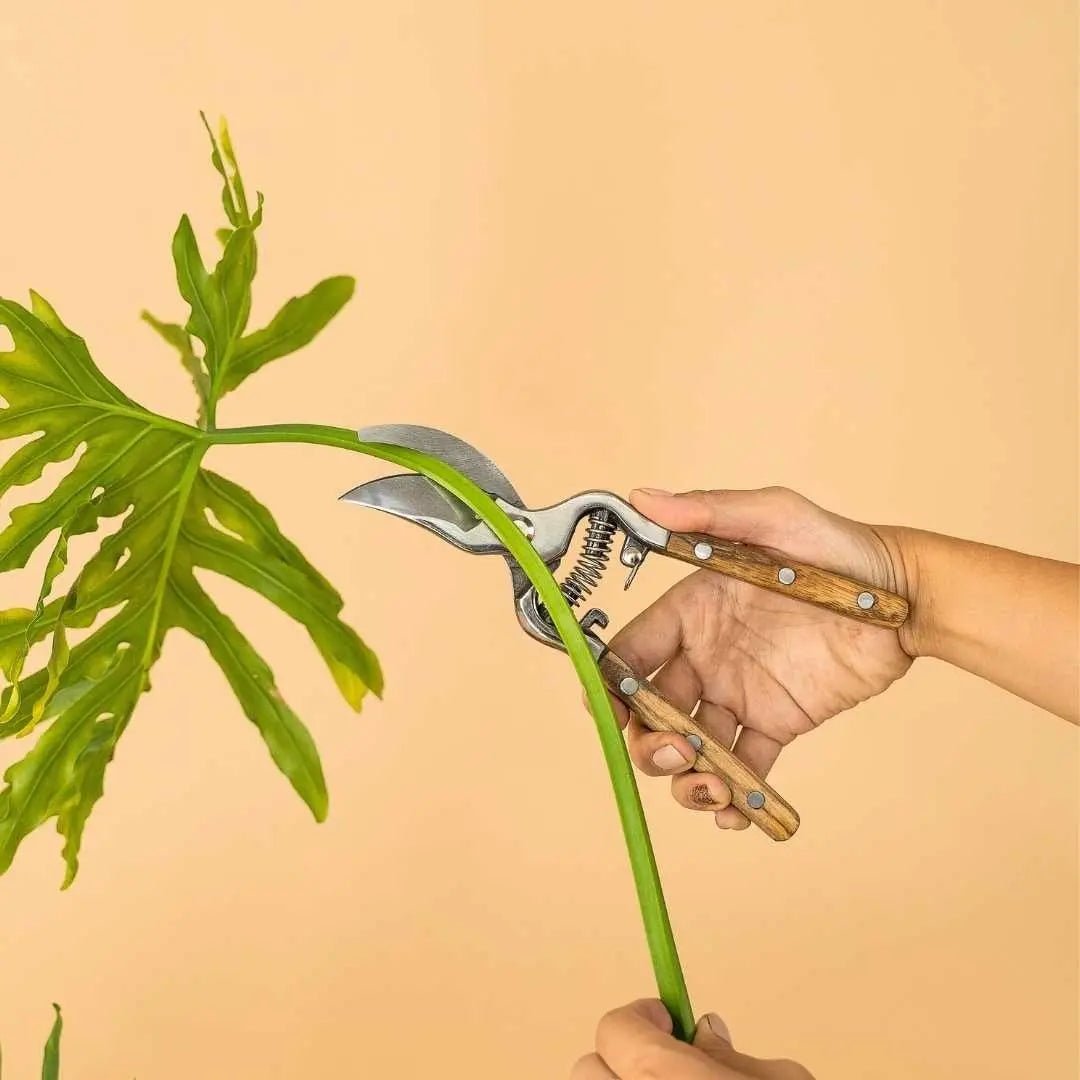
- Use clean, sharp pruning shears to avoid tearing the stems
- Remove any dead, damaged, or crossing branches first
- To encourage bushier growth, trim the tips of new shoots back by about a third
- Clusia produces a sticky white latex sap when cut — wear gloves and avoid getting it in your eyes
Regular light pruning keeps the plant looking tidy and encourages dense, healthy growth rather than a single leggy trunk.
Common Problems and How to Fix Them
Yellow Leaves
The most common cause is overwatering or poor drainage. Check the soil moisture and root condition. If roots look brown and mushy, you may need to repot into fresh, dry mix.
Brown Leaf Edges
Usually caused by direct harsh sunlight, low humidity, or salt build-up from tap water. Try filtered water, move the plant away from intense midday sun, and flush the soil periodically to clear mineral deposits.
Pests
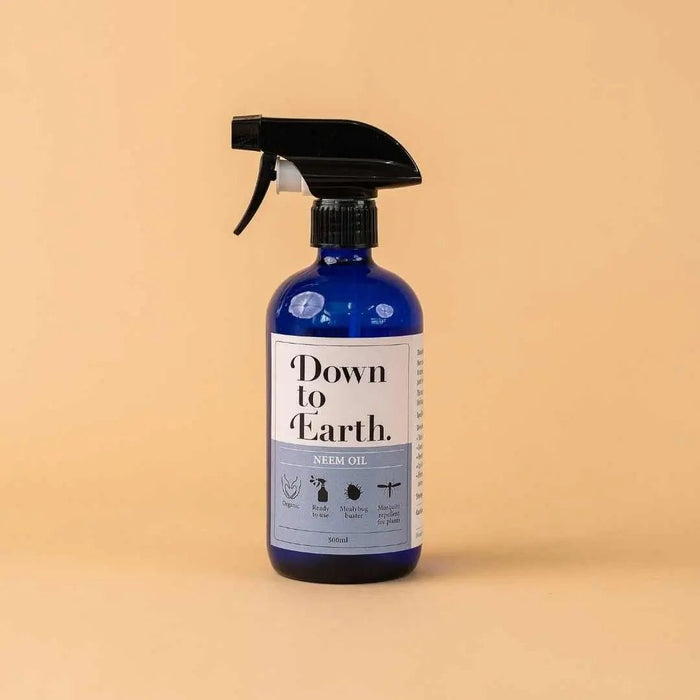
Clusia can attract scale insects and mealybugs. Check under leaves and along stems. Treat with a diluted neem oil spray or insecticidal soap, applied weekly until the infestation clears.
Slow Growth
Clusia is naturally a slow grower, so do not panic if it seems to be doing nothing. Ensure it is getting enough light, fertiliser, and is not root-bound in a pot that is too small.
Is Clusia Toxic?
Yes. The sap and seeds of clusia plants are considered toxic if ingested and can cause skin irritation on contact. Keep clusia out of reach of children and pets, and always wash hands after handling or pruning.
Where to Get Clusia in Singapore
If you are ready to add a clusia to your collection, browse our range at [LINK: /collections/outdoor-plants] or explore our full [LINK: /collections/all] for plants suited to Singapore conditions.
With the right light, sensible watering, and occasional feeding, your clusia will reward you with years of bold, tropical beauty — indoors or out.
Shop Plants at Tumbleweed Plants
Browse our full collection of healthy, nursery-fresh plants with same-day delivery across Singapore.
Quick summary
Key Takeaways
- What Is a Clusia Plant?
- Light Requirements
- Watering Your Clusia
- Soil and Potting
- Fertilising
- Pruning and Shaping
Ready to bring some green into your home?
Browse 250+ hand-picked plants, curated for Singapore homes — delivered to your door.
Browse All Plants →