
























Snake Plant Care Guide: Everything You Need to Know
Posted on April 16 2026
In this article
The Ultimate Snake Plant Care Guide for Singapore
The snake plant (Sansevieria trifasciata), also known as mother-in-law's tongue or Saint George's sword, is one of the world's most popular houseplants — and for good reason. It's virtually indestructible, purifies the air, and looks stunning in any setting from modern minimalist to tropical bohemian.

Whether you're a first-time plant parent or an experienced collector, this comprehensive care guide covers everything you need to know about growing snake plants in Singapore's tropical climate.
Snake Plant Varieties
There are over 70 species of Sansevieria, each with unique characteristics:
- Sansevieria trifasciata 'Laurentii' — The classic: tall, sword-like leaves with golden yellow margins. Grows up to 1.2m tall.
- Sansevieria trifasciata 'Moonshine' — Pale silvery-green leaves that almost glow. A beautiful modern variety.
- Sansevieria cylindrica — Tubular, cylindrical leaves that create a striking architectural form.
- Sansevieria trifasciata 'Hahnii' (Bird's Nest) — Compact rosette shape, perfect for desks and small spaces.
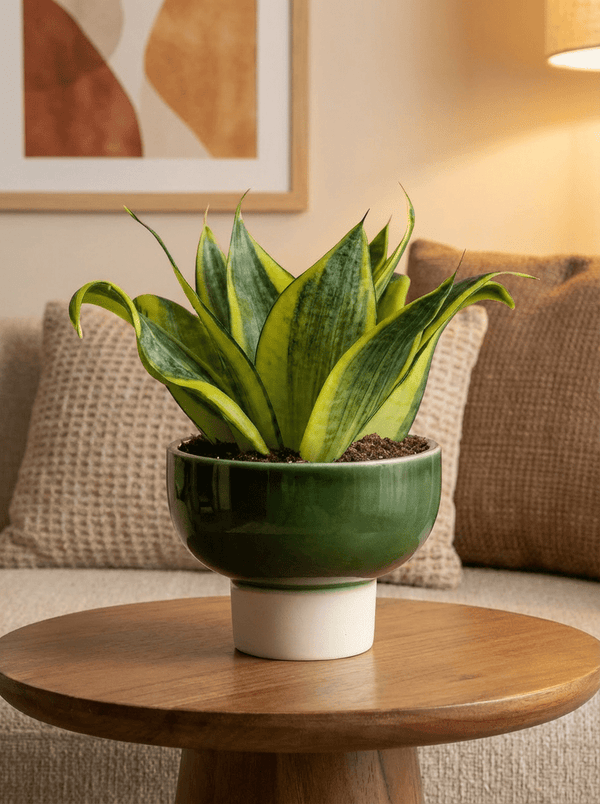
- Sansevieria trifasciata 'Black Gold' — Dark green centres with bright gold edges. Dramatic and elegant.
👉 Browse all snake plant varieties
Light Requirements
Snake plants are legendary for their light tolerance. They genuinely thrive in conditions from bright indirect light to near-complete shade.
- Ideal: Bright, indirect light (near a window with filtered light)
- Acceptable: Low light, fluorescent office lighting, dim corners
- Avoid: Intense, direct afternoon sun which can scorch leaves (though morning sun is fine)
In Singapore HDB flats, snake plants do well in virtually any room. They'll grow faster with more light, but survive perfectly fine in darker spaces. This makes them ideal for bedrooms, bathrooms, and corridors that other plants refuse to tolerate.
Watering Your Snake Plant in Singapore

Overwatering is the number one killer of snake plants. These succulents store water in their thick leaves and prefer to dry out between waterings.
Watering Schedule
- Singapore wet season (Nov-Jan): Water every 3-4 weeks
- Singapore dry season (Feb-Oct): Water every 2-3 weeks
- Air-conditioned rooms: Soil dries faster — check weekly, water when top 2 inches are dry
How to Water Correctly
- Insert your finger 2 inches into the soil. If it's dry, water thoroughly.
- Water the soil directly, avoiding the leaf rosette centre where water can pool and cause rot.
- Ensure water drains completely from the drainage holes.
- Never let the pot sit in a saucer of water.
Golden rule: When in doubt, don't water. Snake plants handle drought far better than excess moisture.
Soil & Potting
Snake plants need fast-draining soil to prevent root rot:
- Best mix: 2 parts regular potting soil + 1 part perlite + 1 part coarse sand
- Alternative: Cactus/succulent potting mix works well straight from the bag
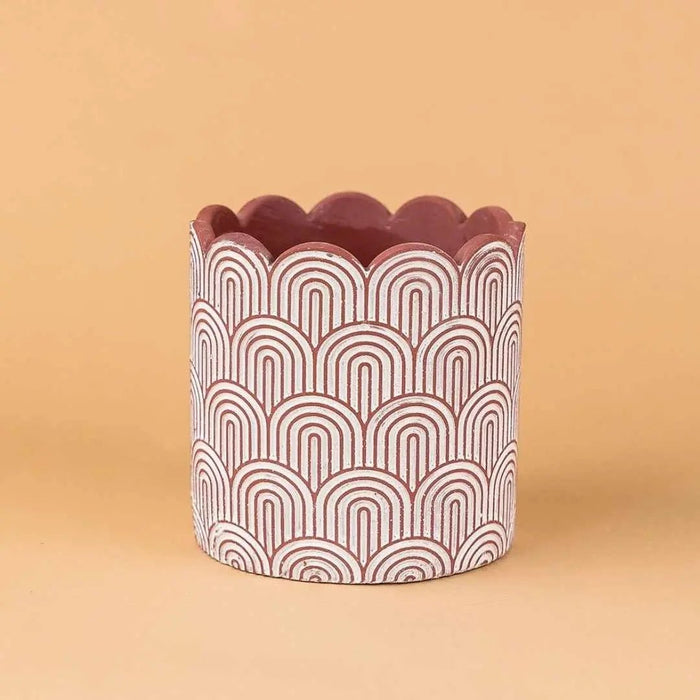
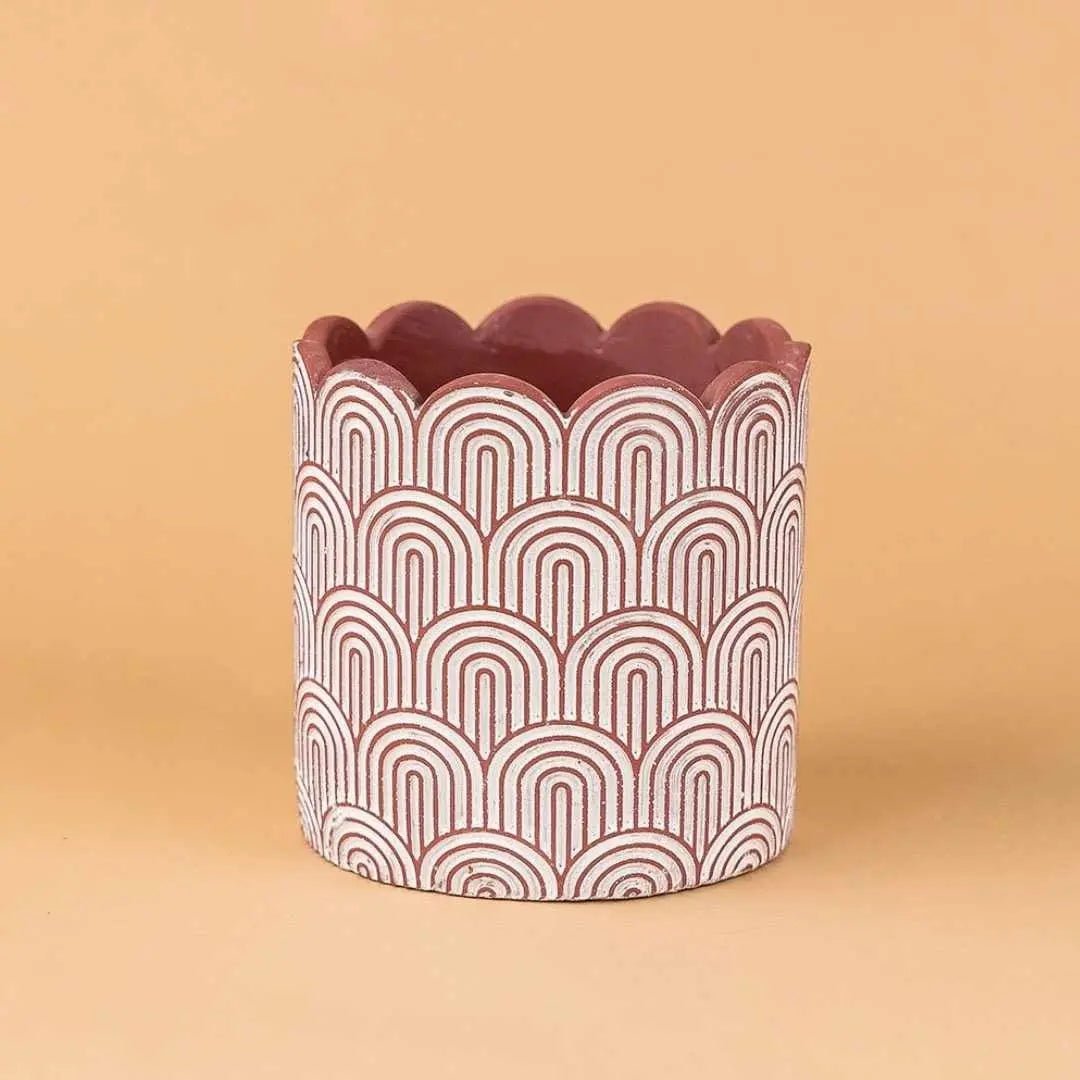
- Pot choice: Always use pots with drainage holes. Terracotta is ideal as it wicks excess moisture
Repot every 2-3 years or when roots start circling the pot. Snake plants actually like being slightly root-bound, so don't rush to upsize.
Temperature & Humidity

Singapore's climate is ideal for snake plants:
- Temperature: 18-30°C (Singapore's 24-32°C is perfect)
- Humidity: Tolerates 30-80% humidity (Singapore's 70-80% is fine)
- AC tolerance: Snake plants handle air conditioning better than most houseplants
One of the few houseplants that genuinely doesn't need any climate adjustment in Singapore homes.
Fertilising
- Feed monthly during the growing season (March-September) with a balanced liquid fertiliser diluted to half strength
- Skip fertilising during the cooler months (October-February)
- Don't over-fertilise — snake plants are light feeders
Propagation Methods

Snake plants are easy to propagate. Here are three methods:
1. Division (Easiest)
- Remove the plant from its pot
- Gently separate the root ball into sections, each with at least 2-3 leaves
- Plant each division in fresh soil
- Water lightly and place in indirect light
2. Leaf Cuttings in Water
- Cut a healthy leaf into 3-4 inch sections
- Mark the bottom of each section (orientation matters!)
- Place bottom-down in a jar of water, submerging 1 inch
- Change water weekly. Roots appear in 4-8 weeks
- Plant in soil once roots are 2-3 inches long
Note: Variegated varieties (like Laurentii) may lose their yellow edges when propagated from leaf cuttings. Use division to maintain variegation.
3. Leaf Cuttings in Soil
- Cut a healthy leaf at the base
- Let the cut end callous for 1-2 days
- Plant cut-end down in moist cactus mix
- Keep slightly moist (not wet) in bright indirect light
- New growth appears in 4-8 weeks
Common Problems & Solutions
Yellow or Soft Leaves
Cause: Overwatering or root rot. This is the most common snake plant problem.
Fix: Stop watering immediately. Check roots — remove any brown, mushy roots. Repot in fresh, dry soil. Resume watering only when soil is completely dry.
Brown, Crispy Leaf Tips
Cause: Underwatering, direct sun burn, or excess fertiliser salts.
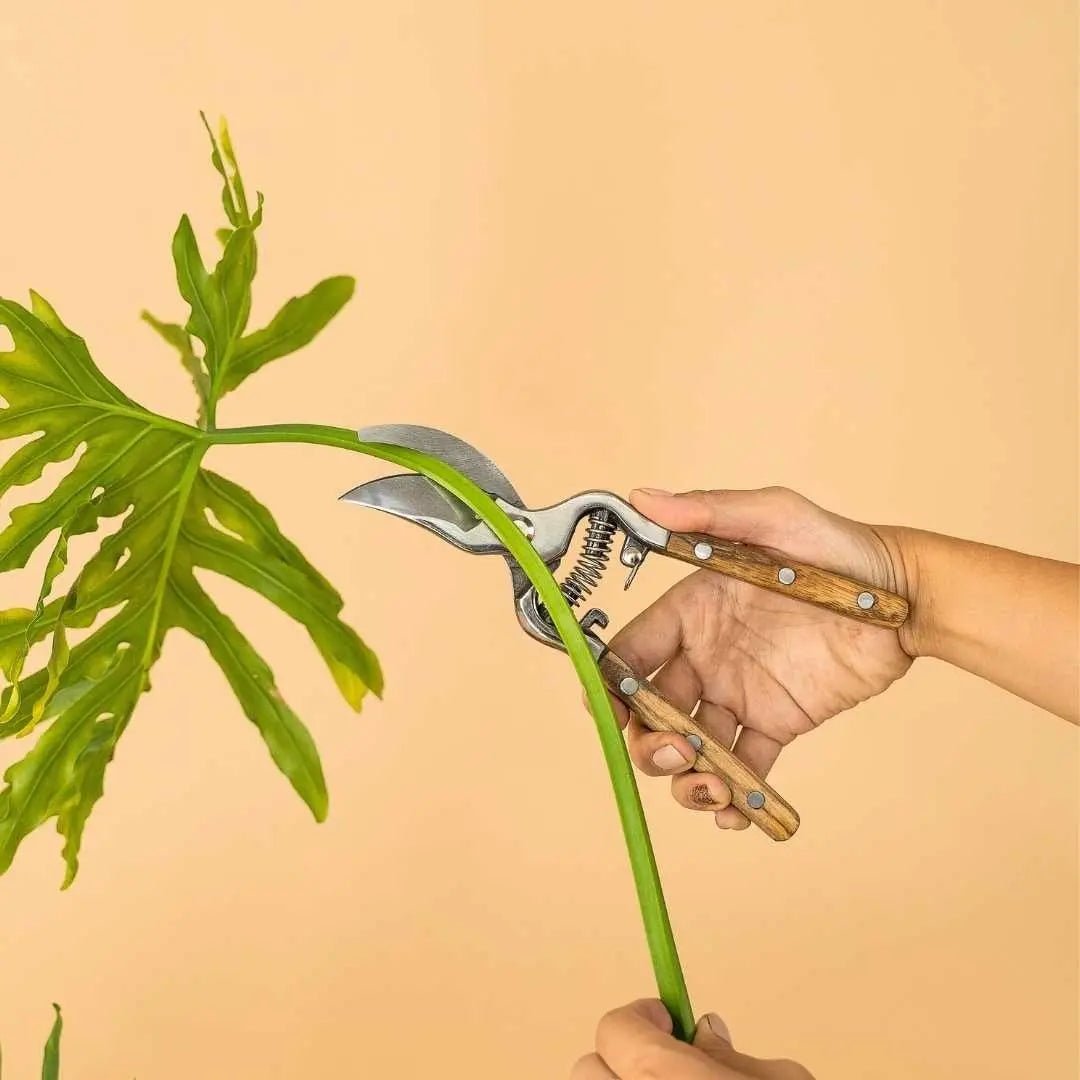
Fix: Trim brown tips with clean scissors. Adjust watering or move away from direct afternoon sun.
Drooping or Leaning Leaves
Cause: Root rot, insufficient light, or a pot that's too large.
Fix: Check roots for rot. If healthy, provide more light. Consider a stake for support while the plant strengthens.
Slow Growth
Cause: Normal in low light. Snake plants are naturally slow growers.
Fix: Move to brighter indirect light and feed monthly during growing season.
Pests
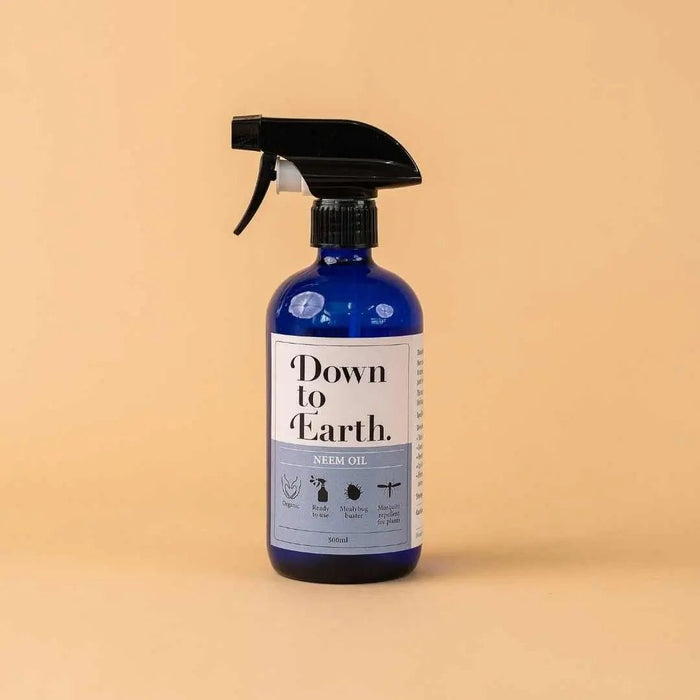
Snake plants rarely attract pests, but watch for mealybugs (white cottony spots) and spider mites (fine webbing). Treat with neem oil spray or wipe leaves with rubbing alcohol.
Air Purification Benefits
NASA's Clean Air Study identified the snake plant as one of the top air-purifying houseplants. It removes:
- Formaldehyde (from furniture, cleaning products)
- Benzene (from paints, synthetic fibres)
- Xylene and toluene (from printing, rubber)
- Nitrogen oxides
Uniquely, snake plants convert CO2 to oxygen at night (most plants do this only during the day), making them ideal bedroom plants.
Frequently Asked Questions
How fast do snake plants grow?
In bright indirect light, expect 2-4 new leaves per year. In low light, growth slows to 1-2 leaves per year. Snake plants grow faster in Singapore's warm climate compared to temperate regions.
Are snake plants toxic to pets?
Yes, snake plants are mildly toxic to cats and dogs if ingested, causing nausea and vomiting. Place them on high shelves or in rooms your pets don't access. For pet-safe alternatives, consider spider plants or Boston ferns.
Can snake plants grow in water permanently?
Yes! Snake plants can live in water indefinitely. Change the water every 1-2 weeks and add a drop of liquid fertiliser monthly. They grow slower in water but it's a low-maintenance, decorative option.
Why is my snake plant not growing new leaves?
Snake plants slow down in lower light and during cooler months. Give it more bright indirect light, feed with diluted fertiliser, and be patient — they're naturally slow growers.
How long do snake plants live?
With proper care, snake plants can live for 25+ years. They're true heirloom plants that get more impressive with age.
Ready to add a snake plant to your collection? Shop our snake plant varieties with same-day delivery across Singapore.
Quick summary
Key Takeaways
- The Ultimate Snake Plant Care Guide for Singapore
- Snake Plant Varieties
- Light Requirements
- Watering Your Snake Plant in Singapore
- Soil & Potting
- Temperature & Humidity
Ready to bring some green into your home?
Browse 250+ hand-picked plants, curated for Singapore homes — delivered to your door.
Browse All Plants →