




















Cactus Care Indoors: Everything You Think You Know Is Probably Wrong
Posted on April 16 2026
In this article

Thumbnail spec: 1200×628px — vibrant indoor cactus arrangement, mix of desert and forest types, bright Singapore apartment window, Tumbleweed Plants logo overlay.
---
---
Cacti have a reputation as the ultimate low-maintenance plants. And in the right conditions, they earn it. But "the right conditions" is doing a lot of work in that sentence — because the indoor environment most people put their cacti in is often exactly wrong, and the care habits passed down as "cactus wisdom" contain some genuinely harmful myths.
In Singapore, where temperatures hover between 25–34°C year-round and humidity runs high, the rules shift further still. Our tropical climate affects how cacti drink, how quickly soil dries, and which species thrive versus struggle indoors. This guide covers what cacti actually need, what kills them, and why your HDB or condo windowsill may not be what a cactus considers ideal — even in a climate that sounds cactus-friendly.
---
The Biggest Myth: Cacti Don't Need Water
The most common way people kill cacti is overwatering. But the second most common? Watering so infrequently that the cactus slowly desiccates and dies while the owner feels proud of their restraint.
Cacti evolved in desert environments that do receive rain — seasonal, sometimes heavy rain — followed by long dry periods. They're adapted to this boom-and-bust cycle. What they're not adapted to is a trickle of water every six months.
In Singapore's tropical climate, there is no true winter dormancy. Year-round warmth means desert cacti stay in a semi-active state through all twelve months — which means they need more consistent (though still infrequent) watering than they would in a temperate climate.
In Singapore's growing conditions (year-round):
- Watering when the soil has been completely dry for several days to a week
- Typically every 2–3 weeks in drier months (Feb–April), potentially more in peak heat
- A thorough, complete soaking when watered — not a splash
- In the wetter monsoon months (Nov–Jan), reduce frequency but don't stop entirely — monitor soil dryness
The key distinction: thorough infrequent watering is very different from tiny amounts of water given constantly, or no water at all for months.
Keep soil completely dry between waterings — feel 2–3 inches deep before reaching for the watering can.
---
The Second Biggest Problem: Not Enough Light

Most indoor cacti are light-starved. Cacti in their native habitat receive 12–16 hours of intense, direct desert sun daily. A windowsill in a north or east-facing HDB flat delivers a fraction of that.
What light do indoor cacti need in Singapore?
- Minimum: Bright indirect light with some direct sun daily
- Ideal: South or west-facing window with several hours of direct sun (Singapore's equatorial sun is strong — this is achievable year-round)
- Best of all: Balcony or corridor placement (many Singapore condos have covered outdoor corridors — excellent for cacti)
- Important: Avoid the harsh midday sun through unshaded glass, which can scorch even desert cacti when amplified through a window
Signs your cactus isn't getting enough light:
- Etiolation: The top of the cactus becomes thin and pale, stretching toward the light in a misshapen cone. This is irreversible — that growth will always look distorted
- Pale, washed-out color: The rich green fades
- No growth: A completely stalled cactus is almost always a light problem
A grow light positioned 4–6 inches above the cactus for 14–16 hours a day compensates for poor window conditions — a practical solution for north-facing HDB units.
---
Soil: Drainage Is Everything (Especially in Singapore)
Cacti need extremely fast-draining soil. Standard potting mix holds too much moisture and will cause root rot in cacti — this risk is amplified in Singapore's humid air, which slows soil drying.
Good cactus mix for Singapore's humid climate:
- 50% commercial cactus/succulent mix
- 40% perlite or coarse sand
- 10% fine gravel or pumice (optional but excellent)
The goal: a mix that dries out within 2–4 days of watering, not one that stays moist for a week. In Singapore's humidity, aim for the drier end of this range — if soil is still damp after 5 days, add more perlite.
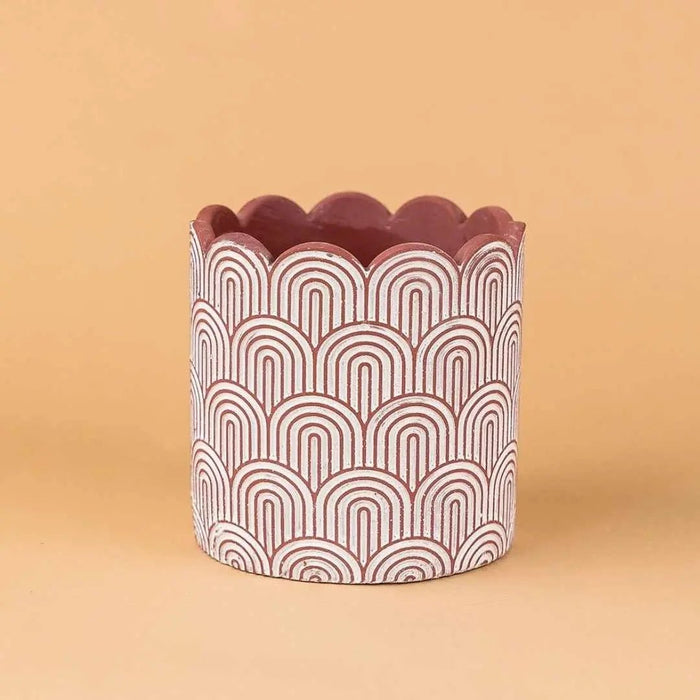
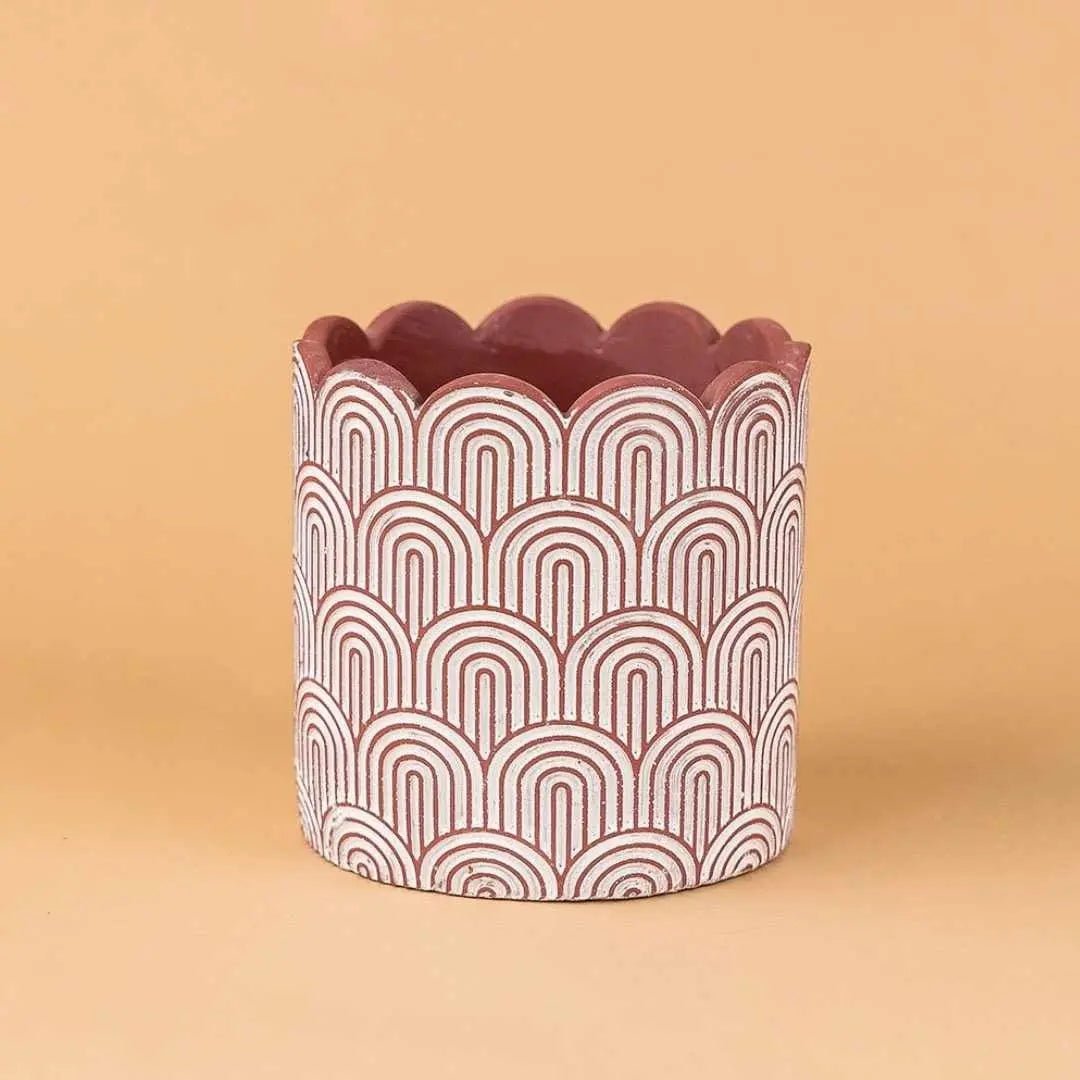
Pot choice: Terracotta is ideal — it wicks moisture and helps the soil dry faster. In Singapore's humid climate, terracotta's breathability is especially valuable. Avoid plastic and glazed ceramic for cacti in lower-light environments (they retain moisture too long).
Always use a pot with drainage holes. A cactus in a pot without drainage is almost certain to develop root rot — even faster in tropical humidity.
---
Two Very Different Types of Cacti
Not all cacti are desert plants. Understanding which type you have matters for care.
Desert Cacti
What most people picture: columnar, round, or branching cacti with spines. Native to arid environments.
Examples: Barrel cactus, golden ball cactus (Echinopsis), prickly pear (Opuntia), old man cactus (Cephalocereus).
Care in Singapore: Prioritise bright light and excellent drainage. In our humid climate, lean toward underwatering rather than overwatering. These thrive on south/west-facing balconies and well-lit HDB corridors.
Forest Cacti
Epiphytic cacti native to tropical forests, not deserts. They grow on tree branches in humid, indirect light environments — conditions that actually mirror Singapore's climate naturally.
Examples: Christmas cactus (Schlumbergera), Easter cactus (Hatiora), Rhipsalis, Epiphyllum (orchid cactus).
Care in Singapore: Forest cacti are exceptionally well-suited to Singapore. Bright indirect light, moderate watering, and our natural ambient humidity create near-ideal conditions. Christmas cactus blooming is triggered by day length — in Singapore's consistent 12-hour days, supplemental dark periods (covering the plant for 12–14 hours) may be needed to trigger flowering.
Many people accidentally apply desert cactus care to forest cacti — underwatering and over-sunning them. If your "cactus" has flat, segmented, non-spiny pads (like a Christmas cactus), it's a forest cactus and needs different treatment.
---
Temperature and Dormancy in Singapore
Most desert cacti in temperate climates benefit from a cool, dry dormant period in winter. In Singapore — where temperatures rarely dip below 23°C even at night — a natural dormancy is not possible without intervention.
The Singapore approach:
- Desert cacti will remain in active or semi-active growth year-round
- This is generally fine for health — Singapore-grown desert cacti grow well without dormancy
- Flowering may be less reliable without a cool period; if you want blooms, try moving the cactus to an air-conditioned room (below 20°C) for 6–8 weeks in the November–January period
- Forest cacti (Christmas cactus, etc.) benefit from short-day treatment — cover with a dark box for 12–14 hours nightly for 6–8 weeks to trigger flowering
---
Repotting Cacti

Repot every 2–3 years or when the cactus has outgrown its pot (roots emerging from drainage holes, plant becoming top-heavy and unstable). In Singapore's year-round warmth, February–March (after the wetter monsoon season) is a good time to repot.
Handling spiny cacti safely:
- Thick leather gloves
- Wrap the cactus in several layers of newspaper or a folded towel to grip it without direct skin contact
- Long tongs or folded cardboard strips for very spiny species
After repotting, wait 1 week before watering to allow any damaged roots to callous and reduce rot risk.
---
Flowering Cacti: How to Get Them to Bloom
Many indoor cacti can bloom spectacularly — the large, short-lived flowers in intense pinks, oranges, and yellows are among the most dramatic of any houseplant. Getting them to flower in Singapore requires:
- Adequate light (the most important factor — no bloom without sufficient sun)
- Induced dormancy — cool, dry period using air conditioning if needed
- Patience — many cacti won't bloom until they're several years old and large enough
- Phosphorus-forward fertilizer in the growing season to support bud formation
---
Common Cactus Problems

Soft, mushy base or body: Root rot from overwatering — accelerated in Singapore's humidity. If caught early: unpot, remove all rotted tissue with a clean blade, let dry for several days, and repot in fresh dry soil. Do not water for 2 weeks.
Etiolation (thin, stretched pale growth from the top): Insufficient light. Irreversible on the affected growth, but correcting the light prevents further etiolation.
Brown, corky patches: Usually normal aging on the lower body of mature cacti. If spreading rapidly, check for pest damage.
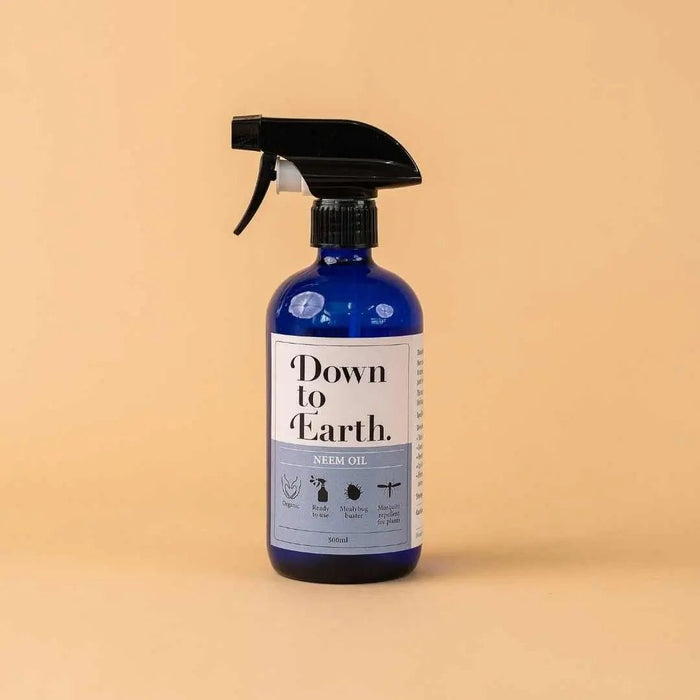
White cottony patches: Mealybugs — common in Singapore's warm humid conditions. Treat with 70% isopropyl alcohol on a cotton swab directly on the insects, or neem oil spray.
Rapid soil staying wet: Singapore humidity slows evaporation. Switch to coarser, drier soil mix and ensure excellent airflow around the pot.
---
Quick summary
Key Takeaways
- The Biggest Myth: Cacti Don't Need Water
- The Second Biggest Problem: Not Enough Light
- Soil: Drainage Is Everything (Especially in Singapore)
- Two Very Different Types of Cacti
- Temperature and Dormancy in Singapore
- Repotting Cacti
Ready to bring some green into your home?
Browse 250+ hand-picked plants, curated for Singapore homes — delivered to your door.
Browse All Plants →