



















Dracaena Care Guide Singapore: How to Grow Dragon Tree Indoors
Posted on April 09 2026
In this article
# Dracaena Care Guide Singapore: How to Grow Dragon Tree Indoors | Tumbleweed Plants Singapore

Dracaenas are some of the most versatile and forgiving indoor plants you can grow in Singapore. From the slender, arching leaves of Dracaena marginata (dragon tree) to the broad, striped foliage of Dracaena fragrans (corn plant), this diverse genus offers options for almost every indoor environment. They tolerate low light, handle air conditioning, purify indoor air, and grow slowly enough to stay manageable for years.
Why Dracaenas Suit Singapore
Dracaenas originate from tropical Africa and are naturally adapted to warm temperatures and moderate humidity — conditions Singapore provides year-round. They are forest understory plants, accustomed to growing beneath a canopy, which makes them well-suited to the indirect light found in most Singapore homes.
Key advantages:
- Shade tolerance: Handle low to medium light common in HDB interiors
- Low water needs: Drought-tolerant and forgiving of missed waterings
- Air purifying: NASA study rated several dracaena species as effective air cleaners
- Slow growth: Will not outgrow their space quickly
- Architectural form: Add height and structure to indoor spaces
Popular Dracaena Varieties

Dracaena Marginata (Dragon Tree)
The most recognisable — slender, upright stems topped with tufts of narrow, spiky leaves edged in red or purple. Can grow to 2+ metres indoors, creating a tree-like silhouette. Available in single, braided, and multi-stem forms.
Dracaena Fragrans (Corn Plant)
Broad, arching leaves resembling corn foliage, often with yellow or lime-green central stripes (varieties include 'Massangeana' and 'Lemon Lime'). A more substantial, bushier look than marginata.
Dracaena Sanderiana (Lucky Bamboo)
Commonly sold as "lucky bamboo" in Singapore, this is actually a dracaena. Grows in water or soil, often trained into spirals or braided forms. Popular for feng shui.
Dracaena Reflexa (Song of India/Jamaica)
Compact with dense, reflexed leaves in green or variegated green-and-yellow. A bushier growth habit than other dracaenas.
Light Requirements
Ideal: Bright indirect light. This produces the best growth and most vibrant leaf colours, especially for variegated varieties.
Good: Medium indirect light. Most dracaenas adapt well to interior rooms with moderate natural light.
Tolerable: Low light. Green varieties (like solid-green marginata) handle low light better than variegated types. Growth will be slower.
Avoid: Direct sunlight. Singapore's intense sun will scorch dracaena leaves, causing brown patches and bleached foliage.
Variegation note: Varieties with yellow or cream stripes need more light to maintain their colour. In low light, new growth may revert to mostly green.
Watering
Dracaenas are more sensitive to overwatering than underwatering. Their root systems are relatively small for their size, and they store moisture in their thick stems.
Schedule
- Air-conditioned rooms: Every 10-14 days
- Non air-conditioned rooms: Every 7-10 days
- Check first: Let the top 3-5cm of soil dry between waterings
Important Water Quality Note
Dracaenas are sensitive to fluoride, which is present in Singapore tap water. Fluoride sensitivity causes:
- Brown tips on leaves
- Yellow margins
- Dead patches
Solutions:
- Let tap water sit in an open container for 24 hours (chlorine dissipates, but fluoride does not fully)
- Use filtered water or collected rainwater for best results
- Avoid perlite-heavy soil mixes (perlite can contain fluoride)
Signs of Water Issues
- Brown, crispy tips: Usually fluoride sensitivity or underwatering
- Yellowing lower leaves: Natural aging (normal for 1-2 leaves), but multiple yellowing leaves suggest overwatering
- Soft, mushy stem: Root rot from overwatering — a serious problem
Soil and Potting
Soil
Well-draining potting mix:
- 70% quality potting mix
- 30% perlite or bark for drainage
Avoid heavy, water-retentive mixes. Dracaena roots need to dry between waterings.
Pot
- Drainage holes are essential
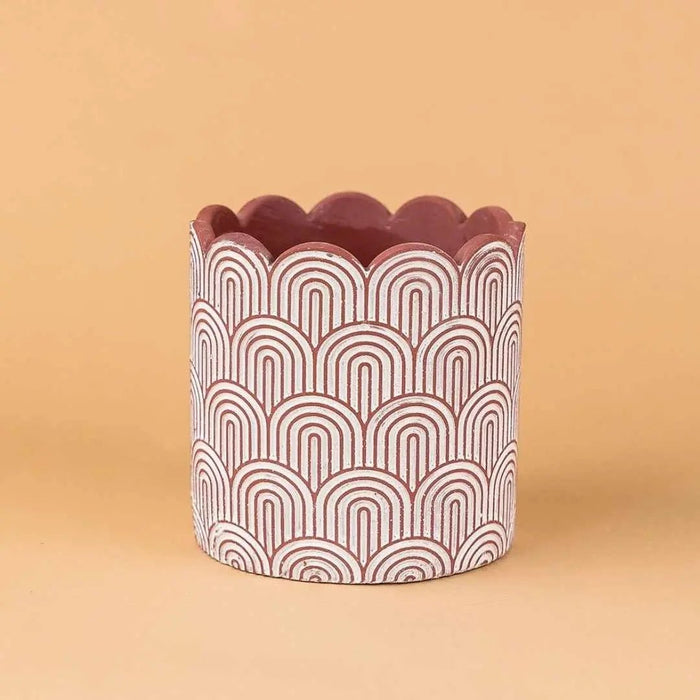
- Choose a pot proportional to the plant — dracaenas do not need oversized containers
- Repot every 2-3 years or when rootbound
Fertilising

Dracaenas are light feeders:
- Balanced liquid fertiliser at half strength
- Every 4-6 weeks during growing season
- Avoid fertilisers high in superphosphate (contains fluoride)
- Flush soil with plain water every few months to clear salt buildup
Pruning and Maintenance
Height Control
Dracaenas can be cut back to control height:
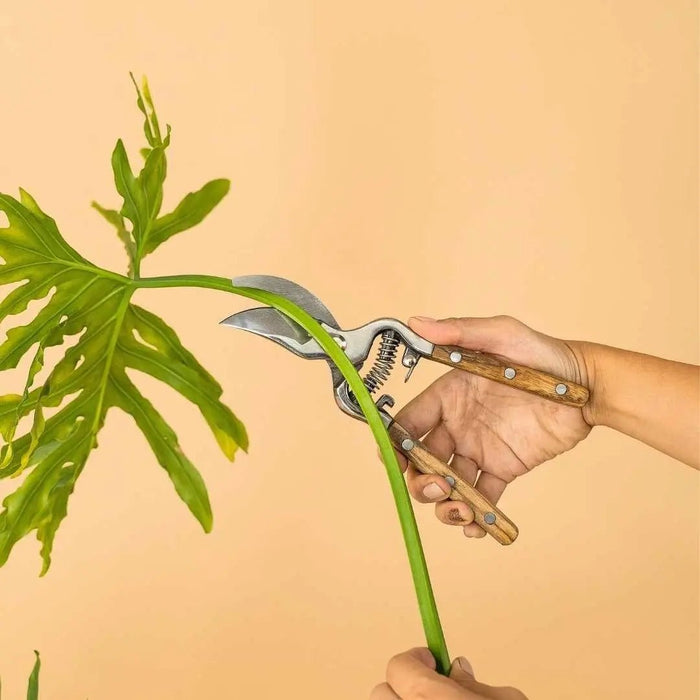
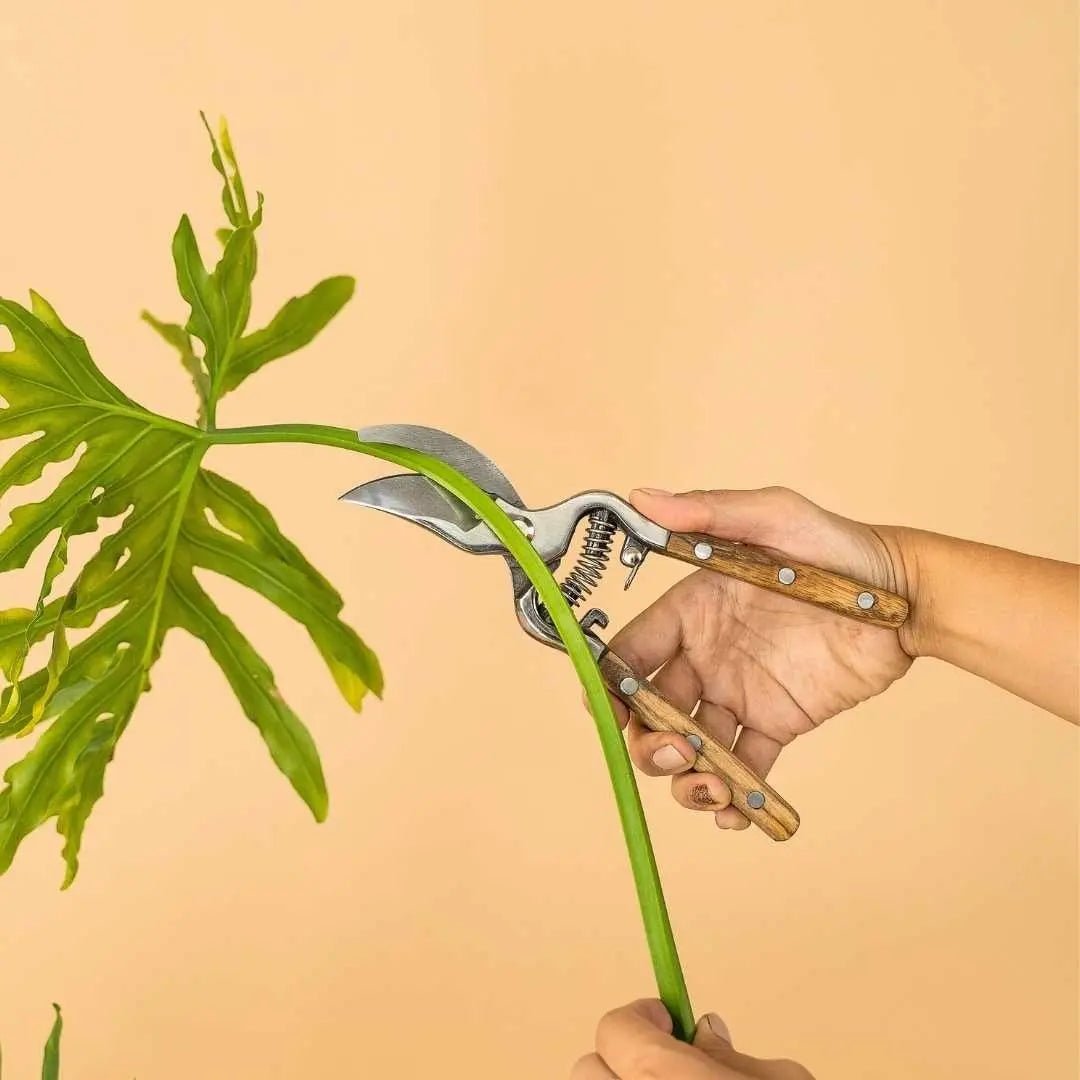
- Cut the main stem at your desired height with clean, sharp shears
- The cut stem will sprout new growth from just below the cut within weeks
- Multiple new shoots often emerge, creating a bushier plant
- The cut-off top section can be rooted in water or soil to create a new plant
Leaf Maintenance
- Remove yellow or brown lower leaves by pulling gently downward — they should detach cleanly
- Wipe leaves with a damp cloth to remove dust
- Trim brown tips with clean scissors for cosmetic improvement
Stem Cane Propagation
Dracaena stems (canes) can be cut into sections and propagated:
- Cut a section of bare stem 10-15cm long
- Place upright in moist soil or water (note which end is "up")
- New shoots and roots develop from the cane
- A great way to create new plants from a pruned dracaena
Common Problems

Brown Leaf Tips
The single most common dracaena issue. Causes:
- Fluoride in water: The primary cause in Singapore. Use filtered water.
- Low humidity: Mainly in heavily air-conditioned rooms. Group with other plants or use a pebble tray.
- Inconsistent watering: Maintain a regular schedule.
- Over-fertilising: Reduce frequency and dilution.
Brown tips are cosmetic and do not harm the plant. Trim for appearance if desired.
Leaf Drop
Lower leaves naturally yellow and drop as the plant grows taller. This is normal and reveals the attractive bare stem. However, excessive leaf drop can indicate:
- Overwatering
- Cold drafts (direct aircon)
- Sudden light change
Root Rot
From persistent overwatering. Signs include a soft stem base, foul soil smell, and rapid leaf yellowing. If caught early, unpot, remove rotted roots, let dry, and repot in fresh soil. Reduce watering frequency.
Pests
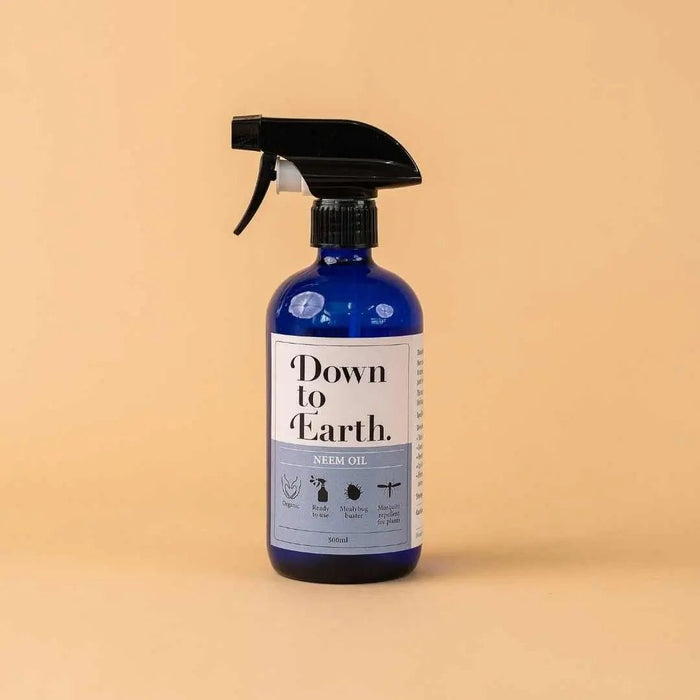
- Scale: Brown bumps on stems and leaves. Treat with neem oil or manual removal.
- Mealybugs: White cotton on leaf bases. Treat with rubbing alcohol.
- Spider mites: In dry aircon conditions. Increase humidity and treat with insecticidal soap.
Toxicity
Dracaenas are mildly toxic to cats and dogs, causing vomiting and drooling if ingested. Keep out of reach of pets or choose pet-safe alternatives.
Styling
- Floor plant: Tall dracaena marginata as a living sculpture in a corner
- Desk or shelf: Compact reflexa or young marginata
- Lucky bamboo arrangement: Dracaena sanderiana in a decorative water vase
- Grouped collection: Different dracaena species together for textural variety
Browse houseplants at Tumbleweed Plants with delivery across Singapore.
Quick summary
Key Takeaways
- Why Dracaenas Suit Singapore
- Popular Dracaena Varieties
- Light Requirements
- Watering
- Soil and Potting
- Fertilising
Ready to bring some green into your home?
Browse 250+ hand-picked plants, curated for Singapore homes — delivered to your door.
Browse All Plants →