

















How to Identify and Treat the Most Common Houseplant Pests
Posted on April 16 2026
In this article

Thumbnail spec: 1200×628px — close-up collage of common pests (mealybug, fungus gnat, spider mite web) with bold "Pest ID Guide" text overlay, Tumbleweed Plants branding.
---
---
Every plant owner deals with pests eventually. It's not a sign of failure or neglect — pests come in on new plants, through open windows, or hitch rides on clothing. In Singapore, our warm and humid tropical climate creates conditions where certain pests — particularly mealybugs, scale, and fungus gnats — thrive year-round. There's no cold season to break their breeding cycle.
What matters is catching them early (before a small problem becomes an infestation) and treating them correctly. This guide covers the seven most common houseplant pests in Singapore: how to identify each, what damage they cause, and exactly how to treat them.
---
The Golden Rule: Catch It Early
Pest populations grow exponentially. A few fungus gnats or a small mealybug colony is a 20-minute fix. A full-blown infestation across multiple plants takes weeks to resolve and can permanently damage susceptible plants.
Inspect new plants before bringing them inside. Check leaf undersides, stem junctions, and the soil surface of every new plant purchase before it touches your existing collection. Quarantine new arrivals for 2 weeks in a separate area as standard practice.
Check existing plants regularly. A quick weekly inspection during watering — just flipping a few leaves to check the undersides — catches most infestations before they escalate. In Singapore's warm climate, pests breed faster than in temperate countries, so weekly checks are especially important.
Check leaf undersides and stem junctions every week — these are where pests establish first.
---
Pest 1: Fungus Gnats

What they look like: Tiny (2–3mm) dark flies hovering near the soil surface and flying up when disturbed. The larvae are white, thread-like, and live in the top inch of soil.
Damage caused: Adult gnats are mostly annoying but harmless. The larvae feed on fungi and organic matter in the soil but can also chew on fine plant roots — a problem for seedlings and young plants, less so for established ones.
Why they appear in Singapore: Consistently moist topsoil in our humid climate. Singapore's high humidity slows soil evaporation, making fungus gnat breeding easier than in drier climates. Overwatering is the primary cause.
Treatment:
- Let the topsoil dry out completely between waterings. This breaks the breeding cycle — larvae cannot survive in dry soil.
- Yellow sticky traps placed at soil level catch adult gnats and reduce the breeding population.
- Hydrogen peroxide drench: Mix 1 part 3% hydrogen peroxide with 4 parts water. Water the plant with this solution — it kills larvae on contact (the fizzing oxygenates the soil, killing larvae). Repeat once a week for 3–4 weeks.
- Beneficial nematodes (Steinernema feltiae): Microscopic organisms that parasitize and kill fungus gnat larvae in the soil. Very effective and completely non-toxic.
- Diatomaceous earth: Sprinkle a thin layer on the soil surface. The sharp particles damage the larvae's exoskeletons.
---
Pest 2: Spider Mites
What they look like: Extremely tiny (0.5mm) — barely visible to the naked eye. Look for fine webbing between leaves and on stems, stippled or silvery-bronze leaf surfaces, and tiny moving dots on leaf undersides under a magnifying glass.
Damage caused: Feed by piercing leaf cells and sucking their contents, leaving tiny white/yellow stippling marks. Heavy infestations cause bronze, dull foliage and significant leaf drop.
Why they appear in Singapore: Spider mites typically prefer hot, dry conditions — but in Singapore, they still appear on plants stressed by over-air-conditioning or poor airflow. Indoor environments with cold, dry aircon air are most at risk.
Treatment:
- Isolate the plant immediately. Spider mites spread rapidly to nearby plants.
- Blast with water. Take the plant to a sink or shower and spray all surfaces — especially leaf undersides — with a strong stream of water. This physically removes mites and destroys their webs. Repeat every 3 days.
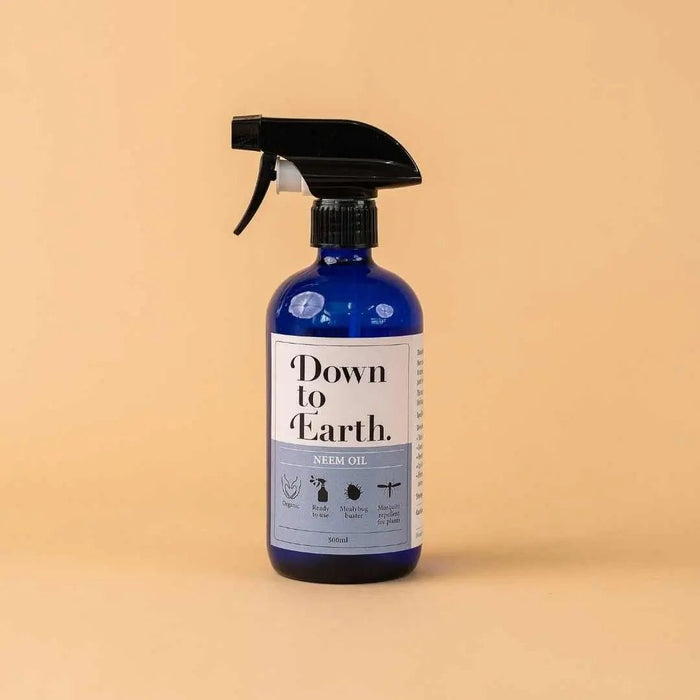
- Neem oil spray: Mix neem oil (1 tsp), dish soap (½ tsp), and water (1 quart). Spray all leaf surfaces thoroughly, including undersides. Repeat every 3–4 days for 2 weeks.
- Insecticidal soap: Similar application to neem oil; works on contact. Repeat applications needed.
- Increase humidity. Mites hate humidity — a natural advantage in Singapore's outdoor and minimally air-conditioned spaces.
---
Pest 3: Mealybugs
What they look like: White, cottony, waxy clusters in leaf axils (where leaves meet stems), along stems, and on leaf undersides. Individual mealybugs look like small white oval insects covered in white wax.
Damage caused: Suck plant sap, causing yellowing, wilting, and stunted growth. Also excrete honeydew that leads to sooty black mold on leaf surfaces.
Why they appear in Singapore: Mealybugs are one of the most prevalent pests in Singapore's tropical climate. Year-round warmth and humidity accelerates their reproduction — a small colony can become a major infestation faster here than in temperate countries.
Treatment:
- Isolate immediately. Mealybugs spread through plant contact.
- Isopropyl alcohol (70%): Dab directly on each mealybug cluster with a cotton swab. The alcohol dissolves their waxy protective coating on contact. Very effective for light to moderate infestations.
- Neem oil spray: Thorough application to all surfaces, repeated every 3–4 days for 3 weeks.
- Insecticidal soap spray: Similar to neem; effective on contact.
- Systemic insecticide (last resort for severe infestations): Granules mixed into the soil are absorbed by the plant, making its sap toxic to piercing insects. Not suitable for edible plants or where children and pets may contact the soil.
Mealybugs cluster at leaf axils and stem junctions — check these spots first during weekly inspections.
---
Pest 4: Scale Insects
What they look like: Brown, tan, or cream oval bumps attached to stems and the undersides of leaves. They don't move once mature (the "scale" is a protective shell). Easy to mistake for part of the plant structure.
Damage caused: Like mealybugs, they suck sap and excrete honeydew, leading to yellowing, wilting, and sooty mold.
Treatment:
- Scrape off manually. Use a toothbrush, fingernail, or soft cloth to physically remove scale from stems and leaves. This is often the most effective first step.
- Isopropyl alcohol: Wipe stems and affected areas with a cloth dampened with 70% isopropyl alcohol after scraping.
- Neem oil or insecticidal soap: Applied to all surfaces, catching any missed insects.
- Repeat weekly for 4–6 weeks. Scale eggs hatch in cycles — in Singapore's warmth, the cycle runs faster, so consistent weekly treatment is essential.
---
Pest 5: Aphids
What they look like: Small (1–3mm) soft-bodied insects in green, black, yellow, or white. Cluster densely on new growth, flower buds, and stem tips. Often found in large groups.
Damage caused: Suck sap from tender new growth, causing curled, distorted, or yellowed leaves. Also excrete honeydew.
Why they appear: Often come in from balconies or outdoor plants. Singapore's year-round warm temperatures mean aphids can breed continuously.
Treatment:
- Water blast: Strong stream of water knocks aphids off plants. Repeat every 2–3 days.
- Insecticidal soap or neem oil spray: Direct application to affected areas. Works well on aphids because their bodies are soft and unprotected.
- Wipe leaves: For smaller infestations, a damp cloth wiped across affected areas removes them quickly.
---
Pest 6: Whiteflies
What they look like: Tiny white moth-like insects (2mm) that fly up in a cloud when the plant is disturbed. Larvae are pale, flat, and attached to leaf undersides.
Damage caused: Similar to aphids — sap-sucking, yellowing, distorted growth.
Singapore context: Whiteflies are particularly common on balcony plants and plants near windows. They move between outdoor and indoor plants easily in Singapore's open-window living environments.
Treatment:
- Yellow sticky traps: Effective at catching adult whiteflies.
- Neem oil spray: Applied thoroughly to all leaf surfaces, especially undersides where eggs and larvae cluster.
- Insecticidal soap: Works on contact with adults and larvae.
---
Pest 7: Root Mealybugs
What they look like: Like mealybugs but living in the soil around roots rather than on the plant surface. Only discovered when you unpot the plant — look for white, cottony clusters on and around the roots.
Damage caused: Feed on roots, causing wilting and decline that can look like overwatering or root rot.
Why they're tricky: Invisible without unpotting. Plants with unexplained decline despite good care are worth checking. In Singapore, root mealybugs are sometimes confused with root rot (both cause wilting despite moist soil).
Treatment:
- Unpot and remove all soil. Rinse roots clean under running water.
- Submerge roots in a solution of insecticidal soap and water for 10–15 minutes.
- Repot in completely fresh soil in a clean, sterilized pot.
- Drench soil with diluted neem oil or insecticidal soap solution after repotting.
---
Singapore-Specific Pest Prevention Tips
Singapore's climate creates some unique considerations for pest prevention:
- Open windows and balcony doors are common here year-round — this increases the chance of pests migrating in from outdoor plants. Use fine mesh screens if pests are recurring.
- Year-round warmth means no seasonal pest die-off. Prevention must be consistent every month, not just in summer.
- High humidity is actually helpful against some pests (spider mites dislike it) but accelerates mealybug and fungus gnat cycles.
- Quarantine all new plants for 2 weeks — especially important if you're shopping at nurseries, Lazada/Shopee sellers, or weekend markets at Toa Payoh, Pasir Ris, or Queensway.
New plants from any source — including reputable nurseries — should spend 2 weeks in quarantine before joining your existing collection.
---
Prevention: The Best Strategy
- Quarantine all new plants for 2 weeks
- Inspect leaf undersides during regular watering
- Keep plants healthy — stressed plants are more susceptible
- Don't overwater — damp conditions favour fungus gnats and fungal diseases, especially in Singapore's humidity
- Increase air circulation — many pests prefer stagnant air; a small fan helps indoors
---
Quick summary
Key Takeaways
- The Golden Rule: Catch It Early
- Pest 1: Fungus Gnats
- Pest 2: Spider Mites
- Pest 3: Mealybugs
- Pest 4: Scale Insects
- Pest 5: Aphids
Ready to bring some green into your home?
Browse 250+ hand-picked plants, curated for Singapore homes — delivered to your door.
Browse All Plants →