




















How to Repot Plants in Singapore: Step-by-Step Guide
Posted on April 09 2026
In this article
Repotting is one of those plant care tasks that intimidates beginners but is actually straightforward once you know the basics. In Singapore's tropical climate, plants grow year-round — which means they outgrow their pots faster than in temperate climates and may need repotting more frequently.

Getting repotting right keeps your plants healthy, encourages new growth, and prevents root-bound stress. Here is your complete guide.
When to Repot
Signs Your Plant Needs Repotting
Not every plant needs annual repotting. Look for these specific signals:
Roots circling the bottom of the pot — Tip the plant out gently. If you see a dense mat of roots circling the bottom, it is time.
Roots growing out of drainage holes — A clear sign the root system has outgrown the pot.
Water runs straight through without soaking in — Means roots have displaced most of the soil, leaving no medium to hold moisture.
Plant dries out unusually fast — If you are watering every 2-3 days and the plant still looks thirsty, it is likely root-bound.
Stunted growth — A plant that has stopped growing despite adequate light and feeding may need fresh soil and more root space.
Visible salt buildup — White crust on the soil surface or pot rim indicates mineral accumulation. Fresh soil resolves this.
When NOT to Repot
- A plant that is currently flowering (redirecting energy to root recovery disrupts blooming)
- A plant that is stressed, wilting, or recovering from pests (fix the primary issue first)
- Within 2 weeks of bringing a new plant home (let it acclimatise first)
- If the plant has just been pruned heavily (one stress at a time)
Timing in Singapore
Since Singapore has no winter dormancy, you can technically repot any time of year. However, for the best recovery:
- Ideal: During active growth periods (which is essentially always in SG)
- Avoid: Immediately before a known dry spell (February-March) if possible
- Morning or evening: Repot during cooler parts of the day to reduce transplant shock
What You Need

Gather everything before you start — repotting goes faster when you are not hunting for supplies midway:
- New pot (2-5cm wider than current pot)
- Fresh potting mix (appropriate for the plant type)
- Drainage material (perlite, clay pebbles, or broken pot shards)
- Trowel or large spoon
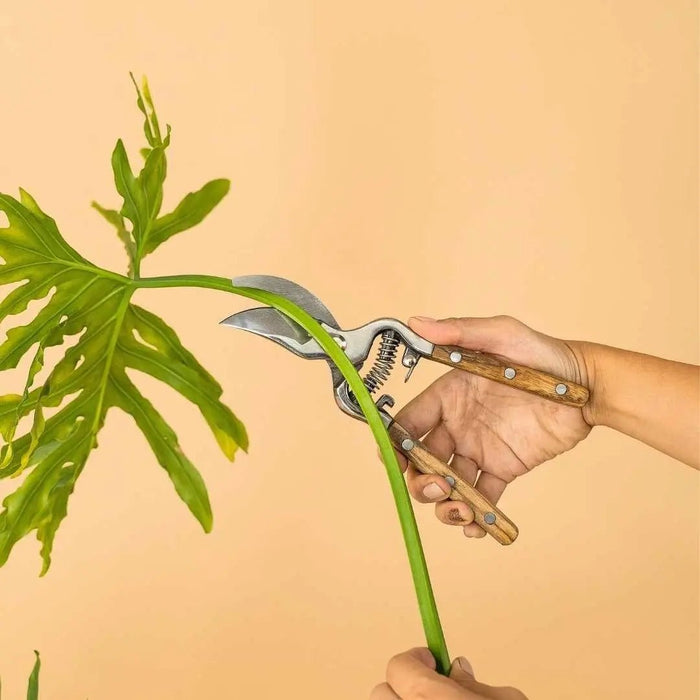
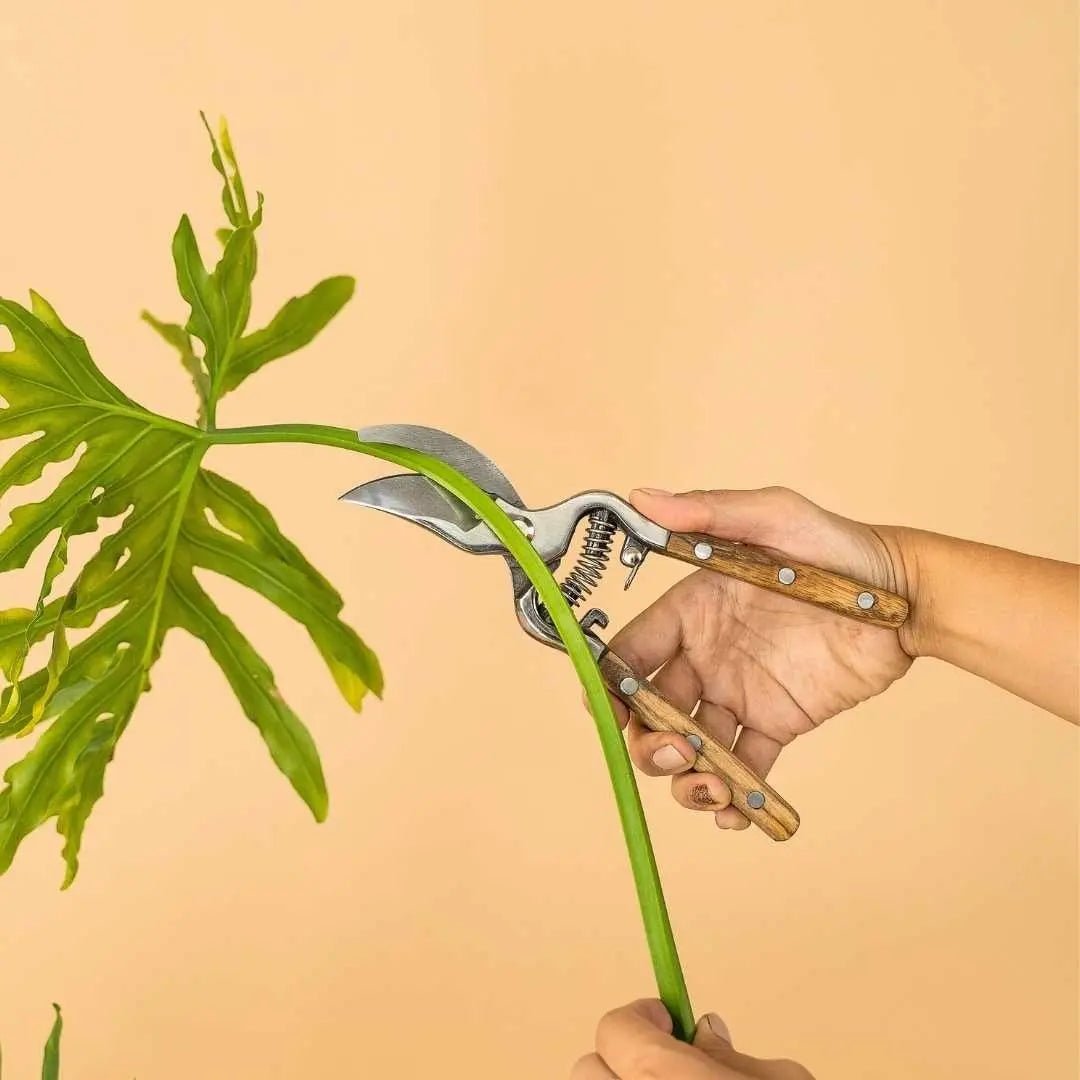
- Scissors or secateurs (for root trimming)
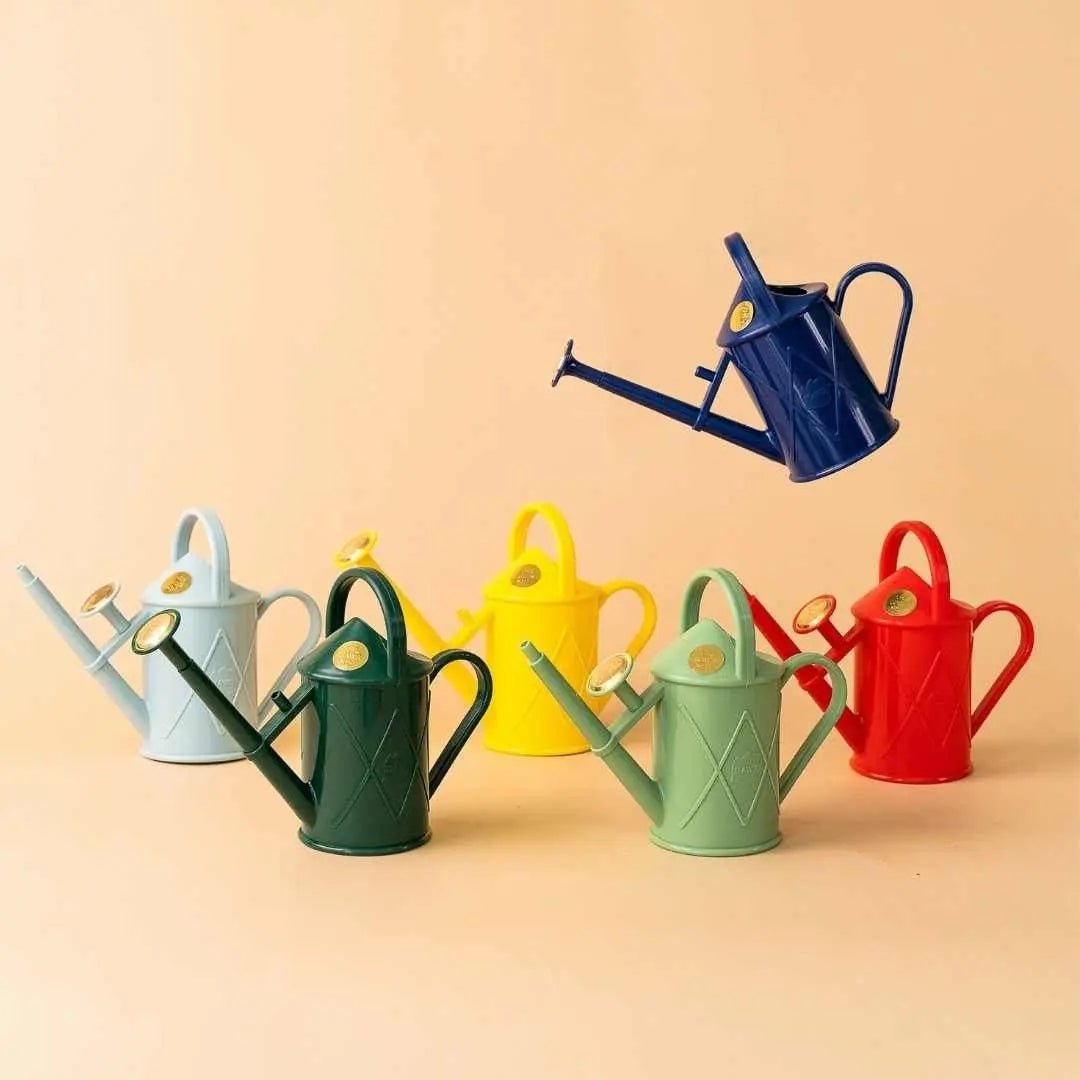
- Watering can
- Newspaper or tarp (to protect your floor)
- Gloves (optional but recommended for sap-producing plants)
Choosing the Right Pot
Size
The most common repotting mistake is choosing a pot that is too large. Excess soil around the roots stays wet too long, inviting root rot — especially in Singapore's humidity.
Rule of thumb: Go up one size only. For most houseplants, this means a pot 2-3cm wider in diameter. For fast-growing plants (Monstera, Pothos), you can go 4-5cm wider.
Material
Terracotta: Porous, allows air to reach roots, dries faster. Excellent for plants prone to overwatering (succulents, cacti, snake plants). The extra weight stabilises tall plants.
Plastic: Lightweight, retains moisture longer, inexpensive. Good for moisture-loving plants (ferns, calathea). Easy to drill extra drainage holes.
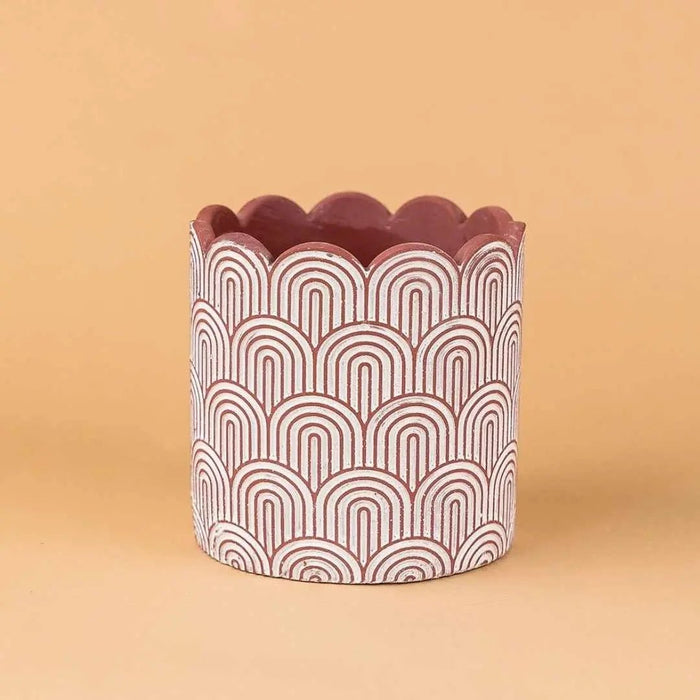
Ceramic (glazed): Decorative but heavier. Retains moisture similar to plastic. Use as a cache pot over a plastic nursery pot for the best of both worlds.
Self-watering pots: Convenient for consistent moisture but can cause issues with rot-prone plants. Best for peace lilies, ferns, and other moisture-lovers.
Drainage
Every pot must have drainage holes. No exceptions. If you fall in love with a decorative pot that has no holes:
- Use it as a cache pot (place the nursery pot inside)
- Drill holes yourself (for ceramic, use a diamond drill bit with water as lubricant)
Soil Mixes for Common Singapore Plants

One soil does not fit all. Here are mixes tailored to popular plant categories:
Tropical Foliage Plants (Monstera, Philodendron, Pothos)
- 40% potting soil
- 30% perlite
- 20% orchid bark
- 10% charcoal
Succulents and Cacti
- 50% coarse sand or pumice
- 30% potting soil
- 20% perlite
Ferns and Calathea
- 50% peat moss or coco coir
- 25% perlite
- 25% potting soil
Orchids
- 70% orchid bark
- 20% charcoal
- 10% sphagnum moss
Snake Plants and ZZ Plants
- 50% potting soil
- 30% perlite or coarse sand
- 20% orchid bark
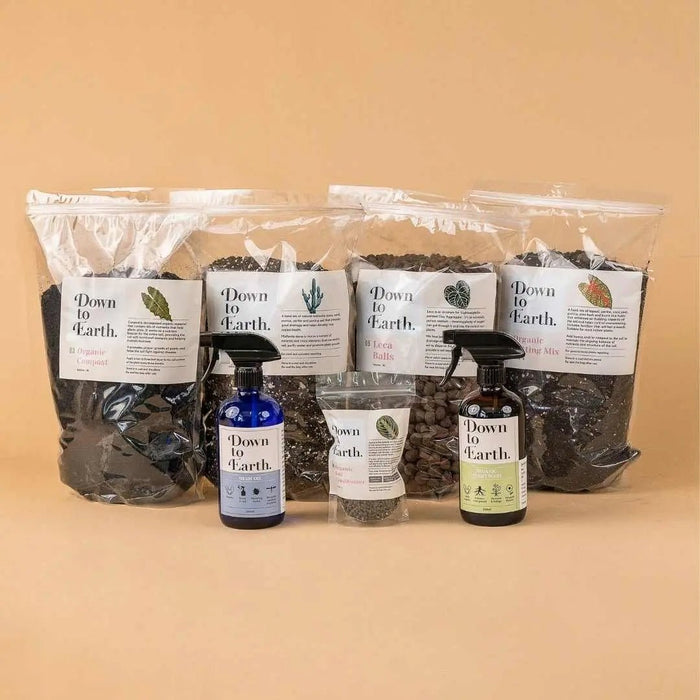
Where to buy soil components in Singapore: Thomson Road nurseries, World Farm, Far East Flora, and online via Shopee and Lazada. Premixed aroid and succulent mixes are also available.
Step-by-Step Repotting Guide
Step 1: Water the Plant
Water your plant the day before repotting. Moist soil slides out of the pot more easily, and hydrated roots handle the transition better than dry, brittle ones.
Step 2: Prepare the New Pot
Add a layer of drainage material (clay pebbles or pot shards) to the bottom of the new pot — about 2cm deep. Add a thin layer of fresh potting mix on top.
Step 3: Remove the Plant
Turn the current pot on its side and gently slide the plant out. If it is stuck:
- Tap the sides and bottom of the pot
- Run a butter knife around the inner edge
- For plastic pots, squeeze the sides to loosen
- For terracotta, gently tap the rim against a table edge
Never pull a plant out by its stem — you will damage the roots and potentially break the plant.
Step 4: Inspect the Roots
This is the most important step. Look for:
- Healthy roots: White or light tan, firm, with active growing tips
- Rotting roots: Dark brown or black, mushy, foul-smelling — trim these off with clean scissors
- Circling roots: Gently tease apart with your fingers to encourage outward growth
If the root ball is extremely dense, make 3-4 vertical cuts with a clean knife to break up the circling pattern. This sounds aggressive but stimulates new root growth.
Step 5: Position the Plant
Place the plant in the new pot so that the top of the root ball sits about 2cm below the pot rim (this gives you space for watering).
Step 6: Fill with Soil
Add soil mix around the sides, pressing gently to eliminate air pockets. Do not pack the soil too tightly — roots need air.
The soil level should be the same as in the previous pot. Do not bury the stem deeper than it was — this can cause stem rot, especially in Singapore's humidity.
Step 7: Water Thoroughly
Water the newly potted plant slowly and evenly until water drains from the bottom. This settles the soil around the roots and eliminates remaining air pockets.
Step 8: Post-Repotting Care
- Place the plant in its usual spot (not direct sun)
- Do not fertilise for 2-4 weeks (fresh soil has nutrients, and roots need time to recover)
- Water normally — check soil moisture before each watering
- Expect some drooping or leaf loss in the first week (transplant shock is normal)
- Resume regular fertilising schedule after the recovery period
Special Repotting Situations

Root-Bound Plants That You Want to Keep Small
Not every repotting means a bigger pot. If you want to maintain your plant's current size:
- Remove from pot
- Trim 20-30% of the root mass from the bottom and sides
- Replace old soil with fresh mix
- Return to the same pot
This refreshes the soil and nutrients without encouraging larger growth. Works well for plants you have maxed out on space for.
Very Large Plants
For large indoor trees or established plants in heavy pots:
- Instead of full repotting, do a top dressing: remove the top 5cm of soil and replace with fresh mix
- This refreshes nutrients without the ordeal of removing the entire root ball
- Top dress every 6-12 months between full repots
Newly Purchased Plants
Plants from nurseries are often in temporary growing media (pure peat or coco coir). Repot into a proper mix within 2-4 weeks of purchase, after the plant has acclimatised to your home.
Common Repotting Mistakes
- Pot too large — excess soil stays wet, causing root rot
- No drainage holes — guaranteed root rot over time
- Using garden soil — too dense for containers, does not drain properly
- Burying the stem — causes stem rot, especially in humid Singapore
- Fertilising immediately — burns recovering roots
- Repotting a stressed plant — fix the stress first, then repot
- Not teasing out roots — circling roots continue to circle in the new pot
Final Thoughts

Repotting is one of the most impactful things you can do for your plants' long-term health. In Singapore's year-round growing climate, most houseplants benefit from annual repotting with fresh soil — even if they have not outgrown their pot.
Build a small collection of soil components, keep a few pots in different sizes on hand, and make repotting day a regular part of your plant care routine. Your plants will repay you with vigorous, healthy growth.
Visit Tumbleweed Plants for plants, pots, and everything you need for your next repotting session.
Quick summary
Key Takeaways
- When to Repot
- What You Need
- Choosing the Right Pot
- Soil Mixes for Common Singapore Plants
- Step-by-Step Repotting Guide
- Special Repotting Situations
Ready to bring some green into your home?
Browse 250+ hand-picked plants, curated for Singapore homes — delivered to your door.
Browse All Plants →