
























Orchid Care Guide for Singapore Beginners
Posted on April 09 2026
In this article
Orchids have a reputation for being difficult — a reputation that is largely undeserved, at least in Singapore. Our tropical climate provides the warmth and humidity that most popular orchid species crave, giving us a significant advantage over growers in cooler, drier climates.

If you have ever received a Phalaenopsis orchid as a gift and watched it slowly decline after the blooms dropped, this guide will help you not only keep it alive but get it to bloom again.
Why Orchids Thrive in Singapore
Singapore is home to over 200 native orchid species. The Vanda Miss Joaquim — our national flower — is itself an orchid. This is not a coincidence. Our climate naturally suits orchid growth:
- Year-round warmth (25-32°C) matches most orchid preferences
- High humidity (70-90%) eliminates the need for humidity trays and misting
- Consistent day length provides reliable light cycles
- Natural air movement from open windows and balconies
In temperate countries, growers spend significant effort recreating these conditions. You get them for free.
Understanding Orchid Types

Phalaenopsis (Moth Orchid)
The most common orchid in Singapore homes and the best one to start with. Arching sprays of flat, round flowers in white, pink, purple, yellow, and spotted patterns. Blooms last 2-3 months.
Difficulty: Beginner
Light: Bright indirect (no direct sun)
Temperature: 20-30°C (perfect for Singapore air-conditioned rooms)
Blooming: Typically 1-2 times per year
Dendrobium
Popular in Singapore and widely sold at markets and nurseries. Upright clusters of smaller flowers along tall canes. Many species and hybrids available locally.
Difficulty: Beginner to intermediate
Light: Bright indirect to partial direct morning sun
Temperature: Warm-growing types suit Singapore perfectly
Blooming: Often triggered by slight stress (reduced watering)
Oncidium (Dancing Lady)
Sprays of small, often yellow flowers that resemble dancing figures. Fragrant varieties are available and heavenly.
Difficulty: Intermediate
Light: Bright indirect to partial direct
Temperature: Warm to intermediate
Blooming: Usually once a year with proper care
Vanda
Large, vivid flowers on tall, aerial-rooted plants. Vandas are quintessentially tropical and thrive outdoors in Singapore.
Difficulty: Intermediate (best grown outdoors)
Light: Bright light, tolerates direct morning sun
Temperature: Warm — Singapore is ideal
Blooming: Multiple times per year when happy
Cattleya
Large, showy, often fragrant flowers. The classic corsage orchid. More demanding than Phalaenopsis but rewarding.
Difficulty: Intermediate to advanced
Light: Bright light with some direct sun
Temperature: Warm to intermediate
Blooming: Once or twice a year
Orchid Care Basics
Light
The single most important factor in orchid care. Insufficient light is the number one reason orchids fail to rebloom.
How to check if your orchid gets enough light: Look at the leaves.
- Dark green leaves: Too little light. The plant is compensating by producing more chlorophyll.
- Medium green leaves with a slight yellow-green tint: Perfect. This is what healthy orchid leaves look like.
- Yellow or reddish leaves: Too much light. Move to a less intense spot.
Best placement in Singapore homes:
- Near an east-facing window (morning sun, gentle afternoon light)
- 1 metre from a south or west-facing window (behind a sheer curtain)
- On a covered balcony with bright shade
- Under a shade cloth outdoors (for Vandas and Dendrobiums)
Avoid: Direct afternoon sun through glass — it can burn orchid leaves within hours.
Watering
Orchid watering in Singapore is counter-intuitive. Despite our humidity, potted orchids still need regular watering because:
- Most are grown in bark mix that dries out quickly
- Air-conditioned rooms reduce ambient moisture
- Orchid roots in bark are exposed to air and dry faster than soil-grown plants
Phalaenopsis watering method:
- Water every 5-7 days (every 4-5 days in air-conditioned rooms)
- Run water through the pot for 30 seconds, saturating the bark
- Allow the pot to drain completely — never let orchids sit in water
- Wait until the bark is nearly dry before watering again
How to know when to water:
- Check the bark moisture — dry bark is light in colour, moist bark is darker
- Lift the pot — a dry pot is noticeably lighter
- Check root colour — silvery-green roots need water; bright green roots are hydrated
Water quality: Orchids prefer clean water. Singapore tap water works but rainwater produces the best results. If using tap water, let it sit overnight to dechlorinate.
Humidity
Singapore's outdoor humidity is ideal for orchids. However, indoor air conditioning can drop humidity to problematic levels.
For orchids in air-conditioned rooms:
- Group orchids together to create a micro-humidity zone
- Place pots on a tray of pebbles with water below the pot base
- Mist roots (not flowers) in the morning
- Consider placing orchids near the bathroom or kitchen where humidity is higher
Growing Medium
Orchids are not planted in soil. Most epiphytic orchids (Phalaenopsis, Dendrobium, Oncidium) grow in:
- Bark chips: The most common medium. Good drainage and air circulation.
- Sphagnum moss: Retains more moisture. Good for smaller pots or dry environments.
- LECA (clay pebbles): Increasingly popular. Reusable and provides excellent aeration.
- Charcoal and coconut husk chips: Sometimes mixed with bark for improved drainage.
In Singapore's humidity, bark is usually the best choice as it dries faster and reduces rot risk.
Fertilising
Orchids are light feeders. The classic advice is "weakly, weekly" — a diluted fertiliser applied with every other watering.
Recommended approach:
- Use orchid-specific fertiliser (higher nitrogen for growth, higher phosphorus for blooming)
- Dilute to one-quarter to one-half strength
- Apply every 2 weeks during active growth
- Skip fertilising during blooming — the flowers are already set
- Flush with plain water once a month to prevent salt buildup
Getting Your Orchid to Rebloom
This is the question every orchid owner asks. After the spectacular first bloom fades, how do you get it to flower again?
For Phalaenopsis
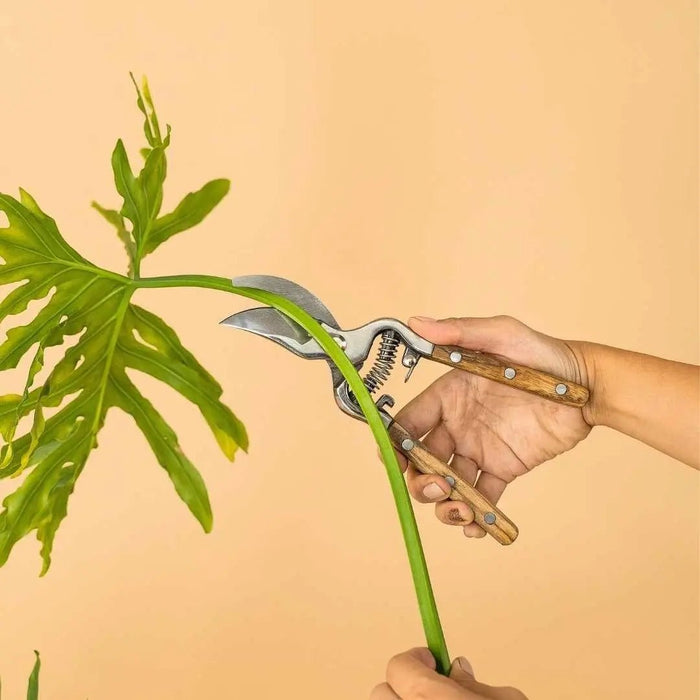
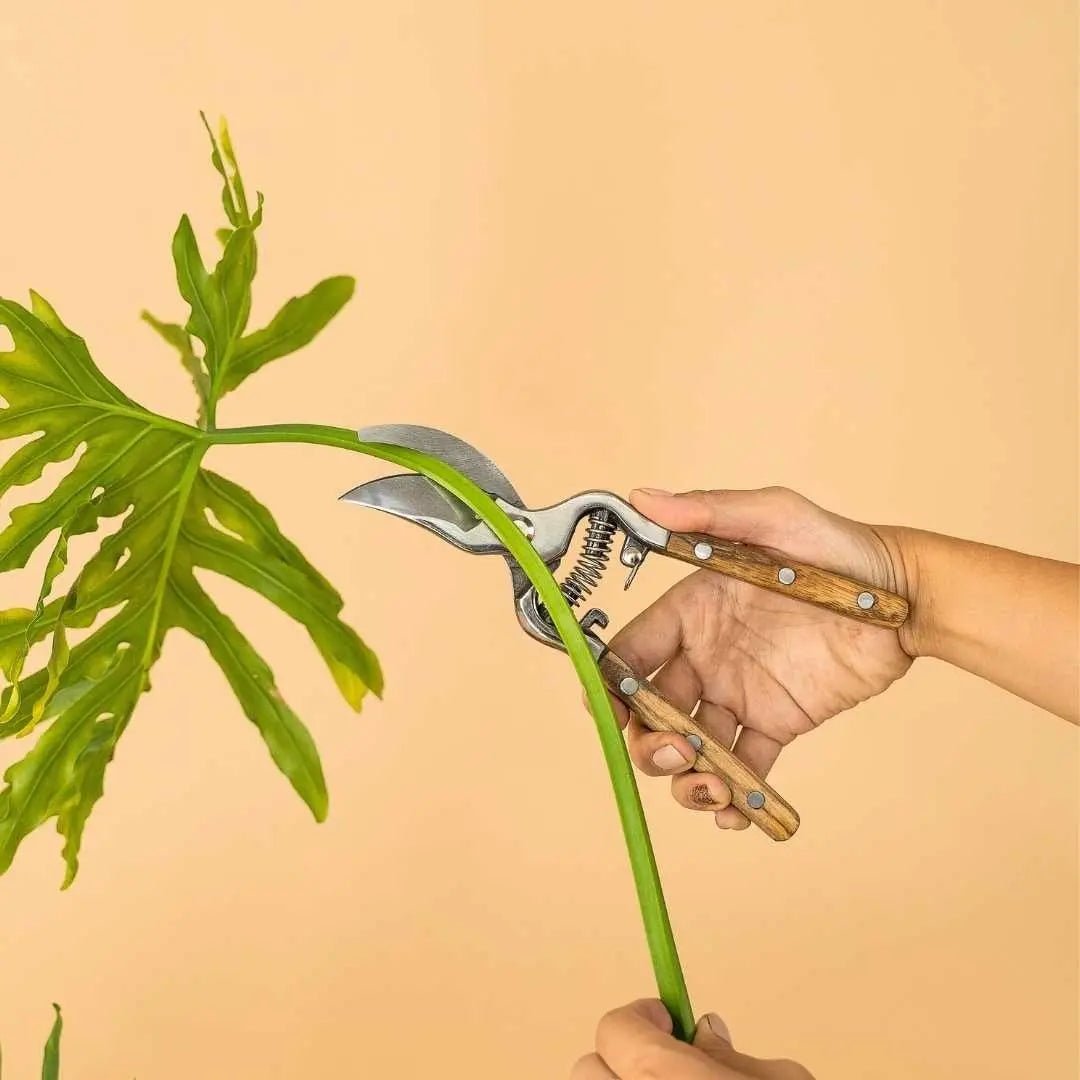
- Cut the flower spike after all blooms drop:
- Option A: Cut just above the second or third node from the base — the spike may branch and rebloom from that node
- Option B: Cut the entire spike to the base — the plant directs energy to growing roots and leaves, producing a stronger new spike later
- Maintain consistent care — keep watering, fertilising, and providing bright light
- Provide a slight temperature drop — this is the trigger for Phalaenopsis reblooming. In Singapore, air conditioning provides this naturally. Orchids kept in rooms that cool down at night (below 25°C) are more likely to spike than those in constant warmth.
- Wait patiently — new spikes typically emerge 2-6 months after the previous bloom drops
- Watch for the spike — it emerges from between leaves, usually from the crown area. Initially looks similar to a root but grows upward with a pointed, mitten-like tip (roots are rounded).
For Dendrobium
- Reduce watering slightly after growth matures
- Ensure bright light
- New flower buds typically appear along mature canes
- Some Dendrobium types need a brief dry rest period to trigger blooming
Common Orchid Problems in Singapore
Root Rot
Cause: Overwatering, decomposed growing medium, or pots without adequate drainage.
Signs: Mushy, brown roots (healthy roots are firm and silver-green or white).
Fix: Unpot the orchid, trim all dead roots with sterilised scissors, let the remaining roots dry for a few hours, and repot in fresh bark. Water less frequently.
No Blooms
Cause: Usually insufficient light or consistent temperatures.
Fix: Move to a brighter spot. If your orchid has been in the same dim corner for months with healthy leaves but no spike, light is almost certainly the issue.
Yellow Leaves
Occasional lower leaf yellowing is natural — orchids shed old leaves. But:
- Multiple leaves yellowing rapidly = overwatering or root rot
- Yellow leaves with sunken spots = bacterial or fungal infection (isolate the plant)
- Yellow leaves only on one side = sunburn (rotate or move)
Wrinkled Leaves
Cause: Dehydration — either from underwatering or root rot (damaged roots cannot absorb water).
Fix: Check roots first. If roots are healthy but dry, water more frequently. If roots are rotten, trim and repot.
Mealybugs and Scale
Common orchid pests in Singapore. Check leaf axils, undersides, and along flower spikes.
Treatment: Wipe with rubbing alcohol on a cotton bud. For severe infestations, spray with neem oil or insecticidal soap weekly until clear.
Repotting Orchids

Repot every 1-2 years, or when:
- The bark has decomposed into mush
- Roots are growing far outside the pot
- The plant is unstable in its pot
- You see root rot
How to repot:
- Remove the orchid from its pot
- Gently shake off all old growing medium
- Trim dead or mushy roots (firm, plump roots are keepers)
- Place in a new pot slightly larger than the root mass
- Fill around roots with fresh bark chips
- Do not water for 5-7 days (let cut roots heal)
- Resume normal watering
Pot choice: Clear plastic pots are ideal — orchid roots photosynthesise and benefit from light. Place inside a decorative cache pot for aesthetics.
Where to Buy Orchids in Singapore
- Nurseries: Thomson Road nurseries have extensive orchid sections
- Orchid farms: Several farms near Mandai and Lim Chu Kang sell directly to the public
- Supermarkets: NTUC and Cold Storage stock basic Phalaenopsis — affordable and often healthy
- Online: Multiple Instagram and Shopee sellers specialise in orchids
Final Thoughts

Orchids are not difficult plants — they are just different. Once you understand that they need bark instead of soil, light instead of shade, and drying out between waterings, the care becomes intuitive. Singapore's climate does most of the hard work for you.
Start with a Phalaenopsis from the supermarket. Follow this guide. And when that first rebloom spike appears after months of patient care, you will understand why orchid growing becomes an obsession.
Explore orchids and orchid care supplies at Tumbleweed Plants. Visit our plant care blog for more Singapore-specific growing guides.
Quick summary
Key Takeaways
- Why Orchids Thrive in Singapore
- Understanding Orchid Types
- Orchid Care Basics
- Getting Your Orchid to Rebloom
- Common Orchid Problems in Singapore
- Repotting Orchids
Ready to bring some green into your home?
Browse 250+ hand-picked plants, curated for Singapore homes — delivered to your door.
Browse All Plants →