



















Bonsai Care for Beginners: How to Keep Your Bonsai Alive in Singapore
Posted on April 08 2026
In this article
- Choosing Your First Bonsai: Tropical vs Temperate Species
- Light Positioning: Finding the Sweet Spot in Singapore
- Watering Technique: The Skill That Makes or Breaks Your Bonsai
- Pruning Basics: Shaping Your Bonsai With Confidence
- Soil and Repotting: Giving Your Bonsai Room to Thrive
- Fertilizing Your Bonsai in Singapore
- Common Bonsai Problems in Singapore
- Getting Started: Your First 30 Days
# Bonsai Care for Beginners: How to Keep Your Bonsai Alive in Singapore | Tumbleweed Plants Singapore

Bonsai trees carry a quiet magic. A centuries-old art form distilled into a living sculpture that sits on your windowsill, bonsai growing rewards patience, observation, and a willingness to learn. But if you have ever brought home a beautiful miniature tree only to watch it slowly decline, you are not alone. Bonsai care in Singapore presents a unique set of challenges and advantages that most international care guides simply do not address. Our tropical climate, year-round warmth, and high humidity can be a blessing or a curse depending on the species you choose and how you care for it.
This guide is designed specifically for Singapore-based beginners. Whether you have just picked up your first bonsai from a nursery or are considering one as a new hobby, we will walk you through everything from choosing the right species to mastering the fundamentals of watering, light, pruning, and repotting -- all tailored to our local conditions.
Choosing Your First Bonsai: Tropical vs Temperate Species
The single most important decision in bonsai care is species selection, and this is where many Singapore beginners go wrong. Walk into any garden centre and you will find a mix of tropical and temperate bonsai species. Understanding the difference is critical.
Tropical Bonsai: Your Best Bet in Singapore
Tropical and subtropical species are naturally suited to Singapore's climate. They thrive in our consistent warmth (25-33 degrees Celsius year-round) and high humidity (typically 70-90%). These species do not require a winter dormancy period, which makes them far easier to maintain in our environment.
Popular tropical bonsai species for Singapore include Ficus (various varieties), Bougainvillea, Premna, Water Jasmine, and Juniper varieties adapted to warm climates. The Abundance Juniper Bonsai Tree is an excellent starting point for beginners -- Junipers are forgiving, visually striking, and respond well to Singapore's outdoor conditions.
Temperate Bonsai: Beautiful but Challenging
Temperate species like Japanese maples are among the most iconic bonsai trees in the world, and it is easy to see why enthusiasts are drawn to them. The Acer Palmatum Bonsai is a stunning example with its delicate leaf structure and graceful branching. However, temperate species require extra attention in Singapore.
These trees naturally expect a cool dormancy period in winter, which our climate simply does not provide. To keep temperate bonsai healthy in Singapore, you will need to place them in the coolest, most sheltered spot available -- typically a north-facing balcony or an air-conditioned room for part of the day. Some advanced hobbyists even rotate their trees into brief cold storage. The Acer Palmatum Maple Kokedama offers a unique presentation style that can work well indoors where temperatures are more controlled.
Beginner Recommendation
If this is your very first bonsai, start with a tropical species. Ficus and Juniper varieties are the most forgiving. Once you have built confidence with watering routines and basic pruning, you can graduate to the more demanding temperate species.
Light Positioning: Finding the Sweet Spot in Singapore

Light is the engine of your bonsai's health. Get it wrong and no amount of perfect watering or fertilizing will save the tree. In Singapore, we have abundant sunlight, but that does not mean more is always better.
Outdoor Placement
Most bonsai species prefer to live outdoors where they receive natural airflow, humidity, and light cycles. In Singapore, the key consideration is the intensity of our afternoon sun. Direct midday sun from roughly 11am to 3pm can scorch leaves and dry out soil rapidly, especially for smaller bonsai pots with limited soil volume.
The ideal outdoor position is a spot that receives direct morning sunlight (before 11am) and dappled or filtered light in the afternoon. East-facing balconies and HDB corridors are often excellent. If your only option is a west-facing balcony, use a shade cloth (30-50% shade rating) during the hottest hours.
Indoor Placement
If you must keep your bonsai indoors, place it within one metre of a bright window. South and east-facing windows work best in Singapore. Avoid placing bonsai deep inside rooms or in spots that receive no direct sunlight at all. Even shade-tolerant species like Ficus need at least four hours of bright indirect light daily.
A common Singapore-specific tip: if you use air conditioning heavily, keep your bonsai away from direct aircon vents. The dry, cold air can desiccate foliage and stress the tree.
Signs of Light Problems
If your bonsai is stretching toward the light with long, leggy growth and pale leaves, it needs more light. If leaves are browning or crisping at the edges (and watering is adequate), it may be getting too much direct sun.
Watering Technique: The Skill That Makes or Breaks Your Bonsai
Watering is the single most common cause of bonsai death, and it is more nuanced than you might expect. The challenge in Singapore is that our warm, humid environment creates conditions where both overwatering and underwatering can happen quickly depending on your setup.
The Golden Rule: Water When the Soil Needs It
Forget fixed schedules. Do not water every day or every two days by default. Instead, check the soil daily by pressing your finger about one centimetre into the surface. If it feels dry, water thoroughly. If it still feels moist, check again tomorrow.
In Singapore, outdoor bonsai in full sun may need watering once or even twice daily during hot, dry periods (especially February and March). Indoor bonsai in air-conditioned rooms may only need watering every two to three days. The frequency changes with the seasons and your specific microclimate.
How to Water Properly
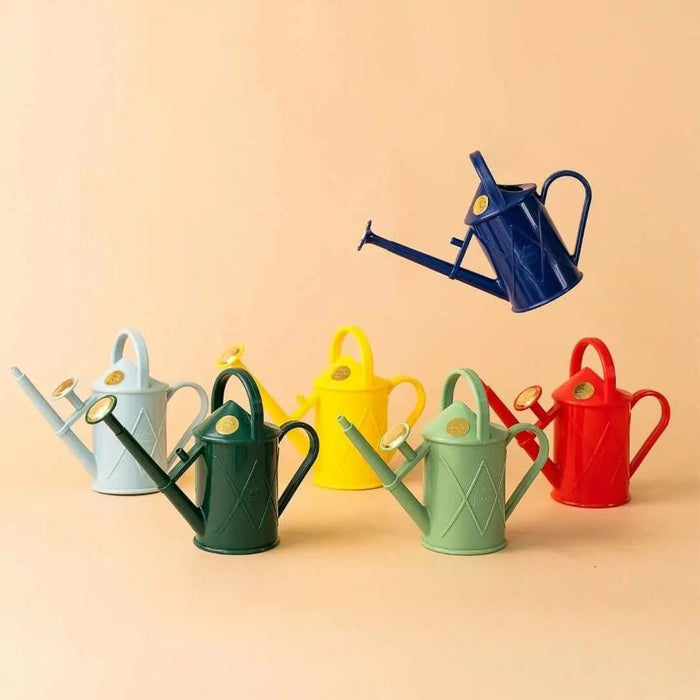
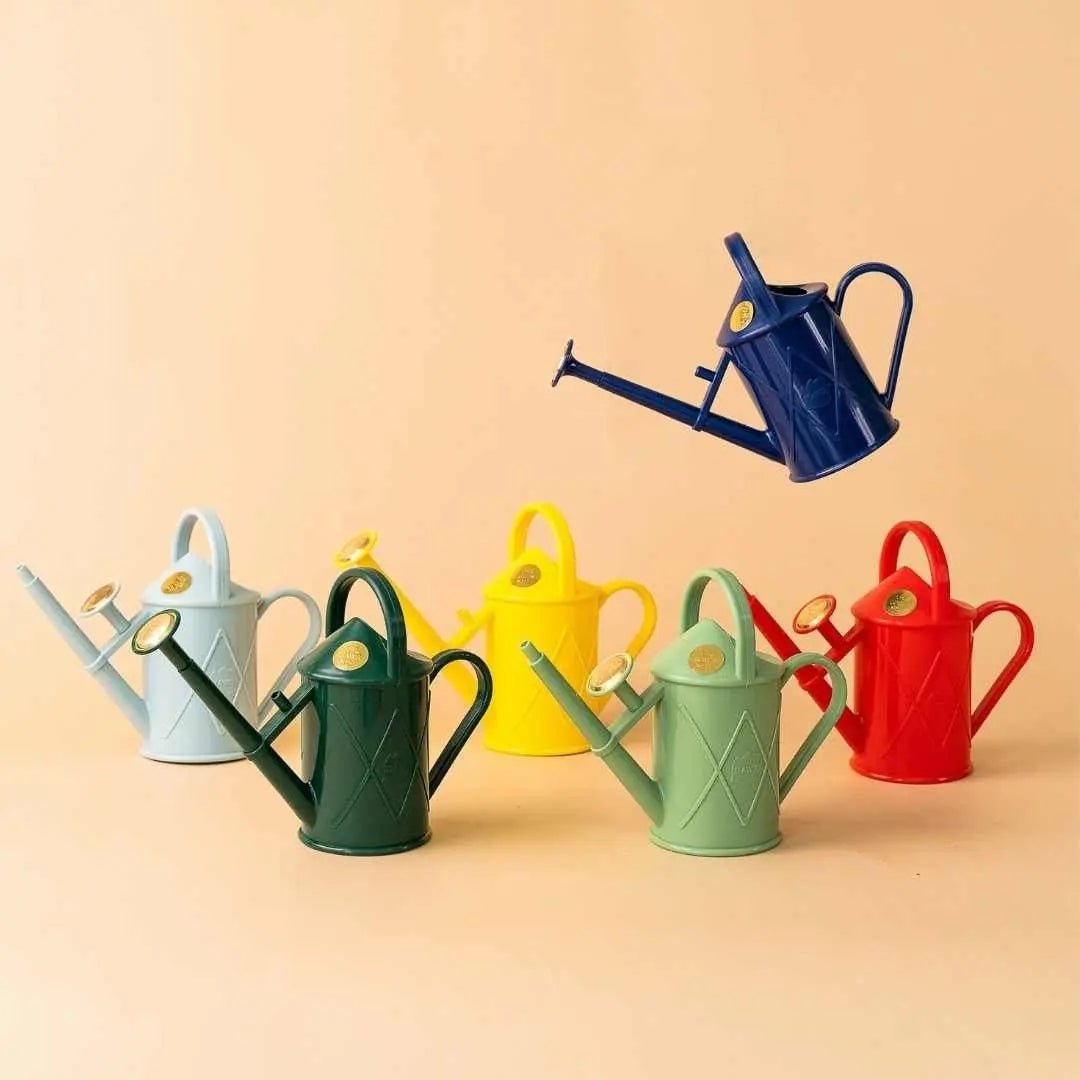
When you do water, water thoroughly. Use a gentle shower from a watering can with a fine nozzle, soaking the entire soil surface until water runs freely from the drainage holes at the bottom of the pot. This ensures the entire root system receives moisture, not just the top layer.
Avoid these common mistakes:
- Misting only: Spraying the foliage does not replace proper soil watering. Misting can supplement humidity but it does not hydrate roots.
- Light watering: A quick splash that only wets the surface encourages shallow root growth and leaves the core root ball dry.
- Waterlogged trays: If your bonsai sits on a humidity tray, ensure the pot is elevated above the water line. Sitting in standing water leads to root rot.
Singapore Rain Considerations
During monsoon season (November to January), outdoor bonsai may receive excessive rainfall. While most species handle rain well, prolonged waterlogging is dangerous. Ensure your bonsai pot has adequate drainage holes and that the soil mix is well-draining. During heavy multi-day rain, consider moving your bonsai under shelter temporarily.
Pruning Basics: Shaping Your Bonsai With Confidence

Pruning is where bonsai transforms from mere plant care into an art form. It can feel intimidating to cut into a living tree, but regular pruning is essential for both the health and aesthetics of your bonsai.
Maintenance Pruning
Maintenance pruning is the routine trimming you will do throughout the growing season to maintain your bonsai's shape. In Singapore, most tropical species grow year-round, so maintenance pruning is an ongoing task rather than a seasonal one.
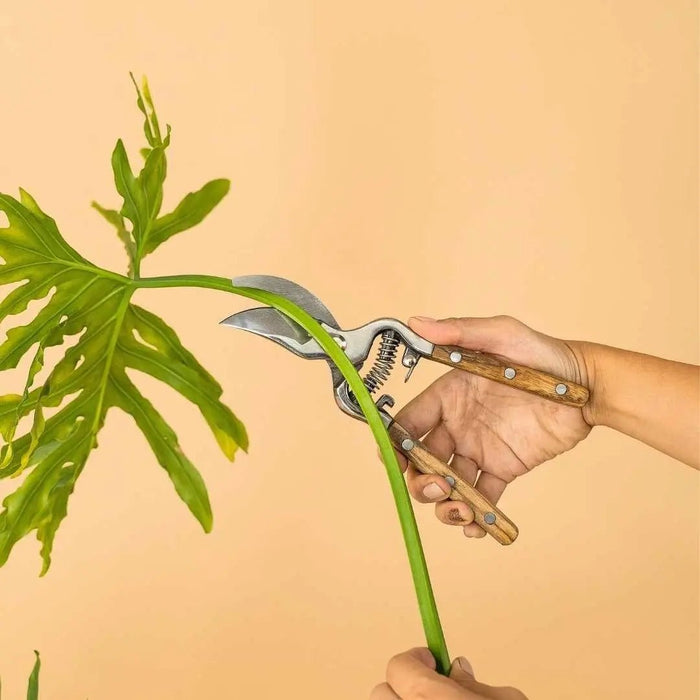
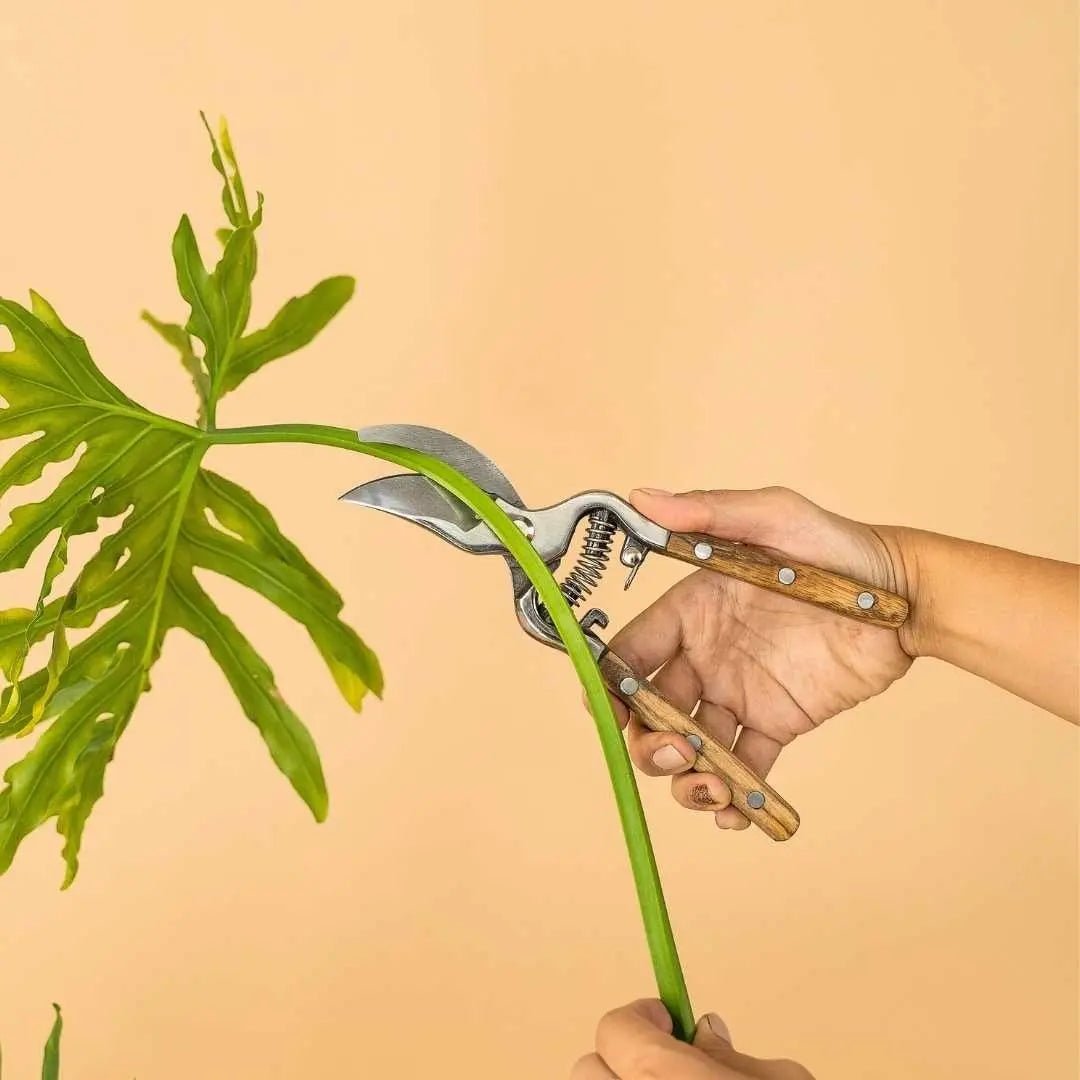
The basic technique is simple: once a shoot has extended to six or eight leaves, trim it back to two or three leaves. Use sharp, clean bonsai scissors or shears. Cut just above a leaf node (the point where a leaf meets the stem), angling slightly away from the node.
Focus on removing:
- Shoots growing straight up (these are vigorous but aesthetically disruptive)
- Shoots growing directly downward
- Branches that cross over other branches
- Dead or yellowing foliage
Structural Pruning
Structural pruning involves removing larger branches to define the overall shape and silhouette of your bonsai. This is more advanced and should be done sparingly, ideally no more than once or twice a year.
For tropical species in Singapore, the best time for structural pruning is during a period of active growth (which, for most species here, is nearly all year). The tree recovers faster when it is actively growing. For temperate species, structural pruning is best done in late winter or early spring, though in Singapore's climate these seasonal cues are less distinct.
Wound Care
For cuts larger than the diameter of a pencil, apply wound paste or cut paste to the exposed surface. This protects the wound from infection and helps the tree heal cleanly. In Singapore's humid conditions, open wounds are more susceptible to fungal issues, so wound care is especially important.
Soil and Repotting: Giving Your Bonsai Room to Thrive
Repotting is one of the less intuitive aspects of bonsai care, but it is essential. Over time, the soil in your bonsai pot breaks down, compacts, and loses its ability to drain properly. The root system also fills the pot, leaving less space for water and nutrients.
When to Repot
Most tropical bonsai in Singapore need repotting every one to two years. Temperate species may go two to three years between repots. Signs that repotting is overdue include:
- Water sitting on the soil surface and draining very slowly
- Roots visibly circling the inside of the pot or emerging from drainage holes
- Declining health despite proper watering and light
- Soil that has broken down into a fine, mudite consistency
Choosing the Right Soil Mix
Standard potting soil is too dense and water-retentive for bonsai. In Singapore's humid climate, you need a soil mix that drains exceptionally well while still retaining enough moisture to keep roots hydrated between waterings.
A good Singapore bonsai soil mix typically includes:
- Akadama (a Japanese clay granule that retains moisture while allowing airflow)
- Pumice or perlite (for drainage and aeration)
- Lava rock (for structure and drainage)
A common beginner ratio is 1:1:1 of these three components. For species that prefer more moisture (like Ficus), you can increase the akadama proportion. For species that need drier conditions, increase the pumice.
The Repotting Process
- Gently remove the tree from its pot.
- Comb out the root ball with a root rake or chopstick, working from the outside in.
- Trim the roots, removing roughly one-third of the root mass. Focus on cutting thick, downward-growing roots and any dead or rotting roots.
- Place fresh soil in the bottom of the pot, position the tree, and fill around the roots with soil mix.
- Water thoroughly until water runs clear from the drainage holes.
- Place the repotted tree in a shaded, sheltered spot for two to three weeks while it recovers.
In Singapore, avoid repotting during the hottest part of the year if possible. Early morning repotting is ideal so the tree has time to settle before the afternoon heat.
Fertilizing Your Bonsai in Singapore
Because bonsai grow in very small pots with limited soil, they deplete nutrients quickly. Regular fertilizing is essential to maintain vigorous, healthy growth.
Fertilizer Basics
Use a balanced liquid fertilizer (equal N-P-K ratio, such as 10-10-10) diluted to half strength. Apply every two weeks during active growth. In Singapore, tropical species grow year-round, so you will fertilize more consistently than growers in seasonal climates.
Reduce fertilizing for four to six weeks after repotting to avoid burning newly trimmed roots. Also reduce feeding if the tree is stressed or recovering from heavy pruning.
Organic vs Synthetic
Organic fertilizers (like fish emulsion or seaweed extract) release nutrients slowly and are harder to over-apply. They are a safer choice for beginners. Synthetic fertilizers work faster but carry a higher risk of root burn if over-applied.
Common Bonsai Problems in Singapore
Fungal Issues
Singapore's humidity is a breeding ground for fungal problems. White powdery mildew, black spot, and root rot are all common. Ensure good airflow around your bonsai, avoid wetting foliage in the evening, and treat any fungal signs early with an appropriate fungicide.
Pests
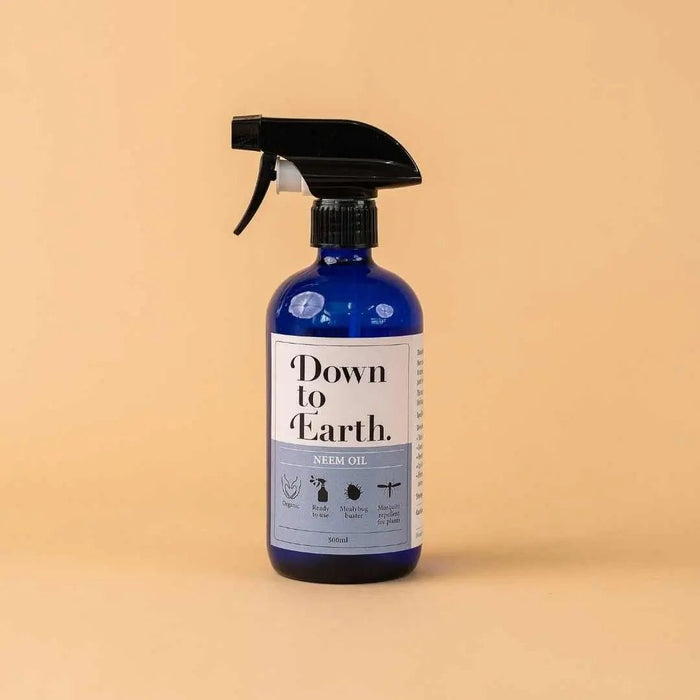
Aphids, scale insects, spider mites, and mealybugs all thrive in Singapore. Inspect your bonsai weekly, paying close attention to the undersides of leaves and branch junctions. Neem oil spray is an effective organic treatment for most common pests.
Heat Stress
During particularly hot spells, your bonsai may show wilting, leaf curl, or brown leaf edges. Move affected trees to a shadier position, increase watering frequency, and mist foliage in the early morning.
Getting Started: Your First 30 Days
Here is a simple roadmap for your first month with a new bonsai in Singapore:
Week 1: Place your bonsai in its permanent position. Do not prune, repot, or fertilize. Simply observe and establish a watering routine. Check the soil daily.
Week 2: Continue your watering routine. Begin inspecting for pests. Research your specific species to understand its particular needs.
Week 3: If the tree is settled and showing no signs of stress, you can begin light maintenance pruning. Start with just a few cuts to build confidence.
Week 4: Introduce a half-strength liquid fertilizer if you have not repotted. Evaluate your light positioning -- is the tree growing evenly, or leaning toward the light?
Bonsai is a long game. The most important thing you can do in the early days is observe your tree closely and respond to what it tells you. Every yellowing leaf, every burst of new growth, every shift in soil moisture is information. Learn to read your tree, and the rest will follow.
Whether you start with a resilient Abundance Juniper Bonsai Tree or take on the elegant challenge of an Acer Palmatum Bonsai, the bonsai journey is one of the most rewarding paths a Singapore plant parent can take. Start small, stay consistent, and enjoy the process.
Quick summary
Key Takeaways
- Choosing Your First Bonsai: Tropical vs Temperate Species
- Light Positioning: Finding the Sweet Spot in Singapore
- Watering Technique: The Skill That Makes or Breaks Your Bonsai
- Pruning Basics: Shaping Your Bonsai With Confidence
- Soil and Repotting: Giving Your Bonsai Room to Thrive
- Fertilizing Your Bonsai in Singapore
Ready to bring some green into your home?
Browse 250+ hand-picked plants, curated for Singapore homes — delivered to your door.
Browse All Plants →