














Japanese Maple Bonsai Care Singapore: Growing Acer Palmatum in the Tropics
Posted on April 09 2026
In this article
# Japanese Maple Bonsai Care Singapore: Growing Acer Palmatum in the Tropics | Tumbleweed Plants Singapore

The Japanese Maple — Acer palmatum — is one of the most prized bonsai species in the world. Its delicate, deeply lobed leaves, elegant branching structure, and seasonal colour changes make it the quintessential bonsai tree. But here is the challenge: the Japanese Maple is a temperate species, naturally found in the cool mountains of Japan, Korea, and China. Growing one in tropical Singapore is not impossible, but it does require understanding and managing the plant's specific needs.
If you have brought home an Acer Palmatum Maple Bonsai or an Acer Palmatum Maple Kokedama, this guide will help you keep it thriving in our tropical climate.
The Tropical Challenge
Let us be honest: growing a Japanese Maple in Singapore goes against the plant's natural preferences. In Japan, these trees experience cool winters (sometimes below freezing), distinct seasons, and moderate summer temperatures. Singapore offers none of this. Our year-round heat and humidity create several challenges:
- No dormancy period: Japanese Maples naturally lose their leaves and rest during winter. In Singapore, they may struggle without this rest period.
- Constant heat: Temperatures above 30°C stress the plant, and Singapore regularly exceeds this.
- Intense sun: While they enjoy sun in temperate climates, Singapore's tropical sun intensity can scorch leaves.
Despite these challenges, many Singapore bonsai enthusiasts successfully maintain Japanese Maples by replicating key conditions the tree needs.
Light and Placement

The Sweet Spot
- Morning sun, afternoon shade: East-facing locations that receive 3-4 hours of gentle morning sun are ideal.
- Filtered light: Behind a sheer curtain or under the partial shade of larger plants or an overhead structure.
- Bright shade: A sheltered spot that gets plenty of ambient light without direct afternoon sun.
Avoid
- Full afternoon sun: The intense western sun in Singapore will scorch and crisp the delicate leaves within days.
- Complete darkness: Japanese Maples still need good light to produce healthy foliage.
- Exposed balconies: Wind and direct sun combine to dehydrate leaves rapidly.
Indoor vs Outdoor
Japanese Maples prefer to be outdoors where they get natural air circulation, but in Singapore, a sheltered indoor position near a bright window (not direct sun) can work well. Air conditioning can actually help by reducing ambient temperature, though you will need to manage humidity.
Watering
Japanese Maples are sensitive to both overwatering and underwatering, making consistent moisture management critical.
Schedule
- Check twice daily: In Singapore's heat, the soil can dry out surprisingly fast
- Morning watering: Water in the early morning before the heat of the day
- Evening check: On especially hot days, check soil moisture again in the evening
- Rainy season: Reduce frequency but ensure good drainage so the roots do not sit in waterlogged soil
Technique
- Water the soil surface evenly until water flows from the drainage holes
- For kokedama: Soak the moss ball in water for 10-15 minutes, then let it drain thoroughly
- Use room temperature water — cold water shocks the roots
- If you have hard tap water, consider using filtered or rainwater
Soil Moisture
The soil should feel consistently moist but never soggy. Think of a wrung-out sponge — damp throughout but not dripping. In Singapore's heat, this balance requires more frequent watering than in temperate climates.
Soil and Potting

Bonsai Soil Mix
Japanese Maples prefer a well-draining yet moisture-retentive soil:
- 40% akadama (a Japanese clay substrate that retains moisture)
- 30% pumice (drainage)
- 30% lava rock (aeration)
If akadama is unavailable, a mix of quality potting soil, perlite, and fine bark can substitute. The key is excellent drainage — water should flow through the soil freely, never pooling on the surface.
For Kokedama
The Acer Palmatum Maple Kokedama is wrapped in a moss ball that retains moisture naturally. Monitor the moss ball weight — when it feels noticeably lighter, it is time to soak.
Repotting
- Frequency: Every 2-3 years for young trees, every 3-5 years for mature specimens
- Best time: When new buds begin to swell (look for signs of new growth)
- Root pruning: Trim back approximately one-third of the root mass during repotting to maintain the bonsai's compact size
Temperature Management
This is the most challenging aspect of Japanese Maple care in Singapore.
Cooling Strategies
- Air conditioning: Placing your bonsai in an air-conditioned room (22-26°C) for part of the day can help, especially during Singapore's hottest months
- Evaporative cooling: Misting the leaves and surrounding area creates a slight cooling effect
- Elevation: Higher floors in HDB blocks and condos tend to be cooler with better air circulation
- Night placement: Move outdoor trees to a cooler, sheltered spot at night
Simulating Dormancy
Some enthusiasts attempt to simulate a dormancy period by:
- Reducing watering slightly for 2-4 weeks during the coolest months (December-January)
- Placing the tree in a cooler, dimmer location
- Withholding fertiliser during this period
This is not a true dormancy, but it can give the tree a brief rest period that supports long-term health.
Leaf Management

Leaf Size Reduction
Bonsai aesthetics favour small leaves. Techniques for reducing leaf size:
- Partial defoliation: In early growth season, remove some larger leaves to encourage smaller replacement growth
- Pruning: Regular pinching of new shoots keeps growth compact
- Light management: Adequate (but not excessive) light produces smaller, more colourful leaves
Leaf Scorch
Brown, crispy leaf edges are common in Singapore and usually indicate:
- Too much direct sun
- Insufficient watering
- Low humidity (common in air-conditioned rooms)
- Root problems
Address by adjusting placement, watering consistency, and misting in dry environments.
Fertilising
- Type: Balanced organic fertiliser (like fish emulsion or organic pellets) at half strength
- Frequency: Every 2-3 weeks during active growth
- Reduce: During the hottest months and any simulated rest period
- Avoid: Strong chemical fertilisers that can burn the delicate root system
Pruning and Shaping
Structural Pruning
Major branch removal or shaping should be done during the cooler months or when the tree is showing strong growth. Seal large cuts with wound paste to prevent infection in Singapore's humid environment.
Maintenance Pruning
- Pinch new shoots back to 2-3 leaf pairs once they have extended
- Remove any branches growing straight up or straight down
- Thin out dense areas to allow air circulation — important for preventing fungal issues in Singapore humidity
Wiring
Wire can be applied to shape branches, but check regularly. In Singapore's warm climate, branches thicken faster than in temperate zones, and wire can cut into the bark quickly.
Common Problems in Singapore
Leaf Burn
The most common issue. Prevent by:
- Avoiding afternoon sun
- Maintaining consistent moisture
- Misting in dry conditions
Fungal Issues
Singapore's humidity creates ideal conditions for fungal problems:
- Powdery mildew: White powdery coating on leaves. Treat with fungicide and improve air circulation.
- Root rot: From overwatering in poorly draining soil. Ensure excellent drainage.
Pest Issues
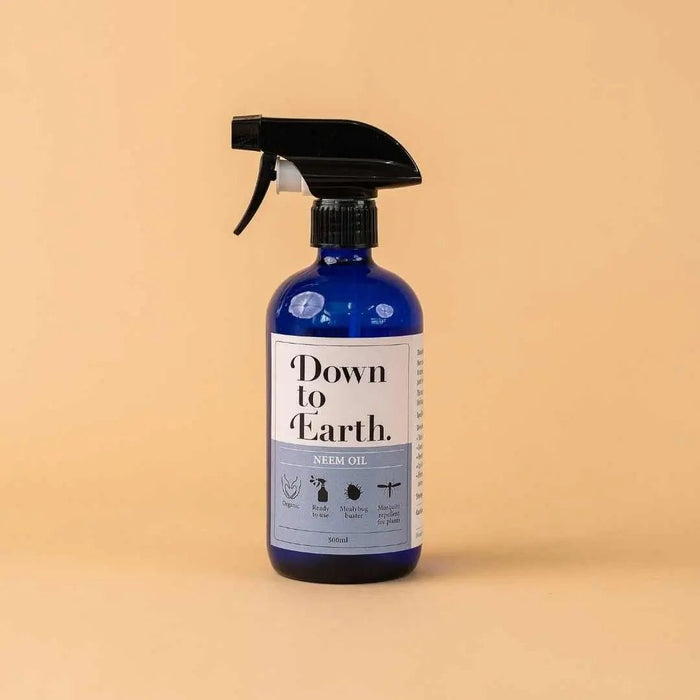
- Aphids: Common on new growth. Spray off with water or treat with neem oil.
- Scale: Brown bumps on stems. Remove manually or treat with horticultural oil.
Is a Japanese Maple Bonsai Right for You?
Growing Acer palmatum in Singapore is a rewarding challenge, but it is important to set expectations:
Choose this tree if: You enjoy the challenge, have a suitable cool and bright location, and are willing to provide daily attention.
Consider alternatives if: You want a low-maintenance bonsai. The Abundance Juniper Bonsai Tree is better suited to Singapore's climate and requires less specialised care.
Browse our Japanese Maple collection including the Acer Palmatum Bonsai and Kokedama at Tumbleweed Plants, with delivery across Singapore.
Quick summary
Key Takeaways
- The Tropical Challenge
- Light and Placement
- Watering
- Soil and Potting
- Temperature Management
- Leaf Management
Ready to bring some green into your home?
Browse 250+ hand-picked plants, curated for Singapore homes — delivered to your door.
Browse All Plants →