



















Bonsai Care for Beginners in Singapore: A Complete Guide
Posted on April 16 2026
In this article
Getting Started with Bonsai in Singapore
Bonsai — the ancient art of growing miniature trees — is more accessible than you might think, especially in Singapore. Our tropical climate actually makes certain bonsai species easier to grow year-round, since you'll never need to worry about winter dormancy or frost protection.

Whether you've received your first bonsai as a gift or you're curious about starting this rewarding hobby, this guide covers everything a Singapore beginner needs to know.
Best Bonsai Species for Singapore Beginners

Not all bonsai species thrive in Singapore's tropical climate. Here are the best choices for local beginners:
Ficus (Fig) Bonsai
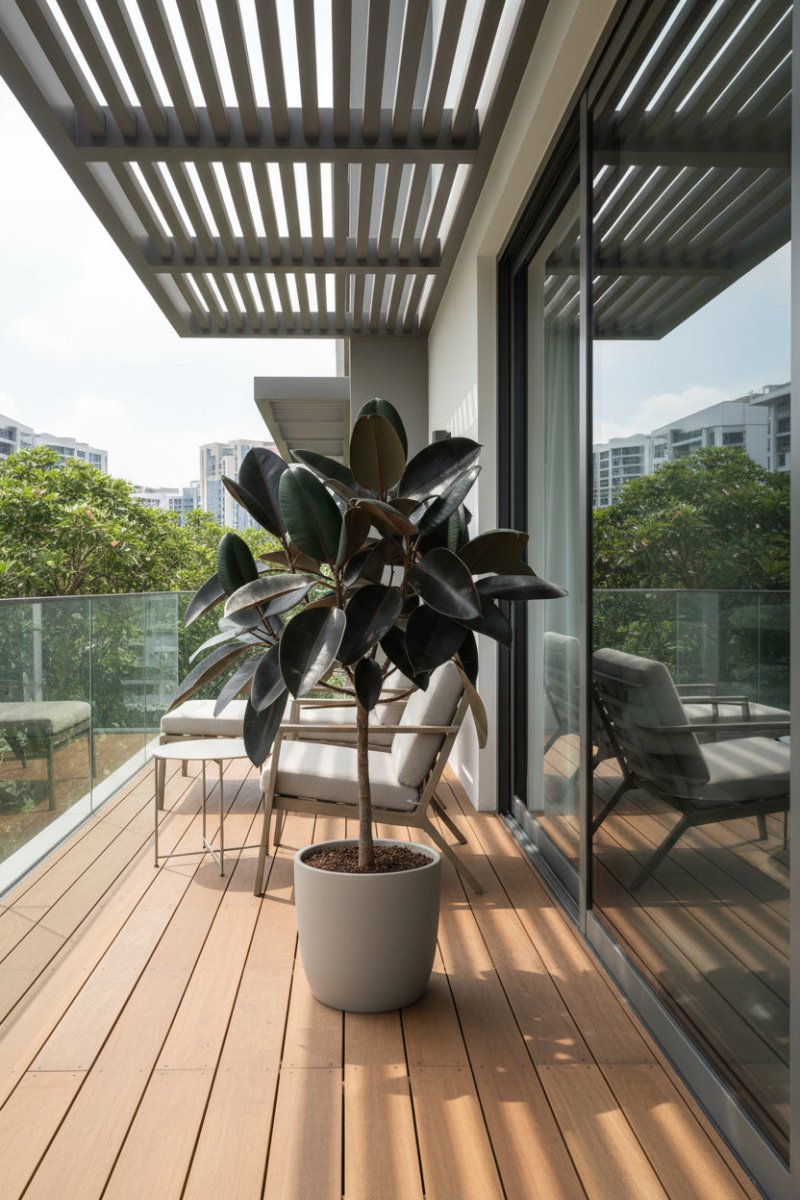
The number one beginner bonsai for Singapore. Ficus species are forgiving, fast-growing, and develop beautiful aerial roots in our humidity. Popular varieties include Ficus microcarpa (Chinese banyan), Ficus benjamina, and Ficus retusa.
- Light: Bright indirect to full sun
- Water: When top layer dries
- Why it's great: Tolerates pruning mistakes, grows quickly, impressive aerial roots
Juniper Bonsai
The classic bonsai image most people picture. While junipers prefer cooler climates, the Juniperus chinensis (Chinese juniper) adapts reasonably well to Singapore if given good air circulation and morning sun.
- Light: Full morning sun, afternoon shade
- Water: Keep soil evenly moist
- Why it's great: Classic bonsai aesthetic, good for learning wiring
Bougainvillea Bonsai
A tropical species that thrives in Singapore heat and produces vibrant purple, pink, or orange flowers. Bougainvillea bonsai are relatively low-maintenance and reward you with spectacular colour.
- Light: Full sun (at least 6 hours)
- Water: Allow to dry between waterings
- Why it's great: Beautiful flowers, fast growth, very tropical
Premna (Murraya) Bonsai
Native to Southeast Asia, premna species are naturally suited to our climate. They develop thick, characterful trunks quickly and produce fragrant white flowers.
Adenium (Desert Rose) Bonsai
Technically a succulent, adenium develops a dramatic swollen trunk (caudex) and produces stunning flowers. It loves Singapore's heat and requires minimal care once established.
Essential Bonsai Care: Watering
Watering is the single most important — and most commonly misunderstood — aspect of bonsai care.
The Right Way to Water Bonsai in Singapore
- Check daily: In Singapore's heat, bonsai in small pots can dry out within a day. Check soil moisture every morning.
- The chopstick test: Insert a wooden chopstick into the soil. If it comes out dry, it's time to water.
- Water thoroughly: Water until it flows freely from the drainage holes. This ensures the entire root ball is saturated.
- Don't schedule: Water based on soil dryness, not a calendar. Rain, sun exposure, and pot size all affect watering frequency.
Singapore-Specific Watering Tips
- Monsoon season: If your bonsai is outdoors, tilt the pot slightly during heavy rain to prevent waterlogging
- Hot afternoons: Avoid watering during peak afternoon heat — water evaporates before roots absorb it
- AC rooms: Indoor bonsai near air conditioning may need more frequent watering due to lower humidity
- Water quality: Singapore tap water is fine for bonsai. Let it sit for 24 hours if you want to off-gas chlorine.
Light & Placement
Where you place your bonsai matters enormously:
Outdoor Bonsai
Most bonsai species prefer outdoors where they get natural light and air circulation. In Singapore HDB flats:
- Place on a balcony with morning sun (east-facing is ideal)
- Protect from intense afternoon sun with a shade cloth (30-50%)
- Ensure good air circulation to prevent fungal issues
- Elevate pots on a bonsai bench or shelf for better drainage and display
Indoor Bonsai
Only certain species (primarily ficus) truly thrive indoors in Singapore:
- Place near the brightest window available
- Supplement with a grow light if your space is dim
- Rotate the tree quarterly for even growth
- Provide humidity with a pebble tray if using AC regularly
Pruning & Shaping
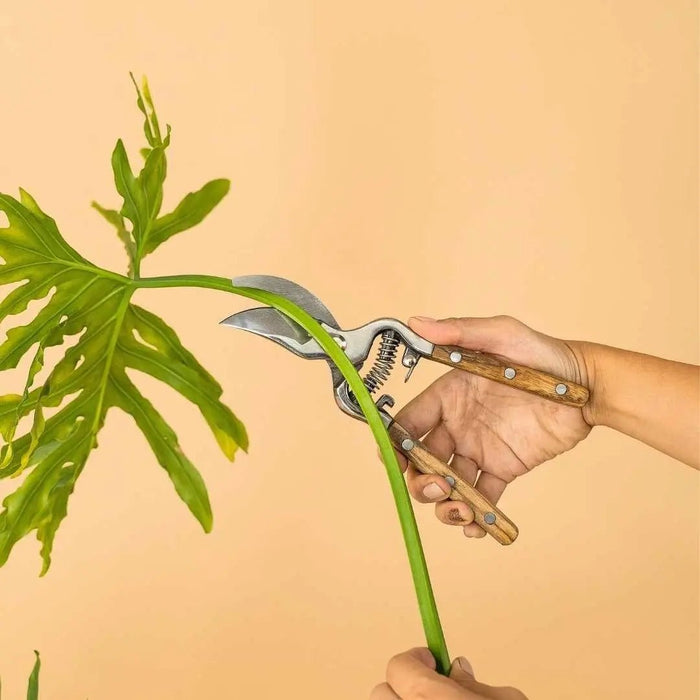
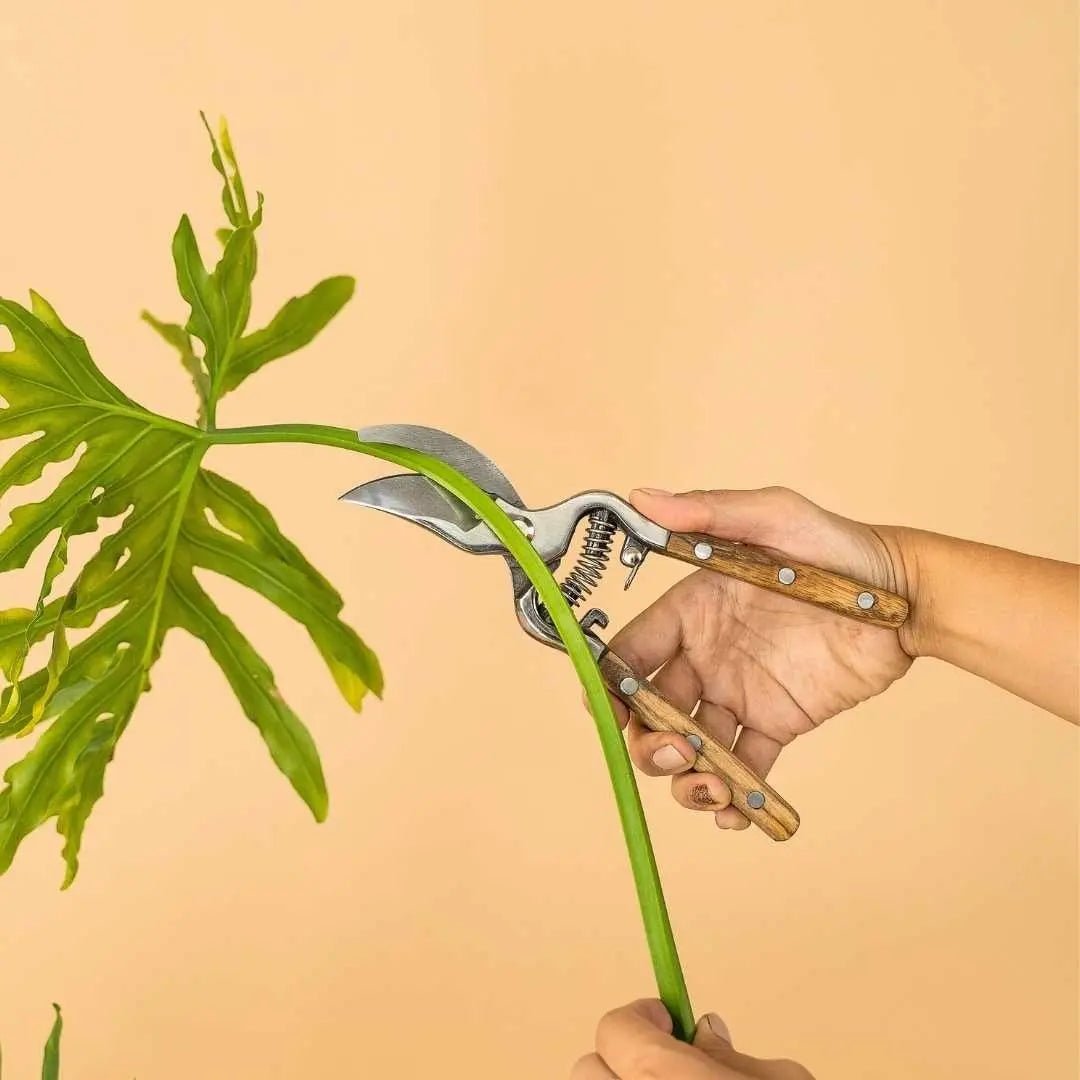
Pruning is how you maintain your bonsai's miniature form and develop its aesthetic:
Maintenance Pruning
Regular trimming to maintain shape:
- Trim new shoots back to 2-3 leaves once they've grown 6-8 leaves
- Remove any dead, yellow, or crossing branches
- Prune for light — ensure inner branches get sunlight
- In Singapore, you can prune year-round since growth doesn't stop
Structural Pruning
Larger cuts to define the tree's overall shape:
- Best done during active growth (which is year-round in Singapore)
- Seal large cuts with cut paste to prevent infection in our humid climate
- Never remove more than 30% of the foliage at once
Wiring
Wiring lets you bend and position branches:
- Use anodised aluminium wire (easier for beginners)
- Wire at 45-degree angles along the branch
- Check wired branches monthly — tropical trees grow fast and wire can cut into bark quickly
- Remove wire by cutting it off, never unwinding
Repotting

- Frequency: Young trees every 1-2 years; mature trees every 3-5 years
- When: Any time in Singapore (there's no dormant season), but early morning on a cloudy day is ideal
- Soil: Use a bonsai-specific mix with good drainage — akadama, pumice, and lava rock in a 1:1:1 ratio
- Root pruning: Trim up to 30% of the roots when repotting
- After-care: Keep in shade for 2 weeks after repotting. Water carefully.
Fertilising in Singapore
Tropical bonsai grow year-round, so they need consistent feeding:
- Use a balanced fertiliser (NPK 10-10-10) during active growth
- Feed every 2 weeks during growing periods
- Reduce to monthly during our slightly cooler months (December-January)
- Organic options (fish emulsion, seaweed extract) work well in Singapore's heat
- Never fertilise a dry tree — water first, then feed
Common Beginner Mistakes

- Keeping bonsai indoors full-time: Most species need outdoor time. Only ficus truly adapts to indoor life.
- Overwatering or underwatering: Check soil daily; don't water on a schedule.
- Using regular potting soil: Bonsai need fast-draining, granular soil mixes.
- Pruning too aggressively: Take less than you think. You can always trim more later.
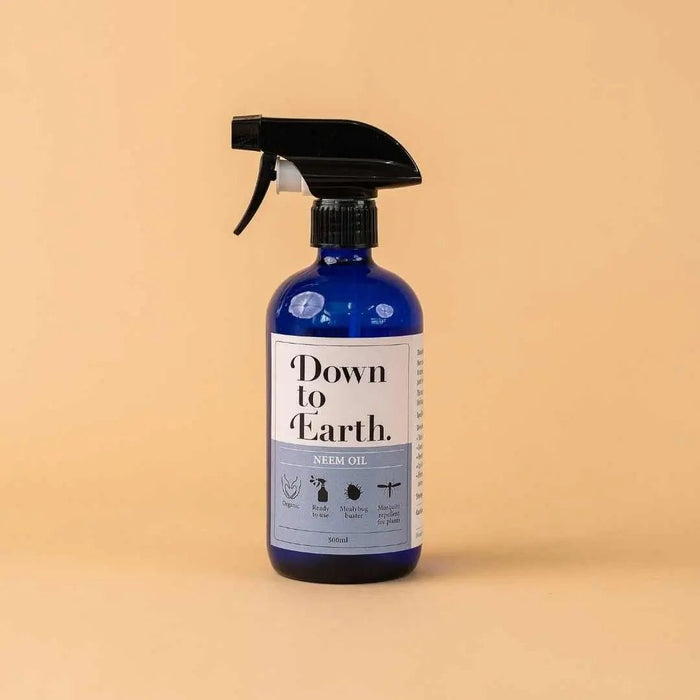
- Ignoring pests: Check leaves regularly for scale, mealybugs, and spider mites. Treat early with neem oil.
Frequently Asked Questions
How much does a bonsai tree cost in Singapore?
Beginner bonsai start from $30-80 SGD. More developed specimens with character range from $100-500. Mature exhibition-quality bonsai can cost thousands. Starting with an affordable tree lets you learn without pressure.
Can I grow bonsai in a Singapore HDB flat?
Yes! A balcony with morning sun is ideal for most species. For fully indoor growing, choose a ficus bonsai and place it near your brightest window. Many Singapore bonsai enthusiasts grow impressive collections on HDB balconies.
How long does it take to grow a bonsai?
A purchased bonsai is already shaped and trained — you're maintaining its form. Growing a bonsai from scratch (seed or cutting) takes 5-10+ years to develop character. Most beginners start with a pre-shaped tree.
Is bonsai cruel to the tree?
No. Bonsai trees are not starved or stunted — they're carefully pruned and maintained, much like garden hedges. Well-cared-for bonsai can live longer than their full-sized counterparts, sometimes for centuries.
Where can I learn bonsai in Singapore?
Join the Singapore Bonsai Society or attend workshops at local nurseries. Online communities and YouTube channels also offer excellent tutorials for tropical bonsai care.
Ready to start your bonsai journey? Shop our bonsai collection with delivery across Singapore.
Quick summary
Key Takeaways
- Getting Started with Bonsai in Singapore
- Best Bonsai Species for Singapore Beginners
- Essential Bonsai Care: Watering
- Light & Placement
- Pruning & Shaping
- Repotting
Ready to bring some green into your home?
Browse 250+ hand-picked plants, curated for Singapore homes — delivered to your door.
Browse All Plants →