















Rubber Plant Care: How to Grow a Ficus elastica Into a Statement Tree
Posted on April 16 2026
In this article
Target keyword: `rubber plant care` / `ficus elastica care`

Est. monthly searches: 20,000–28,000
Pillar: B (Care/Educational)
CTA: Shop our rubber plants — available in burgundy, green, and variegated varieties
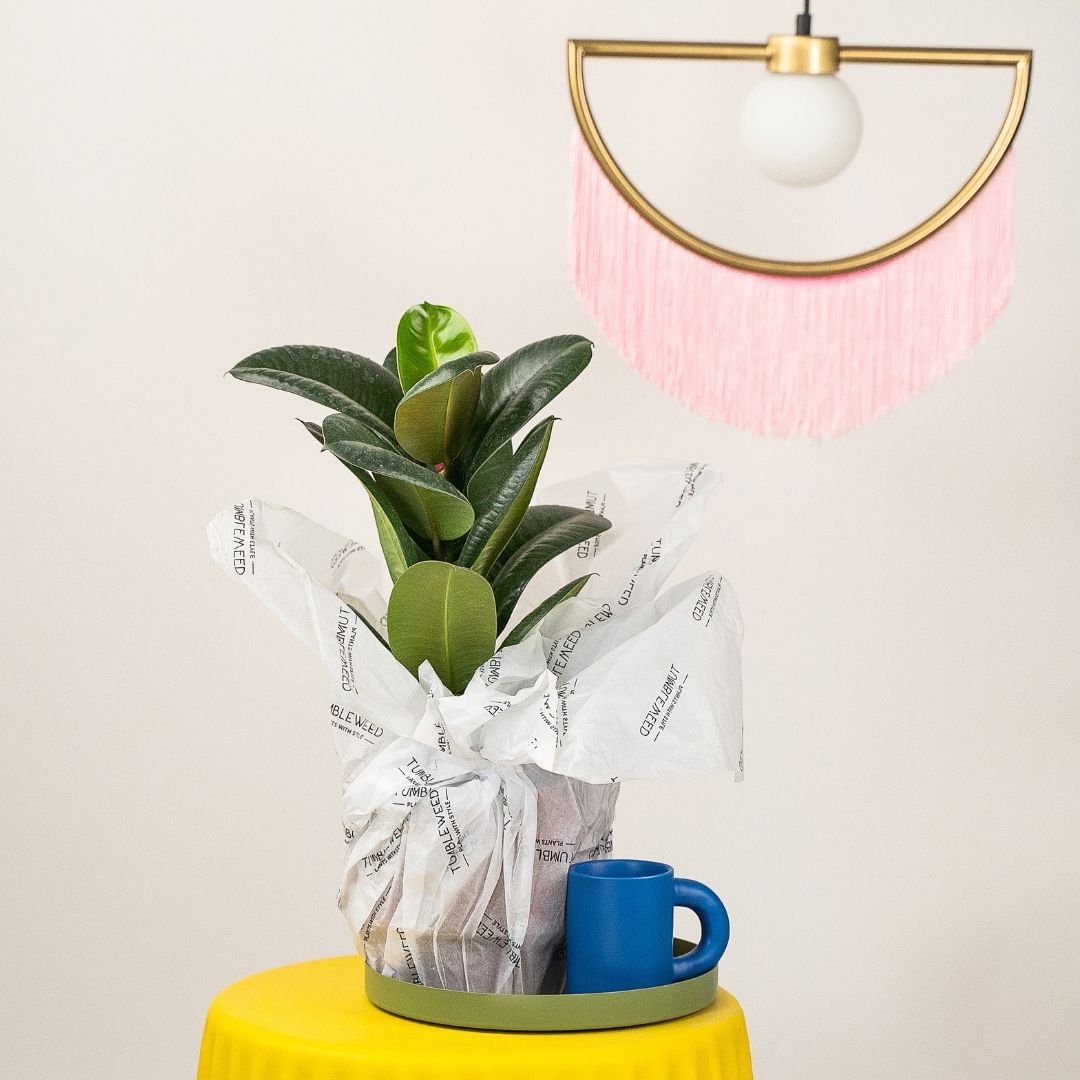
Thumbnail image spec: 1200x628px | Alt: "Rubber plant Ficus elastica Burgundy in a terracotta pot in a bright Singapore HDB home" | Source: Original product photography or Unsplash (search: ficus elastica burgundy indoor)
---
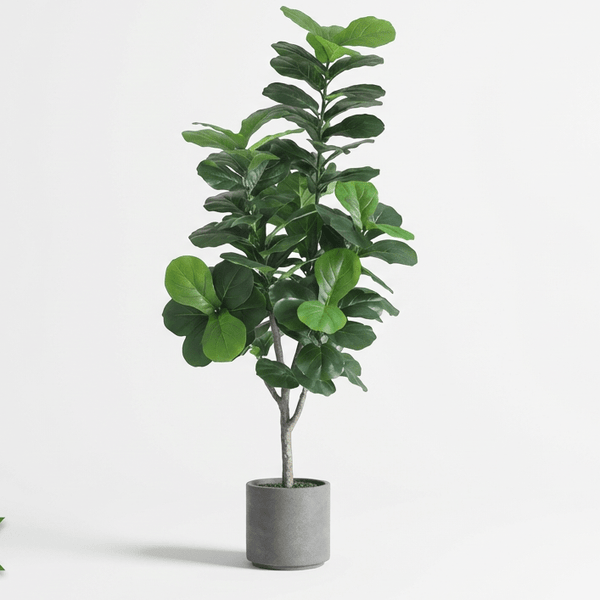
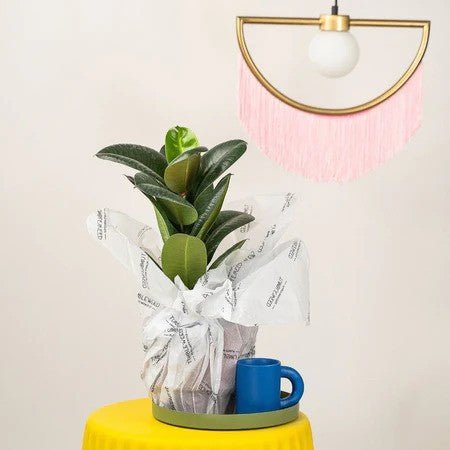
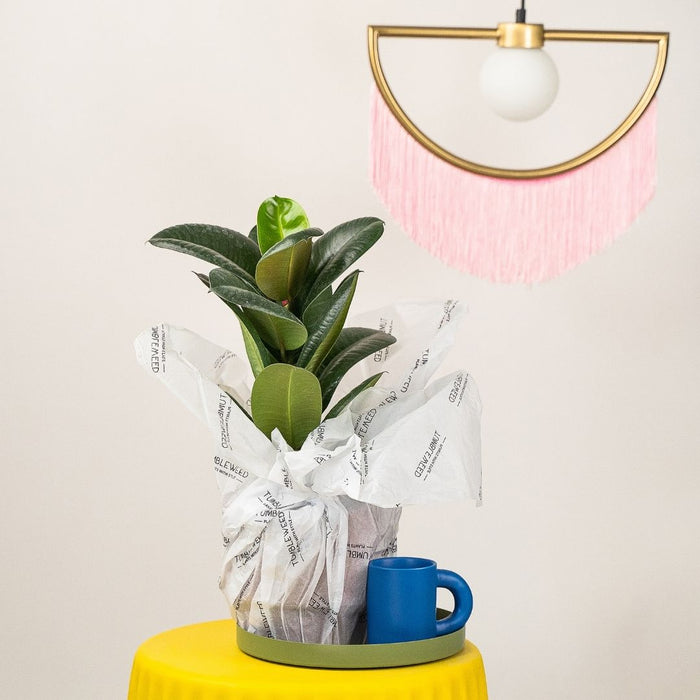
A rubber plant (Ficus elastica Burgundy) growing as a floor statement plant in a Singapore home — one of the most dramatic and rewarding large houseplants.
The rubber plant (Ficus elastica) is one of the most architectural houseplants you can own. With its large, glossy leaves and tree-like growth habit, a well-cared-for rubber plant can grow from a tabletop 4" pot to a ceiling-brushing specimen in just a few years — all in your living room.
If you've been intimidated by large indoor plants, the rubber plant is the perfect starting point. It's more forgiving than a fiddle leaf fig, grows faster than most large foliage plants, and has a striking appearance that earns it a spot as a focal point in any room. In Singapore's warm, year-round tropical climate, rubber plants can grow remarkably fast and thrive with minimal fuss.
---
Rubber Plant Varieties: Which One Is Right for You?
There are several popular rubber plant varieties, each with distinct leaf color and personality:
Ficus elastica 'Burgundy' — The most popular variety. Deep burgundy-red to nearly black leaves with a high-gloss surface. Bold and dramatic. New growth emerges from a bright red sheath that unfurls as the leaf expands.
Ficus elastica 'Robusta' — Classic dark green with lighter green undersides. Slightly more vigorous than Burgundy. Great for beginners.
Ficus elastica 'Tineke' — Cream, green, and pink variegation on each leaf. Needs more light than solid-colored varieties to maintain the variegation. Stunning but slightly more demanding.
Ficus elastica 'Ruby' — Pink, cream, and dark green variegation with a pinkish overall hue. Requires bright indirect light to keep the colors vibrant.
For beginners: Burgundy or Robusta. For bright-light rooms: Tineke or Ruby.
Alt: Three rubber plant leaf varieties side by side — Burgundy (dark red), Robusta (deep green), and Tineke (cream and green variegated) | Source: Original product photography
---
Rubber Plants in Singapore: Year-Round Growing Conditions

Singapore's tropical climate is excellent for rubber plants. Here's what that means in practice:
- Year-round active growth: No winter dormancy — rubber plants grow actively throughout the year in Singapore, adding new leaves consistently
- Fast growth rate: In warm conditions with good light, Ficus elastica can produce multiple new leaves per month
- No cold damage: Cold drafts from winter windows are a common problem in temperate climates; in Singapore, the main concern is cool aircon airflow rather than outdoor cold
- Great for HDB and condo: A rubber plant in a bright HDB living room or condo with an east-facing window can become a statement floor plant within 1–2 years
Best placement in Singapore homes:
- East-facing window or balcony (morning sun, protected from intense afternoon rays)
- Living room with bright indirect light from floor-to-ceiling windows
- Condo interior with reflected natural light
- Avoid: west-facing windows without shade (afternoon sun intensity in Singapore can scorch leaves)
---
Light Requirements
Ideal: Bright indirect light, 4–6+ hours per day
Minimum: Medium indirect light (will grow slowly)
Avoid: Direct harsh afternoon sun (scorches leaves); very low light (loses lower leaves, becomes leggy)
An east-facing window is ideal — morning sun is gentle enough for direct contact. A west or south-facing window works well with a sheer curtain as a buffer during afternoon.
Variegated varieties (Tineke, Ruby) need more light than solid green or burgundy types to maintain their coloration. In low light, variegated leaves may revert to more green.
Singapore tip: Singapore's afternoon sun (particularly west-facing) is extremely intense. Variegated Tineke and Ruby varieties placed in west-facing windows may scorch — diffuse with a sheer curtain or net curtain.
---
Watering

In Singapore's tropical climate: Every 7–10 days during the dry inter-monsoon period; every 10–14 days during the wetter monsoon months. Always check the top 1–2 inches of soil before watering.
The rubber plant's watering rhythm is similar to many tropical foliage plants: water thoroughly, then let the top 1–2 inches of soil dry before watering again. Do not let it sit in standing water.
Signs of overwatering:
- Yellow leaves, especially lower leaves dropping
- Mushy base or stems
- Soggy, slow-draining soil
Signs of underwatering:
- Drooping or curling leaves
- Dry, very lightweight pot
- Crispy leaf edges
One note: rubber plants do not like being moved frequently. Pick a spot with good light and leave it there. Moving it repeatedly causes leaf drop as the plant readjusts.
Alt: Comparison of rubber plant leaf showing signs of underwatering (slight droop) vs. healthy, upright glossy leaf | Source: Plant care photography
---
Soil and Potting
Rubber plants prefer well-draining, slightly moisture-retentive soil. A good mix:
- 60% standard potting mix
- 30% perlite
- 10% orchid bark or coarse sand
Avoid both extremes: heavy, moisture-retaining mixes that stay wet, and fast-draining cactus mixes that dry out too quickly.
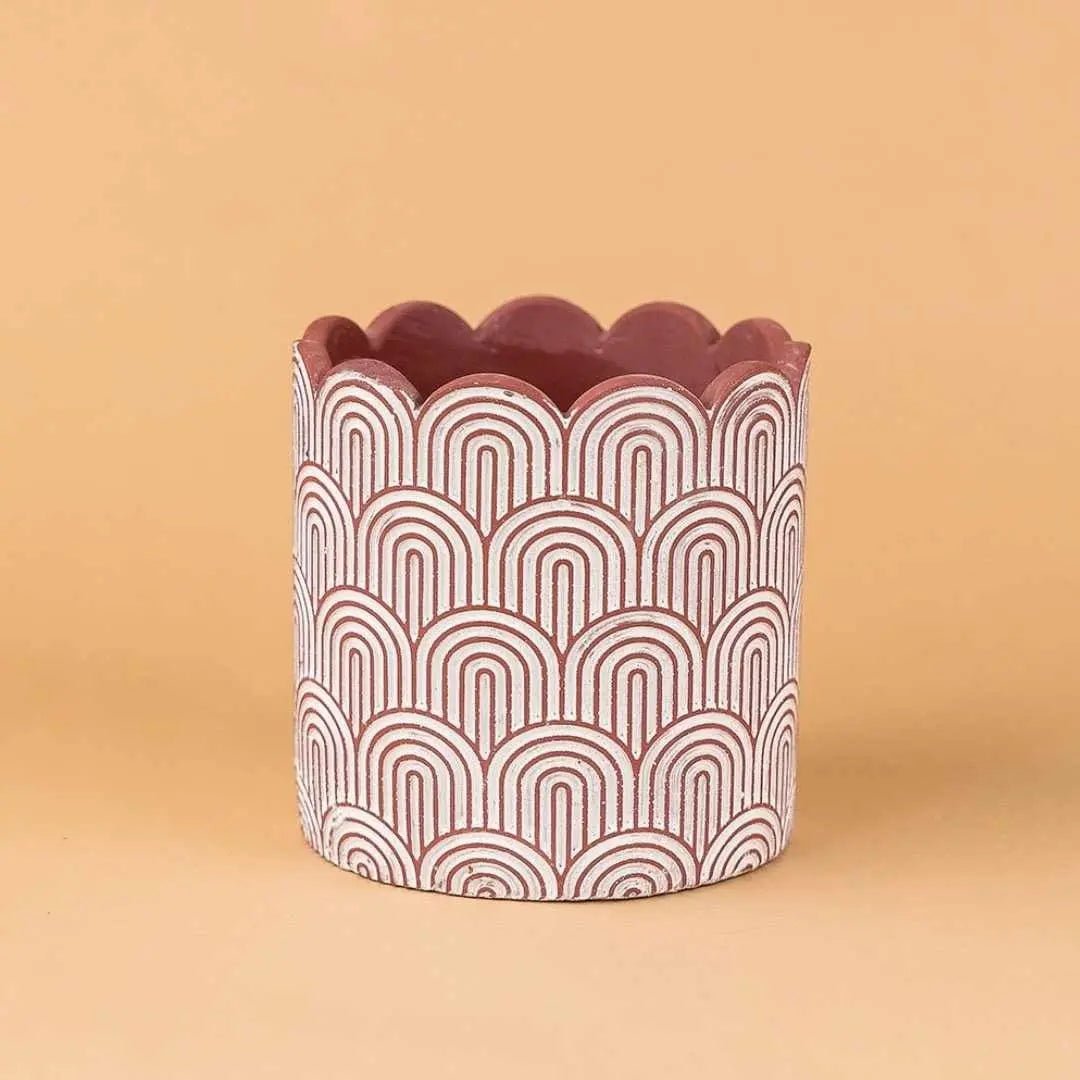
Pot choice: Use a pot with drainage holes. Terracotta helps prevent overwatering. Upgrade pot size by 1–2 inches when roots begin circling the bottom or poking through drainage holes — typically every 1–2 years for actively growing plants.
Singapore note: Because rubber plants grow faster year-round here, you may find you need to repot more frequently than guides written for temperate climates suggest — sometimes annually for young, vigorous plants.
---
Temperature and Humidity
Ideal temperature: 60–85°F (15–29°C) — Singapore's ambient range is ideal
Avoid: Temperatures below 50°F, cold drafts, and sudden temperature changes
Rubber plants are from tropical regions and Singapore's climate suits them very well. The main concerns here are:
- Aircon drafts: Direct aircon airflow can cause leaf drop. Place plants away from direct aircon vents
- Cold nights: Not a concern in Singapore's year-round warmth
Humidity: Singapore's natural outdoor humidity (75–90%) is excellent for rubber plants. Indoor aircon environments can be much drier — a pebble tray with water or occasional misting helps in heavily air-conditioned homes.
---
Fertilizing
Frequency: Monthly, year-round in Singapore (reduce to every 6–8 weeks if the plant is near a window with lower light)
Type: Balanced liquid fertilizer (e.g., 10-10-10) diluted to half strength, or a nitrogen-forward fertilizer to support leaf growth
Rubber plants are moderate feeders during their growing season. Because Singapore has no true dormant season, you can fertilize more consistently — but flush the soil every 3–4 months to prevent salt accumulation. Excess fertilizer causes salt buildup, which leads to brown leaf tips and root damage.
---
Pruning and Shaping
Rubber plants grow naturally as upright trees. You can influence their shape:
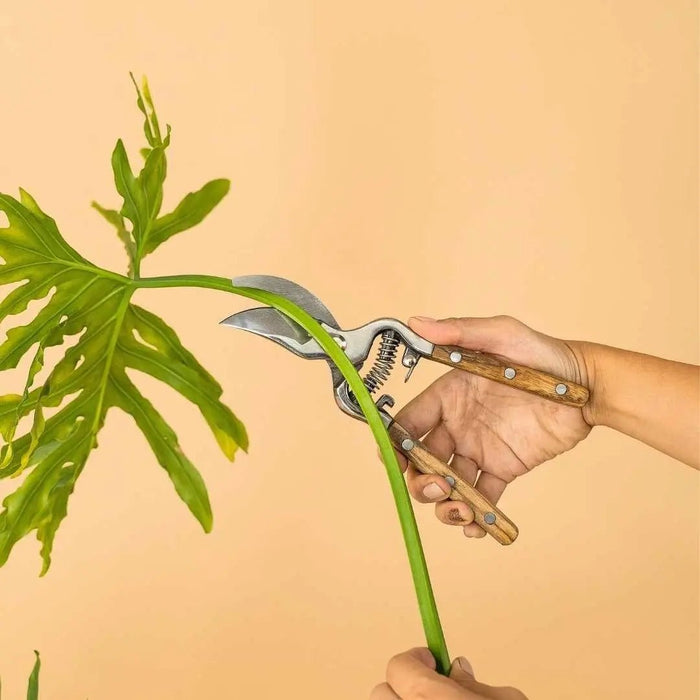
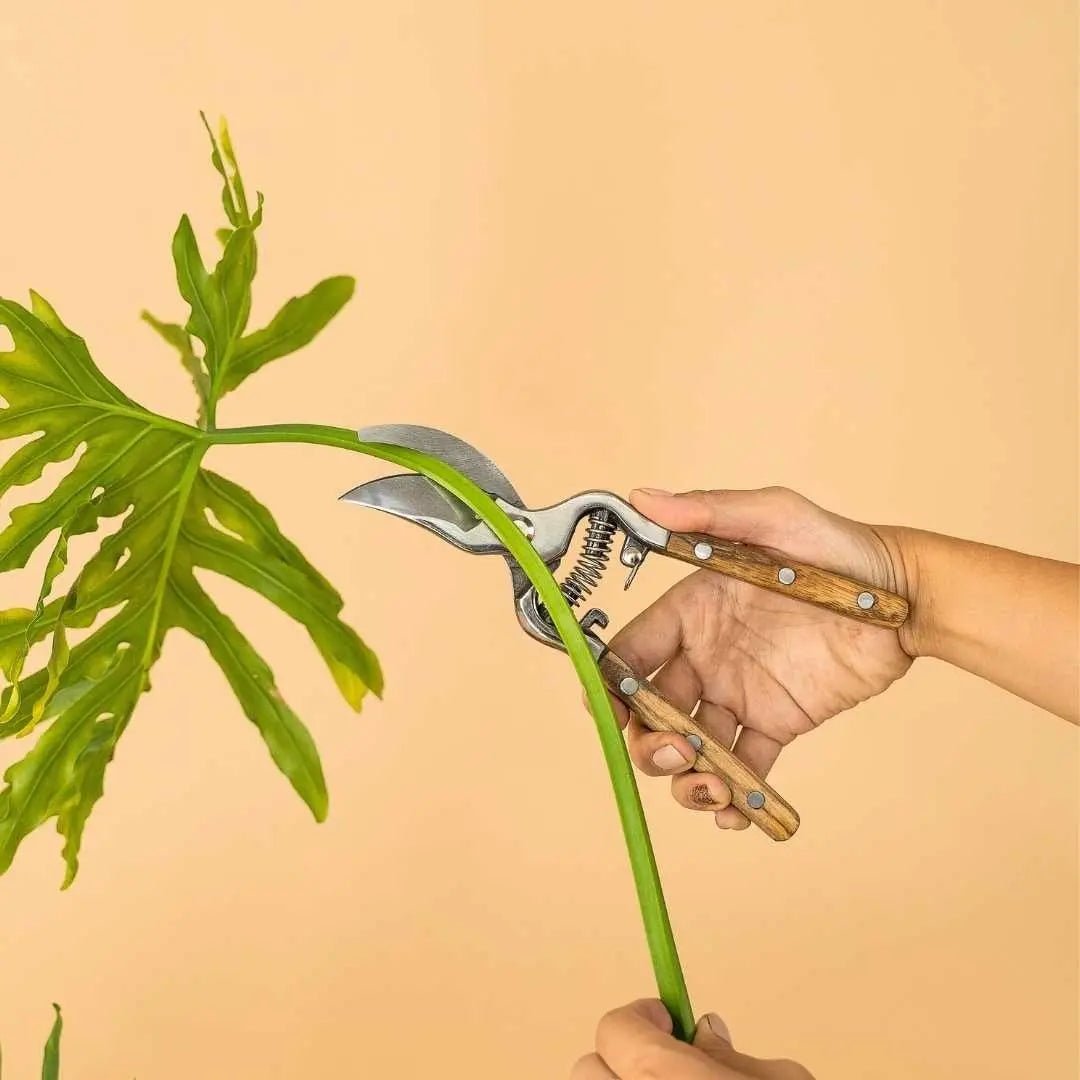
To encourage branching: Cut the main stem just above a node. The plant will put out 2–3 new branches from below the cut, creating a fuller, bushier silhouette. Do this in any season in Singapore — the year-round warmth means rapid recovery.
To maintain height: Simply prune to your desired height. The plant will branch from below the cut.
A note on sap: Rubber plant stems exude a thick white latex sap when cut. This sap is a skin irritant and toxic if ingested. Always wear gloves when pruning, and wipe cut ends with a damp cloth to prevent sap from dripping onto floors or furniture.
---
Cleaning the Leaves
The large, glossy leaves of a rubber plant collect dust, which blocks light absorption and dulls their natural shine. In Singapore's humid environment, dust can also encourage fungal issues on leaves. Wipe leaves monthly with a damp microfiber cloth. Support each leaf gently from underneath as you wipe to avoid straining the stem.
Do not use leaf shine sprays — they clog the stomata (the tiny pores leaves use to breathe). A damp cloth is all you need.
!Image placeholder: Person wiping rubber plant Burgundy leaf with a damp cloth to remove dust
Alt: Hands gently wiping a dark burgundy rubber plant leaf with a damp cloth | Source: Plant care photography or Unsplash
---
Common Problems
Yellowing leaves
Cause: Usually overwatering, especially if lower leaves drop
Fix: Reduce watering frequency; check for root rot
Dropping leaves suddenly
Cause: Cold aircon draft, being moved to a new location, or a sudden light change
Fix: Stabilize the environment; move away from direct aircon airflow; avoid moving the plant once it's settled
Brown leaf edges
Cause: Low humidity from heavy aircon use, fertilizer salt buildup, or fluoride in tap water
Fix: Flush soil thoroughly; switch to filtered water; add a humidity tray if the space is heavily air-conditioned
Leggy growth (long bare stems)
Cause: Insufficient light
Fix: Move to a brighter location; prune to encourage branching from lower nodes
---
Rubber Plant Care at a Glance
| Care Factor | Requirement | Singapore Notes |
|---|---|---|
| Light | Bright indirect, 4–6+ hrs | East-facing window ideal; filter west afternoon sun |
| Watering | Every 7–14 days | Check soil first; adjust for monsoon vs. dry season |
| Humidity | Average to moderate | Heavy aircon use may require a pebble tray |
| Temperature | 15–29°C | Singapore's year-round range is perfect |
| Fertilizer | Monthly | Year-round; flush soil every 3–4 months |
| Repotting | Every 1–2 years | May need more frequently in Singapore's fast growth |
| Sap | Irritant — wear gloves | Always when pruning |
---
How Tall Will It Get?
Indoors, rubber plants typically reach 6–10 feet. In Singapore's ideal conditions — bright indirect light, regular feeding, large containers — they can reach ceiling height within a few years. If you want to keep it smaller, prune annually to control height and redirect energy into new leaves rather than height.
Alt: Large Ficus elastica Burgundy rubber plant as a floor statement plant in a Singapore condo living room with high ceilings | Source: Interior lifestyle photography or Unsplash
---
The rubber plant is one of our personal favorites — bold, forgiving, and genuinely impressive when given space to grow. Shop our rubber plants, including the deep-red Burgundy, classic Robusta, and variegated Tineke varieties, in sizes from 4" starter pots to 10" statement sizes. Need it fast? We offer same-day delivery across Singapore. Looking for a large pot to complete the look? See our large planters collection.
---
Quick summary
Key Takeaways
- Rubber Plant Varieties: Which One Is Right for You?
- Rubber Plants in Singapore: Year-Round Growing Conditions
- Light Requirements
- Watering
- Soil and Potting
- Temperature and Humidity
Ready to bring some green into your home?
Browse 250+ hand-picked plants, curated for Singapore homes — delivered to your door.
Browse All Plants →