


















Lemon Tree Care Singapore: How to Grow Citrus at Home
Posted on April 08 2026
In this article

Meta title: Lemon Tree Care Singapore: Growing Citrus at Home
Meta description: Can you grow a lemon tree in Singapore? Yes — here's how to care for citrus in our tropical climate, indoors and outdoors.
---
Growing your own lemon tree in Singapore feels like a small act of defiance against apartment living — and a deeply satisfying one. The idea of stepping out to a balcony and picking a fresh lemon for your water, your cooking, or your tea has an appeal that goes well beyond the practical. And the good news is that it is entirely achievable in Singapore, even in a modest condo or HDB setup, with the right approach.
This guide covers everything you need to grow a healthy lemon tree in Singapore's tropical climate.
[LINK: /product/lemon-tree]
---
Can You Really Grow Lemons in Singapore?
The short answer: yes, though with some honest expectations.
Lemon trees (Citrus limon) are subtropical plants — they thrive in warm climates with lots of sun, which Singapore has in abundance. The challenge is that true lemons prefer a slight seasonal change to trigger heavy flowering and fruiting, which our year-round equatorial climate does not provide. The result is that Singapore-grown lemon trees tend to fruit less prolifically than they would in, say, southern Europe or California — but they do fruit, and they fruit with some regularity when well-cared for.
For many Singapore plant owners, the tree itself is the point — the fragrant white blossoms, the glossy leaves, the occasional harvest — rather than producing lemons at commercial scale.
---
Choosing the Right Variety

Not all citrus are equal in Singapore's conditions. A few varieties do particularly well here:
- Eureka Lemon: The classic variety, available and adaptable to tropical conditions with good sun
- Lisbon Lemon: Similar to Eureka, good performance in warm climates
- Meyer Lemon: A hybrid that is more cold-tolerant but also performs reasonably in Singapore — smaller fruit but very juicy, and tends to fruit more readily in tropical conditions than true lemons
- Calamansi: Not a lemon, but worth mentioning — Singapore's native citrus cousin is much easier to grow here and fruits heavily year-round
If you want reliable fruit in Singapore, a Meyer lemon or calamansi is more dependable. If you want the experience of a true lemon tree, a Eureka or Lisbon in an ideal sunny location will reward your effort.
---
Light: The Non-Negotiable Requirement
Lemon trees need full sun — a minimum of 6–8 hours of direct sunlight per day. In Singapore, this means:
- Best position: South or west-facing balcony, rooftop garden, or open landed garden
- Acceptable: East-facing balcony with full morning sun (expect slower growth and less fruiting)
- Not suitable: North-facing positions, heavily shaded balconies, or indoor locations without strong grow light support
If you do not have a sun-drenched outdoor space, growing a lemon tree indoors requires a very high-output grow light — and even then, fruiting may be limited. Be honest about your light conditions before buying.
---
Watering Your Lemon Tree

Lemon trees like consistent moisture without waterlogging. In Singapore's climate:
- Water when the top 3–4 cm of soil feels dry
- Water deeply and thoroughly, then allow to drain completely
- During dry spells, this may mean watering every 2–3 days; during the monsoon, outdoor trees may need no supplemental watering
- Never leave the tree sitting in a saucer of standing water — root rot is the most common lemon tree killer
Signs of overwatering: Yellow leaves, mushy roots, waterlogged soil
Signs of underwatering: Wilting, dry curling leaves, premature fruit drop
---
Soil and Potting for Singapore
A critical point for Singapore's high humidity: drainage is essential.
Use a citrus-specific mix or create your own:
- 40% good quality potting mix
- 30% perlite or coarse sand
- 20% coarse orchid bark
- 10% slow-release fertiliser granules
Choose a pot with multiple large drainage holes. Terracotta is excellent for citrus as it allows excess moisture to evaporate through the walls. A 30–40 litre pot gives the root system enough room to develop for a full-sized tree; smaller pots work for more compact growing.
---
Fertilising: This Is Where Results Are Made
Citrus are heavy feeders and respond dramatically to good fertilisation. In Singapore's year-round growing climate:
- Use a citrus-specific fertiliser or one high in nitrogen with added potassium and phosphorus
- Supplement with magnesium (Epsom salt solution once a month) — citrus are prone to magnesium deficiency, which shows as yellowing between leaf veins
- Apply every 4–6 weeks during active growth
- Add a potassium-rich fertiliser (or banana peel water) when flower buds appear — this supports fruit development
Yellowing leaves on a lemon tree in Singapore are most commonly a sign of nutrient deficiency rather than disease.
---
Encouraging Flowering and Fruiting
The most common question: "How do I get my lemon tree to fruit?"
Practical strategies for Singapore:
- Maximise light: Fruiting is directly tied to photosynthetic output. More sun equals more energy equals more flowers and fruit.
- Slightly stress the watering: Allowing the tree to dry out slightly (but not wilt) before a watering can trigger flowering response.
- Good fertiliser timing: High nitrogen promotes leaf growth; shift to higher potassium as flower buds appear.
- Hand pollination: If your tree is indoors or on a balcony without insects, transfer pollen between flowers using a small soft brush or cotton bud.
- Patience: Young trees (under 2–3 years) may not fruit heavily regardless of care. Give the tree time to establish.
---
Common Pests and Problems
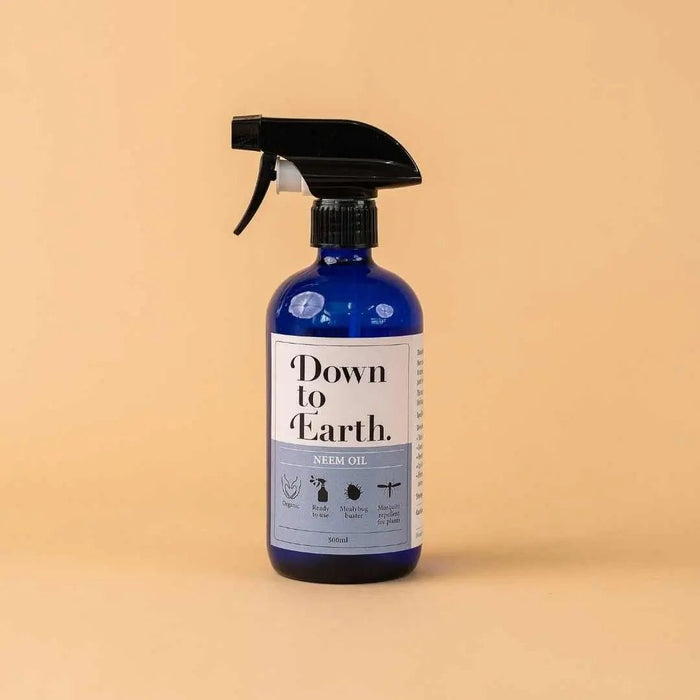
Asian citrus psyllid: The most serious pest for citrus in Southeast Asia. Look for distorted new growth and tiny insects on young shoots. Treat promptly with neem oil or appropriate insecticide — this pest can transmit citrus greening disease.
Scale insects: Brown or white crusty bumps on stems and leaves. Treat with neem oil or by manually removing with a cotton bud dipped in rubbing alcohol.
Leaf miners: Silvery squiggly trails in leaves indicate leaf miner larvae. Affects appearance but rarely serious; remove affected leaves and treat with neem oil.
Nutrient deficiency: As above — yellow leaves between green veins usually indicate magnesium or iron deficiency. Supplement accordingly.
---
The Reward
A lemon tree in a Singapore home is not always the easiest plant to grow — it demands good light, regular feeding, and attentive watering. But when it comes into flower, the fragrance alone is worth the effort. And the first time you harvest your own lemons from a balcony in Singapore, even just a handful, it feels like a genuine achievement.
[LINK: /product/lemon-tree]
---
Quick summary
Key Takeaways
- Can You Really Grow Lemons in Singapore?
- Choosing the Right Variety
- Light: The Non-Negotiable Requirement
- Watering Your Lemon Tree
- Soil and Potting for Singapore
- Fertilising: This Is Where Results Are Made
Ready to bring some green into your home?
Browse 250+ hand-picked plants, curated for Singapore homes — delivered to your door.
Browse All Plants →