















Banana Tree Care in Singapore: Yes, You Can Grow One at Home
Posted on April 08 2026
In this article

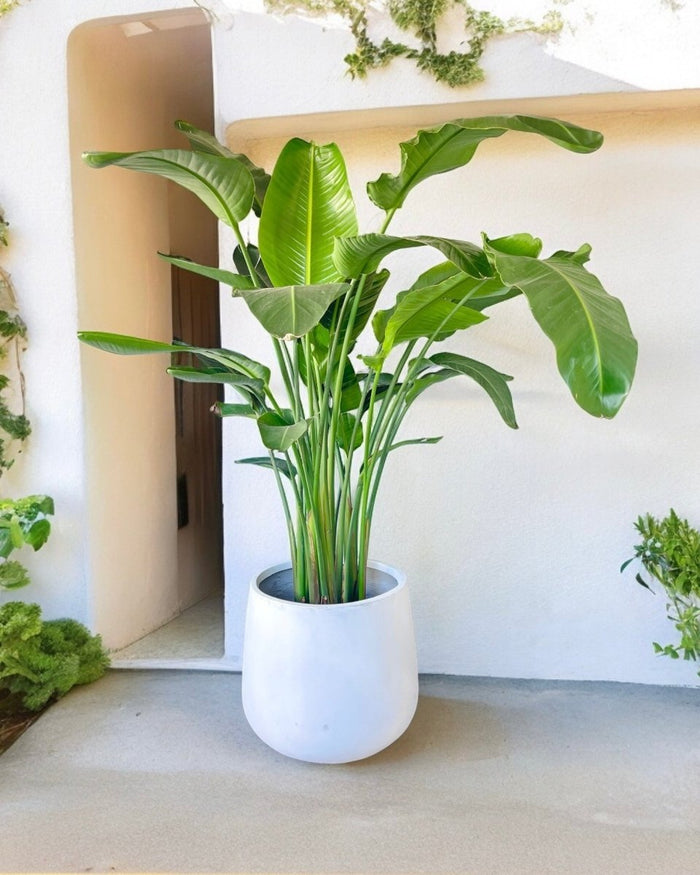
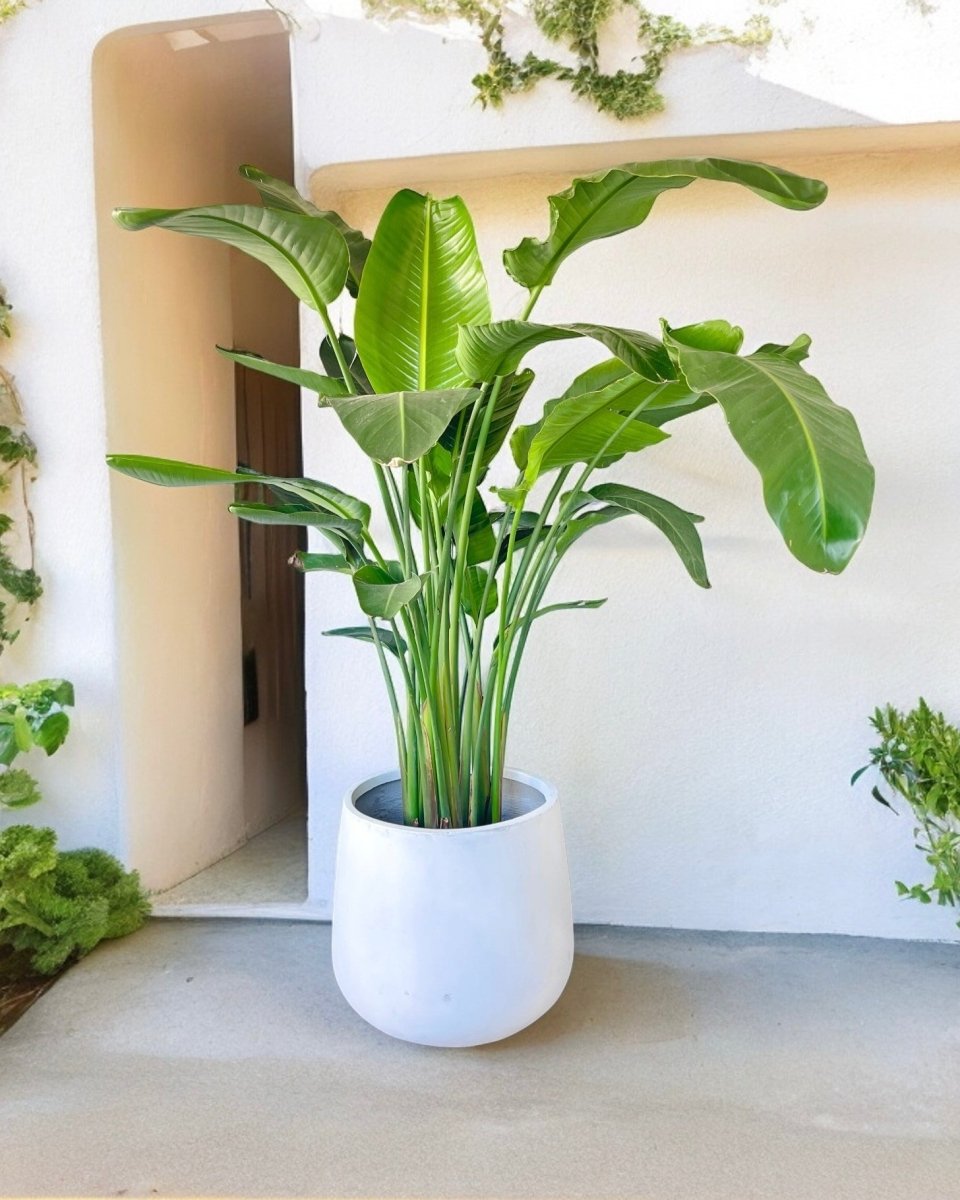
If you've ever walked past a lush banana tree swaying in a tropical garden and thought, "I want that in my home" — you're not alone. The banana tree (Musa) is one of the boldest, most dramatic statement plants you can grow, and the good news for Singapore plant lovers is that our climate is practically tailor-made for it. Whether you have a spacious HDB void deck garden, a sunny condo balcony, or even a large bright living room, a banana tree can absolutely thrive here.
Quick Facts
Why Banana Trees Thrive in Singapore

Singapore's year-round warmth, high humidity, and abundant rainfall create near-perfect conditions for Musa species. Temperatures between 25–35°C are exactly what banana plants prefer. The challenge isn't warmth — it's often managing the plant's vigorous growth indoors and ensuring it gets enough light when placed inside an HDB flat or condo apartment.
Outdoors on a sunny balcony or in a garden, banana trees are relatively low-fuss. Indoors, they need a bit more attention, particularly around light and watering.
Light Requirements
Banana trees are sun lovers. For outdoor growing on a balcony or patio, aim for at least 6 hours of direct or bright indirect sunlight daily. A south or west-facing balcony in Singapore is ideal.
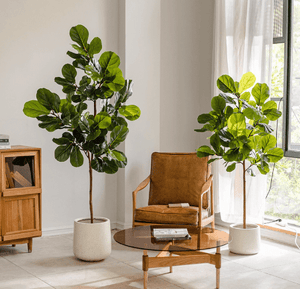
For indoor growing, place your banana tree as close to a window as possible — floor-to-ceiling windows or sliding glass doors work brilliantly. In Singapore's bright ambient light, even an east-facing window can work, though growth will be slower. Avoid deep interior spots far from natural light; the plant will sulk, drop leaves, and eventually decline.
If your indoor spot is less than ideal, consider supplementing with a grow light during the day.
Watering Your Banana Tree
Banana trees are thirsty plants. In Singapore's heat, large specimens may need watering daily — or at least every other day. The key is to keep the soil consistently moist but never waterlogged.
Check the soil daily by pressing your finger 2–3 cm into the mix. If it feels dry, it's time to water. During the monsoon season (November–January and May–July), rain may handle outdoor plants for you — but always check; heavy rains followed by sunny spells can dry out pots quickly.
For indoor plants in air-conditioned rooms, the cool dry air can dehydrate the plant faster than you might expect. Check more frequently and consider grouping with other plants to raise local humidity.
Ensure your pot has excellent drainage. Sitting in waterlogged soil is the fastest way to kill a banana tree.
Humidity Needs
Banana trees love 60–80% humidity — fortunately, Singapore's ambient humidity usually sits well within this range outdoors. Indoors with air-conditioning, humidity can drop to 40–50%, which may cause leaf edges to brown and curl.
To counter this:
- Use a pebble tray filled with water beneath the pot
- Mist the leaves lightly in the morning (avoid evening misting to prevent fungal issues)
- Group your banana tree with other humidity-loving plants
- Run a humidifier nearby if you keep the AC on for long periods
Soil and Potting
Banana trees need rich, well-draining soil. A good mix combines:
- 40% quality potting mix
- 30% compost or well-rotted organic matter
- 20% perlite or coarse sand (for drainage)
- 10% coco coir (for moisture retention)
Avoid heavy clay soils that hold water too long. In Singapore's heat, poor drainage can lead to root rot surprisingly quickly.
Repot every 1–2 years as the plant grows. Banana trees are fast growers and will quickly become rootbound in smaller containers.
Feeding
Banana trees are heavy feeders. Use a balanced liquid fertiliser (e.g., 20-20-20 NPK) every 2–3 weeks during the active growing season. In Singapore's tropical climate, banana trees grow year-round, so regular feeding is important.
Alternatively, a slow-release granular fertiliser worked into the top layer of soil every 3 months works well for lower-maintenance setups.
High-potassium fertilisers (like those formulated for fruiting plants) can be used if you're hoping to encourage fruiting.
Managing Size Indoors
Let's be honest — banana trees get big. Some varieties can reach 3–4 metres tall. For indoor growing, choose dwarf varieties like:
- Musa 'Dwarf Cavendish' — stays around 1.5–2.5m, most popular for home growing
- Musa 'Super Dwarf Cavendish' — compact, around 1–1.5m, ideal for indoors
Even dwarf varieties will outgrow a small space. To manage size:
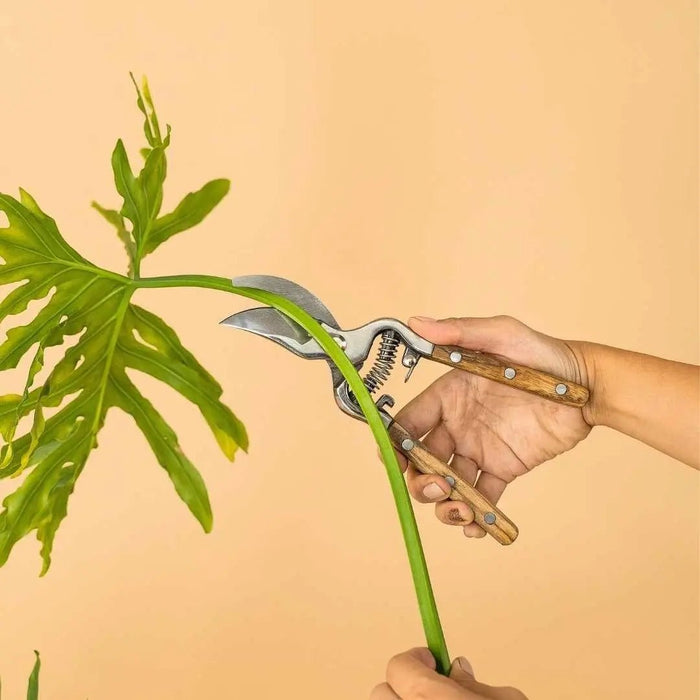
- Regularly remove old, yellowing lower leaves
- Remove pups (offshoots) to keep the main plant focused
- Accept that eventually, you may need to move it outdoors or divide it
Will It Fruit Indoors?
This is everyone's big question. The honest answer: it's possible but not guaranteed for indoor plants. Banana trees fruit when they are mature (typically after 9–18 months) and have received enough light, water, and nutrients. Outdoor plants in Singapore's full sun have a much higher chance of producing fruit than those kept indoors.
If fruiting is your goal, grow outdoors on a sunny balcony and be patient. Most ornamental banana plants grown indoors are grown for their spectacular foliage rather than fruit.
Common Problems
Brown leaf edges — Usually caused by low humidity or underwatering. Increase misting, watering frequency, or add a humidifier.
Yellow leaves — Overwatering or nutrient deficiency. Check soil moisture and adjust watering; feed with a balanced fertiliser.
Slow growth — Insufficient light is the most common cause indoors. Move closer to a window or add a grow light.
Root rot — Caused by waterlogged soil. Ensure drainage holes are clear and the potting mix drains freely.
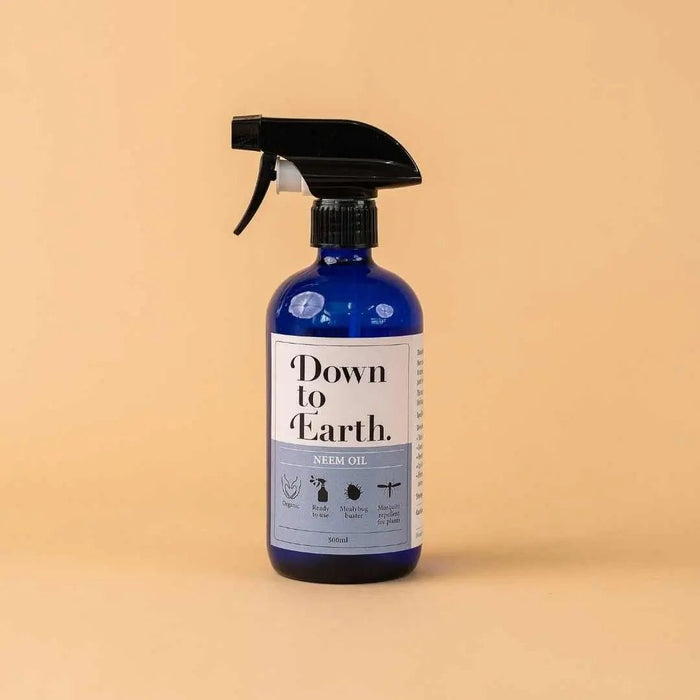
Pests — Spider mites can appear on indoor plants in dry, air-conditioned environments. Wipe leaves with a damp cloth regularly and treat with neem oil if needed.
Is It Safe Around Children and Pets?
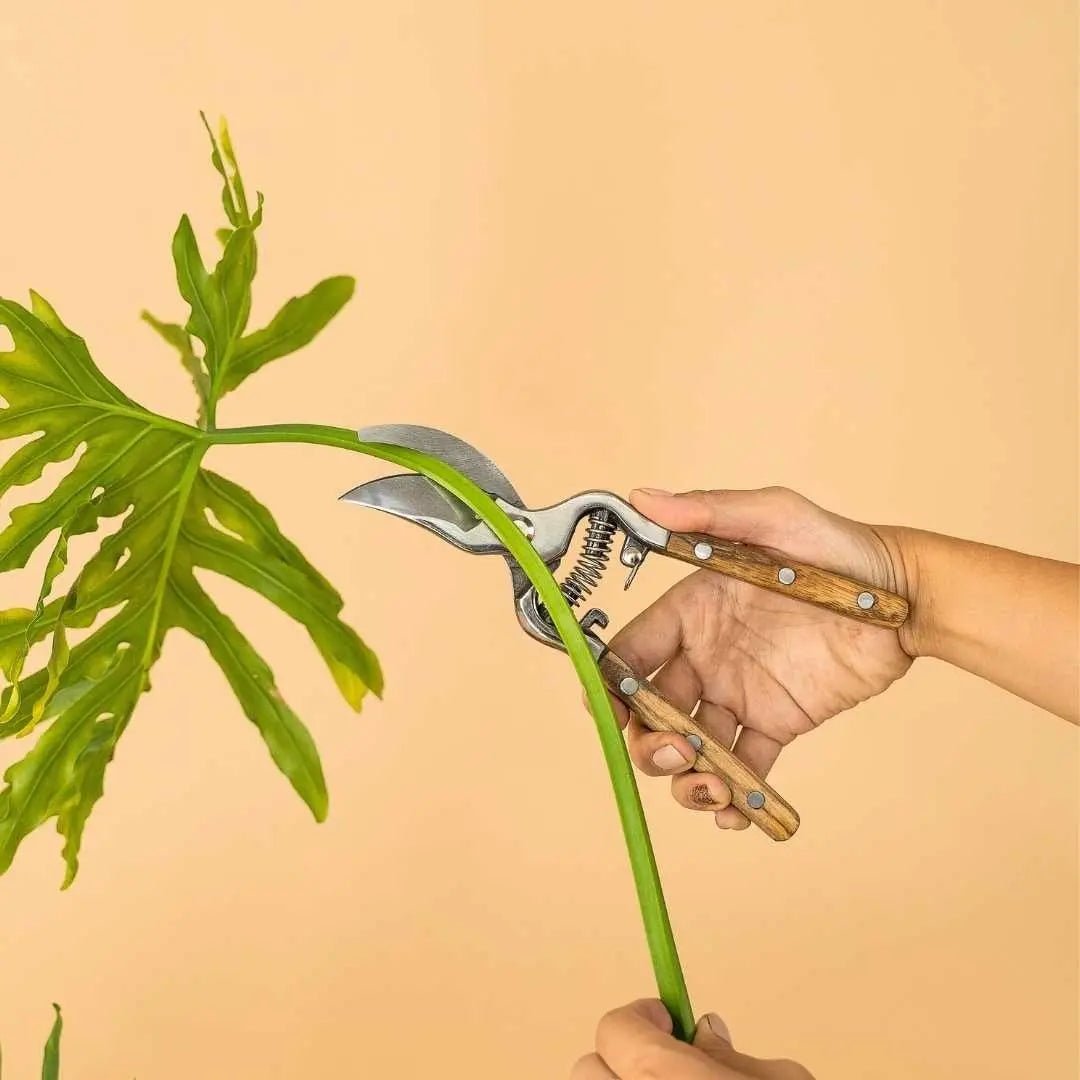
Yes — banana trees are non-toxic to humans, dogs, and cats. The sap can occasionally cause mild skin irritation in sensitive individuals, so wearing gloves when handling the cut stem is sensible.
Where to Position Your Banana Tree
In an HDB flat: place near the largest window you have, ideally one that gets morning sun. The corridor-facing windows of some HDB units don't get enough direct light — a balcony or window with an open sky view is far better.
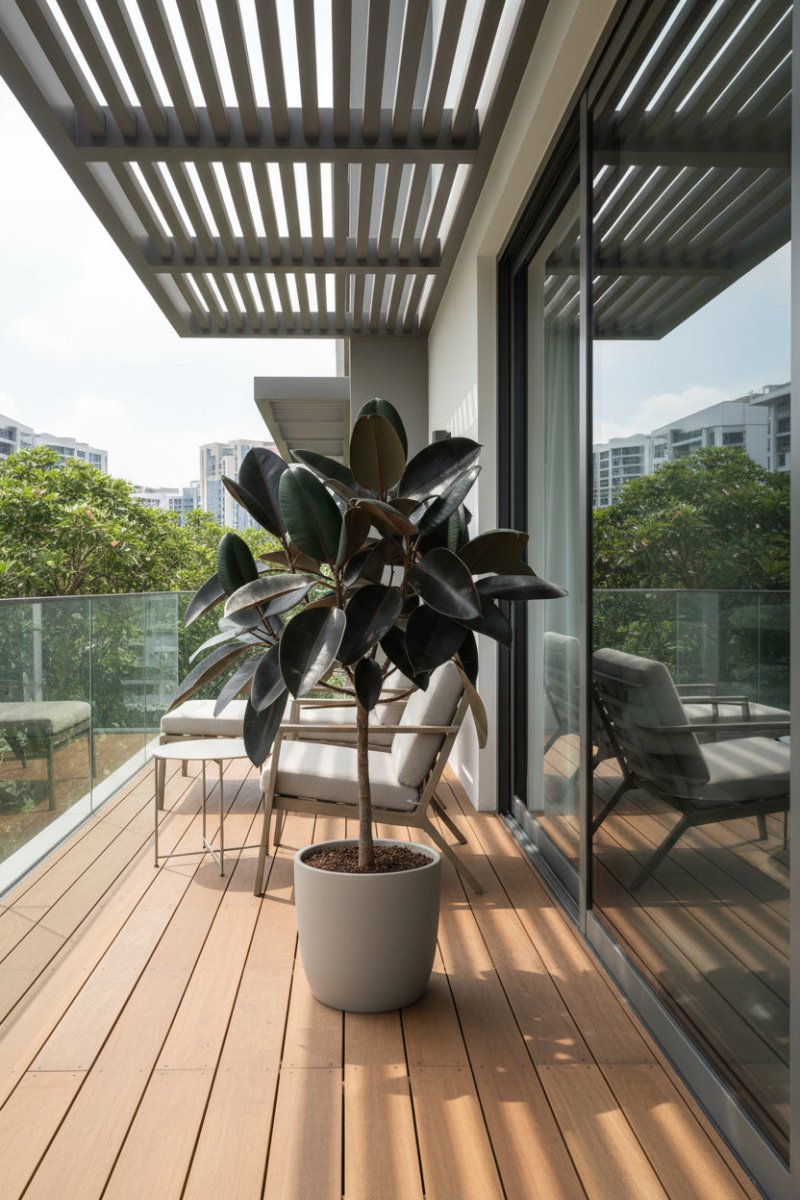
In a condo: sunny balconies are ideal. If you have a yard or terrace, a banana tree planted directly in the ground will grow dramatically faster and larger than one in a pot.
In an office or commercial space: works well near floor-to-ceiling windows in lobby areas or bright breakout spaces.
---
Ready to add a bold tropical statement to your space? Browse our collection of Big Statement Indoor Plants and find the perfect banana tree for your home.
Get your banana tree delivered today: Same-Day Plant Delivery Singapore
Quick summary
Key Takeaways
- Quick Facts
- Why Banana Trees Thrive in Singapore
- Light Requirements
- Watering Your Banana Tree
- Humidity Needs
- Soil and Potting
Ready to bring some green into your home?
Browse 250+ hand-picked plants, curated for Singapore homes — delivered to your door.
Browse All Plants →