















Rubber Plant Care Singapore: Ficus Elastica Growing Guide
Posted on April 09 2026
In this article
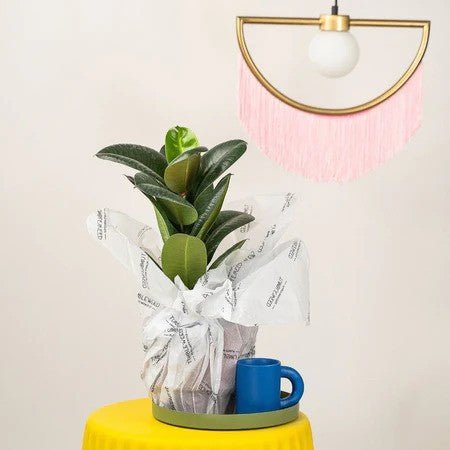
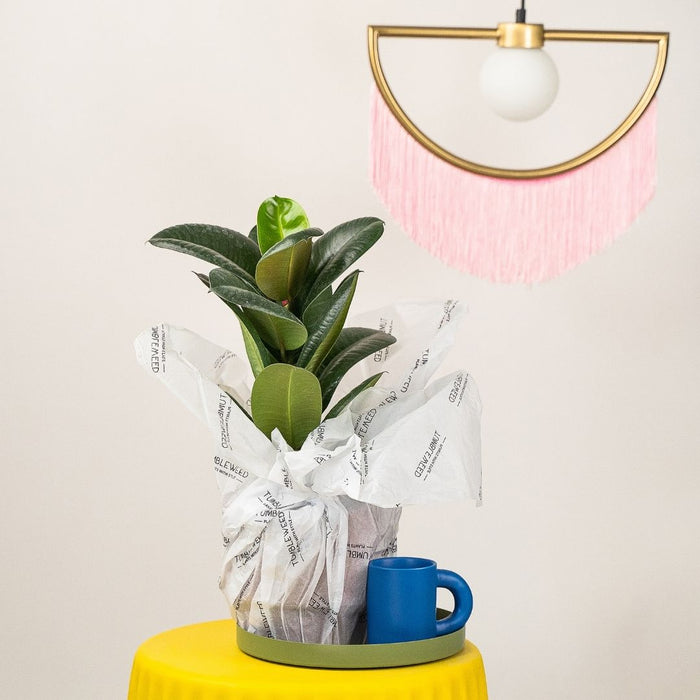
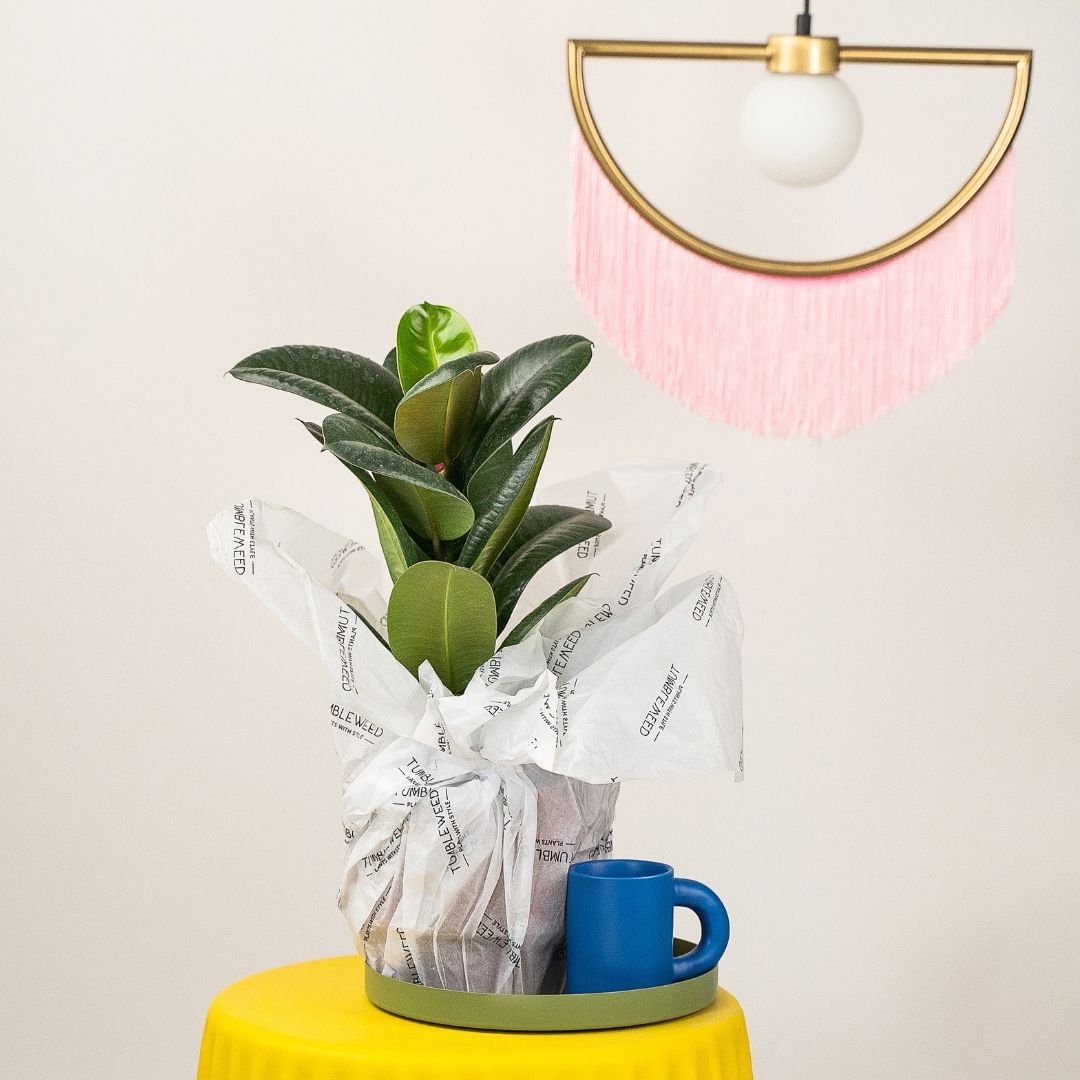
The Rubber Plant — Ficus Elastica — is one of those rare houseplants that combines striking visual presence with genuinely low maintenance. Its large, glossy leaves in shades of deep green, burgundy, or cream-splashed variegation make it a favourite in Singapore homes and offices alike.

Originally from the tropical forests of Southeast Asia (including our own region), the Rubber Plant is naturally predisposed to thrive in Singapore's climate. Here is everything you need to know to grow one successfully.
Popular Rubber Plant Varieties
Ficus Elastica Robusta
The classic variety. Large, dark green leaves with a prominent central vein. Robust and forgiving — the best choice for beginners.
Ficus Elastica Burgundy
Deep, near-black burgundy leaves that look almost black in low light. Stunning contrast plant. New leaves emerge in a bright red sheath.
Ficus Elastica Tineke
Variegated with patches of cream, green, and pink on each leaf. More eye-catching but slightly more demanding — needs brighter light to maintain variegation.
Ficus Elastica Ruby
Similar to Tineke but with more prominent pink and red tones. The most colourful variety, and increasingly popular in Singapore.
Ficus Elastica Shivereana
A newer variety with unique mottled, camouflage-like patterns in green and cream. Less common but growing in availability at Singapore nurseries.
Light Requirements

Rubber Plants are surprisingly flexible with light, but the ideal varies by variety.
Green varieties (Robusta, Burgundy):
- Tolerate low to bright indirect light
- Maintain colour well even in moderate light
- Can handle a few hours of direct morning sun
Variegated varieties (Tineke, Ruby, Shivereana):
- Need bright indirect light to maintain variegation
- Insufficient light causes new leaves to revert to solid green
- Place near a window with filtered light
Singapore-specific tips:
- East-facing HDB windows provide ideal morning light
- West-facing windows work with a sheer curtain to filter the intense afternoon sun
- North-facing rooms suit green varieties perfectly
- If your flat is dim, stick with Robusta or Burgundy
Watering
Rubber Plants store water in their thick, fleshy leaves, making them more drought-tolerant than many tropicals.
Watering frequency in Singapore:
- Every 7-10 days in most conditions
- Every 5-7 days in dry, air-conditioned rooms
- Every 10-14 days in cooler, shaded spots
The rule: Water thoroughly when the top 3-4cm of soil feels dry. Allow water to drain completely — never let the pot sit in standing water.
Warning signs:
- Drooping leaves → underwatered (water immediately, plant recovers within hours)
- Yellow lower leaves → overwatered (reduce frequency, check drainage)
- Brown leaf edges → inconsistent watering or low humidity
Singapore tap water works fine for Rubber Plants. No special water treatment needed.
Soil and Repotting

Rubber Plants prefer a well-draining mix that does not stay soggy:
Recommended mix:
- 60% regular potting soil
- 20% perlite
- 20% orchid bark or coarse sand
This provides structure and drainage while retaining enough moisture. Rubber Plants are less fussy about soil than aroids — a basic well-draining mix works.
Repotting schedule:
- Young plants (under 1 metre): every 12 months
- Mature plants: every 18-24 months
- Choose a pot 3-5cm wider than the current one
- Best time to repot: any time (Singapore has no dormant season)
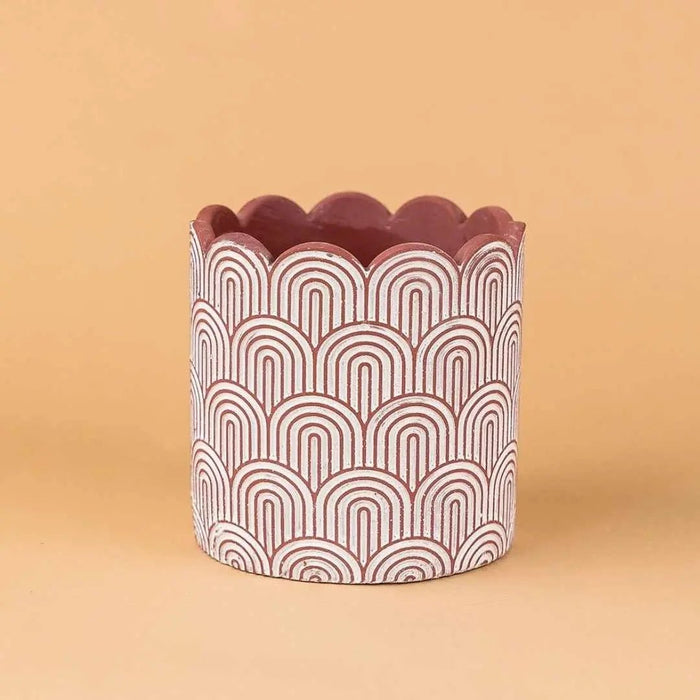
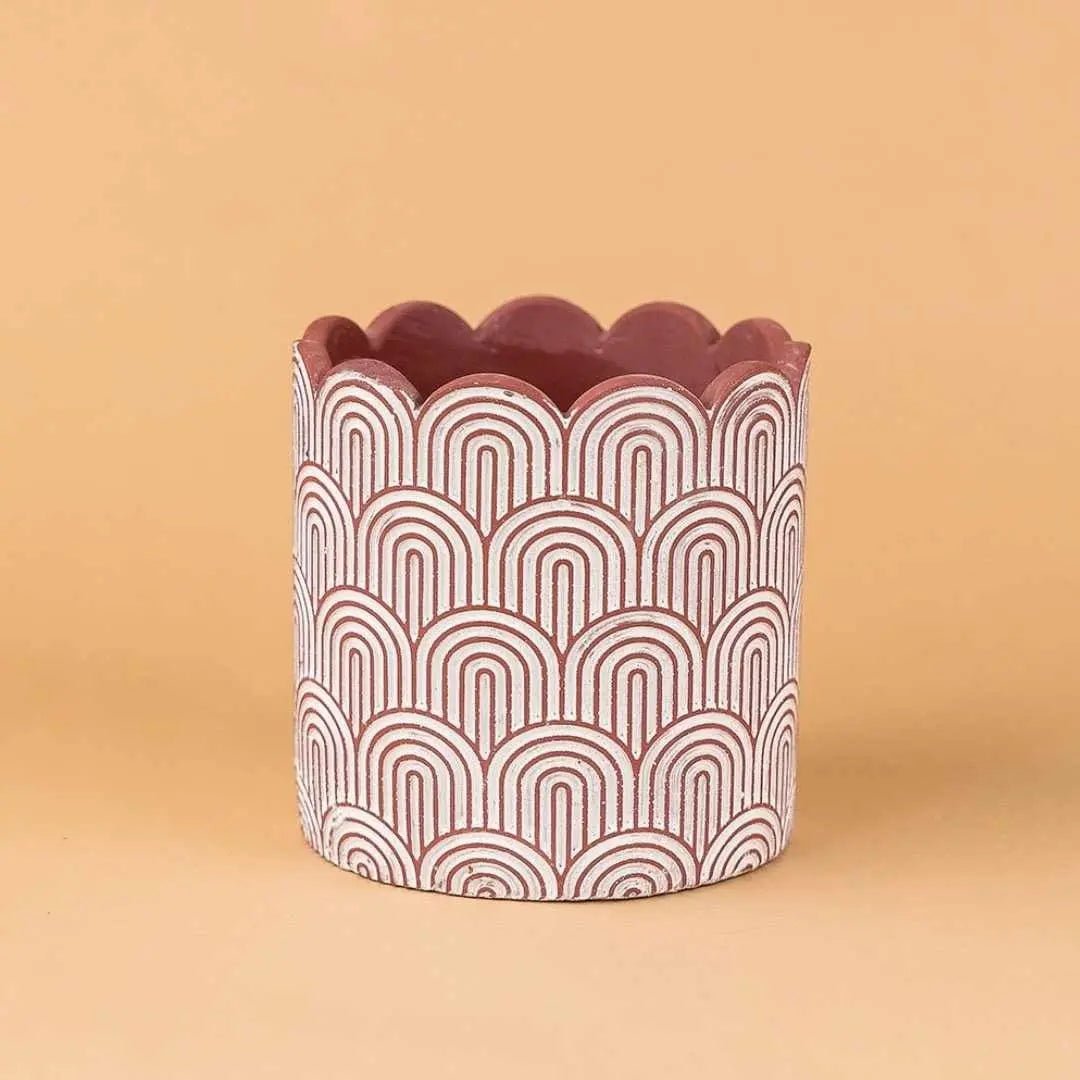
Pot choice: Terracotta is ideal — it wicks away excess moisture and adds weight to stabilise taller plants. Plastic works too but monitor watering more carefully.
Pruning and Shaping
Left to their own devices, Rubber Plants grow as single stems that eventually become leggy. Pruning encourages branching and a bushier shape.
When to Prune
Any time the plant looks too tall or sparse. In Singapore's year-round growing season, the plant responds well to pruning at any point.
How to Prune
- Wear gloves — Rubber Plants exude white, sticky latex sap when cut. It is mildly irritating to skin and stains fabric.
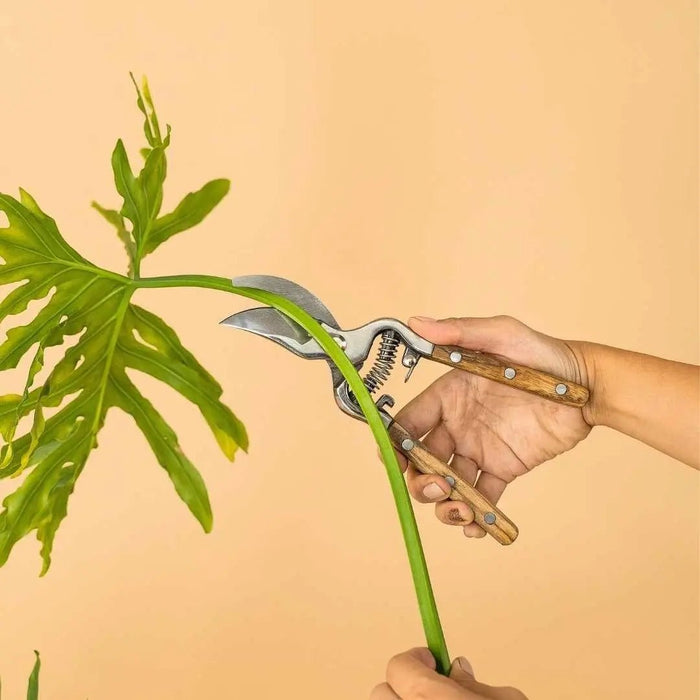
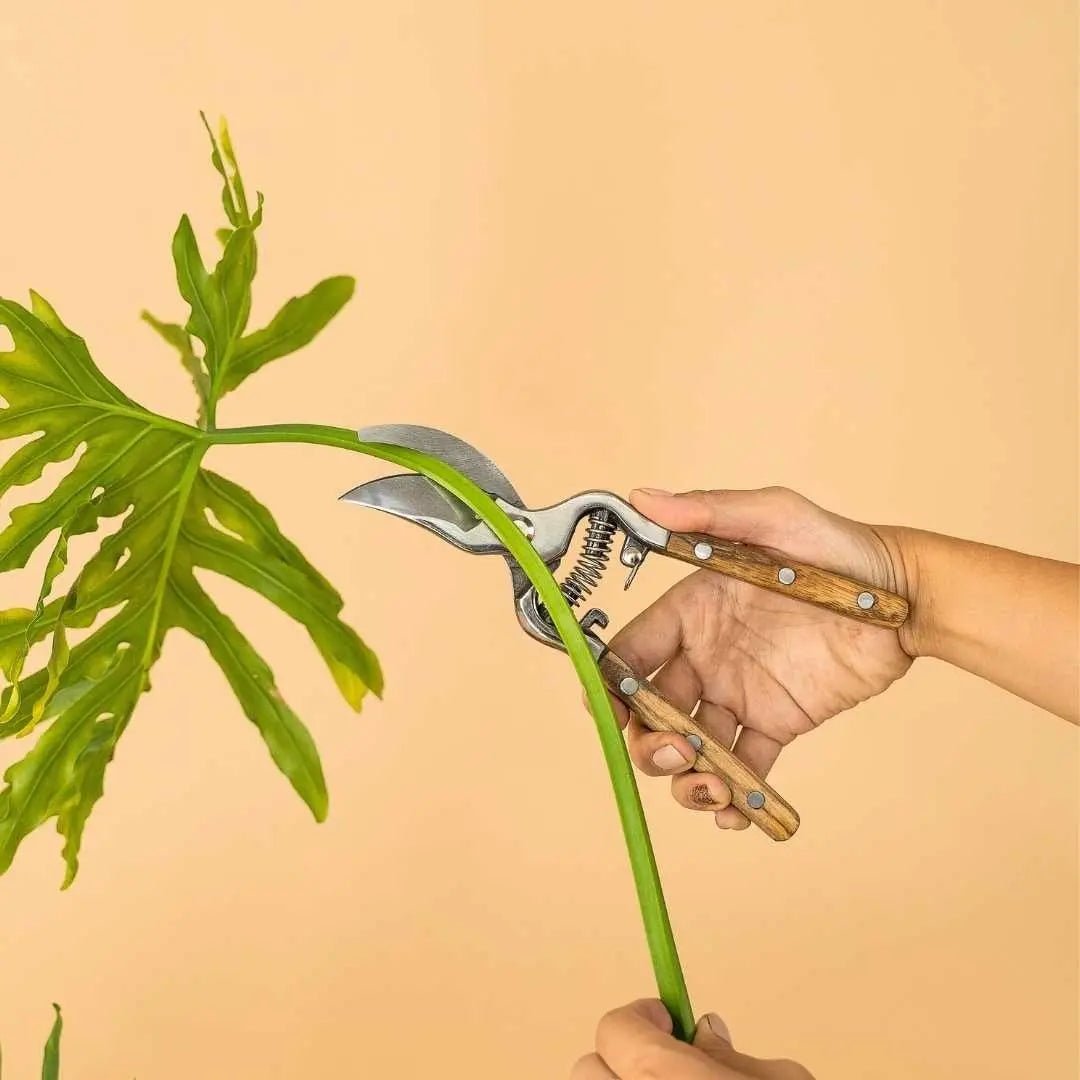
- Cut just above a leaf node using clean, sharp secateurs
- Dab the cut with tissue to stop sap flow
- New branches will emerge from nodes below the cut within 2-4 weeks
Encouraging Multiple Branches
For a bushier plant, notch the bark just above a dormant node (make a small, shallow cut). This sometimes triggers that node to activate and produce a new branch — even without removing the top growth.
Cleaning Those Glossy Leaves
The large, smooth leaves of a Rubber Plant collect dust quickly, especially in Singapore's urban environment. Dusty leaves cannot photosynthesise efficiently.
Cleaning routine (monthly):
- Support each leaf from underneath with one hand
- Wipe the top surface with a damp cloth
- Wipe the underside (where pests hide)
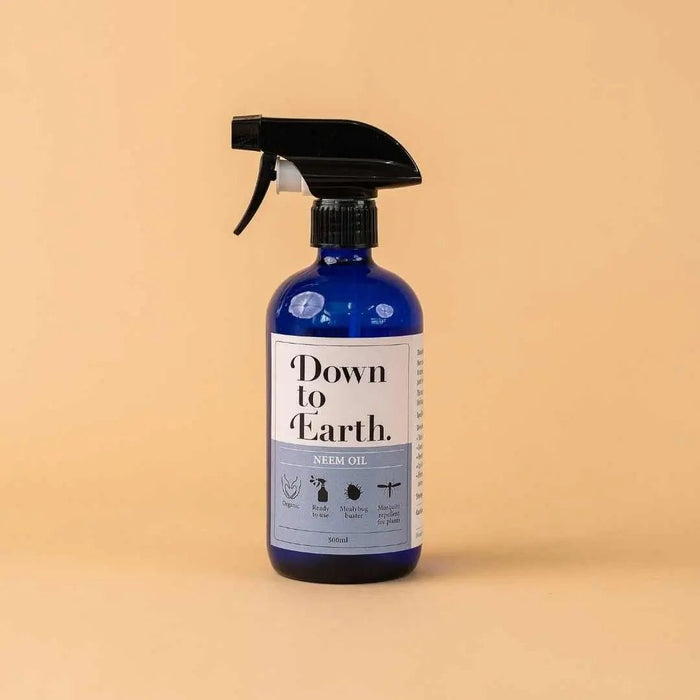
- For extra shine, add a tiny drop of neem oil to the cloth — it cleans, shines, and deters pests
Avoid: Leaf shine products and cooking oil. They clog leaf pores and attract more dust.
Fertilising
Rubber Plants are moderate feeders. In Singapore's perpetual growing season:
- Feed monthly with balanced liquid fertiliser (diluted to half strength)
- Alternatively, apply slow-release granules every 3 months
- Signs of nutrient deficiency: small new leaves, pale colouring, slow growth
- Signs of overfertilising: brown leaf tips, white salt crust on soil surface
Common Problems
Dropping Leaves
The most common Rubber Plant complaint. Causes:
- Overwatering — the usual suspect. Check soil moisture and drainage
- Cold drafts — from air-con vents or open windows during storms
- Sudden environmental change — recently moved the plant? Give it 2-3 weeks to adjust
- Root bound — if the plant has not been repotted in years, roots may be circling
Leggy Growth
A single tall stem with widely spaced leaves usually means insufficient light. Move to a brighter spot and prune the top to encourage branching.
Pest Issues
Rubber Plants in Singapore occasionally attract:
- Mealybugs — white cotton-like clusters in leaf axils. Treat with rubbing alcohol on a cotton bud
- Scale insects — brown bumps on stems. Scrape off and treat with neem oil
- Spider mites — fine webbing on leaf undersides. Usually appears in very dry, air-conditioned rooms. Increase humidity and spray with neem oil
Sap Stains
If you get latex sap on clothing, treat immediately with rubbing alcohol before washing. On floors, wipe with warm soapy water before it dries.
Placement Ideas for Singapore Homes
Statement corner plant — A mature Rubber Plant (1-1.5m) in a decorative pot creates a dramatic focal point. The burgundy variety against a white wall is particularly striking.
Entryway accent — Place near the front door (if it receives indirect light). The tall, architectural form creates an elegant welcome.
Bedroom companion — Green varieties tolerate bedroom light levels well. Their air-purifying qualities are a bonus.
Office desk to floor — Start small on a desk and graduate to the floor as it grows. Rubber Plants are popular office plants for their tolerance of fluorescent lighting and air conditioning.
Rubber Plant vs Other Ficus
Confused about the Ficus family? Here is how Rubber Plant compares:
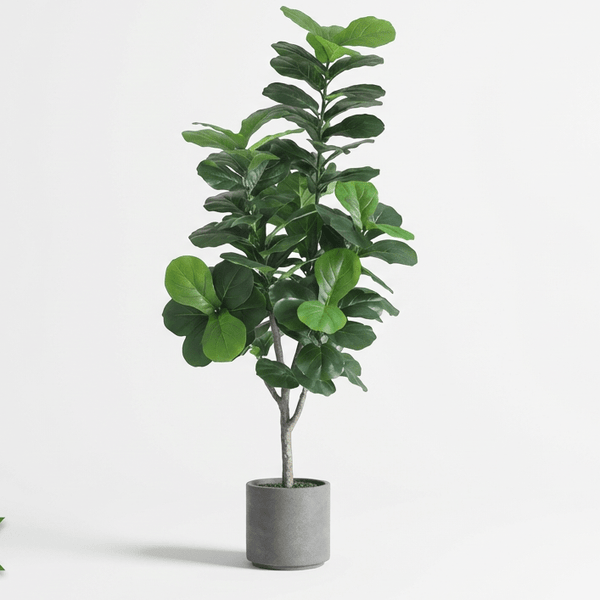
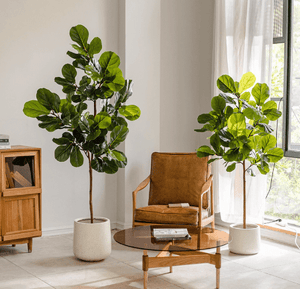
- Fiddle Leaf Fig (Ficus Lyrata): More dramatic leaves but much fussier. Rubber Plant is the easier choice.
- Weeping Fig (Ficus Benjamina): Smaller leaves, more prone to dropping them. Rubber Plant is more forgiving.
- Ficus Audrey: Similar care to Rubber Plant but with velvety leaves. Equally easy to grow.
If you want a bold Ficus without the drama of a Fiddle Leaf Fig, the Rubber Plant is your answer.
Final Thoughts
The Rubber Plant is the perfect large houseplant for Singapore. It tolerates our heat, appreciates our humidity, forgives the occasional missed watering, and looks spectacular doing it. Whether you choose the classic dark green Robusta or the Instagram-worthy variegated Tineke, you are getting a plant that will grow with you for years.
Browse our Ficus collection to find your perfect Rubber Plant.
Quick summary
Key Takeaways
- Popular Rubber Plant Varieties
- Light Requirements
- Watering
- Soil and Repotting
- Pruning and Shaping
- Cleaning Those Glossy Leaves
Ready to bring some green into your home?
Browse 250+ hand-picked plants, curated for Singapore homes — delivered to your door.
Browse All Plants →