

















Snake Plant Care Guide for Singapore
Posted on April 09 2026
In this article
If there is one plant that every indoor gardener in Singapore should own, it is the Snake Plant. Known scientifically as Sansevieria (recently reclassified under Dracaena, though most plant lovers still use the old name), the Snake Plant is the definition of low-maintenance. It tolerates low light, irregular watering, air conditioning, neglect, and just about every condition that kills other houseplants.

Yet despite its easygoing nature, the Snake Plant is not boring. With dozens of varieties ranging from towering spear-like forms to compact rosettes, from dark green to silver to gold-edged, there is a Sansevieria for every taste and every corner of your home.
Why Snake Plants Are Perfect for Singapore
Heat tolerance. Snake Plants are native to West Africa's arid and semi-arid regions. Singapore's warmth is no problem — they grow happily at 24-32°C year-round.
Humidity flexibility. They handle Singapore's outdoor humidity (80-90%) and indoor air-conditioned dryness (50-60%) equally well. Unlike ferns or Calatheas, they never complain about humidity levels.
Low light tolerance. Many Singapore homes have rooms with limited natural light — interior bedrooms, corridors, bomb shelters. Snake Plants survive in conditions that would kill most houseplants.
Drought tolerance. Their thick, succulent leaves store water. Forget to water for two or three weeks? The Snake Plant does not mind. This makes them ideal for busy professionals, frequent travellers, and anyone who has ever killed a plant from neglect.
Air purification. NASA's Clean Air Study famously identified the Snake Plant as one of the most effective houseplants for removing indoor air pollutants, including formaldehyde, benzene, and trichloroethylene. It also converts CO2 to oxygen at night — one of the few plants that does this — making it an excellent bedroom plant.
Popular Varieties
Tall Varieties (60cm+)
Sansevieria trifasciata 'Laurentii' — The classic. Dark green leaves with golden-yellow edges. Grows 60-120cm tall. The most widely available and recognised variety.
Sansevieria trifasciata 'Zeylanica' — Similar to Laurentii but without the yellow edge. Wavy horizontal bands of dark and light green. Slightly more shade-tolerant.
Sansevieria trifasciata 'Black Coral' — Dark, almost black-green leaves with subtle banding. Dramatic and modern.
Sansevieria 'Moonshine' — Silvery-green, almost pale blue leaves that glow in indirect light. One of the most elegant varieties. Needs slightly brighter light to maintain its colour.
Compact Varieties (Under 30cm)
Sansevieria trifasciata 'Hahnii' (Bird's Nest) — A rosette form that stays under 15cm tall. Available in green, golden, and silver varieties. Perfect for desks, shelves, and small spaces.
Sansevieria cylindrica 'Boncel' (Starfish) — Fan-shaped arrangement of short, cylindrical leaves. Compact and sculptural.
Cylindrical Varieties
Sansevieria cylindrica — Round, spear-like leaves that grow vertically. Often sold braided. Architectural and unusual.
Sansevieria 'Fernwood' — Thinner cylindrical leaves that fan outward. A graceful alternative to the standard upright forms.
Light
Snake Plants are famously adaptable to different light conditions:
Bright indirect light — Optimal. Fastest growth, best colour, most vigorous. Near an east or north-facing window.
Medium light — Perfectly fine. Growth slows slightly but the plant remains healthy. A few metres from a window or in a well-lit room.
Low light — Tolerated. Growth is slow and leaves may be thinner and darker. Adequate for corridors, interior rooms, and offices with fluorescent lighting.
Direct light — Most varieties handle a few hours of morning sun. Avoid prolonged afternoon direct sun, which can bleach or scorch leaves — especially lighter varieties like Moonshine.
The only light level that kills a Snake Plant is true darkness — a windowless room with the door permanently closed. Even then, it takes months.
Watering

This is where most Snake Plant problems originate — not from underwatering, but from overwatering.
The golden rule: When in doubt, do not water. Snake Plants store water in their thick leaves and can go weeks between waterings without stress.
Schedule in Singapore:
- Water every 10 to 14 days in bright conditions
- Every 14 to 21 days in medium to low light
- Every 21 to 30 days in very low light or air-conditioned rooms
How to water:
- Check the soil — it should be completely dry at least 5cm deep before watering
- Water thoroughly until liquid drains from the bottom
- Empty the saucer within 30 minutes — never let a Snake Plant sit in standing water
- Wait for the soil to dry completely before watering again
Overwatering symptoms:
- Soft, mushy leaves (especially at the base)
- Yellow or brown, waterlogged leaves
- Foul smell from the soil
- Root rot (brown, mushy roots when you check)
Underwatering symptoms (rare):
- Leaves wrinkling or curling inward
- Dry, crispy leaf tips
- Extremely dry, compacted soil pulling away from the pot edge
If you are unsure whether to water, wait another three to five days. A Snake Plant that is slightly too dry is always healthier than one that is slightly too wet.
Soil
Snake Plants need very well-draining soil. Standard potting soil retains too much moisture for these drought-adapted plants.
Recommended mix:
- 50% potting soil
- 30% perlite or pumice
- 20% coarse sand
Alternatively, a pre-mixed cactus and succulent soil with added perlite works well.
The key principle: Water should flow through the pot quickly and not linger. If you water and the pot is still heavy three days later, the soil is too moisture-retentive.
Pot Selection

Drainage is non-negotiable. Always use a pot with drainage holes. Snake Plants in sealed decorative pots without drainage are the number one cause of rot.
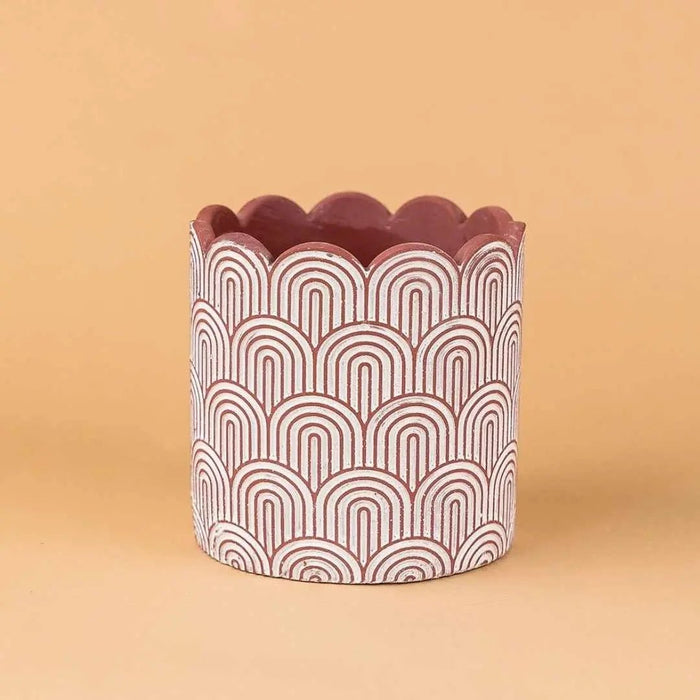
Terracotta is ideal. Its porous material wicks moisture away from the soil, providing an extra buffer against overwatering. The weight of terracotta also provides stability — tall Snake Plants in lightweight plastic pots are top-heavy and prone to tipping.
Size matters. Snake Plants do not mind being slightly root-bound. Choose a pot only slightly larger than the root ball. Oversized pots hold excess moisture around roots that are not yet big enough to absorb it.
Fertilising
Snake Plants are light feeders. Over-fertilising is more common and more damaging than under-fertilising.
Schedule:
- Feed once a month during active growth with a balanced liquid fertiliser (NPK 10-10-10) diluted to half strength
- Skip fertilising entirely during the cooler, wetter months if growth slows
- Never fertilise a newly repotted or stressed plant
Signs of over-fertilising:
- White salt crust on the soil surface
- Brown, burnt leaf tips
- Leaf discolouration
Flush the soil with plain water every two to three months to prevent salt buildup.
Propagation

Snake Plants are among the easiest houseplants to propagate. Three methods:
Division (Fastest)
- Remove the plant from its pot
- Separate offsets (pups) that have their own root system
- Cut the connecting rhizome with a clean, sharp knife
- Pot each division separately in well-draining soil
- Water lightly and place in bright indirect light
Leaf Cuttings in Water
- Cut a healthy leaf at the base
- Cut the leaf into 8-10cm segments, keeping track of which end was "up" (roots grow from the bottom edge)
- Place the bottom end of each segment in a jar of water (1-2cm submerged)
- Change water every few days
- Roots appear in two to six weeks
- Transfer to soil once roots are 3-5cm long
Note: Leaf cuttings from variegated varieties (like Laurentii) will produce solid green plants. The golden edge variegation only propagates true through division.
Leaf Cuttings in Soil
- Follow steps 1-2 above
- Let the cut ends callus for one to two days
- Plant the bottom end 2-3cm deep in moist, well-draining soil
- Keep soil barely moist until roots establish (four to eight weeks)
- New pups will eventually emerge from the base
Common Problems
Mushy, Collapsing Leaves
Almost always overwatering or root rot. Remove the plant from the pot, trim away any mushy roots and the affected leaf, let the remaining roots dry for a day, and repot in fresh, dry soil. Do not water for a week.
Brown Tips
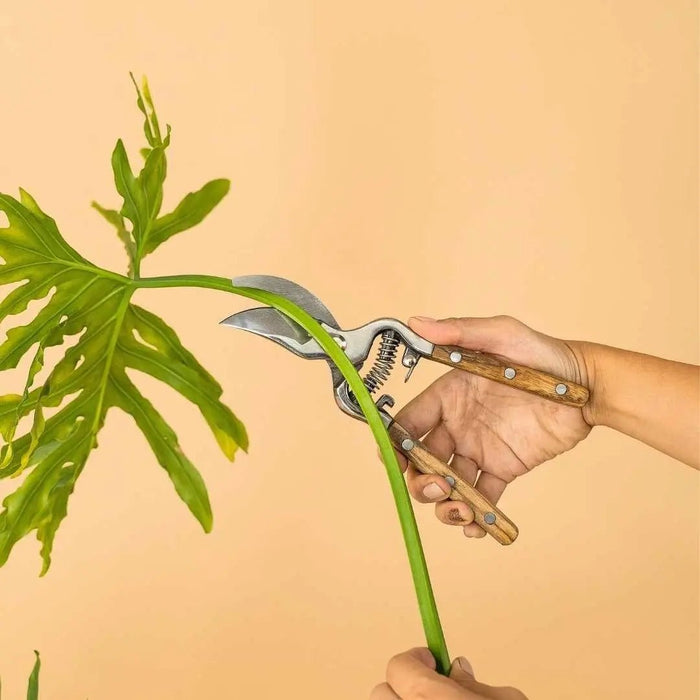
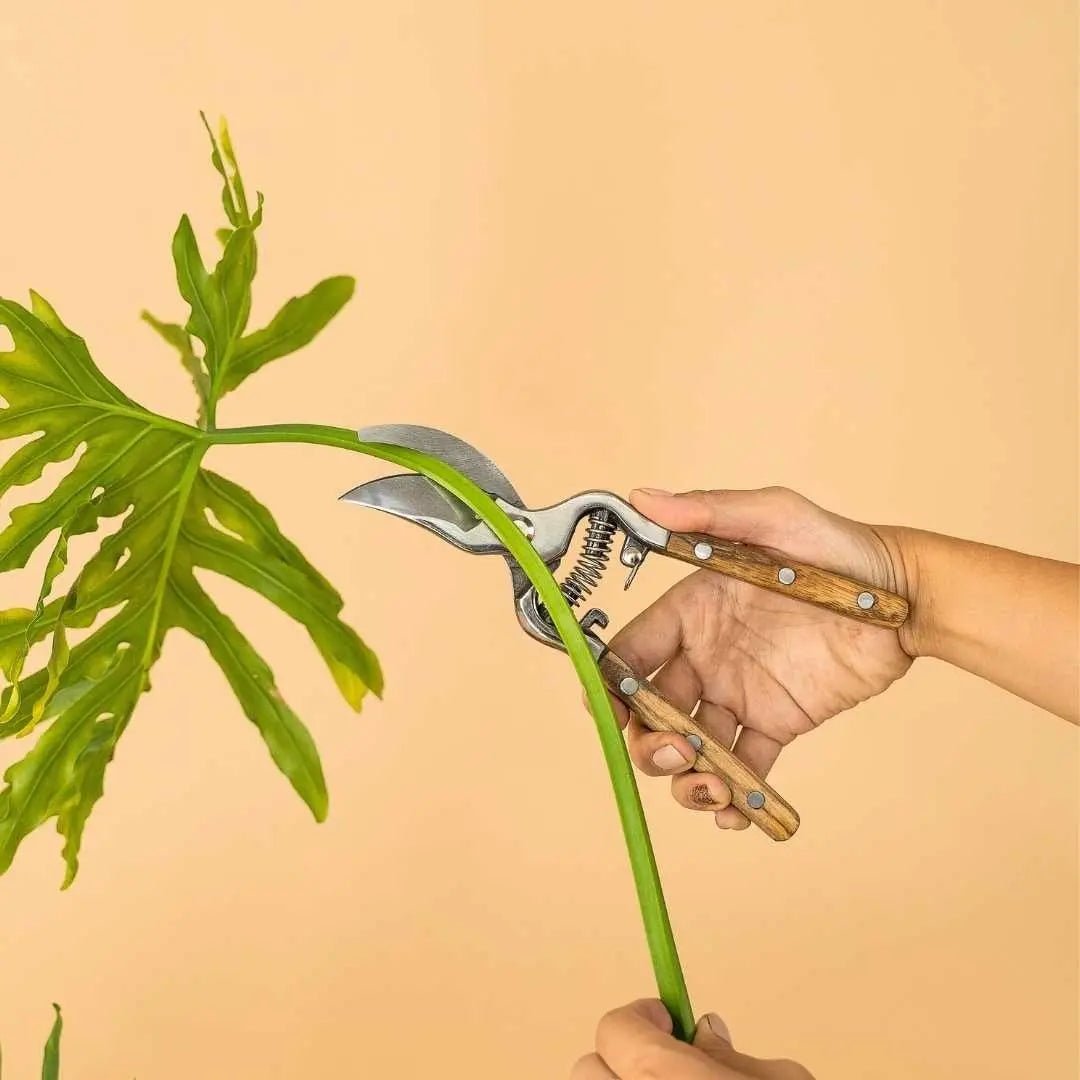
Causes include inconsistent watering, over-fertilising, or low humidity in heavily air-conditioned rooms. Trim the brown tips with clean scissors at a slight angle to maintain a natural point shape.
Drooping or Leaning Leaves
Overwatering causes leaves to soften and lean. Underwatering is less likely but possible in extremely neglected plants. Check the soil and roots to diagnose.
Scarring and Mechanical Damage
Snake Plant leaves do not heal from physical damage — scars are permanent. Be careful when moving pots and keep plants away from high-traffic areas where leaves might get bumped.
Pests
Snake Plants are relatively pest-resistant, but mealybugs and spider mites can occasionally appear:
- Mealybugs: White cottony masses in leaf crevices. Treat with isopropyl alcohol on a cotton bud.
- Spider mites: Fine webbing on leaves, usually in dry conditions. Wipe leaves with a damp cloth and increase humidity.
Styling Snake Plants
The architectural form of Snake Plants makes them versatile design elements:
- Floor statement: A tall Laurentii or Zeylanica in a white or terracotta pot anchors an entryway or living room corner
- Desk companion: A compact Hahnii variety adds greenery to a workspace without taking up much room
- Bedroom plant: Place on a nightstand — the nighttime oxygen production makes it a popular bedroom choice
- Bathroom accent: If your bathroom has a small window, a Snake Plant handles the humidity and low light
- Grouped display: Multiple varieties of different heights and forms create a striking collection display
- Corridor filler: The one plant that can handle the light-deprived HDB corridor
Shop Snake Plants
Browse our selection of indoor plants including Snake Plant varieties perfect for every room and skill level. We deliver healthy, well-rooted plants across Singapore.
The Snake Plant is not glamorous. It does not flower often, it does not trail dramatically, and it does not unfurl spectacular new leaves every week. What it does is survive — and thrive — in conditions that would defeat most other plants. For Singapore homes where life is busy, spaces are compact, and air conditioning runs constantly, the Snake Plant is not just a good choice. It is the best choice.
Quick summary
Key Takeaways
- Why Snake Plants Are Perfect for Singapore
- Popular Varieties
- Light
- Watering
- Soil
- Pot Selection
Ready to bring some green into your home?
Browse 250+ hand-picked plants, curated for Singapore homes — delivered to your door.
Browse All Plants →