
















How to Create a Plant Corner in Your Singapore Home | Tumbleweed Plants Singapore
Posted on April 10 2026
In this article

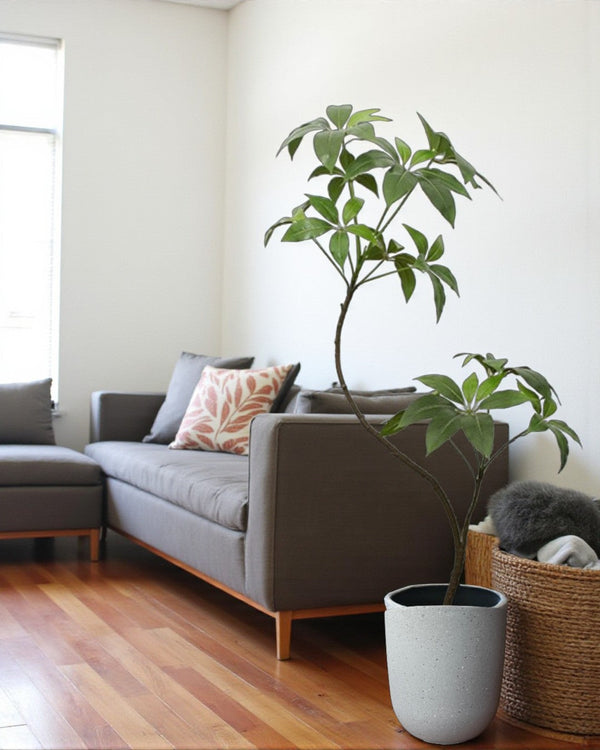
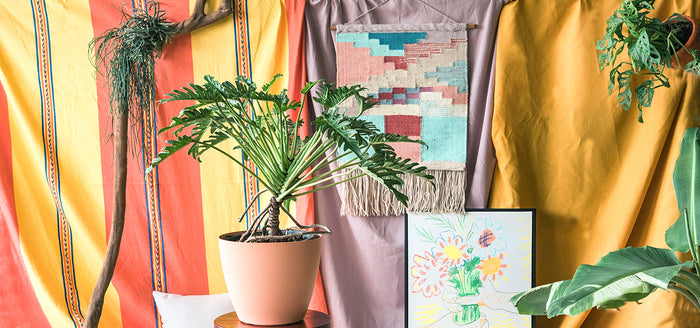
Every room has a corner that does nothing. It sits there, empty, collecting dust and dead space. Maybe it is next to the sofa. Maybe it is by the window. Maybe it is that awkward spot where two walls meet near the entrance. Whatever corner you are thinking of right now — that is where your plant corner goes.
A plant corner is the simplest, highest-impact interior change you can make. A cluster of plants at varying heights transforms dead space into a living focal point. It takes 30 minutes to set up, costs less than a piece of furniture, and looks like you hired an interior designer.
Choosing Your Corner
Light First
The best plant corner is the one with the best light. Walk through your home and identify corners that receive:
Bright indirect light (within 1-2m of a window): You can grow almost anything. This is the ideal plant corner location.
Medium light (2-3m from a window or near a shaded window): Good for most common houseplants. Some variety limitations.
Low light (far from windows, interior walls): Limited to low-light champions — Snake Plant, ZZ Plant, Pothos, Peace Lily.
Space Assessment
Measure the corner. You need:
- Floor space: At least 60cm x 60cm for a basic arrangement
- Height clearance: At least 1.5m for a tall statement plant
- Wall space: Clear wall behind the plants (no shelves or art that compete)
Practical Access
You will need to water these plants. Ensure you can reach every pot without moving furniture. Also check:
- Is the floor protected? (Use pot coasters on wood or laminate)
- Is there an electrical outlet you are blocking? (Move the corner slightly)
- Is there an AC vent directly above? (Avoid — cold drafts stress plants)
The Three-Layer Formula

Every great plant corner uses three height layers:
Layer 1: The Tall Anchor (120-180cm)
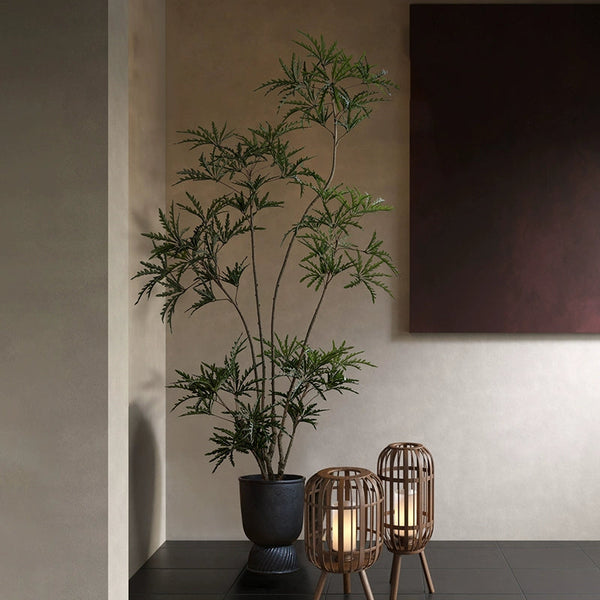
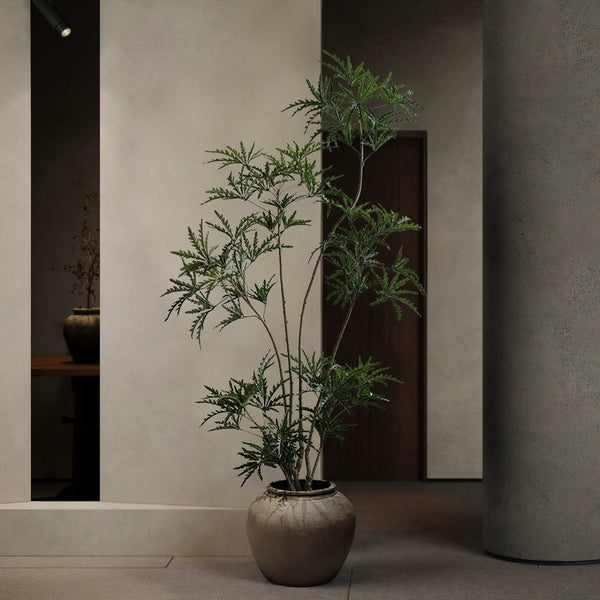
One large floor plant that sets the vertical scale. This is the centrepiece — the plant people see first.
Best choices:
- Monstera deliciosa — Iconic split leaves, tropical drama
- Bird of Paradise — Tall, architectural, sculptural
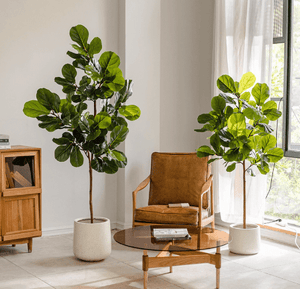
- Fiddle Leaf Fig — Statement tree form with large, violin-shaped leaves
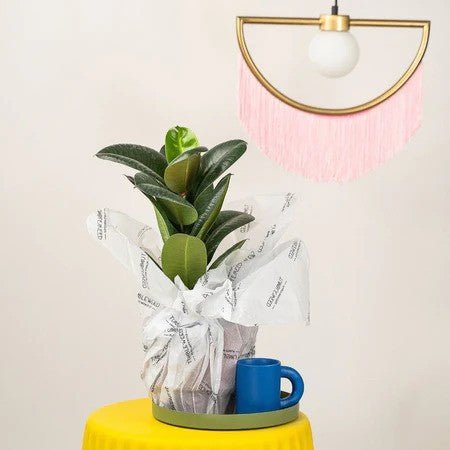
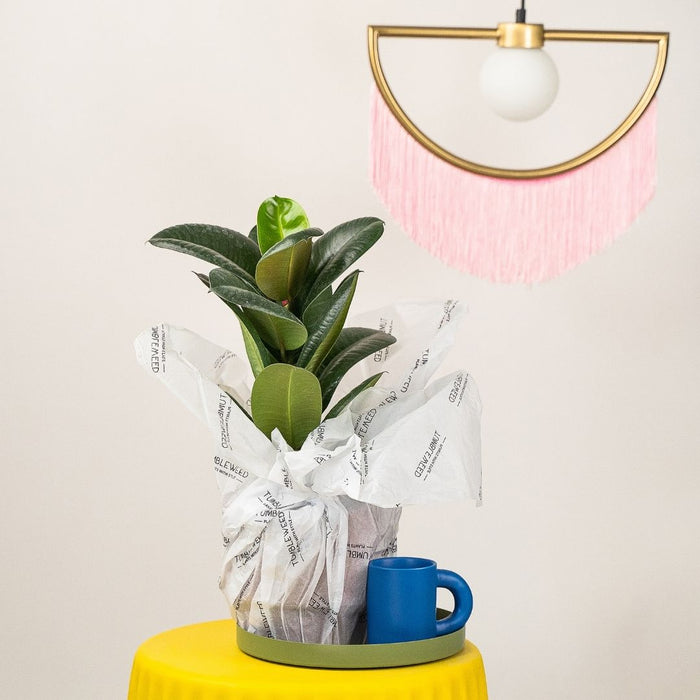
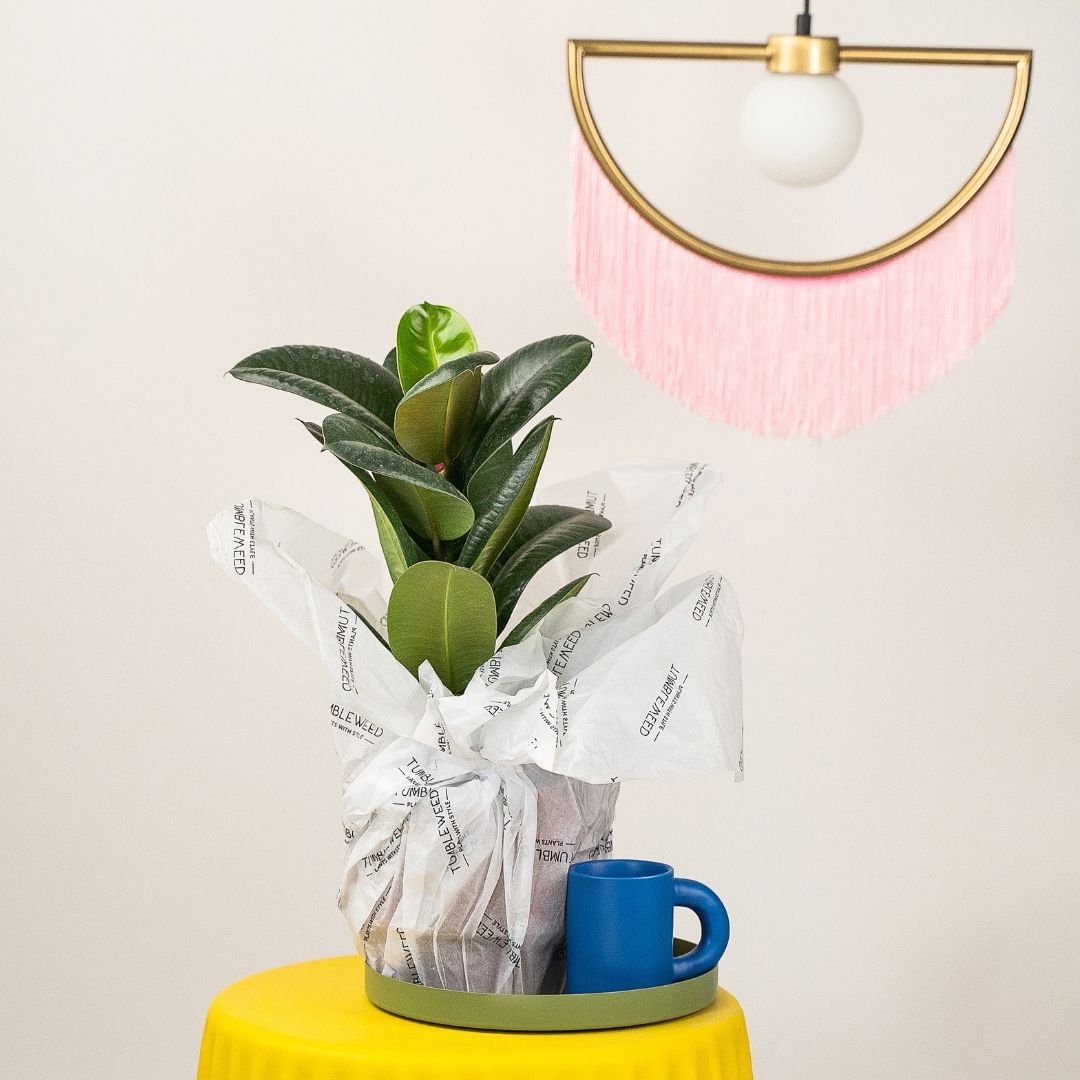
- Rubber Plant — Glossy, upright, reliable
- Dracaena — Columnar form, multiple varieties
Place this plant at the back of the arrangement, closest to the wall.
Layer 2: The Medium Fill (40-80cm)
Two or three medium plants that create body and volume around the anchor.
Best choices:
- Aglaonema — Colourful foliage adds contrast
- Peace Lily — White blooms, dark foliage
- Calathea — Patterned leaves for visual interest
- ZZ Plant — Glossy, structured form
- Philodendron — Bushy varieties fill space well
Place these in front of and beside the tall anchor, slightly forward.
Layer 3: The Low Detail (15-40cm)
Small plants, trailing plants, and accents that fill the ground level and add texture.
Best choices:
- Pothos in a small pot, trailing across the floor
- Peperomia — Compact and textured
- Small Snake Plant (bird's nest variety)
- Succulents (if the corner gets bright light)
- Propagation jars — Glass vessels with cuttings rooting in water
Place these at the very front of the arrangement.
Elevation and Dimension
Plant Stands
A plant stand lifts a medium plant to a different height, breaking the flat ground line. One plant on a stand among floor-level pots creates instant depth.
Types:
- Metal plant stands (modern, minimal)
- Wooden stools or side tables repurposed as plant platforms
- Tiered stands that hold multiple small plants vertically
Stacking and Risers
Use stacked books, overturned pots, or small crates to elevate certain plants above others. Even 10-15cm of elevation creates visual separation.
Hanging Elements
If the corner is near a beam or you can use a freestanding hook, one hanging plant above the arrangement adds a vertical dimension that ground-level plants cannot achieve. A trailing Pothos or Philodendron cascading from above completes the layered look.
Pot Cohesion

Matching vs. Complementary
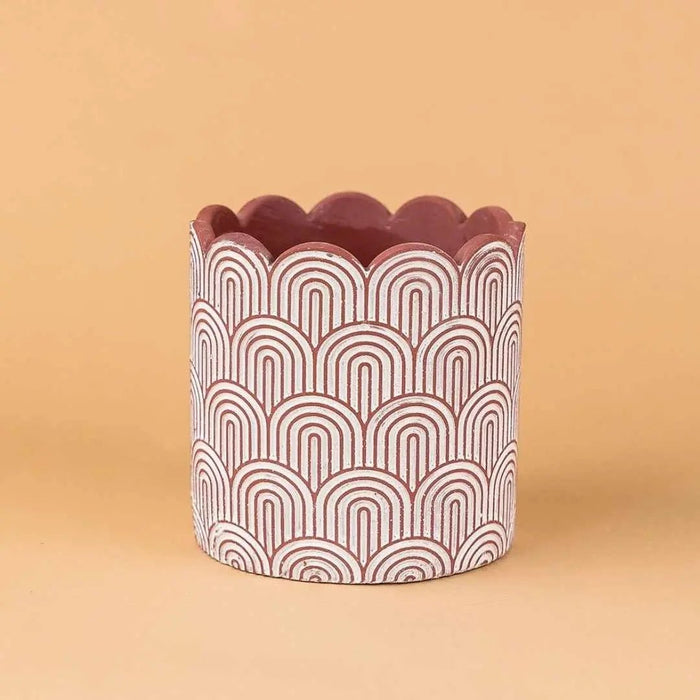
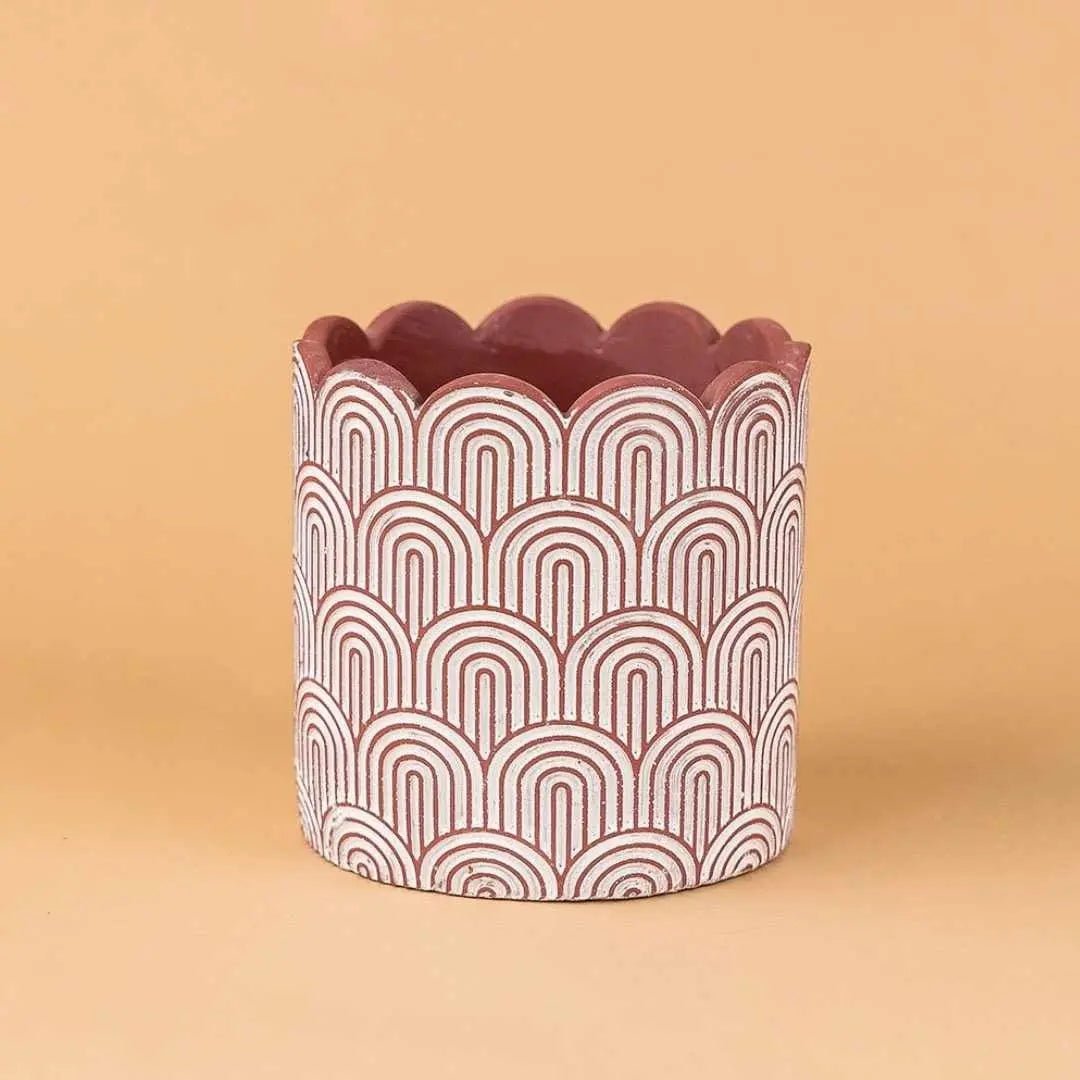
Matching pots (same colour, same material) create a polished, intentional look. White ceramics are the safest choice — they suit any plant and any interior.
Complementary pots (same family of materials but different shapes/sizes) create a collected, curated look. For example: all terracotta but in different sizes and shapes.
Avoid: Random pots in every colour and style. The plants should be diverse; the pots should be cohesive.
Colour Palette
Pick one:
- All white — Clean, modern, lets the greenery stand out
- All terracotta — Warm, natural, Mediterranean feel
- Matte black — Dramatic, contemporary
- Mixed neutrals — White, cream, and light grey together
- One accent — All neutral pots with one coloured pot as a focal point
Arrangement Principles
The Triangle Rule
Viewed from the front, the tallest plant forms the apex of a triangle, with the medium and small plants forming the base. This creates a natural visual flow from top to bottom.
Odd Numbers
Groups of 3, 5, or 7 plants look more natural than groups of 2, 4, or 6. Odd numbers create asymmetry that the eye finds more interesting.
Depth
Do not line plants up in a flat row along the wall. Stagger them — some closer to the wall, some pushed forward. This creates depth and makes the arrangement feel three-dimensional.
Breathing Room
Leave space between pots. Plants that are jammed together look cramped and create airflow problems. Each plant should have room to be seen individually while contributing to the group composition.
Room-Specific Plant Corners

Living Room
The most impactful location. Place the plant corner where it is visible from the main seating area — beside the sofa, near the TV console, or in the corner behind an armchair.
Bedroom
A calming plant corner beside the bed or in a quiet corner. Use lower-key plants — no dramatic statement pieces. Peace Lily, Snake Plant, and small Calathea work well.
Home Office
A plant corner within peripheral vision while working. The attention restoration effect (plants help tired minds recover) works best when greenery is visible but not the focus.
Dining Area
A plant corner near the dining table adds a restaurant-like ambience. Taller plants work well here as they create a sense of enclosure.
Maintenance
Watering
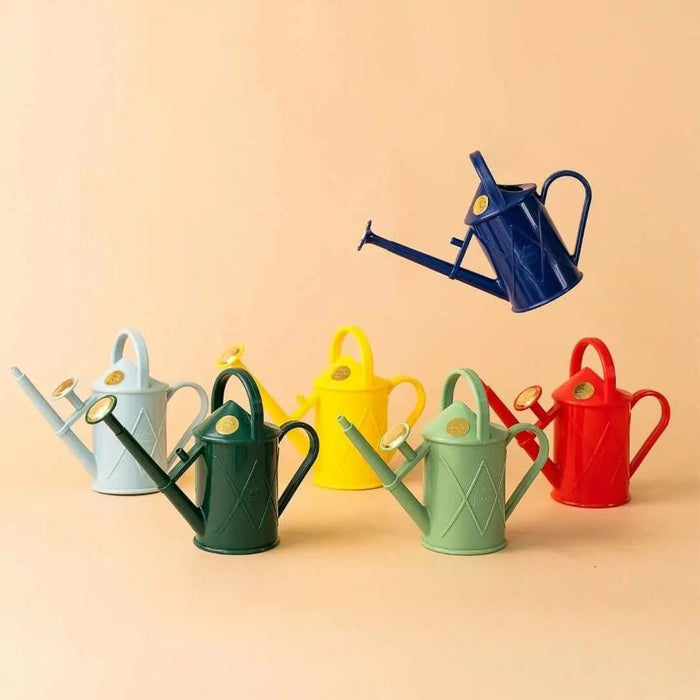
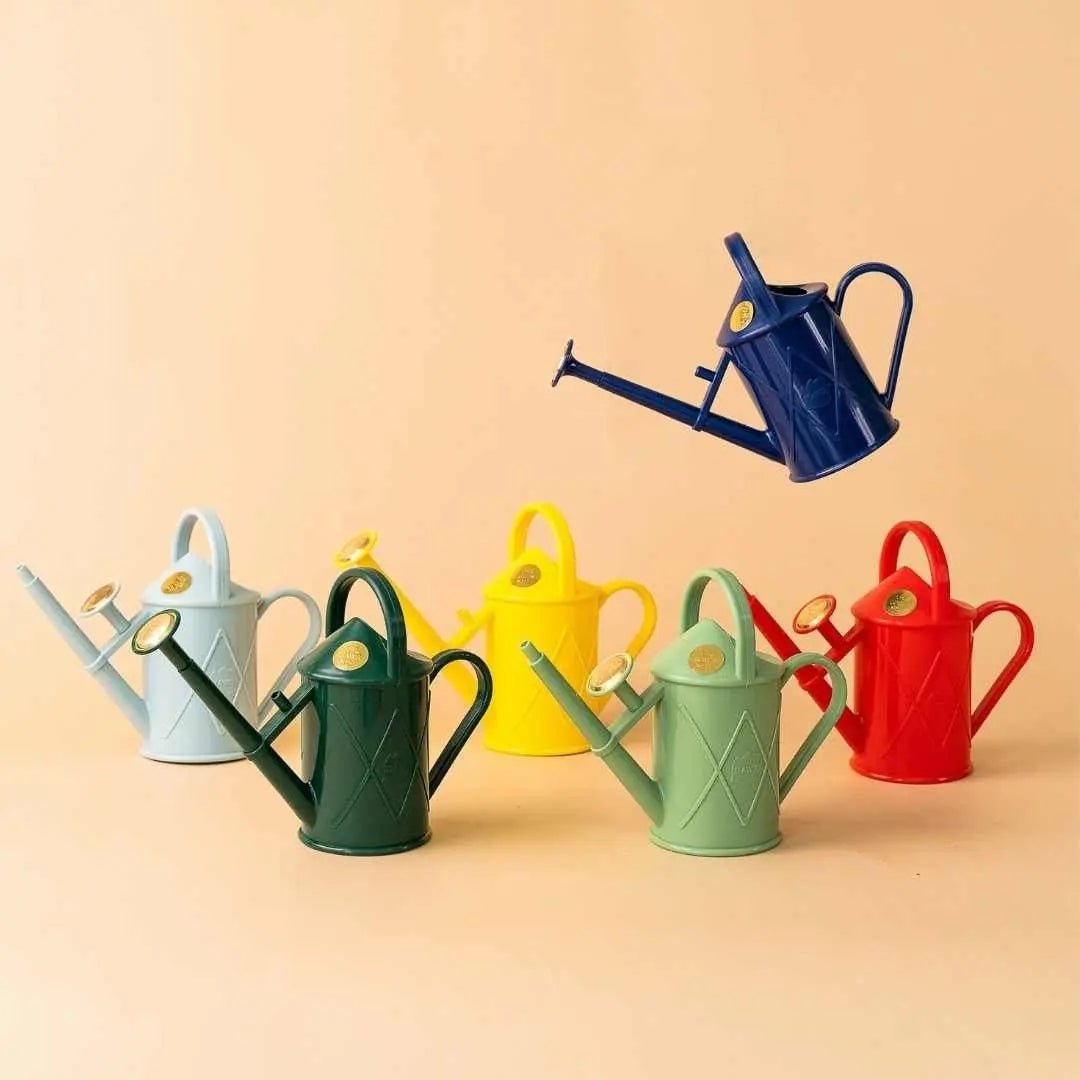
Water all plants in the corner on the same day to create a routine. Use a long-spout watering can for precision between pots. Place saucers under every pot to protect the floor.
Rotation
Rotate each plant 90 degrees every 1-2 weeks for even growth. Plants in corners tend to lean toward the light — regular rotation keeps them symmetrical.
Pruning and Cleaning
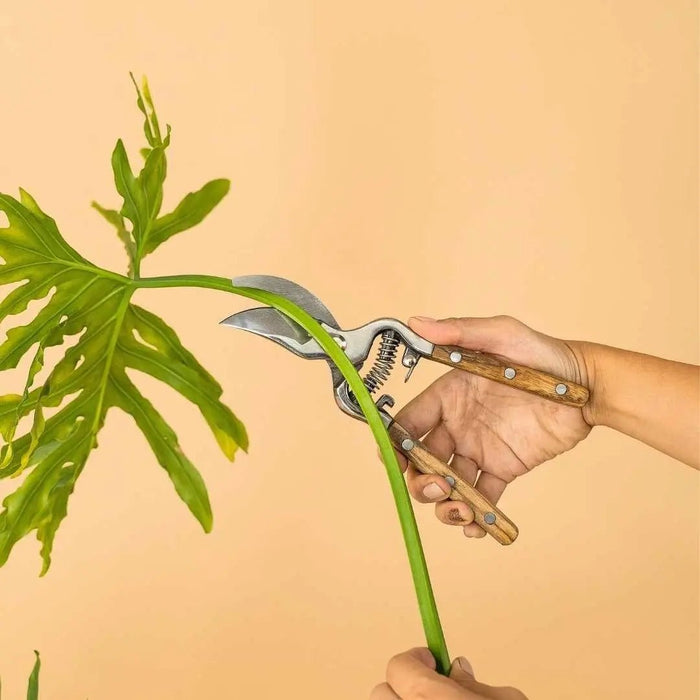
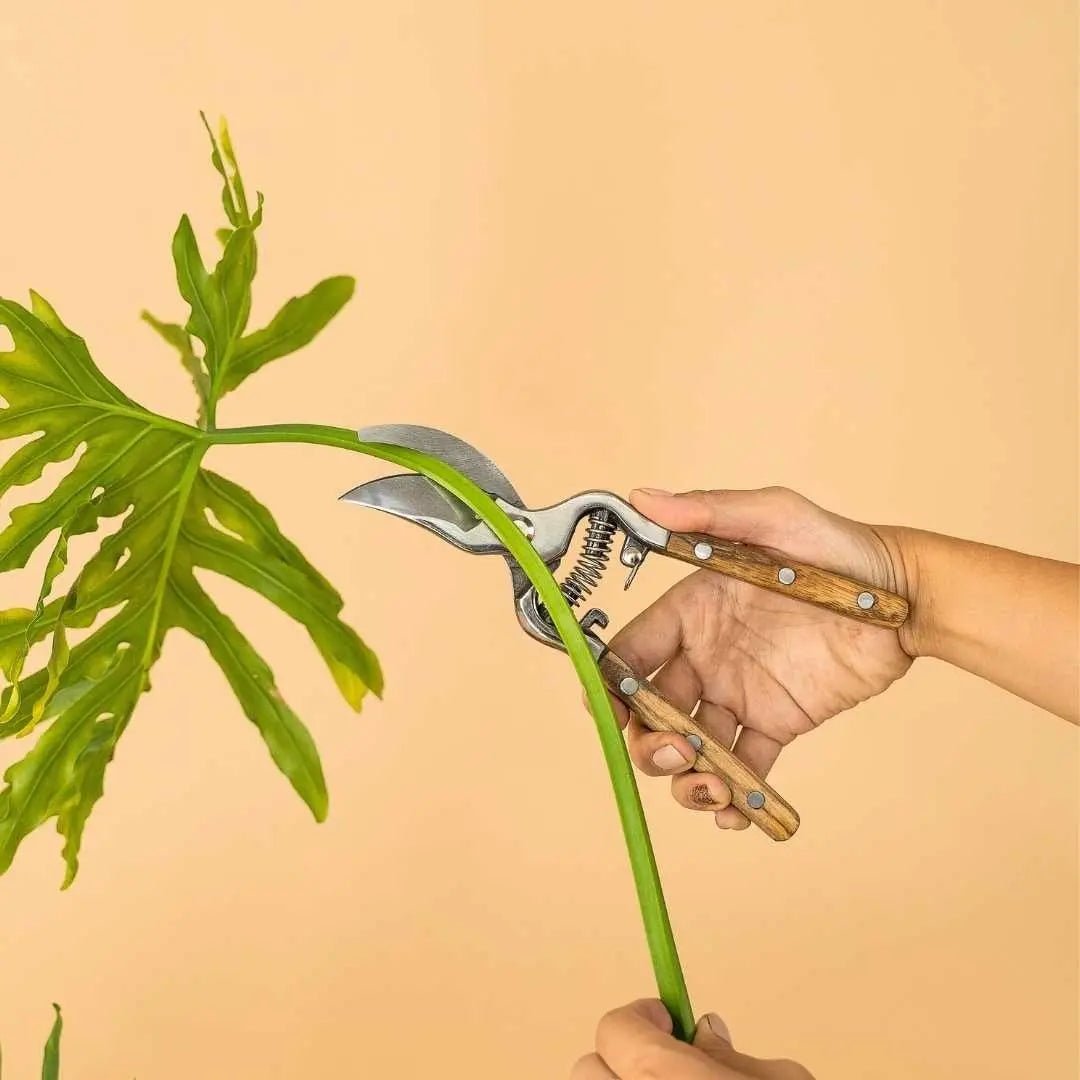
Wipe large leaves monthly. Remove dead or yellowing leaves promptly — they detract from the arrangement's appearance. Trim trailing plants if they become unruly.
Shop Plant Corner Plants
Browse our indoor plant collection for statement plants, medium fillers, and trailing accents delivered across Singapore.
A plant corner is not a garden. It is not a jungle. It is a composed arrangement — deliberate in its heights, cohesive in its pots, and thoughtful in its placement. It takes an empty corner that contributes nothing to your home and turns it into the most alive, most interesting, most photographed spot in the room. Start with one tall plant. Add two medium ones around it. Tuck in something small and trailing at the base. Step back. That corner is no longer dead space. It is the best part of the room.
Quick summary
Key Takeaways
- Choosing Your Corner
- The Three-Layer Formula
- Elevation and Dimension
- Pot Cohesion
- Arrangement Principles
- Room-Specific Plant Corners
Ready to bring some green into your home?
Browse 250+ hand-picked plants, curated for Singapore homes — delivered to your door.
Browse All Plants →