
















How to Create a Plant Shelfie in Singapore | Tumbleweed Plants Singapore
Posted on April 10 2026
In this article

A plant shelfie — a shelf dedicated to displaying plants — has become one of the most popular ways to style greenery in Singapore homes. It is practical (uses vertical space instead of precious floor area), visually impactful (a curated collection on shelves creates a gallery effect), and endlessly customisable (swap plants, rotate positions, add new finds).
The best plant shelfies look effortless. They are not. They follow design principles — balance, contrast, rhythm, negative space — that turn a collection of potted plants into a cohesive display. This guide walks you through creating a plant shelfie that looks like it belongs in a design magazine but functions in real Singapore conditions.
Choosing the Right Shelf
Shelf Types
Open bookshelf (Billy, Kallax-style) — The most common option. Multiple shelves, adjustable heights, and enough depth (25-30cm) for medium plants. Open backs allow light to reach all levels.
Floating shelves — Mounted directly to the wall. Clean, minimal look. Each shelf is independent, so you can arrange at custom heights. Ideal for small spaces. Check weight limits — a heavy pot with wet soil is heavier than you think.
Ladder shelf — Leaning shelves that taper upward. Deeper at the bottom (for larger plants), narrower at the top (for smaller ones). The natural size graduation makes arrangement intuitive.
Corner shelf — Triangular shelves that fit into room corners. Space-efficient for compact HDB flats. Limited depth but creates an interesting vertical garden effect.
Kitchen or bathroom wire rack — Industrial aesthetic. Open wire allows excellent air circulation and light penetration. Good for humidity-loving plants near bathrooms.
Shelf Placement
Near a window — The best position. Plants on the shelf receive natural light, and the shelf does not block the window for the rest of the room.
Against a white or light wall — Light walls reflect light back onto the plants and create a clean backdrop that makes green foliage pop.
Room divider position — An open bookshelf in the middle of an open-plan room serves as both plant display and room divider. Looks stunning from both sides.
Avoid: Direct afternoon sun (scorches plants), very dark corners (most plants will struggle), and positions directly under AC vents (dry air damages foliage).
Selecting Plants for Your Shelfie

Top Shelf (Most Light)
Place light-loving plants on the highest shelves:
- Succulents and Haworthia (if shelf is near a window)
- String of Hearts or String of Pearls (trailing down from above)
- Small Hoya varieties
- Propagation jars with cuttings rooting in water
Middle Shelves (Medium Light)
The workhorse shelves — most plants do well here:
- Peperomia varieties (compact, colourful, varied textures)
- Small Aglaonema (pink or silver varieties for colour)
- Small ferns (Button fern, Bird's nest fern)
- Syngonium varieties (bushy or trailing)
- Pothos in small pots (trailing off shelf edges)
Bottom Shelf (Least Light)
Low-light tolerant plants:
- ZZ Plant (compact varieties like 'Zenzi')
- Snake Plant 'Hahnii' (Bird's nest variety — stays small)
- Philodendron (heartleaf varieties)
Trailing vs. Upright Balance
The best plant shelfies mix trailing and upright plants:
- Trailing plants cascade over shelf edges, creating visual flow between levels. Position at the ends of shelves or near the front edge.
- Upright plants add height and structure. Position toward the back of shelves.
- Bushy plants fill the middle ground. Position centrally.
Styling Principles
The Rule of Threes
Group plants in odd numbers (3, 5, 7). Odd-numbered groupings feel more natural and visually interesting than even-numbered ones. On a single shelf, 3 plants of varying sizes is more appealing than 4 of similar size.
Vary Height and Scale
Every shelf should have height variation:
- One taller plant (the anchor)
- One medium plant
- One smaller plant or trailing element
This creates visual rhythm. A shelf of plants that are all the same height looks flat and monotonous.
Create Depth
Place plants at different distances from the shelf edge:
- Trailing plants at the front edge
- Medium plants in the middle
- Taller plants toward the back
This creates depth and makes the shelf feel three-dimensional.
Use Negative Space
Do not fill every centimetre. Leave gaps between plant groupings. Empty space gives the eye a place to rest and makes the plants you do have more prominent. A shelf crammed edge-to-edge looks cluttered, not curated.
Mix Textures
Combine different leaf textures:
- Glossy (Pothos, ZZ Plant)
- Matte (Calathea, Peperomia obtusifolia)
- Fuzzy (certain Begonias)
- Fine and feathery (Ferns)
- Thick and succulent (Haworthia, Peperomia graveolens)
Texture contrast makes each plant stand out against its neighbours.
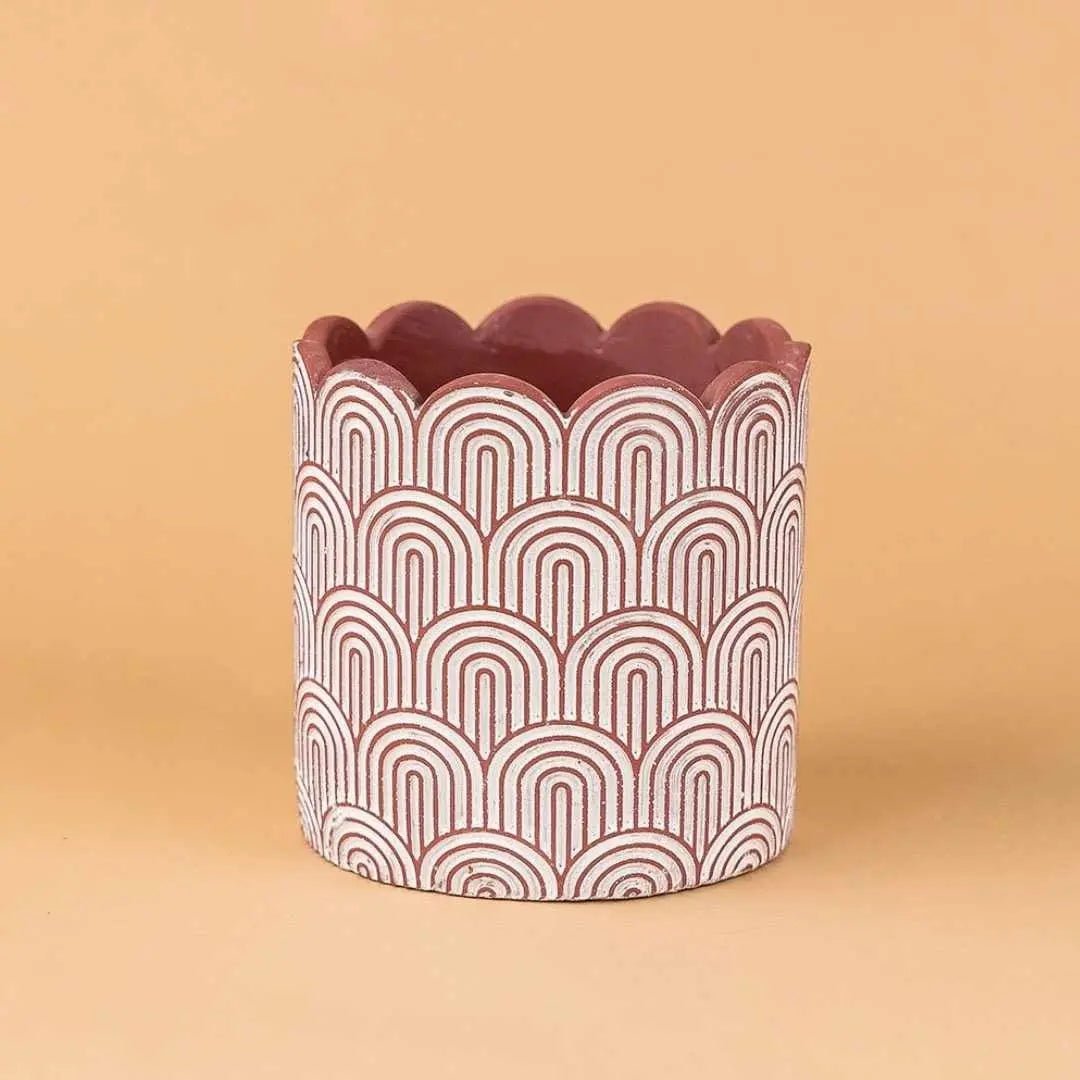
Coordinate Pots
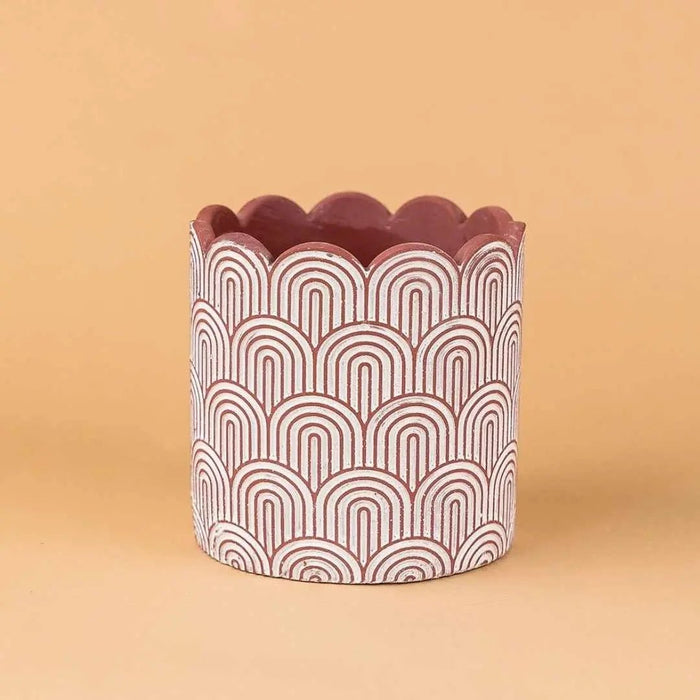
Pots should complement, not compete with, the plants:
- Matching set: All pots in the same colour or material creates a cohesive, modern look
- Coordinated palette: Pots in 2-3 complementary colours (e.g., white, terracotta, and sage green)
- Mixed materials: Combine ceramic, concrete, and terracotta for a collected, eclectic feel
Avoid: ten different pot styles and colours on one shelf. The visual noise overwhelms the plants.
Practical Considerations for Singapore

Watering on Shelves
Use saucers or cache pots. Water running off a shelf onto books, electronics, or the floor is a disaster. Every plant on a shelf should have a saucer or sit in a decorative cache pot (outer pot with no drainage hole) to catch excess water.
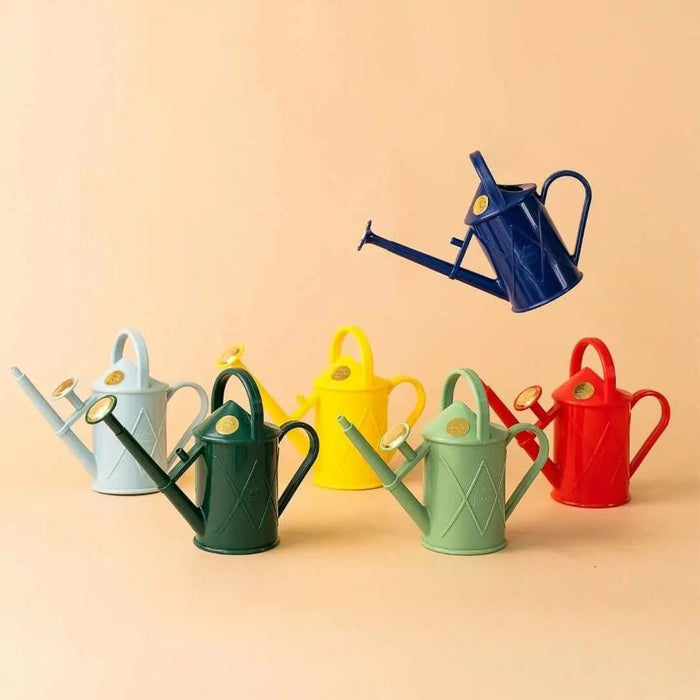
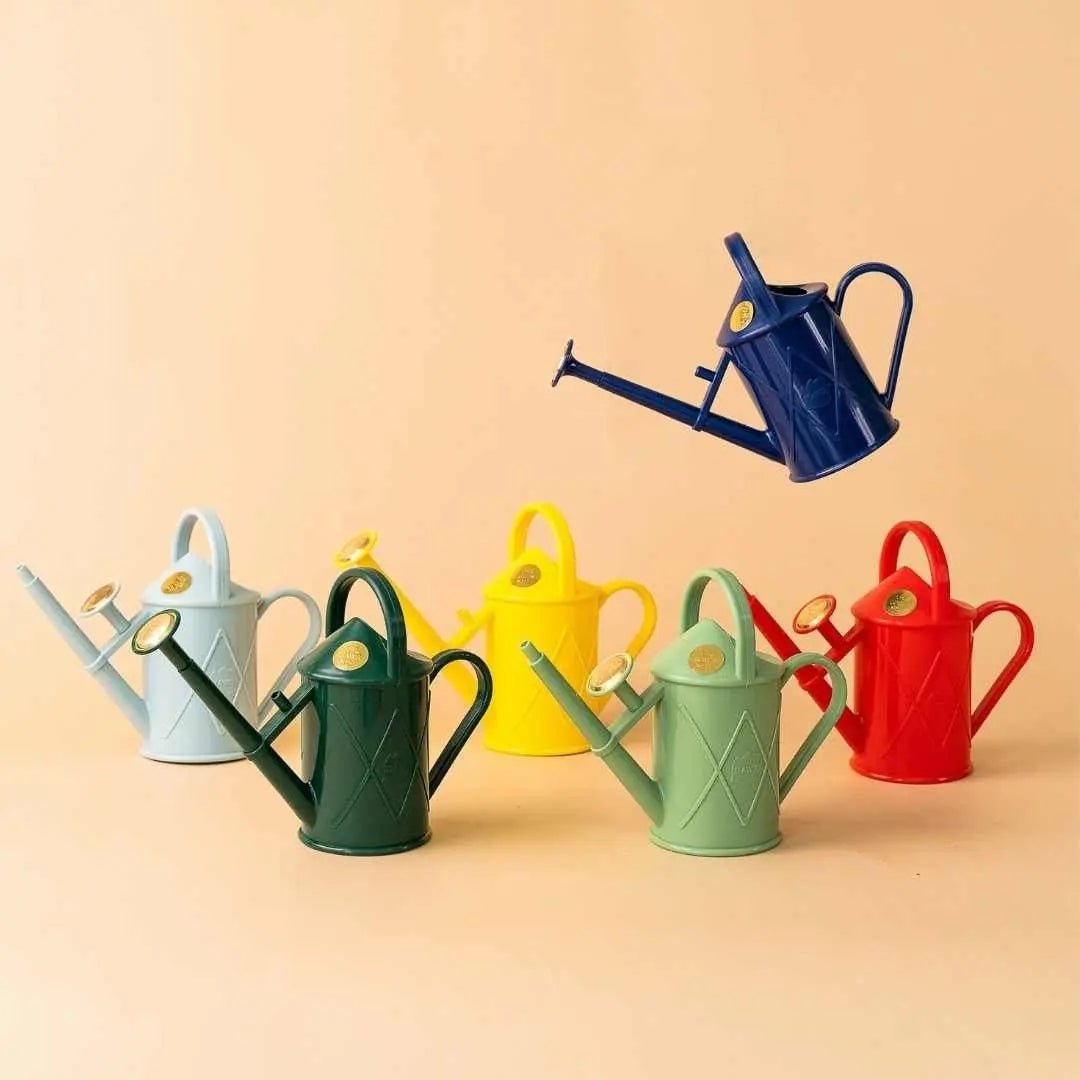
Water carefully. Use a narrow-spout watering can for precision. On shelves, spills are more problematic than on the floor.
Remove for heavy watering. For a thorough soak-and-drain watering, take the plant off the shelf, water in the sink, and return once fully drained.
Light Management
Rotate plants monthly. Plants on shelves grow toward the light source. Rotate 90 degrees each month for even growth.
Consider grow lights. For shelfies far from windows, a small LED grow light clipped to the top shelf provides supplemental light for all levels below. Modern grow lights are discreet and effective.
Observe seasonal changes. Singapore's sun angle shifts slightly between months. A shelf that gets adequate light in June may be dimmer in December. Adjust plant positions if you notice declining growth.
Humidity and Airflow
Group humidity lovers together. Plants clustered together create a microclimate with slightly higher humidity — beneficial for ferns and Calathea on the same shelf.
Ensure airflow. Do not pack plants so tightly that air cannot circulate. Poor airflow promotes fungal issues, especially in Singapore's humid climate.
Adding Non-Plant Elements
The best plant shelfies include non-plant elements that complement the display:
- Books — Stacked horizontally as risers for small plants, or standing upright as visual anchors
- Candles — Add warmth and texture (unscented near plants to avoid chemical exposure)
- Small art prints or postcards — Leaned against the back wall for visual interest
- Ceramic objects — A small vase, figurine, or decorative object breaks up the green
- Propagation jars — Glass jars with cuttings rooting in water add visual interest and function
Ratio: 70-80% plants, 20-30% non-plant elements. The plants are the star; everything else is supporting cast.
Shop Plants for Your Shelfie

Browse our indoor plant collection for shelf-friendly plants delivered across Singapore. From compact Peperomia to trailing Pothos, we have the plants that make a shelfie shine.
A plant shelfie is a living art installation that changes with every new leaf, every prune, every swap. It is never finished — and that is the point. Start with a shelf and three plants. Arrange, step back, adjust. Add a trailing plant here, a pop of pink there. The shelfie evolves with your collection, your taste, and your growing confidence as a plant person.
Quick summary
Key Takeaways
- Choosing the Right Shelf
- Selecting Plants for Your Shelfie
- Styling Principles
- Practical Considerations for Singapore
- Adding Non-Plant Elements
- Shop Plants for Your Shelfie
Ready to bring some green into your home?
Browse 250+ hand-picked plants, curated for Singapore homes — delivered to your door.
Browse All Plants →