















How to Create a Plant Shelfie in Singapore | Tumbleweed Plants Singapore
Posted on April 15 2026
In this article

The plant shelfie — a curated shelf display of houseplants — has become one of the most popular ways to showcase a plant collection in Singapore homes. It combines the joy of collecting with interior styling, turns a vertical surface into a living feature wall, and photographs beautifully for social media. But the difference between a shelf with plants on it and a genuine plant shelfie is deliberate design.
This guide covers everything: shelf selection, plant placement, styling principles, and practical care considerations for keeping your shelfie thriving in Singapore's conditions.
Choosing Your Shelf
Floating Shelves
Best for: Clean, modern look. Multiple shelves at different heights create a gallery effect.
Considerations: Weight capacity matters — a large pot of wet soil is heavy. Check the shelf's rated capacity before loading. Most standard floating shelves support 5-10kg per shelf, which limits you to small and medium plants.
HDB note: Floating shelves require wall anchoring. Use appropriate anchors for concrete walls (common in HDB). Avoid mounting on partition walls unless you are certain of the wall's load capacity.
Bookshelf / Shelving Unit
Best for: Maximum display space. A full bookshelf dedicated to plants creates a dramatic green wall effect.
Considerations: Freestanding units do not require wall mounting. IKEA Kallax, Billy, and Lerberg shelves are popular choices in Singapore. Depth matters — most houseplant pots need at least 20cm depth.
Ladder Shelf
Best for: Small spaces. A ladder shelf leans against the wall and offers tiered display without a large footprint.
Considerations: Stability — ensure it is properly secured. The angled design means upper shelves are shallower, limiting pot size at the top.
Wall-Mounted Grid or Pegboard
Best for: Small trailing plants in lightweight pots. Creates a flexible, modular display that can be rearranged easily.
Considerations: Limited to very light plants and small pots. Best combined with other shelf types.
Placement: Where to Put Your Shelf

Near a Window
The ideal position. Plants need light, and a shelf near a window provides it. The shelves closest to the window get the most light — place light-hungry plants there and shade-tolerant plants on the lower or further shelves.
Best windows in Singapore:
- East-facing: Gentle morning light. Excellent for most houseplants.
- North-facing: Consistent indirect light throughout the day. Great for foliage plants.
- West-facing: Stronger afternoon light. Good for plants that tolerate brighter conditions.
- South-facing: Can get intense direct light. Use sheer curtains to filter.
Against an Interior Wall
Possible but challenging. Plants on shelves far from windows will get significantly less light. Choose extremely low-light-tolerant species (Snake Plant, ZZ Plant, Pothos) and accept slower growth and less vibrant colouring.
In the Living Room
The most common location — where the shelfie will be seen and appreciated most. Position near seating areas for maximum visual impact.
Plant Selection
The Star Plant
Every shelfie needs one plant that draws the eye — the centrepiece that anchors the arrangement.
Options:
- A trailing Pothos with long vines cascading down multiple shelf levels
- A colourful Aglaonema with vivid pink or red foliage
- A Calathea with dramatic patterned leaves
- A Begonia rex with metallic, painted foliage
The Supporting Cast
Plants that complement the star without competing for attention:
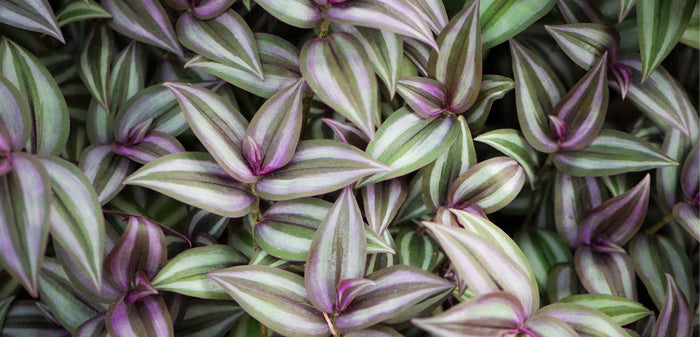
- Trailing plants — Pothos, String of Hearts, String of Pearls, Tradescantia. These soften shelf edges and create visual flow between levels.
- Compact upright plants — Peperomia, small Snake Plant, Pilea. These provide structure and height variation.
- Textural plants — Ferns, small Calathea, Begonia. These add visual interest through leaf shape and pattern.
Variety Principles
Mix leaf sizes. Combine large-leaved plants with small-leaved ones. A Monstera cutting next to a String of Pearls creates pleasing contrast.
Mix leaf shapes. Round leaves, pointed leaves, heart-shaped leaves, feathery leaves. Variety prevents visual monotony.
Mix growth habits. Upright, trailing, and compact plants together create a dynamic, three-dimensional display.
Limit the colour palette. Too many colours creates visual chaos. Choose a theme: all greens with one pop of colour, or a green-and-pink combination, or various shades of green with silver accents.
Styling the Shelfie

The Rule of Odds
Groups of 3 or 5 plants look more natural than groups of 2 or 4. Our brains process odd-numbered groups as more organic and visually appealing.
Height Variation
Not every plant should be at the same height. Use plant stands, stacked books, or elevated pot holders to create different heights within a single shelf level. This adds depth and dimension.
Negative Space
Do not fill every centimetre of shelf space. Leave gaps between plants. The empty space makes each plant more visible and prevents the arrangement from looking cluttered. A shelfie that is 60-70% plants and 30-40% space looks better than one that is 100% packed.
Non-Plant Elements
Mix in non-plant items to create a curated look:
- Small ceramic objects or sculptures
- Books (real ones, not decorative spines)
- Candles
- Small framed photos or prints
- Decorative stones or crystals
These items prevent the shelf from looking like a nursery display and integrate it into your home's overall aesthetic.
Pot Cohesion
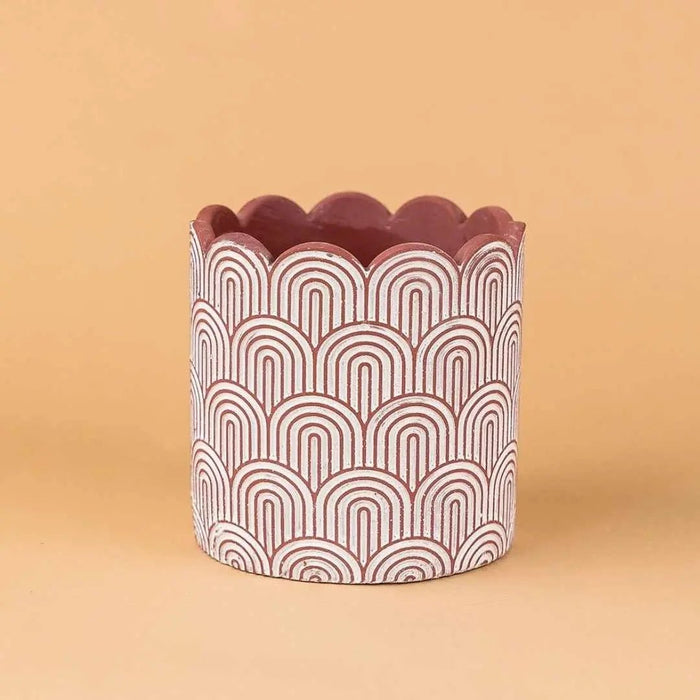
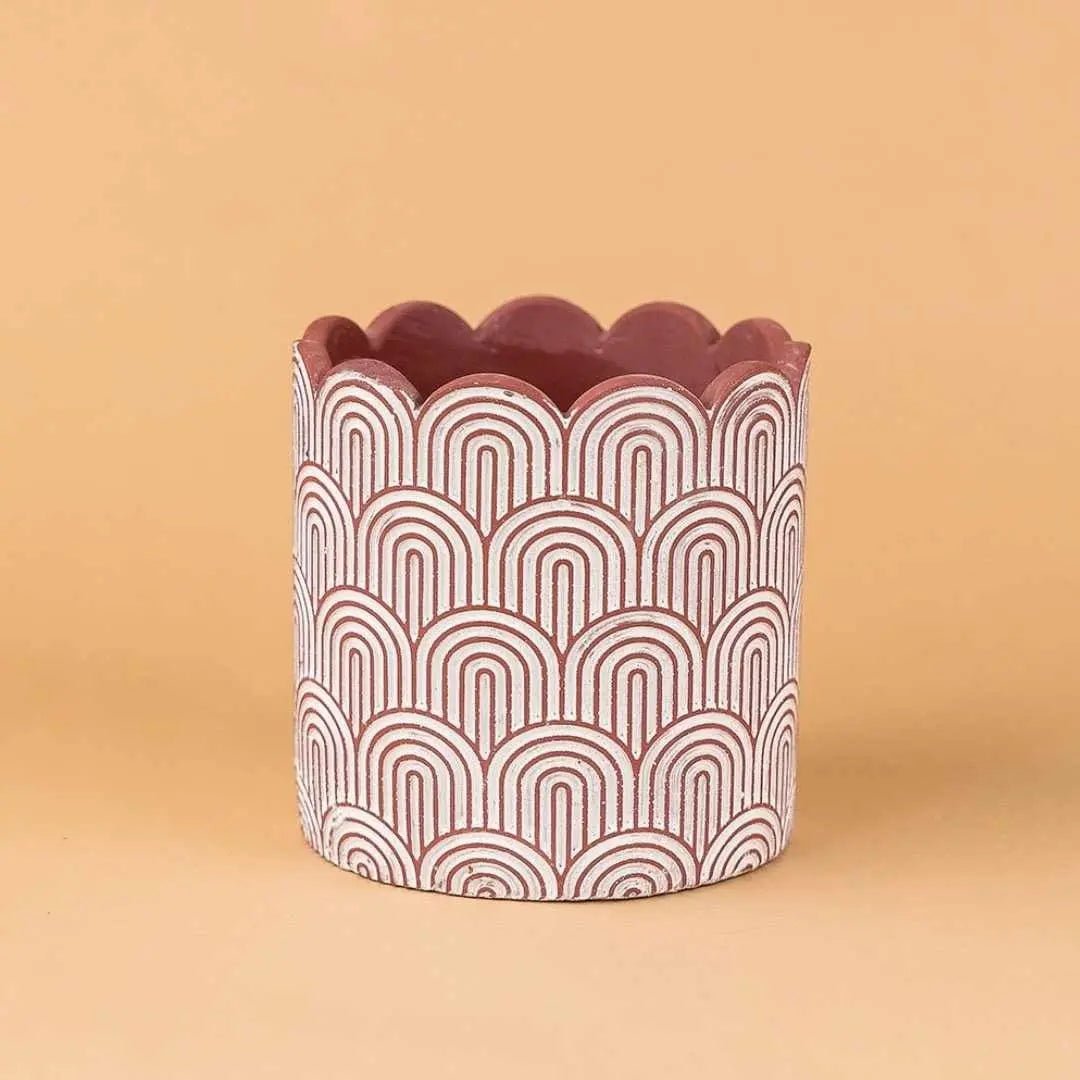
Use pots that share a common element — same colour family, same material, or same shape. This does not mean identical pots (that can look sterile), but a unifying thread that ties the display together.
Cohesive combinations:
- All terracotta in different sizes
- White and cream ceramics with varied textures
- Matte black pots with one metallic accent
- Mixed materials but all in the same neutral tone
Practical Considerations
Watering
Watering plants on shelves can be messy. Solutions:
- Remove plants from shelves to water, then return after draining
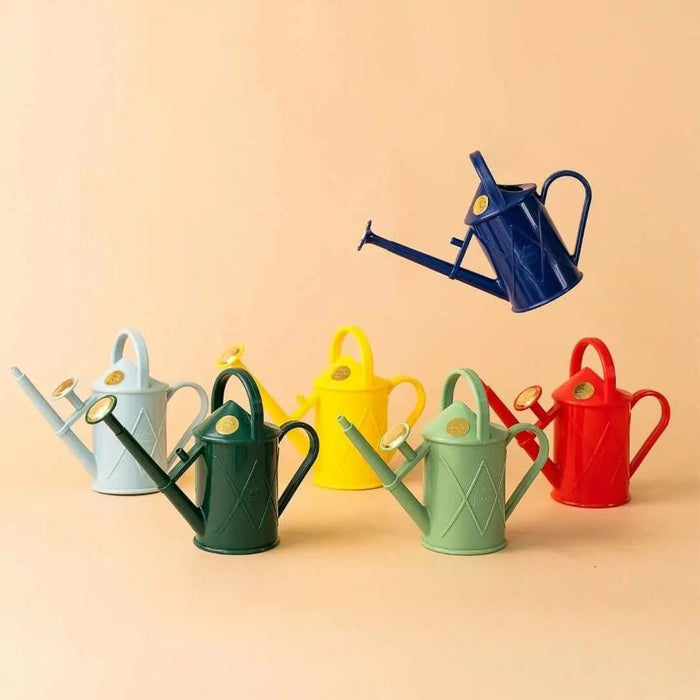
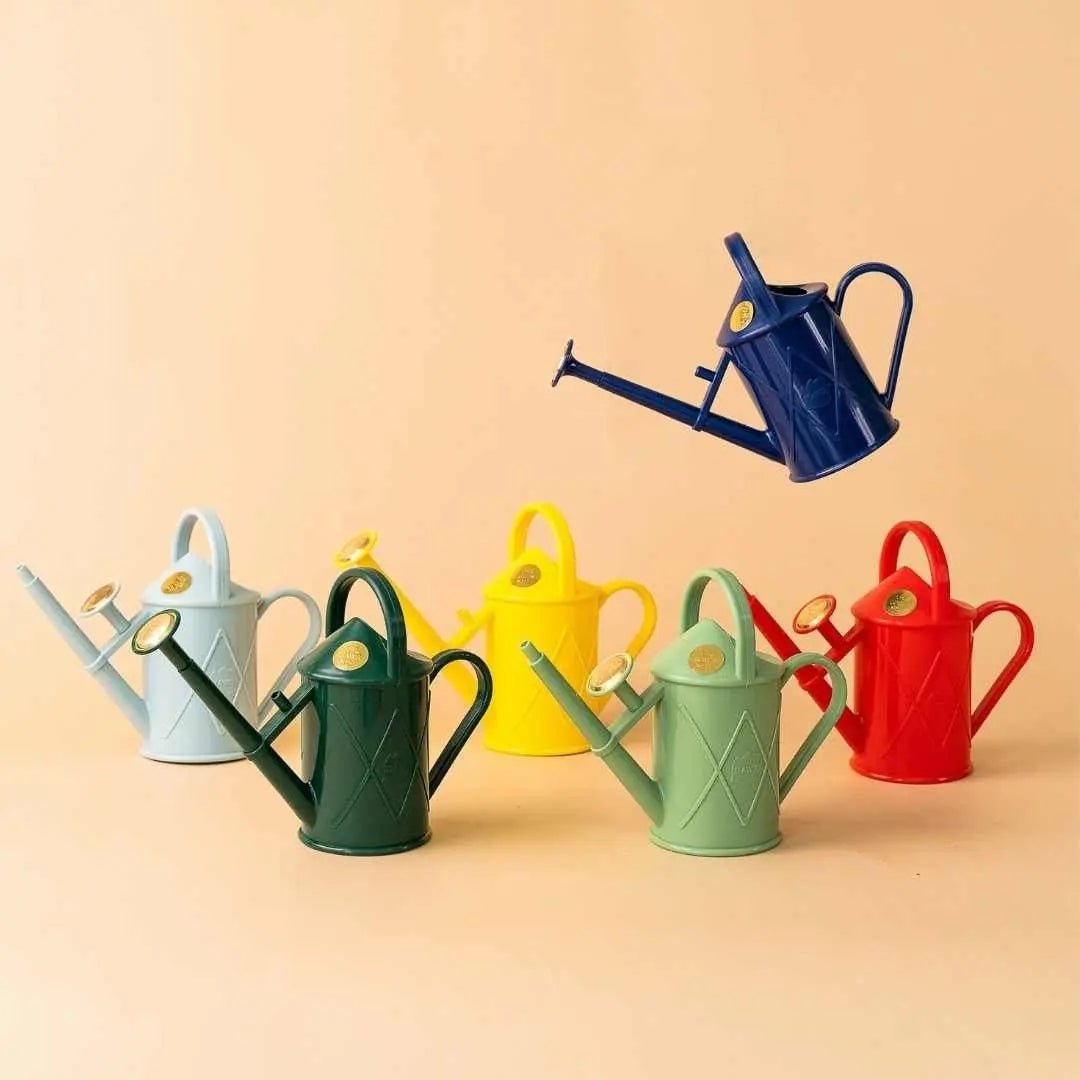
- Use a narrow-spout watering can for precision
- Place saucers under every pot (and check they do not overflow)
- Consider self-watering pots for hard-to-reach positions
Light Distribution
Plants on upper shelves near windows may block light from reaching lower shelves. Rotate plants periodically — move shade-tolerant plants to the back or bottom, and light-loving plants to the front or top.
Weight
Wet soil is heavy. A medium pot (15-20cm) with soil and water can weigh 3-5kg. Multiple pots on a single shelf can exceed weight limits. Check your shelf's capacity and distribute weight evenly.
Humidity and AC
In Singapore's air-conditioned rooms, shelves near AC vents create a drying microclimate. Avoid positioning plant shelves directly in the path of AC airflow. Group plants together to create shared humidity.
Maintenance Access
Can you easily reach every plant for watering, pruning, and inspection? If a plant is inaccessible, it will be neglected. Position the most demanding plants at accessible heights.
The Instagram Shot

If you are photographing your shelfie:
- Natural light — Photograph during the day with natural light for the most accurate colours
- Straight-on angle — A level, straight-on shot shows the full arrangement
- Detail shots — Close-ups of individual plants or sections add variety to your feed
- Consistent editing — Light, bright edits that enhance natural colours without heavy filters
Shop Plants
Browse our indoor plant collection for shelfie-worthy plants delivered across Singapore.
A plant shelfie is where collecting meets styling — the intersection of plant love and interior design. In Singapore, where HDB and condo living often means limited floor space, going vertical with a plant shelf is one of the most space-efficient ways to build a collection. The key is treating it as a composition, not a storage solution. Every plant, every pot, every gap is intentional. The trailing Pothos cascading from the top shelf, the compact Peperomia anchoring the middle, the books and ceramics creating breathing room between the greens — these details transform a shelf into a living artwork. And unlike wall art, your shelfie grows, changes, and evolves. New plants join. Vines lengthen. Cuttings root and earn their place. It is a display that is never truly finished — and that is exactly the point.
Quick summary
Key Takeaways
- Choosing Your Shelf
- Placement: Where to Put Your Shelf
- Plant Selection
- Styling the Shelfie
- Practical Considerations
- The Instagram Shot
Ready to bring some green into your home?
Browse 250+ hand-picked plants, curated for Singapore homes — delivered to your door.
Browse All Plants →