

















How to Create a Plant Shelfie: Instagram-Worthy Plant Displays
Posted on April 09 2026
In this article

The plant shelfie — a curated arrangement of plants on shelves, captured in a single frame — has become one of the most popular interior design trends on social media. And for good reason. A well-styled plant shelf combines the joy of plant collecting with the satisfaction of intentional design.
In Singapore's compact apartments, a plant shelfie is also a practical solution: it lets you display a meaningful collection without surrendering floor space.
What Makes a Great Plant Shelfie
Visual Balance
A great plant shelfie is not random. It balances visual weight across the arrangement — heavy, dense plants counterbalanced by airy, delicate ones. Tall upright plants paired with trailing cascades. Dark foliage next to bright variegation.
Height Variation
The eye needs movement. Plants at a single height create a flat, uninteresting line. Vary heights using:
- Naturally tall and short plants
- Plant stands and risers on shelves
- Trailing plants that cascade below shelf level
- Hanging plants above the main shelf
Negative Space
Not every centimetre of shelf needs to be filled. Intentional empty space between plants lets each specimen breathe and prevents the display from feeling cluttered.
Texture Contrast
Mix leaf shapes and textures:
- Broad, flat leaves (Monstera, Rubber Plant) next to fine, feathery ones (ferns, Asparagus Fern)
- Smooth, glossy foliage (ZZ Plant, Pothos) next to textured leaves (Calathea, Peperomia caperata)
- Upright structural forms next to soft, trailing shapes
Choosing the Right Shelf

Open Shelving Units
Freestanding shelf units like the IKEA Kallax or ladder shelves provide multiple levels for arrangements. Open-backed shelves let light through — important for plants.
Tip: Position the shelf near a window so all levels receive some light.
Floating Shelves
Wall-mounted floating shelves create a clean, modern backdrop. Install at staggered heights for visual interest.
Tip: Use odd numbers of shelves (3 or 5) for a more natural look.
Window Shelves
Shelves installed across a window maximise light for the plants and create a stunning backlit display.
Tip: Use clear acrylic shelves to allow maximum light penetration to lower levels.
Bookshelf Integration
Mixing plants into an existing bookshelf creates a lived-in, organic feel. Plants break up the visual monotony of rows of books.
Tip: Choose trailing plants for top shelves and compact upright plants for spaces between books.
Best Plants for Shelfies
Trailing Plants (for shelf edges)
- Pothos — Golden, Marble Queen, or Neon varieties. Reliable trailers with beautiful leaf variation.
- String of Hearts — Delicate, romantic cascades of tiny heart-shaped leaves.
- String of Pearls — Distinctive bead-like leaves create a curtain effect.
- Philodendron Brasil — Lime and dark green variegation on trailing stems.
- Syngonium — Allow to trail for lush, arrow-shaped leaf cascades.
Upright Plants (for structure)
- Snake Plant — Clean vertical lines. Choose compact varieties like Hahnii for shelves.
- ZZ Plant — Architectural arching stems with glossy leaves.
- Peperomia — Compact and colourful. Multiple varieties for visual interest.
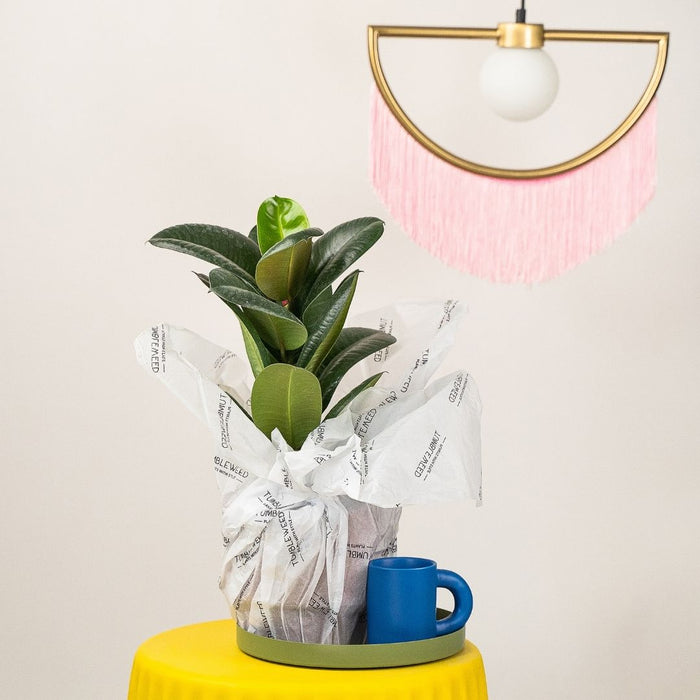
- Small Ficus — Elastica or Audrey in small sizes provide bold foliage.
- Calathea — Patterned leaves that face outward on shelves for maximum visual impact.
Accent Plants (for colour and texture)
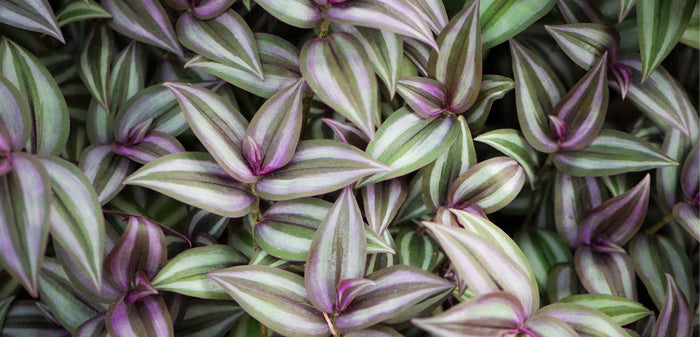
- Fittonia — Pink, white, or red nerve patterns in a compact form.
- Polka Dot Plant — Splashes of pink or white on green leaves.
- Rex Begonia — Metallic, colourful foliage in compact form.
- Air Plants — No soil needed. Tuck into gaps or display on small stands.
- Mini Orchids — A single bloom adds elegance to any shelf arrangement.
Arranging Your Plant Shelfie

Step 1: Start With Anchor Plants
Place your largest or most visually dominant plants first. These anchor the arrangement and define the visual weight.
- One large plant per shelf section (or one per 60cm of shelf width)
- Position off-centre rather than dead middle
Step 2: Add Trailing Plants at Edges
Place cascading plants at shelf edges where their vines can drape naturally. This creates the characteristic layered look of a plant shelfie.
Step 3: Fill With Medium Plants
Add medium-sized plants in the spaces between anchors and trailers. Vary heights using small risers (a stack of books, a small ceramic block, or a dedicated plant stand).
Step 4: Tuck in Small Accents
Small succulents, air plants, or tiny pots fill remaining gaps without overwhelming the arrangement. These are the finishing touches.
Step 5: Add Non-Plant Elements
A few curated non-plant items prevent the shelf from looking like a nursery display:
- A small ceramic vase or sculpture
- A candle in a neutral colour
- A framed photo or small artwork
- A stack of 2-3 books
- A small decorative object with personal meaning
Keep non-plant items to 20-30% of the total display. The plants should dominate.
Step 6: Step Back and Edit
View the arrangement from across the room. Look for:
- Visual balance (not too heavy on one side)
- Colour distribution (spread colourful plants across the arrangement)
- Sight lines (ensure key plants are visible from your main seating position)
- Breathing room (each plant should be distinguishable from its neighbours)
Pot Selection for Shelfies
Consistent pot choices unify a plant shelfie:
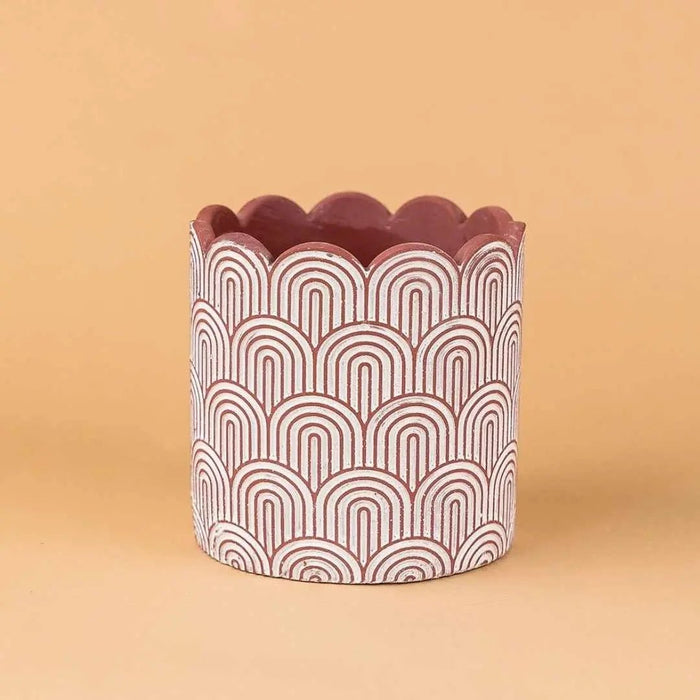
Colour cohesion: Choose 2-3 pot colours and stick to them throughout. All white, all terracotta, or a mix of white and terracotta works universally.
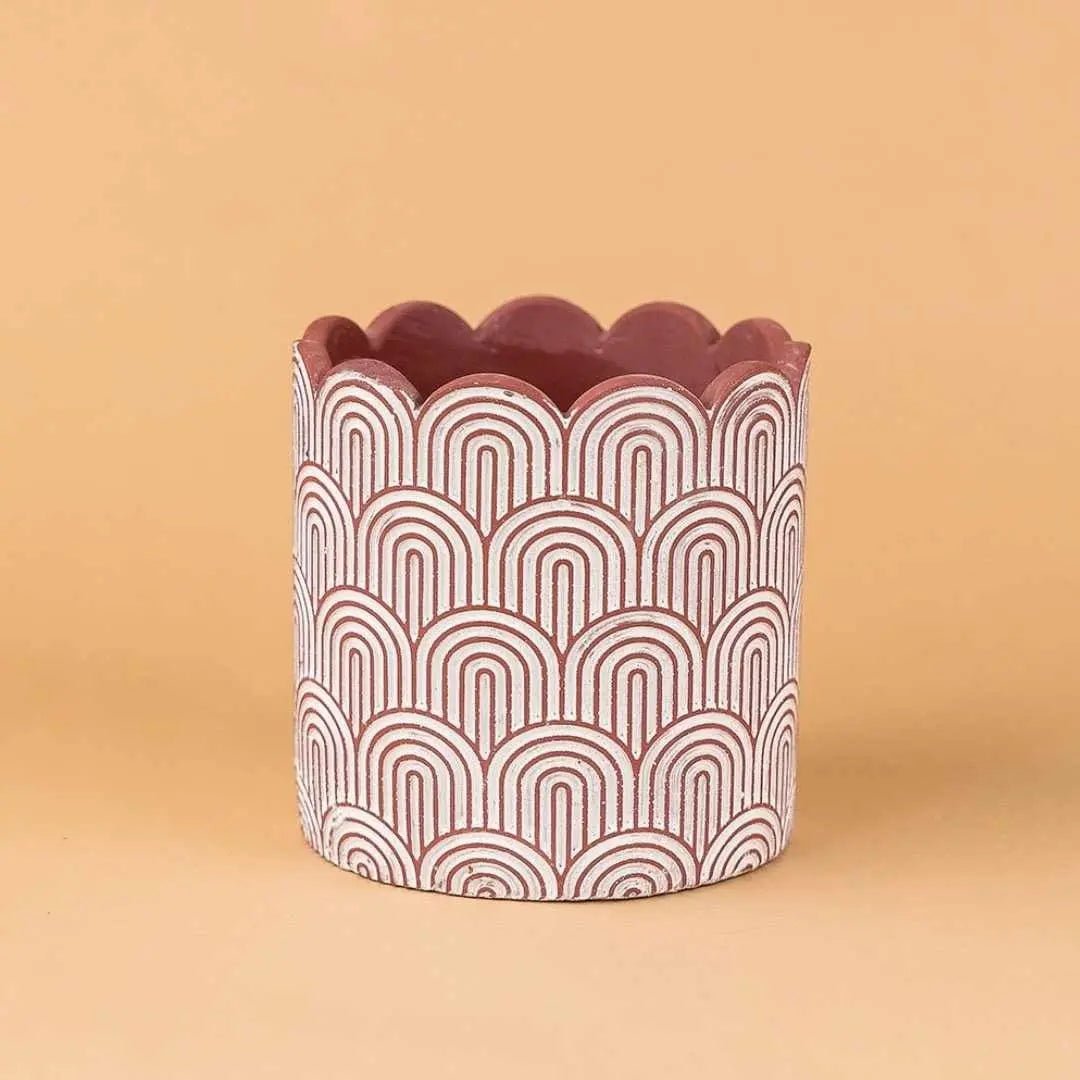
Material consistency: Mixing ceramic, concrete, and woven baskets in the same colour family adds subtle texture variation without chaos.
Size graduation: Pots should scale with the plants. A large pot on a small shelf overwhelms; a tiny pot on a wide shelf gets lost.
Cache pot trick: Keep plants in plastic nursery pots inside decorative cache pots. This makes rearranging easy (just lift and swap) and simplifies watering (remove, water, drain, return).
Lighting Considerations

Natural Light
Position your shelf unit near a window. Plants on higher shelves typically receive more light than lower shelves — place light-loving plants up high and shade-tolerant plants lower.
Supplemental Lighting
For shelves away from windows, LED strip lights or clip-on grow lights keep plants healthy:
- LED strip lights along shelf undersides illuminate the plants below and create ambient evening lighting
- Full-spectrum white LEDs look natural and support plant growth
- Timer-controlled lights ensure consistent light cycles
Photography Lighting
When photographing your shelfie:
- Natural light from a nearby window is most flattering
- Photograph in the morning or late afternoon for warm, soft light
- Avoid overhead artificial lights that create harsh shadows
- Turn off room lights and rely on window light for the cleanest look
Maintenance Tips
A plant shelfie requires regular upkeep to stay photo-worthy:
Weekly:
- Check soil moisture and water as needed
- Remove any yellowing or dead leaves
- Wipe dust from leaves (dusty leaves photograph poorly)
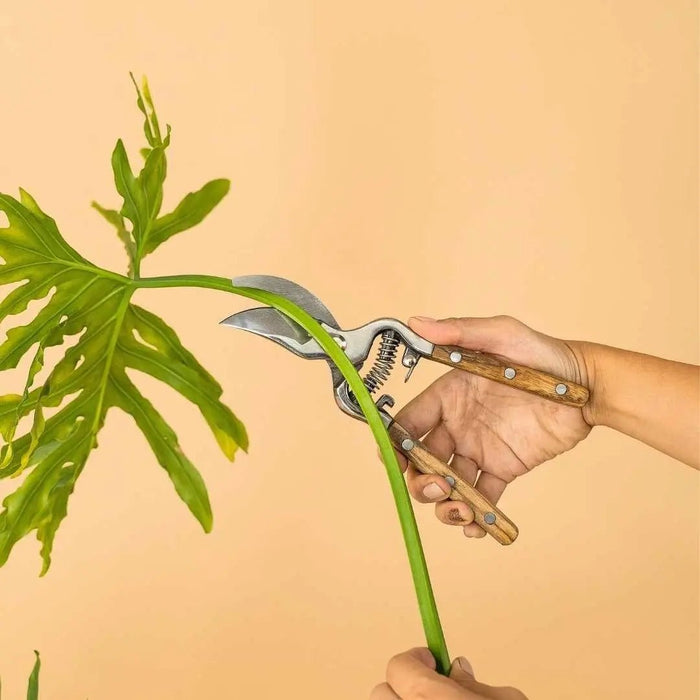
- Trim trailing plants that have grown too long
Monthly:
- Rotate plants 90 degrees for even growth
- Fertilise during active growth seasons
- Check for pests (shelf arrangements create microclimates that pests enjoy)
- Rearrange if any plant has outgrown its position
Quarterly:
- Deep clean shelves
- Replace any plants that are struggling
- Refresh the arrangement — swap positions or introduce new plants
Photographing Your Plant Shelfie
Composition
- Shoot straight-on (perpendicular to the shelf) for the classic shelfie angle
- Include the full shelf width in the frame
- Leave a small border of wall visible above and beside the shelf
- Ensure the camera is level (tilted photos look amateur)
Background
A plain wall (white, light grey, or a bold single colour) is the best backdrop. Busy wallpaper or cluttered backgrounds distract from the plants.
Editing
- Increase brightness and contrast slightly
- Boost green saturation to make foliage pop
- Keep edits subtle — heavily filtered plant photos look artificial
- Crop to emphasise the best section of the arrangement
Final Thoughts
A plant shelfie is where plant care meets interior design. It is a creative expression of your taste, your collection, and your attention to detail. In a Singapore apartment, it is also one of the most space-efficient ways to live surrounded by greenery.
Start with a single shelf and three well-chosen plants. As your collection and confidence grow, expand outward. The beauty of a plant shelfie is that it is never finished — it evolves with your plants and your aesthetic.
Browse Tumbleweed Plants for shelfie-ready plants in every size, shape, and colour.
Quick summary
Key Takeaways
- What Makes a Great Plant Shelfie
- Choosing the Right Shelf
- Best Plants for Shelfies
- Arranging Your Plant Shelfie
- Pot Selection for Shelfies
- Lighting Considerations
Ready to bring some green into your home?
Browse 250+ hand-picked plants, curated for Singapore homes — delivered to your door.
Browse All Plants →