



















How to Start a Plant Instagram Account in Singapore
Posted on April 09 2026
In this article

Singapore has one of the most active plant communities on Instagram. From shelfie showcases to detailed care guides, from rare plant unboxings to time-lapse growth videos, the local #SGplantcommunity is thriving. If you have been thinking about starting a plant-focused Instagram account, there has never been a better time — or a more supportive community to join.
Whether you want to document your plant journey, connect with fellow enthusiasts, share knowledge, or eventually build a following that leads to collaborations and opportunities, this guide covers everything you need to know.
Why Start a Plant Instagram?
Documentation. An Instagram account becomes a visual diary of your plant collection. Scrolling through your grid six months from now, you will see how much your plants — and your skills — have grown.
Community. Singapore's plant Instagram community is welcoming and generous. You will discover local nurseries, swap events, care advice, and genuine friendships with people who understand why a new leaf makes your entire week.
Learning. Following and engaging with experienced plant accounts accelerates your own learning. You will pick up techniques, discover species, and learn from others' mistakes.
Accountability. Posting regularly about your plants makes you more attentive to their care. When you know your Calathea is going on Instagram, you pay closer attention to its leaves.
Setting Up Your Account

Username
Choose something memorable, relevant, and not too long:
- Include "plant," "green," "jungle," "leaf," or a similar keyword
- Add a Singapore reference if available (SG, 65, your neighbourhood)
- Avoid underscores and numbers if possible — they make handles harder to share verbally
- Check that the name is not already taken on Instagram, TikTok, and other platforms you might expand to
Bio
Your bio should communicate three things in 150 characters:
- What you post about (indoor plants, plant care, plant styling, etc.)
- Where you are based (Singapore)
- A personal touch (your plant count, favourite variety, a short quip)
Example: "Indoor plant obsession in Singapore. 40+ plants in a 4-room HDB. Care tips, honest reviews, occasional plant math."
Profile Photo
A clear photo of your best plant, your favourite corner, or yourself with a plant. Avoid logos unless you are building a brand from day one.
Content Pillars: What to Post
Consistency comes from having defined content categories to rotate through. Here are the most engaging types of plant content:
1. Shelfies and Plant Corners
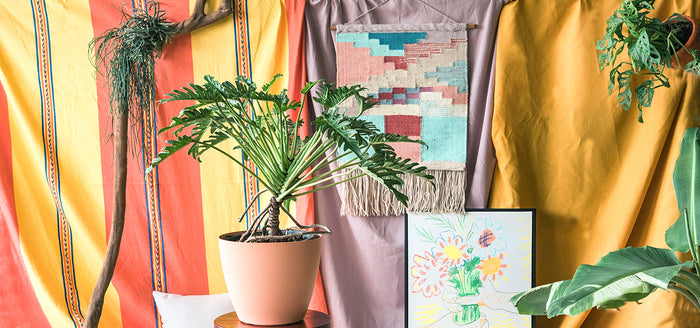
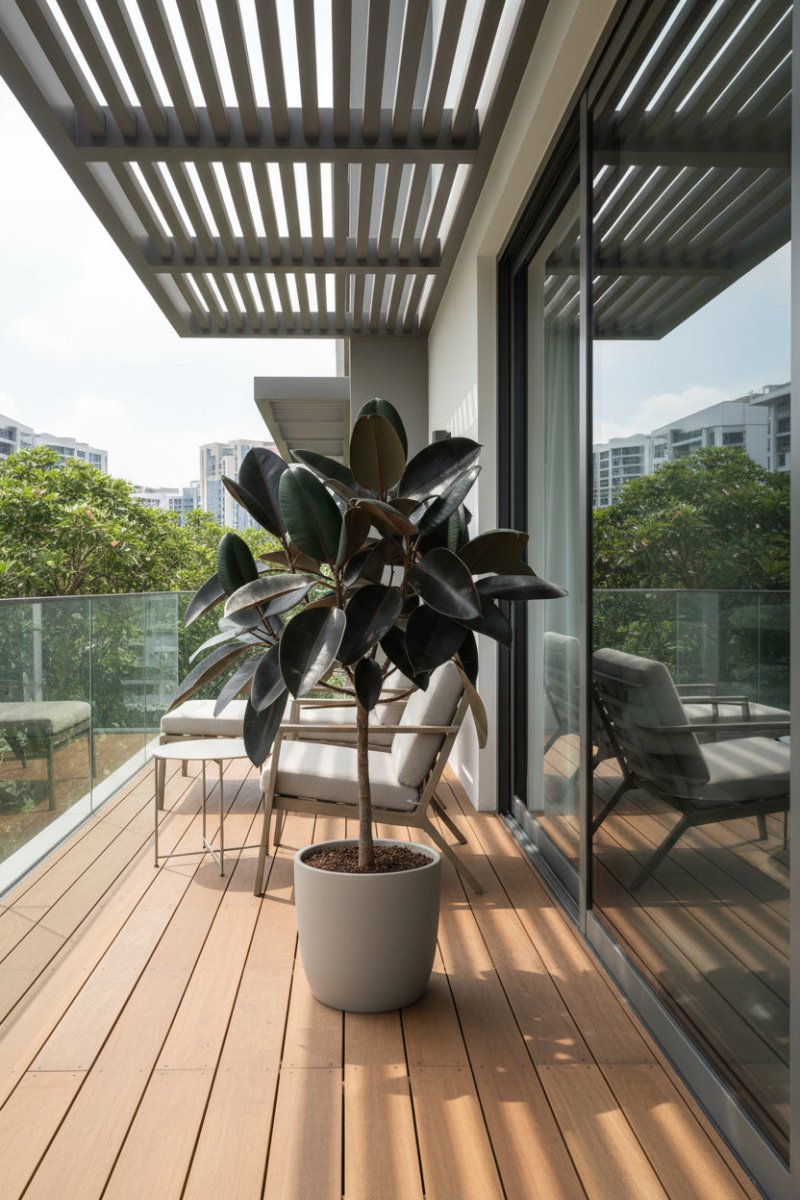
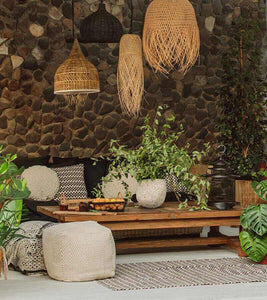
Overhead or straight-on shots of your plant collection in context — on shelves, in corners, along windowsills. These are the bread and butter of plant Instagram. Singapore's compact living spaces make creative use of vertical space especially impressive and relatable.
Tips:
- Clean the area and wipe plant leaves before shooting
- Natural light produces the best results — shoot near windows in the morning
- Include lifestyle elements (books, candles, a coffee cup) for warmth
- Show the space from multiple angles across different posts
2. Plant Portraits
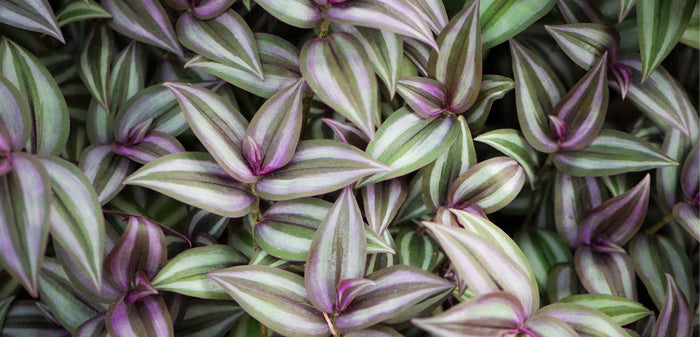
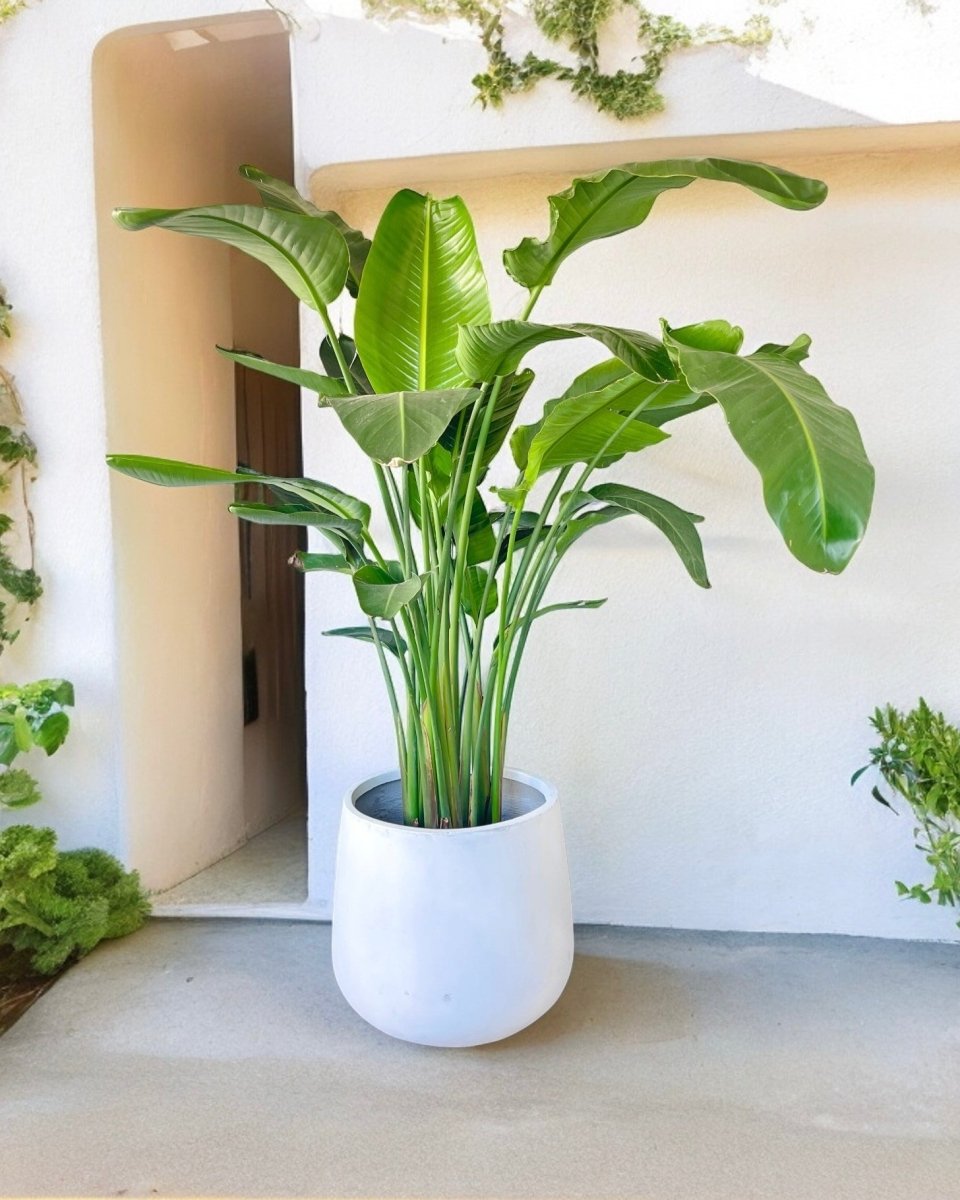
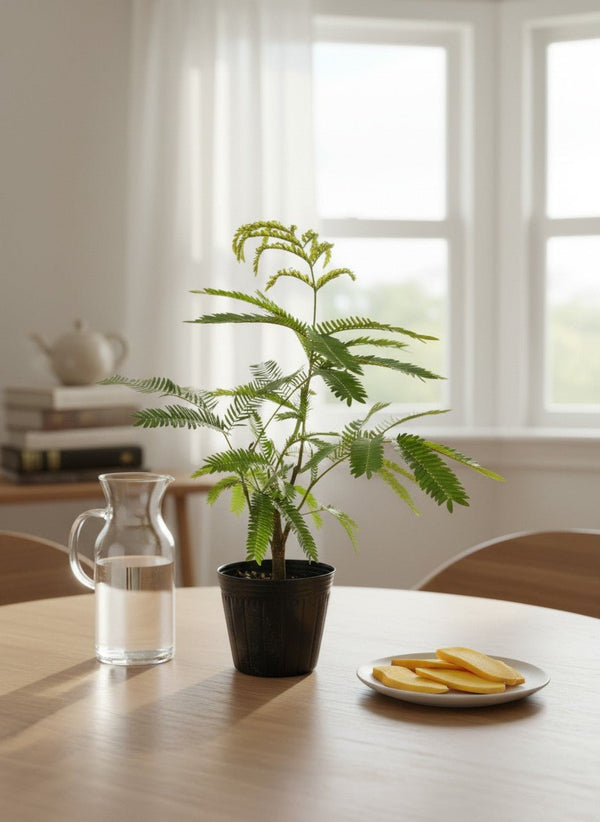
Close-up shots of individual plants highlighting their unique features — leaf patterns, new growth, unfurling leaves, aerial roots, flowers. These perform well because they let viewers appreciate details they might miss in wider shots.
Tips:
- Shoot from above for rosette plants, from the side for trailing plants
- Focus on the newest, healthiest leaf
- Use natural light from a window for soft, even lighting
- A plain background (white wall, neutral fabric) makes the plant pop
3. Care Tips and Guides
Educational content is some of the most saved and shared content on plant Instagram. Short, practical tips in carousel format (swipeable slides) perform exceptionally well.
Ideas:
- "5 signs your [plant name] needs water"
- "How I keep my Calathea happy in AC"
- "My watering schedule for Singapore"
- "Beginner mistakes I made (so you don't have to)"
4. Before and After / Growth Progress
Transformation content is irresistible. Side-by-side comparisons showing a plant when you bought it versus months later demonstrate what good care achieves. Save your first photo of every new plant for this purpose.
5. New Plant Arrivals
Unboxing and first-day photos of new plants. Share where you bought it, why you chose it, and where you plan to place it. Tag the shop or nursery — this builds relationships and the shop may reshare your post.
6. Propagation Journeys
Document the process of propagating a plant from cutting to established plant. Time-lapse or weekly update formats work well. Propagation content is endlessly popular because it feels like magic — a single leaf becoming a full plant.
7. Plant Problems (Honest Content)
Do not only post your wins. Brown leaves, pest infestations, plants you accidentally killed — honest content resonates because every plant owner experiences failures. Sharing what went wrong and what you learned builds credibility and community.
Photography Tips

You do not need professional equipment. A modern smartphone and natural light are sufficient.
Lighting
- Natural light is king. Shoot near windows between 8am and 11am when Singapore's light is soft and directional
- Avoid harsh midday sun — it creates unflattering shadows and washed-out colours
- Overcast days produce even, diffused light that is actually ideal for plant photography
- Never use the phone's flash — it flattens colours and creates harsh, unnatural highlights
Composition
- Rule of thirds: Place the main subject off-centre for a more dynamic composition
- Leading lines: Use shelves, tables, or plant stakes to guide the viewer's eye
- Depth: Include foreground and background elements to create dimension
- Negative space: Leave empty space around the plant for a clean, gallery-like feel
Editing
Keep edits natural. Plants should look like plants, not neon abstractions:
- Slightly increase brightness and contrast
- Boost greens subtly in the saturation or HSL panel
- Sharpen slightly for crisp leaf details
- Maintain a consistent editing style across posts for a cohesive grid
Apps: Lightroom Mobile (free version), VSCO, and Snapseed are excellent free options.
Hashtags for Singapore Plant Content
Hashtags make your content discoverable. Use a mix of large, medium, and niche hashtags:
Large hashtags (100K+ posts):
- #houseplants
- #indoorplants
- #plantlover
- #plantparenthood
- #urbanjungle
Medium hashtags (10K-100K posts):
- #plantsofinstagram
- #plantshelfie
- #houseplantclub
- #tropicalplants
- #plantaddict
Singapore-specific hashtags:
- #sgplants
- #sgplantcommunity
- #singaporeplants
- #plantparentsg
- #hdbgarden
- #sgurbanjungle
- #plantsofsingapore
Species-specific hashtags:
- #monstera, #monsteradeliciosa
- #calathea, #prayerplant
- #pothos, #philodendron
- #alocasia, #begonia
Use 15 to 25 hashtags per post. Place them in the first comment rather than the caption for a cleaner look.
Building Community

Engage Authentically
- Comment meaningfully on other plant accounts — not just "nice plant" but specific observations or questions
- Reply to every comment on your own posts, especially early on
- Share other accounts' content to your Stories with genuine commentary
- Join Singapore plant community conversations and challenges
Participate in Local Events
- Follow Singapore nurseries and plant shops for event announcements
- Attend plant swaps and community meetups
- Visit gardens like Singapore Botanic Gardens, Gardens by the Bay, and HortPark — these make great content locations and you will meet fellow enthusiasts
Collaborate
- Propose plant swaps or joint posts with accounts of similar size
- Tag nurseries and shops in posts featuring their plants — many reshare customer content
- Participate in community challenges and hashtag campaigns
Growing Your Following
Post Consistently
Three to five posts per week is a sustainable pace. Daily Stories fill the gaps between grid posts. Consistency matters more than frequency — it is better to post three times a week every week than seven times one week and zero the next.
Use Reels
Instagram's algorithm currently favours Reels (short video content). Plant Reels that perform well:
- Time-lapse of a plant unfurling a new leaf
- Quick care routine ("my Sunday watering routine")
- Plant tour of your space
- Repotting process sped up to 30 seconds
- "What I bought vs. what it looks like now" transitions
Stories and Engagement Features
Use Instagram Stories daily:
- Polls: "Should I repot or wait?" "Which pot for this Monstera?"
- Questions: "What plant should I buy next?" "Ask me anything about Calathea care"
- Quizzes: "Can you name this plant?"
- Behind-the-scenes: Watering routine, nursery visits, propagation checks
These features boost engagement metrics and keep your account visible in followers' feeds.
Connecting Online to Offline
Your Instagram account can be a gateway to Singapore's vibrant offline plant community:
- Plant swaps organised through Instagram DMs and group chats
- Nursery group visits where community members explore together and share recommendations
- Workshop invitations from local businesses looking for engaged plant enthusiasts
Shop Plants Worth Posting
Looking for photogenic additions to your collection (and your feed)? Browse our selection of indoor plants — from Instagram-famous Monstera to photogenic Calathea. We deliver healthy, camera-ready plants across Singapore.
Starting a plant Instagram account is really about sharing something you already love. The followers, the community, and the growth come naturally when the enthusiasm is genuine. Post what excites you, engage with people who share your passion, and let the grid evolve alongside your collection.
Quick summary
Key Takeaways
- Why Start a Plant Instagram?
- Setting Up Your Account
- Content Pillars: What to Post
- Photography Tips
- Hashtags for Singapore Plant Content
- Building Community
Ready to bring some green into your home?
Browse 250+ hand-picked plants, curated for Singapore homes — delivered to your door.
Browse All Plants →









Comments
0 Comments
Leave a Comment