



















How to Use Plants as Room Dividers in Singapore | Tumbleweed Plants Singapore
Posted on April 10 2026
In this article

Open-plan living is the default in modern Singapore homes. HDB flats and condos merge living rooms into dining areas, and kitchens flow into everything. This creates spacious, light-filled rooms — but also a lack of visual boundaries. Where does the living room end and the dining area begin? Where is the workspace in a studio apartment?
Plants solve this elegantly. A tall plant, a row of medium plants on a shelf, or a collection of trailing plants on a room divider creates a visual boundary without the permanence or cost of a wall. It adds privacy, defines zones, and transforms a flat, open space into a layered, intentional home.
Why Plants Work as Dividers
Soft boundaries. A wall creates a hard separation. A plant creates a soft one — it defines the zone without blocking light, air, or sight lines. You know where one area ends and another begins, but the space still feels connected.
Light passes through. Unlike a bookshelf or a curtain, plants filter light rather than blocking it. A row of plants lets sunlight through while adding privacy and visual texture.
Acoustic dampening. Plants with large, fleshy leaves absorb sound. In open-plan homes, this reduces noise bleed between zones — the TV does not echo into the dining area as much.
Aesthetic value. A plant divider adds beauty that a wall cannot. It is a living, growing element that changes with the seasons and adds organic warmth to hard-surfaced modern interiors.
Plant Divider Ideas

The Tall Plant Row
How it works: A line of 2-4 tall plants (1-1.5m) creates a visual wall between zones.
Best plants: Snake Plant (multiple tall varieties in matching pots), Bird of Paradise, Dracaena, Monstera on moss poles.
Placement: Between living and dining areas. Between the bed and a workspace in a studio apartment. Along the edge of an entryway.
Tip: Use matching pots for a cohesive look. The plants can be different species but the pots should unify them.
The Shelf Divider
How it works: An open bookshelf or étagère positioned perpendicular to the wall, with plants filling some or all of the shelves.
Best plants: Mix of trailing (Pothos, Philodendron), upright (Peperomia, small Snake Plant), and bushy (Aglaonema, small ferns) plants.
Placement: Between living and dining zones. Between a home office and the rest of the room.
Tip: Do not fill every shelf with plants — mix in books, objects, and negative space. A 60/40 ratio of plants to other items looks intentional, not cluttered.
The Hanging Curtain
How it works: Multiple trailing plants suspended at different heights from ceiling hooks or a mounted rod create a cascading green curtain.
Best plants: Pothos, String of Hearts, Heartleaf Philodendron, Spider Plant.
Placement: Between the bed and living area in a studio. Along the edge of a dining zone. Near a window where trailing plants receive light.
Tip: Check ceiling load limits and HDB guidelines before installing hooks. Use lightweight pots and small to medium plants.
The Console Table Garden
How it works: A narrow console table (20-30cm deep) placed between zones, with 3-5 plants of varying heights creating a tabletop garden.
Best plants: Mix of heights — a tall Snake Plant or ZZ Plant, a medium Aglaonema or Peace Lily, and a small trailing plant at the edge.
Placement: Behind a sofa to separate living and dining. Along a hallway edge. At the entrance to the bedroom area.
Tip: The console table doubles as a surface for keys, mail, or a small lamp alongside the plants.
The Single Statement
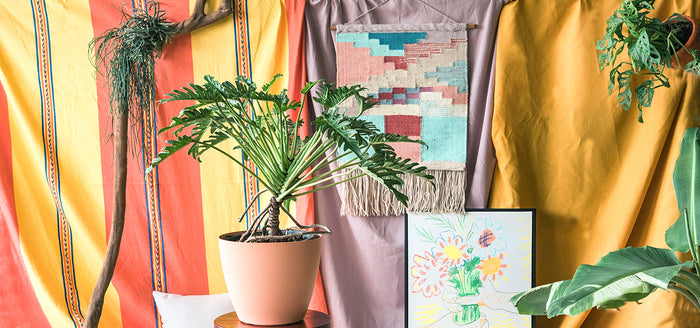
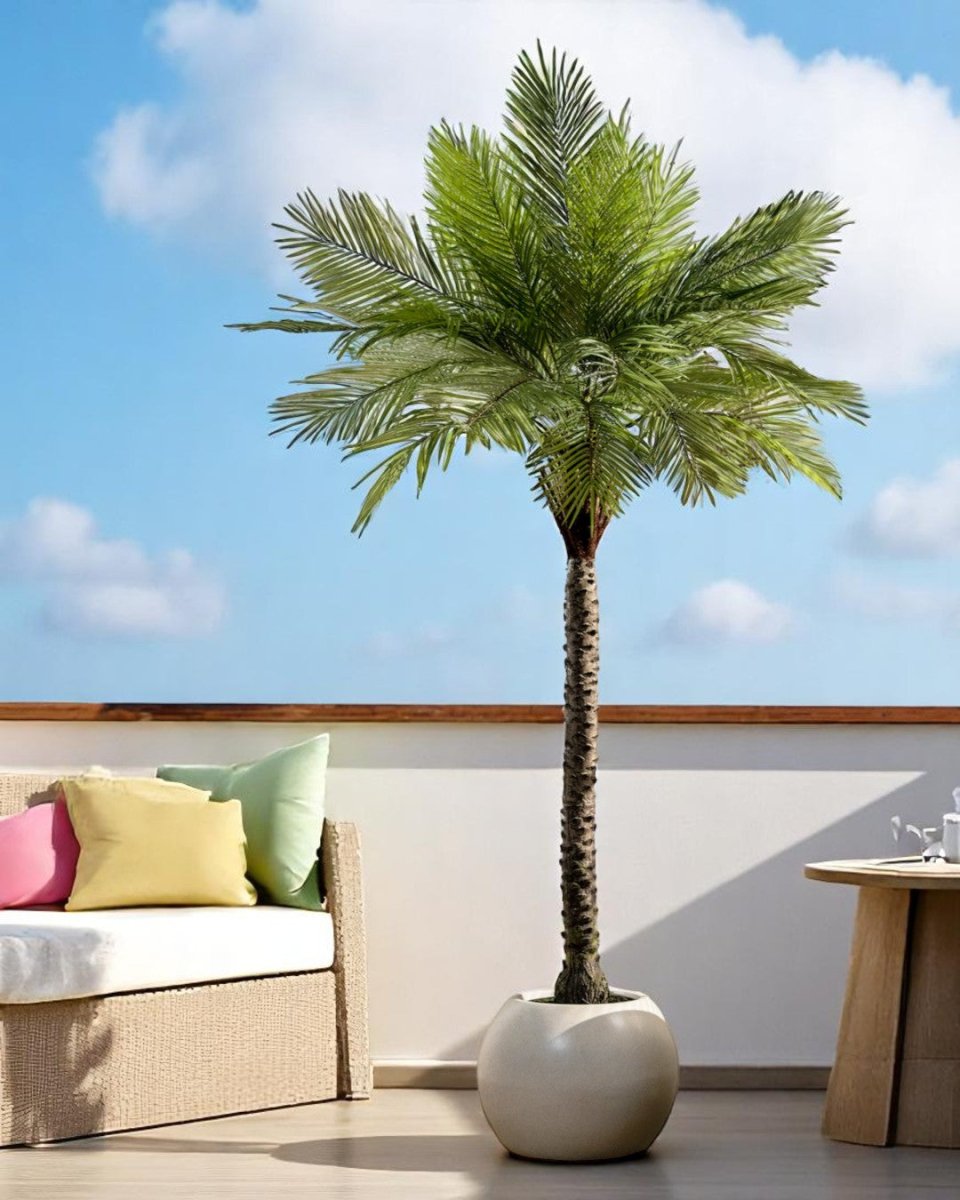
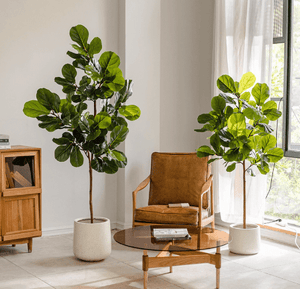
How it works: One large, dramatic plant (1.5-2m) placed at the boundary between two zones. It does not create a full wall — it creates a marker, a visual anchor that says "this area transitions here."
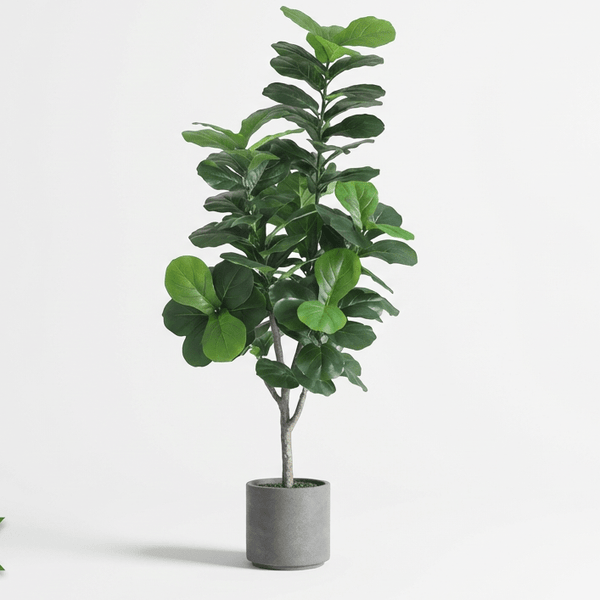
Best plants: Bird of Paradise, large Monstera, Fiddle Leaf Fig, tall Dracaena.
Placement: At the corner where living and dining areas meet. Beside a sofa that faces the open plan.
The Low Divider
How it works: A row of medium plants (40-60cm) on the floor or on a low bench creates a boundary that defines zones without blocking sight lines. You can see over the plants while still sensing the zone transition.
Best plants: Aglaonema, Calathea, medium ZZ Plant, medium Peace Lily.
Placement: Between living and dining in an open plan. Along the edge of a meditation or yoga area.
Practical Considerations
Light
Plant dividers need light from at least one side. Place them near windows or in well-lit areas. If the divider is in the centre of a room far from windows, choose low-light tolerant plants (Snake Plant, ZZ Plant, Pothos).
Watering
Plants in divider arrangements need accessible watering. Ensure you can reach every pot without moving furniture. Use saucers or cache pots to protect floors and surfaces from water damage.
Weight and Stability
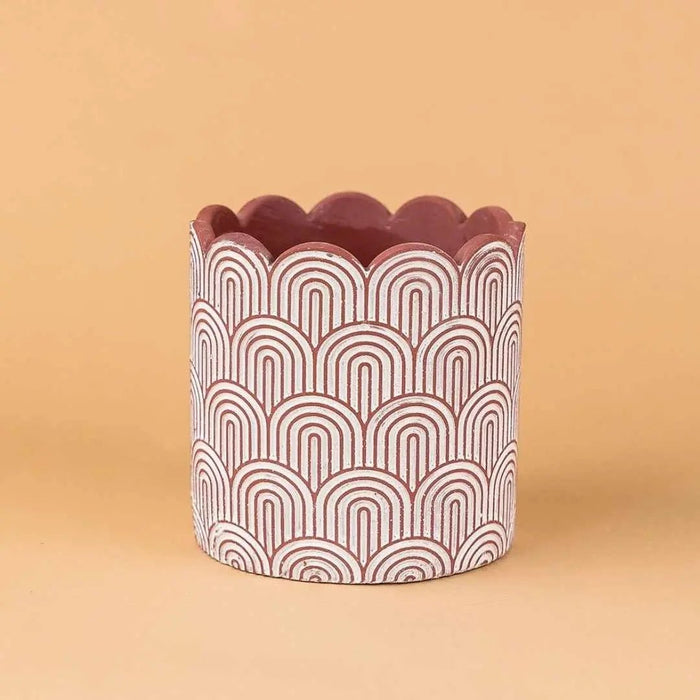
Heavy pots prevent tipping. Tall plants in lightweight pots are top-heavy and tip easily — especially in high-traffic divider positions. Use heavy ceramic, concrete, or terracotta pots for stability.
Floor protection. Place pot coasters or felt pads under heavy pots on wooden or laminate floors to prevent scratching and water stains.
Foot Traffic
Divider plants are in or near walkways. Choose plants that tolerate occasional bumps — Snake Plant (stiff leaves), ZZ Plant (resilient stems), Rubber Plant (flexible). Avoid delicate plants like Maidenhair Fern in high-traffic divider positions.
Scale
Match the plant divider to the room size:
- Small 3-room HDB: One tall plant or a small console with 2-3 plants
- Medium 4-room HDB: A shelf divider or 3-4 tall plants in a row
- Large 5-room or condo: A full plant wall, hanging curtain, or multiple divider elements
Shop Room Divider Plants

Browse our indoor plant collection for plants that define your space. From tall Snake Plants to trailing Pothos, we deliver across Singapore.
A plant room divider is the architect's dream solution — it creates zones without construction, adds beauty without clutter, and defines space without confining it. In Singapore's open-plan homes, where every square metre must work hard, a few well-placed plants transform flat, undifferentiated space into layered, intentional living. The boundary is green, the air is cleaner, and the home feels designed — not divided, but defined.
Quick summary
Key Takeaways
- Why Plants Work as Dividers
- Plant Divider Ideas
- Practical Considerations
- Shop Room Divider Plants
Ready to bring some green into your home?
Browse 250+ hand-picked plants, curated for Singapore homes — delivered to your door.
Browse All Plants →