
















How to Use Plants as Room Dividers in Singapore | Tumbleweed Plants Singapore
Posted on April 15 2026
In this article

Open-concept living is the standard in modern Singapore homes. HDB BTOs, resale flats, and condos increasingly merge the living room, dining area, and sometimes the kitchen into one continuous space. This openness makes rooms feel larger — but it also creates a design challenge: how do you define different zones within a single open space without building walls?
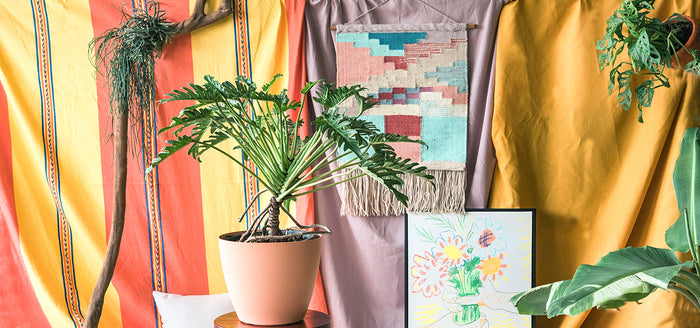
Plants offer a beautiful, natural solution. A strategically placed plant or group of plants creates a visual boundary that separates zones — living from dining, work-from-home desk from living area, entryway from main space — without blocking light, restricting airflow, or requiring renovation.
Why Plants Work as Dividers
They Separate Without Isolating
A wall divides absolutely — sound, light, and visual connection are all cut. A plant divider creates a sense of separation while maintaining the openness that makes the space feel large. You can see through, hear through, and feel the continuity — but the zones feel distinct.
They Add Rather Than Subtract
A wall or partition takes something away — space, light, openness. A plant divider adds something — greenery, texture, life, air quality improvement. It is a divider that makes both sides of the divide better.
They Are Flexible
Plants can be moved. Rearranging your space does not require a contractor. If the divider does not work, you simply move the plants to a new position.
No Renovation Required
For HDB residents, structural changes require approvals. Plant dividers need nothing — no permits, no contractors, no mess. They can be set up in an afternoon and adjusted anytime.
Types of Plant Dividers

The Tall Statement Plant
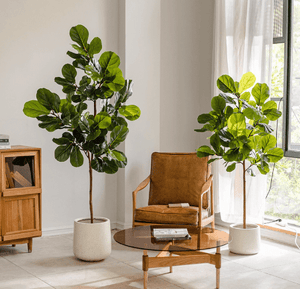
A single large plant placed at the boundary between two zones. The plant's height and volume create a natural visual break.
Best plants:
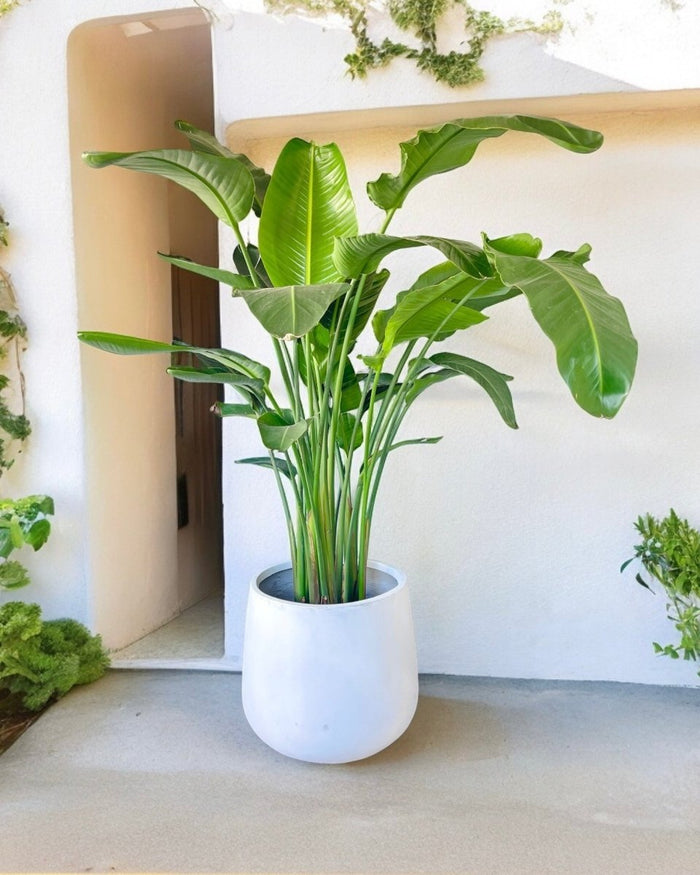
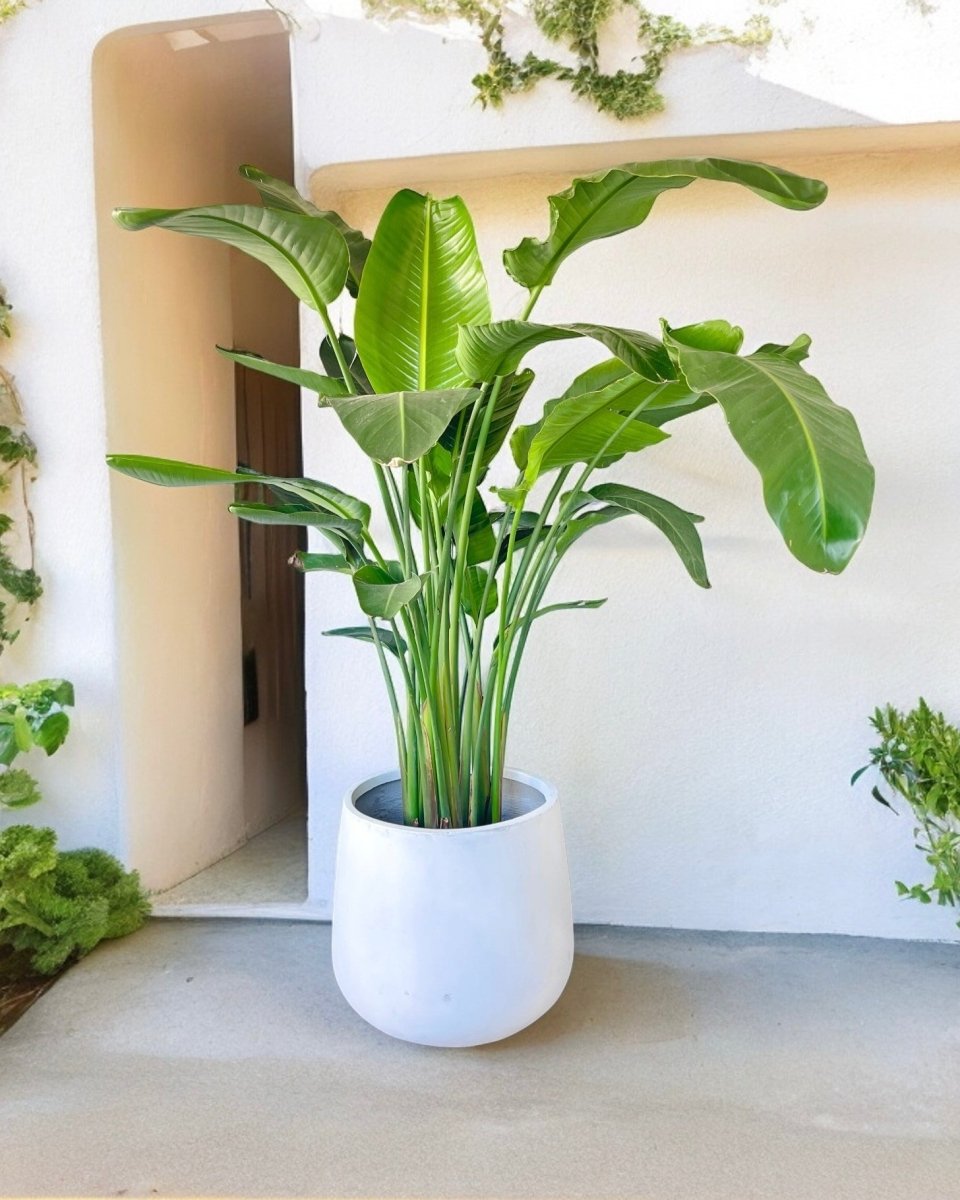
- Bird of Paradise — Tall, dramatic, and unmistakable. Creates a clear boundary with its large, upright leaves.
- Monstera deliciosa — Wide, spreading leaves create a substantial visual barrier. Needs a bright position.
- Fiddle Leaf Fig — Tall and tree-like. Makes a strong vertical statement at zone boundaries.
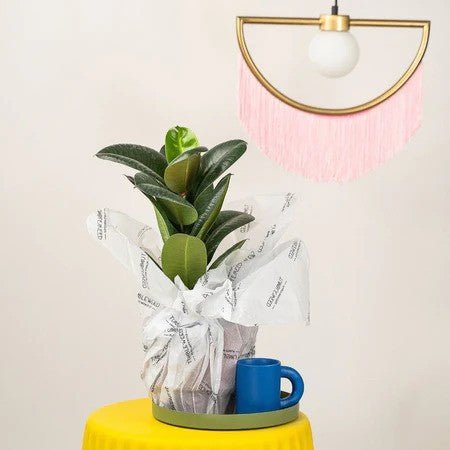
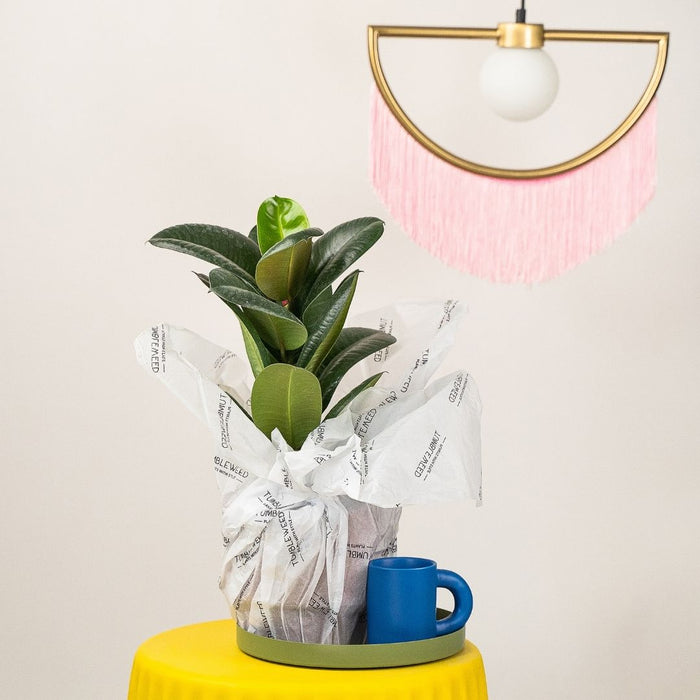
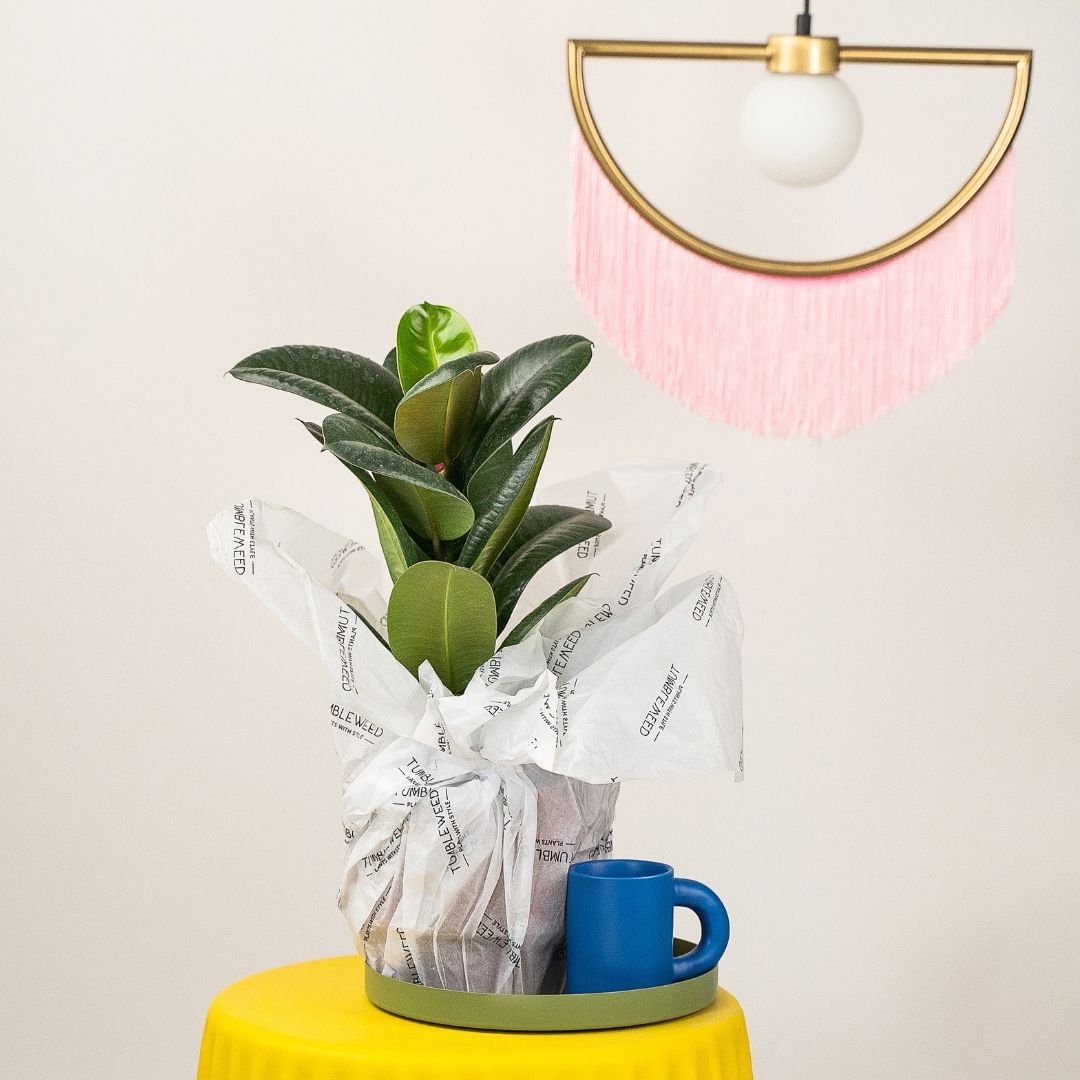
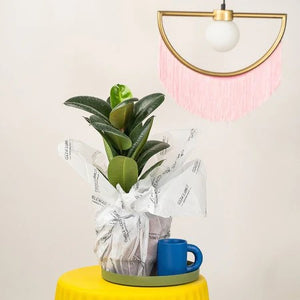
- Rubber Plant — Upright and dense. The dark, glossy leaves create a definitive visual edge.
- Dracaena — Multiple trunk heights available. The narrow form fits in tight transitional spaces.
Best for: Separating living and dining areas. Defining the entryway.
The Plant Shelf Divider
A shelving unit placed between zones and populated with plants (and other items). The shelf itself is the divider; the plants make it beautiful.
Best plants:
- A mix of trailing (Pothos, String of Hearts), upright (Snake Plant, Peperomia), and colourful (Aglaonema, Calathea) species
- Different sizes for visual variety
- Interspersed with books, objects, and open space for visual breathing room
Best for: Separating living room from study/work area. Creating a transitional zone between entryway and living space.
Shelf options: IKEA Kallax (popular in Singapore for its depth and modularity), open-back bookcases, or custom shelving.
The Hanging Plant Curtain
A row of hanging plants at different heights creating a curtain-like effect that defines a zone boundary overhead.
Best plants:
- Pothos — Long trails create a dense, cascading curtain
- Spider Plant — Produces babies that dangle at various levels
- String of Pearls / String of Hearts — Delicate, vertical trails
- Boston Fern — Full, lush, and dramatic in a hanging basket
Installation: Use ceiling hooks, a curtain rod mounted to the ceiling, or a tension rod between walls. Space plants 30-50cm apart for a connected-but-not-dense effect.
Best for: Separating zones in open-concept spaces where floor space is too tight for plant stands.
The Plant Stand Row
A series of plant stands at different heights arranged in a line. Each stand holds a plant, and the collective effect creates a natural boundary.
Best plants:
- Mix heights: tall Snake Plant on a low stand, medium Aglaonema on a mid-height stand, compact Peperomia on a tall stand
- Vary the plants but keep the stands consistent (same colour or material) for cohesion
Best for: Flexible dividers that can be easily rearranged.
The Floor Planter Row
Multiple large floor planters arranged in a line, each with a substantial plant. Think hotel lobby dividers scaled for home use.
Best plants:
- Snake Plants in matching planters — Clean, architectural, uniform
- Mixed plants in coordinating planters — More organic, varied look
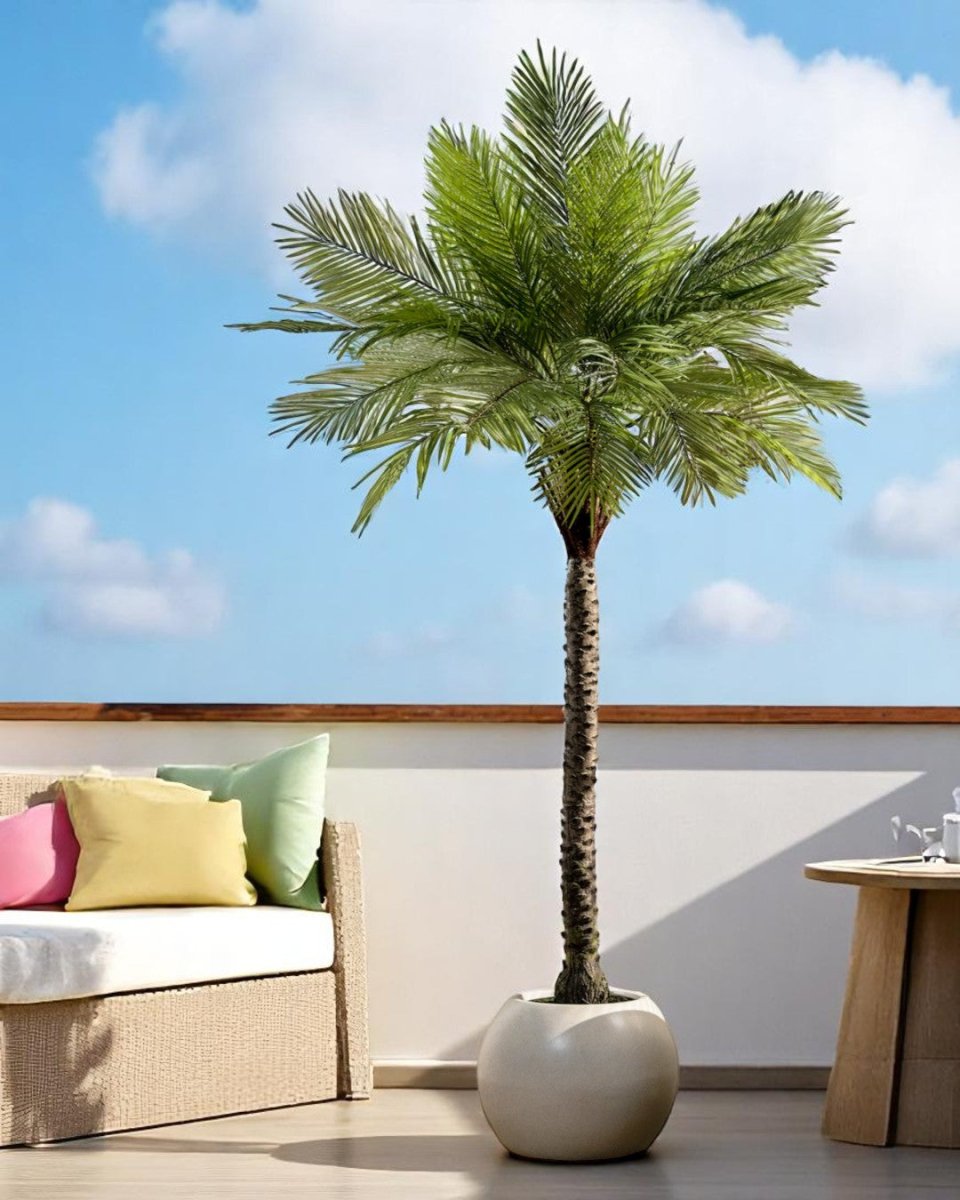
- Tall grasses or palms for a resort feel
Best for: Larger spaces (bigger HDB flats, condos) with enough room for floor planters without creating an obstruction.
Design Principles
Light Passes Through
The best plant dividers allow light to filter through and around them. Avoid creating a solid wall of foliage that blocks light to one zone. Leave gaps, use airy plants, and position to allow light from windows to reach both sides.
Scale to the Space
A 4-room HDB flat needs a different scale of divider than a large condo. In compact spaces, a single tall plant or a narrow shelf is enough. In larger spaces, you can create more substantial boundaries.
Consistency
Choose plants and pots that share a common aesthetic thread. A plant divider is a designed element — random assortments of mismatched plants and pots look like a plant shop, not a design feature.
Maintenance Access
Every plant in the divider needs to be accessible for watering, pruning, and inspection. If a plant in the middle of the arrangement is impossible to reach, it will be neglected.
Room-Specific Applications

Living Room → Dining Area
The most common use case. A tall plant (Bird of Paradise, Monstera) at the boundary point, or a shelf unit perpendicular to the wall, creates clear zones.
Living Room → Work-From-Home Area
Particularly relevant post-pandemic. A plant shelf between the living space and a desk creates a psychological boundary that helps with work-from-home focus. The plants face both ways — greenery while working, greenery while relaxing.
Entryway → Living Room
Many HDB flats open directly from the front door into the living room. A plant (or group of plants) near the entrance creates a transitional zone — a visual foyer that gives the impression of arrival before entering the main space.
Bedroom → Dressing Area
In larger bedrooms, a plant stand or tall plant between the sleeping area and dressing table creates zones within the room.
Practical Tips for Singapore Homes
Weight Distribution
Heavy planters concentrate weight on a small area. On HDB vinyl flooring, use protective mats or coasters under large planters to prevent indentation.
Water Protection
Plant dividers near furniture or electronics require careful watering management. Always use saucers. Consider self-watering pots to reduce overflow risk.
Pet and Child Safety
If the divider is in a high-traffic area, choose non-toxic plants. Snake Plant, Aglaonema, and Philodendron are mildly toxic — use Spider Plant, Peperomia, or Boston Fern for homes with curious pets or toddlers.
Rotation
Plants in divider positions may receive light from one side only. Rotate pots periodically (every 2-4 weeks) so all sides get light exposure and growth stays balanced.
Shop Plants

Browse our indoor plant collection for plants that define and divide your space, delivered across Singapore.
A wall says: these are two separate rooms. A plant says: these are two zones in one beautiful, open space. In Singapore, where open-concept living is the norm and renovation-free solutions are valuable, plant dividers offer the best of both worlds — defined zones without lost openness, natural beauty without construction. A Bird of Paradise between the sofa and the dining table. A shelf of trailing Pothos between the living area and the desk. A row of hanging ferns creating a green curtain at the entryway. These are not just plants — they are architecture. Living, growing, breathing architecture that makes your home feel both more structured and more alive at the same time.
Quick summary
Key Takeaways
- Why Plants Work as Dividers
- Types of Plant Dividers
- Design Principles
- Room-Specific Applications
- Practical Tips for Singapore Homes
- Shop Plants
Ready to bring some green into your home?
Browse 250+ hand-picked plants, curated for Singapore homes — delivered to your door.
Browse All Plants →